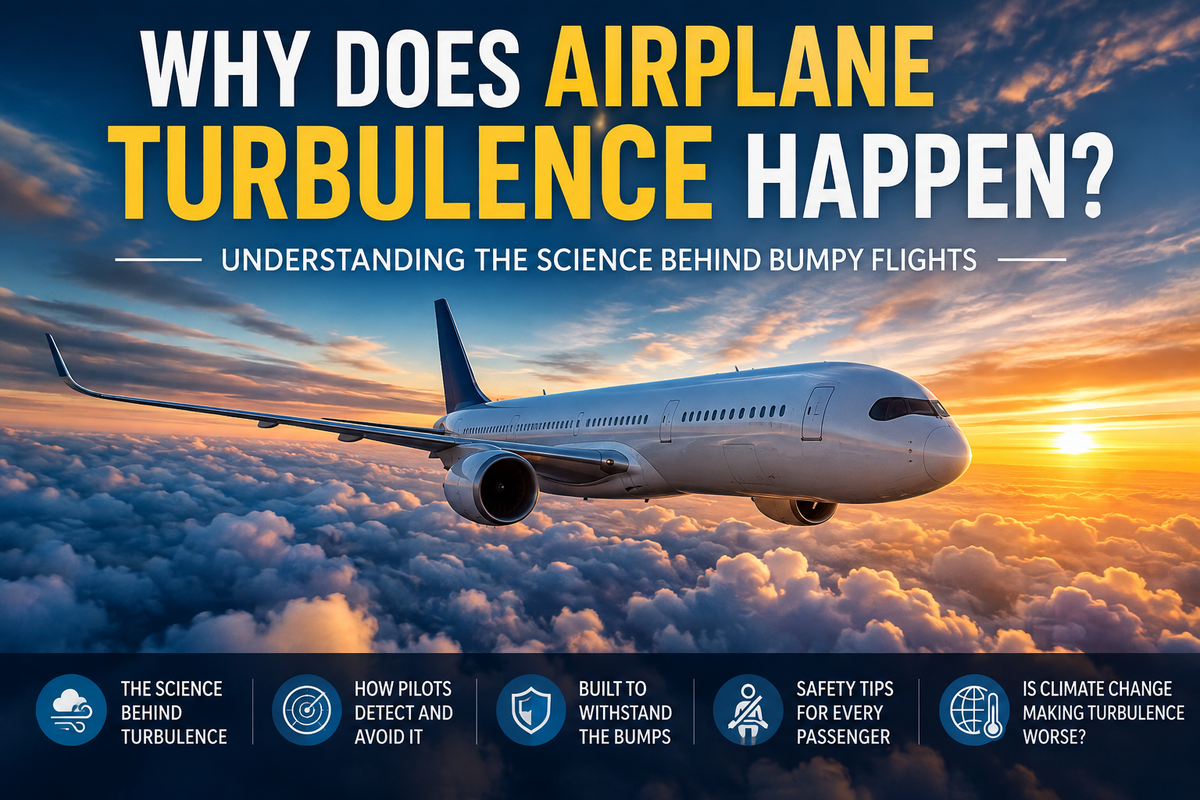
Why Does Airplane Turbulence Happen? Understanding the Science Behind Bumpy Flights

Introduction
For many people, turbulence is the most worrying part of flying. A sudden shake, unexpected drop, or rapid vibration can make even experienced travelers feel anxious. Some passengers grip their armrests, others become fearful, and many wonder whether the aircraft is in danger.
The good news is that turbulence is a normal part of flying.
Every day, more than 100,000 commercial flights operate safely around the world. While many of these flights experience some degree of turbulence, almost all continue safely to their destinations without incident. According to the Federal Aviation Administration (FAA) and the International Air Transport Association (IATA), turbulence is one of the most common weather-related challenges in aviation, but it is rarely a threat to the structural safety of modern commercial aircraft.
The greatest risk associated with turbulence is not damage to the airplane but injury to people who are not wearing their seatbelts when unexpected turbulence occurs.
Understanding why turbulence happens, how pilots prepare for it, and how aircraft are designed to handle it can help replace fear with confidence.
What Is Turbulence?
Air may appear invisible and calm, but it is constantly moving.
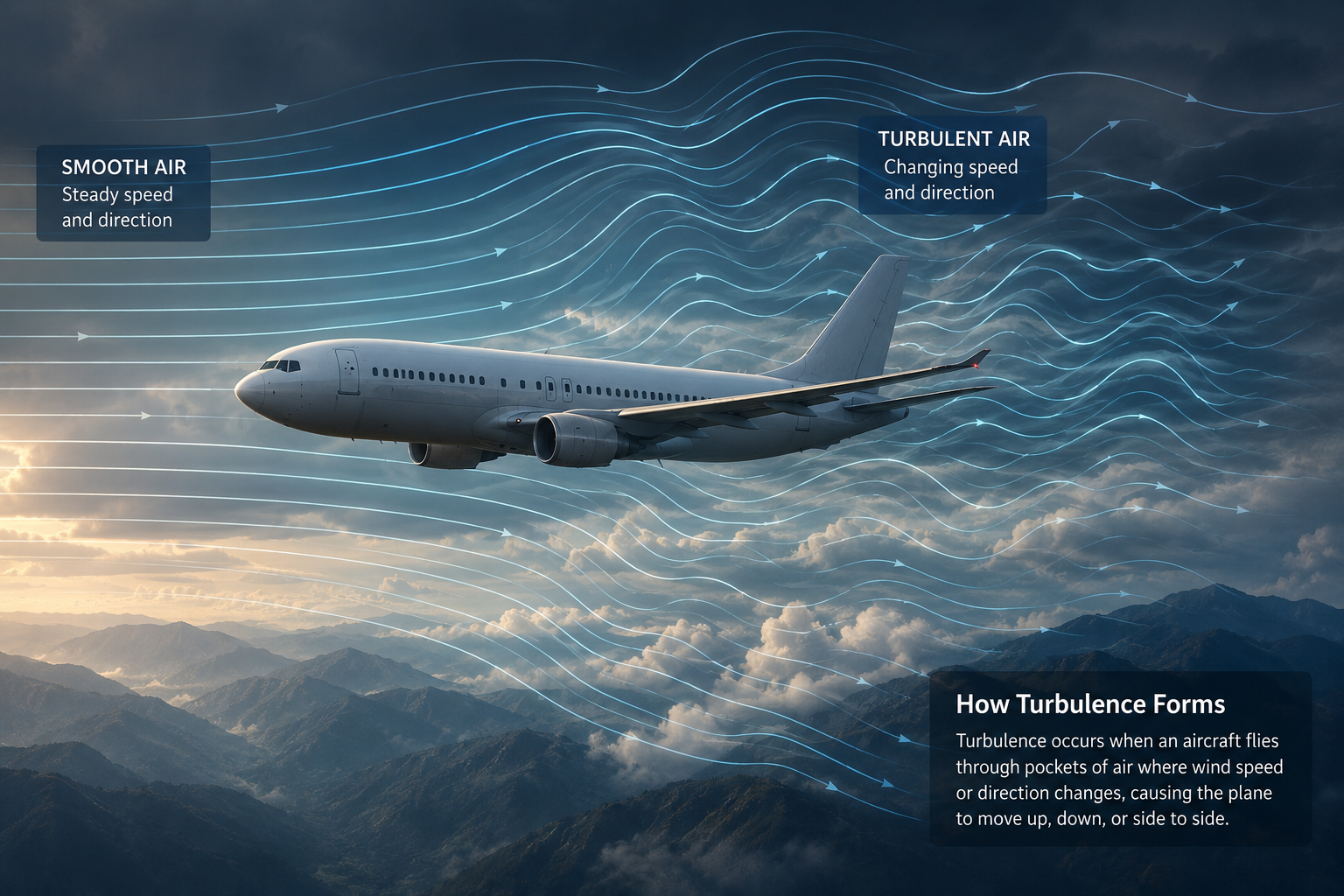
Just as boats travel through moving water, airplanes travel through moving air. When that air flows smoothly, the flight feels smooth. When the air becomes irregular or changes speed and direction, the aircraft moves with it, creating what passengers feel as turbulence.
Importantly, turbulence does not mean the airplane is losing control. The aircraft is simply responding to changes in the movement of the surrounding air.
A useful comparison is driving a car along a road. A smooth highway provides a comfortable ride, while potholes or uneven surfaces create bumps. Similarly, turbulence is like "bumps in the sky."
Unlike roads, however, the atmosphere is three-dimensional and constantly changing due to weather systems, temperature differences, mountains, and wind patterns.
How Does an Airplane Continue Flying During Turbulence?
One of the biggest misconceptions is that turbulence can cause an airplane to suddenly "fall out of the sky."
This is not how aircraft behave.
Commercial aircraft generate lift through their wings, allowing them to remain airborne. During turbulence, the aircraft may briefly rise, descend, or sway as it encounters changing air currents, but it continues producing lift throughout the event.
Modern passenger aircraft are designed and tested to withstand forces far greater than those encountered during normal turbulence. Before entering commercial service, every aircraft type must satisfy strict certification requirements established by aviation authorities such as the FAA in the United States and the European Union Aviation Safety Agency (EASA).
In other words, while turbulence may feel dramatic inside the cabin, it is typically well within the aircraft's design limits.
Why Does Turbulence Happen?
The Earth's atmosphere is never completely still.
Several natural processes constantly create movement in the air, including:
- Uneven heating of the Earth's surface by the Sun
- Weather systems
- Wind patterns
- Mountain ranges
- Jet streams
- Thunderstorms
Whenever these movements disturb smooth airflow, turbulence can develop.
Pilots and meteorologists generally classify turbulence into several different categories.
1. Convective Turbulence
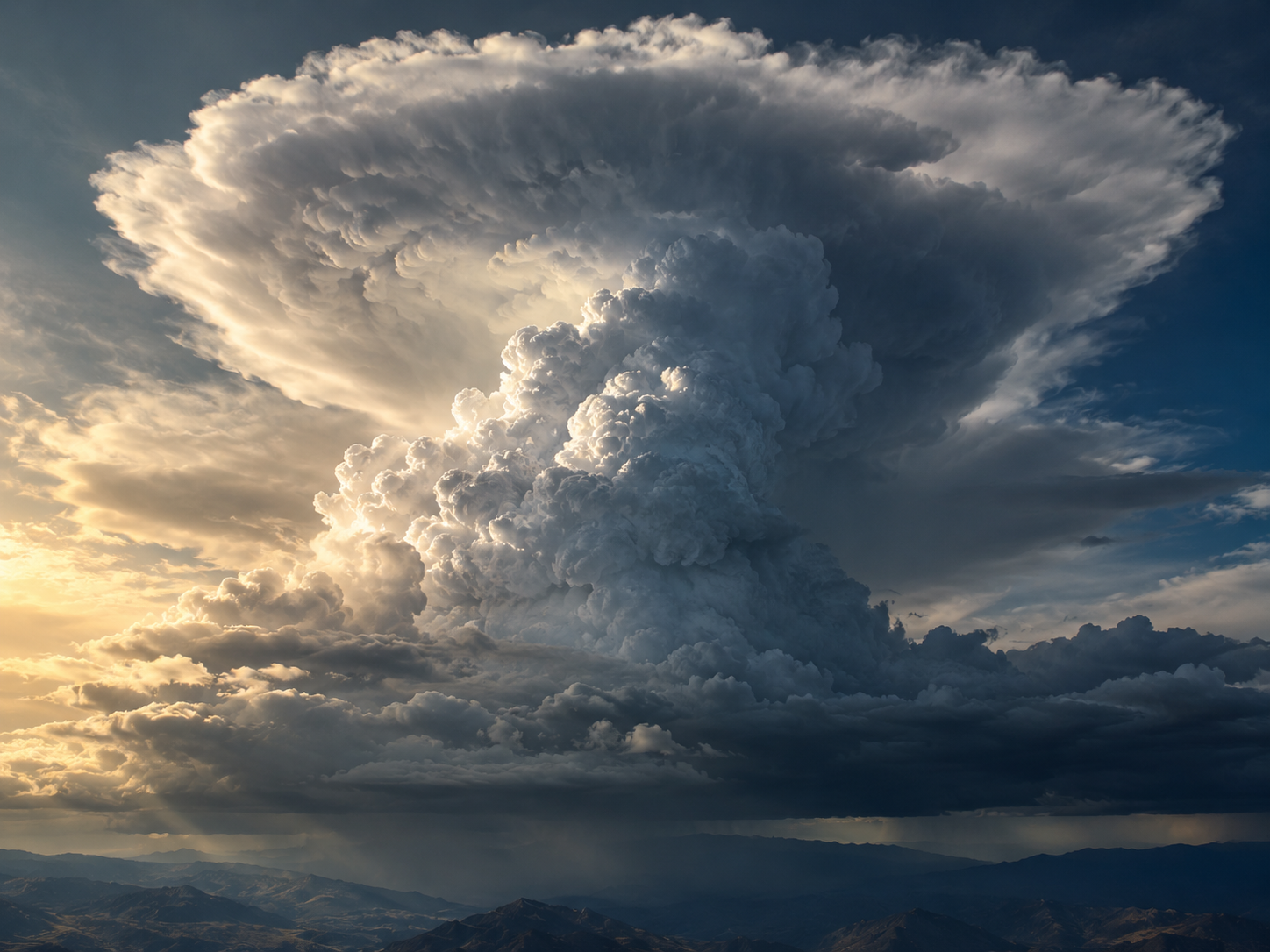
Convective turbulence is caused by rising and sinking air associated with warm weather.
When the Sun heats the ground, warm air begins to rise. As this rising air mixes with cooler air above, unstable conditions develop.
Large thunderstorm clouds, known as cumulonimbus clouds, are especially powerful sources of convective turbulence because they contain strong upward and downward air currents.
Commercial pilots avoid flying directly through thunderstorms whenever possible because they can produce severe turbulence, hail, lightning, and heavy rainfall.
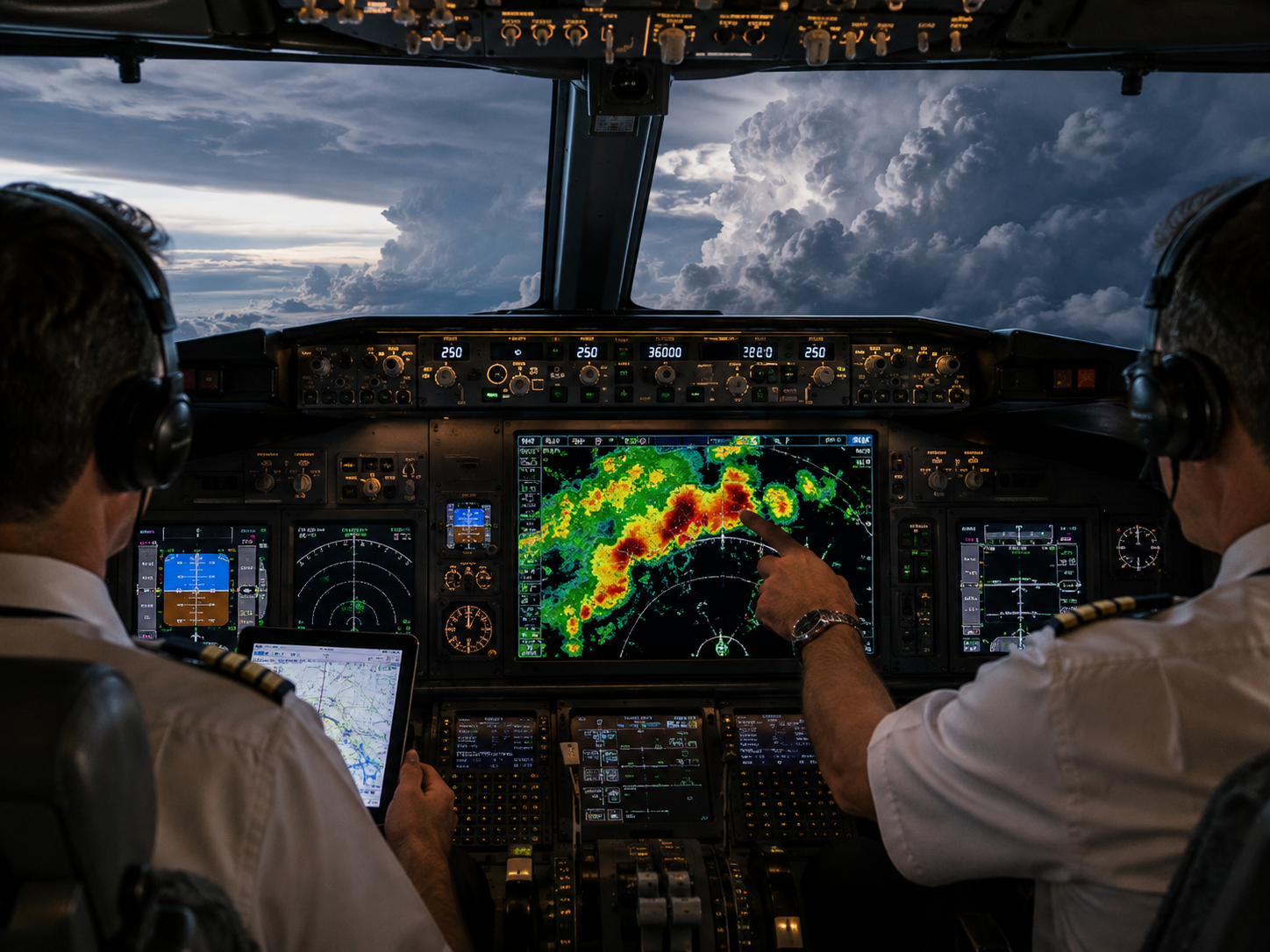
Modern weather radar allows flight crews to identify storm cells and adjust their route accordingly.
2. Clear-Air Turbulence (CAT)
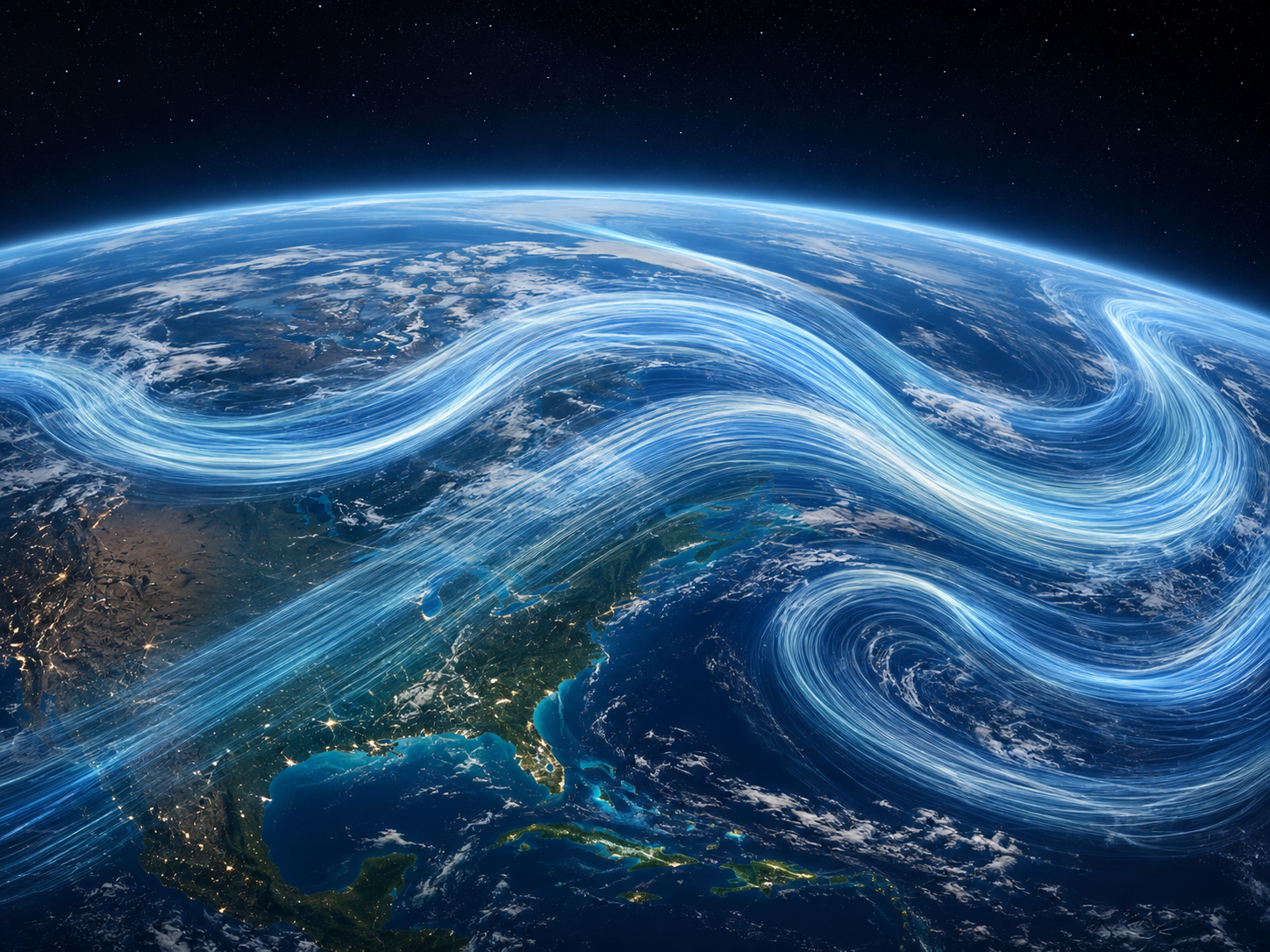
One of the most surprising forms of turbulence is Clear-Air Turbulence, commonly known as CAT.
Unlike turbulence associated with clouds or storms, CAT occurs in clear skies, making it much harder to detect visually.
It often develops near the jet stream, fast-moving rivers of air located approximately 9 to 12 kilometers (30,000 to 40,000 feet) above the Earth's surface.
Because there are no visible clouds, pilots cannot see CAT with the naked eye. Instead, they rely on weather forecasts, reports from other aircraft, and atmospheric data to anticipate areas where it is likely to occur.
Researchers continue studying Clear-Air Turbulence because improving forecasting methods could make flights even smoother and safer.
3. Mechanical Turbulence
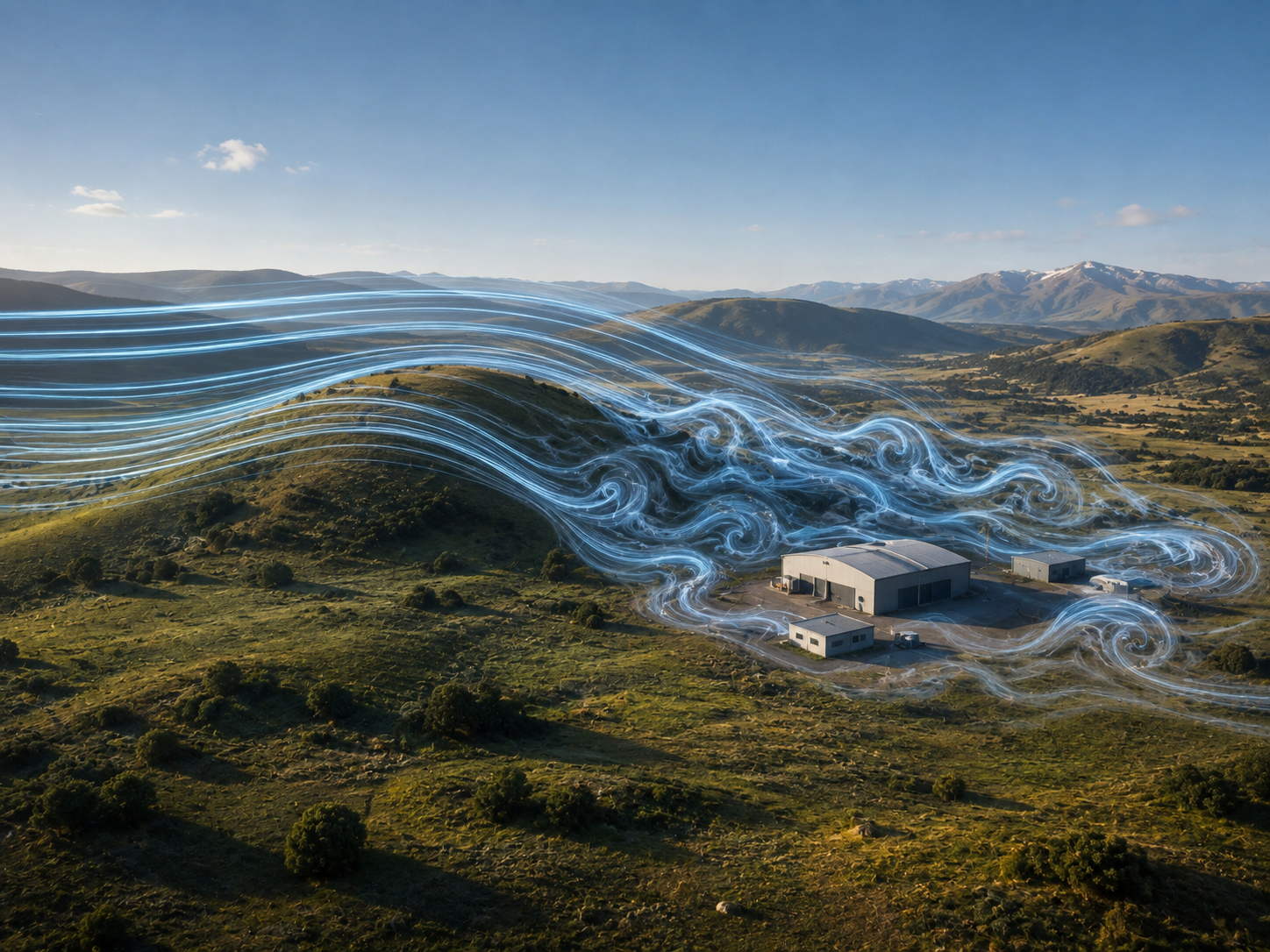
Mechanical turbulence occurs when wind flows around obstacles such as hills, buildings, forests, or mountains.
As the airflow encounters these obstacles, it becomes disturbed, creating irregular air movement on the downwind side.
This type of turbulence is most common during takeoff and landing because aircraft operate at lower altitudes where terrain has a greater influence on airflow.
Although passengers may notice brief bumps, pilots are familiar with these conditions and account for them during flight planning.
4. Mountain Wave Turbulence
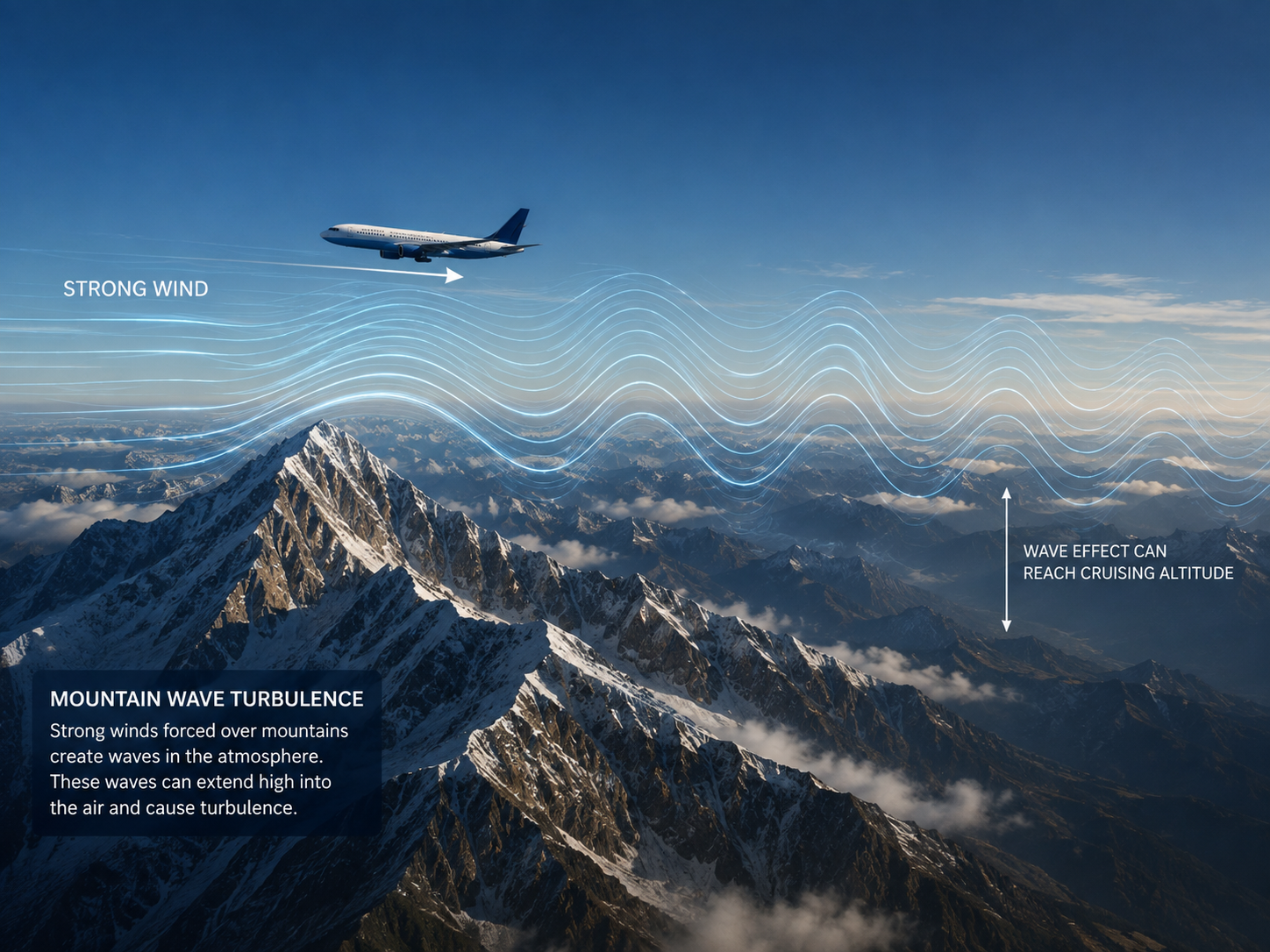
Mountain ranges can also influence airflow and create turbulence. When strong winds encounter mountains, the air is forced upward before descending on the opposite side. This movement creates a series of atmospheric waves known as mountain waves.
These waves can extend for many kilometers downwind of the mountains and sometimes reach the cruising altitude of commercial aircraft. Even when the weather appears calm, mountain wave turbulence may still be present.
Regions near the Rocky Mountains, the Andes, the Alps, and mountain ranges in Scandinavia can experience this type of turbulence under suitable weather conditions.
5. Wake Turbulence
Not all turbulence is caused by weather.
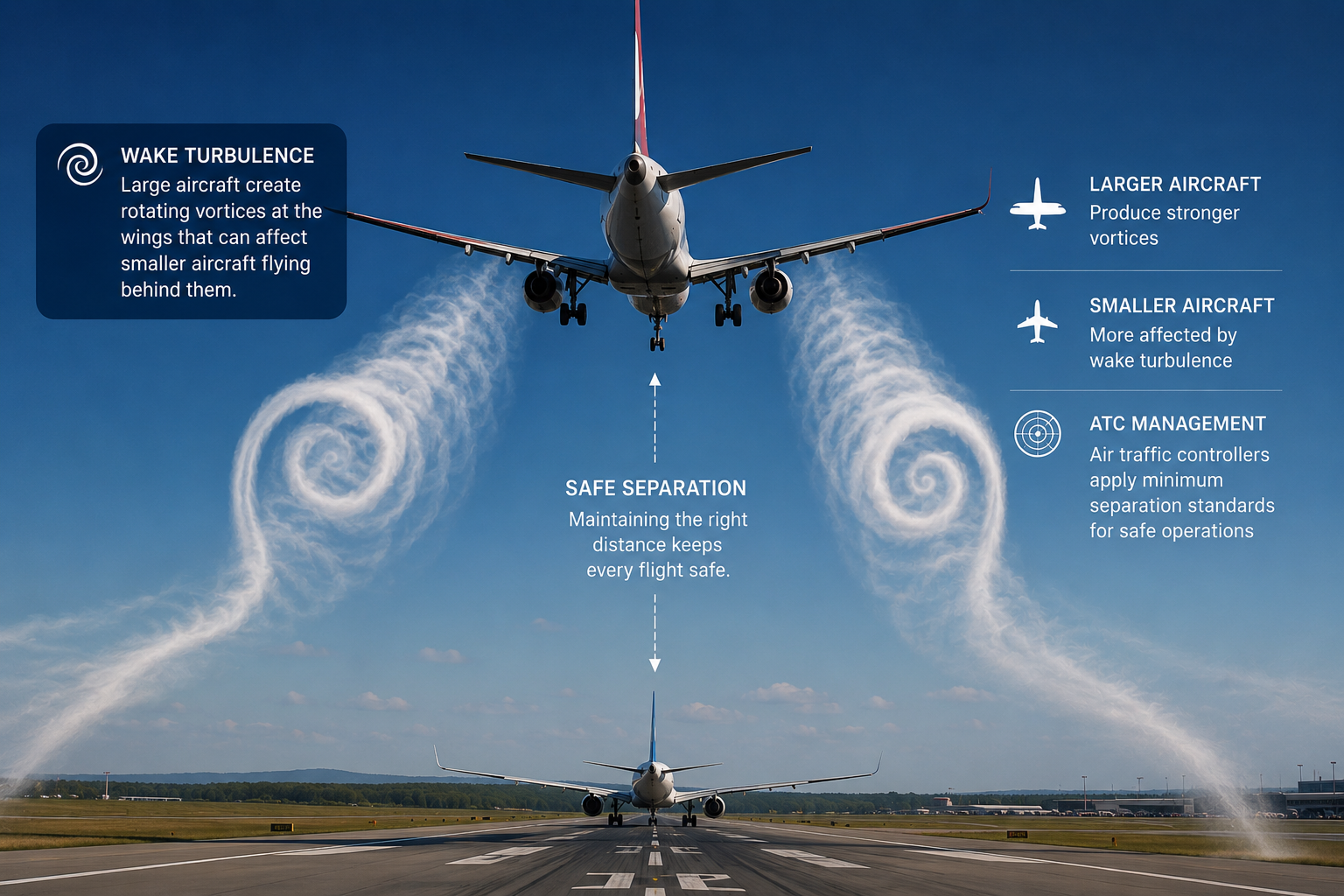
Every aircraft produces rotating air currents behind its wings called wingtip vortices. These swirling air patterns are known as wake turbulence.
Larger aircraft generate stronger vortices than smaller aircraft. For this reason, air traffic controllers maintain minimum separation distances between aircraft during takeoff, landing, and flight.
Wake turbulence is carefully managed through internationally established separation standards developed by the International Civil Aviation Organization (ICAO).
Although passengers rarely notice wake turbulence, pilots and air traffic controllers monitor it continuously to ensure safe aircraft separation.
How Do Pilots Avoid Turbulence?
One common misconception is that pilots simply react when turbulence occurs.
In reality, avoiding turbulence begins long before the aircraft leaves the ground.
Before every flight, pilots receive detailed weather briefings containing information about:
- Jet streams
- Thunderstorms
- Wind conditions
- Areas of reported turbulence
- Volcanic ash
- Significant weather systems
During the flight, crews continuously monitor:
- Onboard weather radar
- Air Traffic Control updates
- Reports from aircraft flying ahead
- Weather forecasting systems
If turbulence is expected, pilots may request:
- A different cruising altitude
- An alternative route
- Speed adjustments
However, not all turbulence can be avoided. Clear-Air Turbulence, for example, often develops without visible clouds, making it difficult to detect before entering the affected area.
Can Turbulence Damage an Airplane?
This is perhaps the biggest fear among airline passengers.
The simple answer is:
Modern commercial aircraft are designed and certified to withstand turbulence.
Aircraft manufacturers such as Airbus and Boeing test their aircraft extensively before certification. Wings undergo rigorous structural testing and are designed to flex significantly under load rather than remain completely rigid.
In fact, aircraft wings are engineered to bend because flexibility helps absorb aerodynamic forces.
While extreme turbulence may occasionally require inspections after landing, structural damage resulting from turbulence is very rare in commercial aviation.
According to the FAA, the greatest danger associated with turbulence is injury to unrestrained passengers or crew, not failure of the aircraft itself.
Why You Should Always Wear Your Seatbelt
Although pilots work hard to avoid turbulence, unexpected bumps can occur at any time.
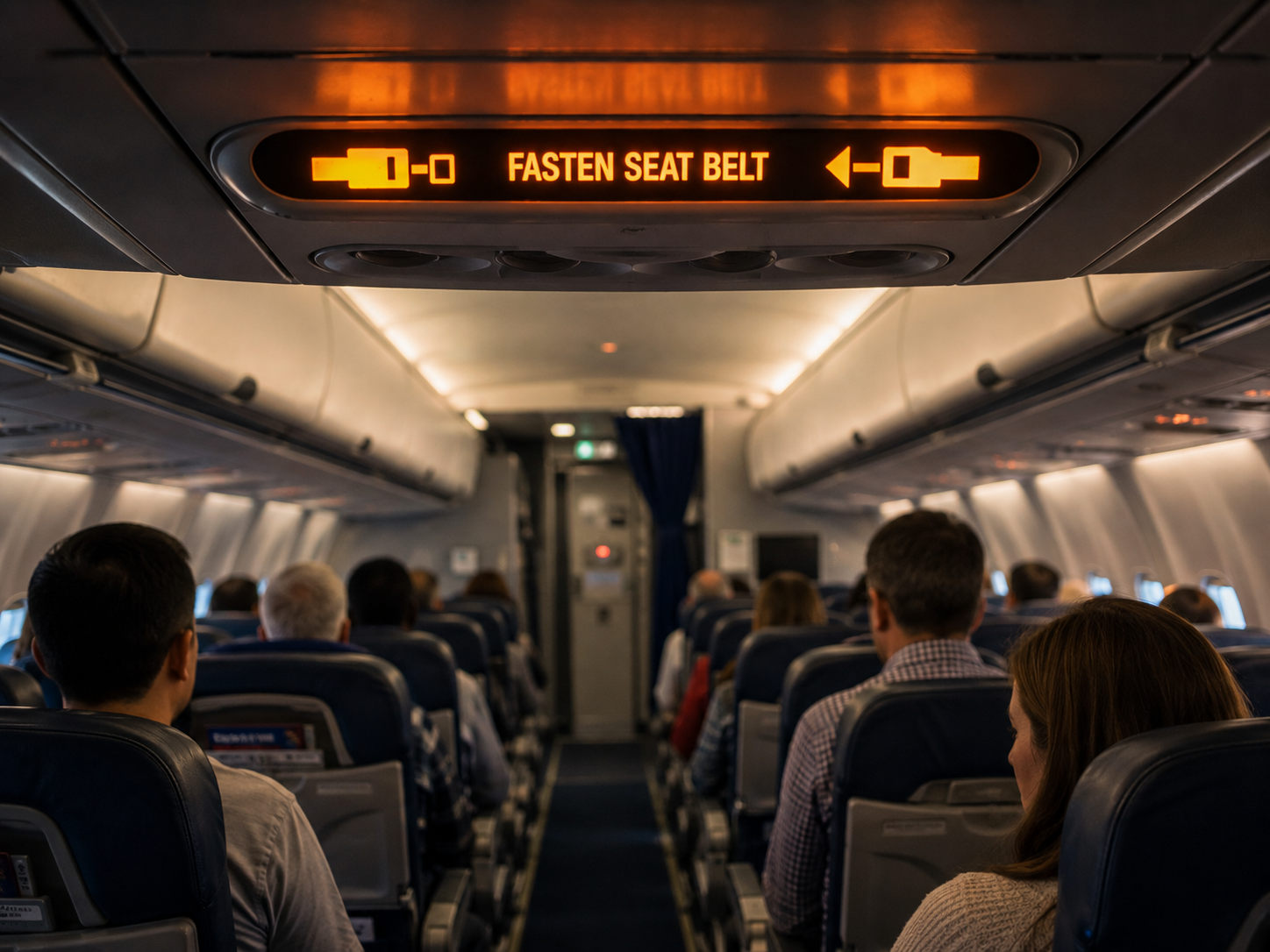
For this reason, aviation authorities recommend keeping your seatbelt fastened whenever you are seated, even if the seatbelt sign is turned off.
Most serious passenger injuries related to turbulence occur when people are:
- Walking through the cabin
- Standing in the aisle
- Using the lavatory
- Not wearing their seatbelt while seated
A securely fastened seatbelt is one of the simplest and most effective ways to stay safe during flight.
Is Climate Change Affecting Turbulence?
Scientists continue to study the relationship between climate change and atmospheric conditions.
Some peer-reviewed research suggests that Clear-Air Turbulence may become more frequent or intense in certain regions because rising global temperatures can alter the behavior of jet streams.
However, researchers also emphasize that turbulence has always been a natural part of flying, and airlines continue to adapt by improving weather forecasting, aircraft technology, and operational planning.
Ongoing scientific research aims to improve the prediction of turbulence so that pilots can avoid affected areas more effectively.
Common Myths About Turbulence
Myth: Turbulence can make an airplane fall from the sky.
Fact: Aircraft remain safely airborne because their wings continue generating lift throughout turbulence.
Myth: Pilots lose control during turbulence.
Fact: Pilots remain in full control of the aircraft. Turbulence simply causes temporary movement as the aircraft passes through changing air currents.
Myth: Turbulence means something is wrong with the airplane.
Fact: Turbulence is usually caused by atmospheric conditions, not mechanical problems.
Myth: Severe turbulence is common.
Fact: Most turbulence encountered during commercial flights is classified as light or moderate. Severe turbulence is relatively uncommon.
Myth: Aircraft are not built for turbulence.
Fact: Modern commercial aircraft are specifically designed, tested, and certified to withstand loads significantly greater than those experienced during normal turbulence.
The Future of Turbulence Prediction
The aviation industry continues to invest in technologies that improve turbulence forecasting.
Researchers and airlines are using:
- Artificial Intelligence (AI)
- Satellite observations
- Enhanced weather models
- Real-time aircraft data sharing
- Improved atmospheric monitoring
These advances allow airlines to identify areas of turbulence more accurately and adjust routes when practical.
As forecasting technology improves, passengers can expect even smoother flights in the future.
Conclusion
Although turbulence may feel uncomfortable, it is a normal and expected part of air travel. It occurs because aircraft fly through an atmosphere that is constantly changing due to weather systems, wind patterns, mountains, and temperature differences.
Modern commercial aircraft are carefully engineered to withstand turbulence, and pilots receive extensive training to manage it safely. Long before passengers board, flight crews analyze weather forecasts, monitor atmospheric conditions, and plan routes designed to minimize turbulence whenever possible.
For passengers, understanding the science behind turbulence can replace fear with confidence. Rather than being a sign of danger, turbulence is usually nothing more than an aircraft moving through naturally changing air currents.
The next time your flight encounters a few bumps, remember that millions of passengers safely experience turbulence every year. Fastening your seatbelt, remaining calm, and trusting the expertise of the flight crew are the best ways to ensure a safe and comfortable journey.