The Northern Lights in Finland: Nature's Most Spectacular Light Show

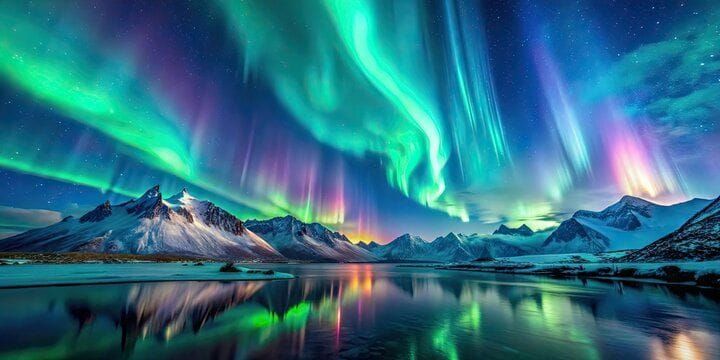
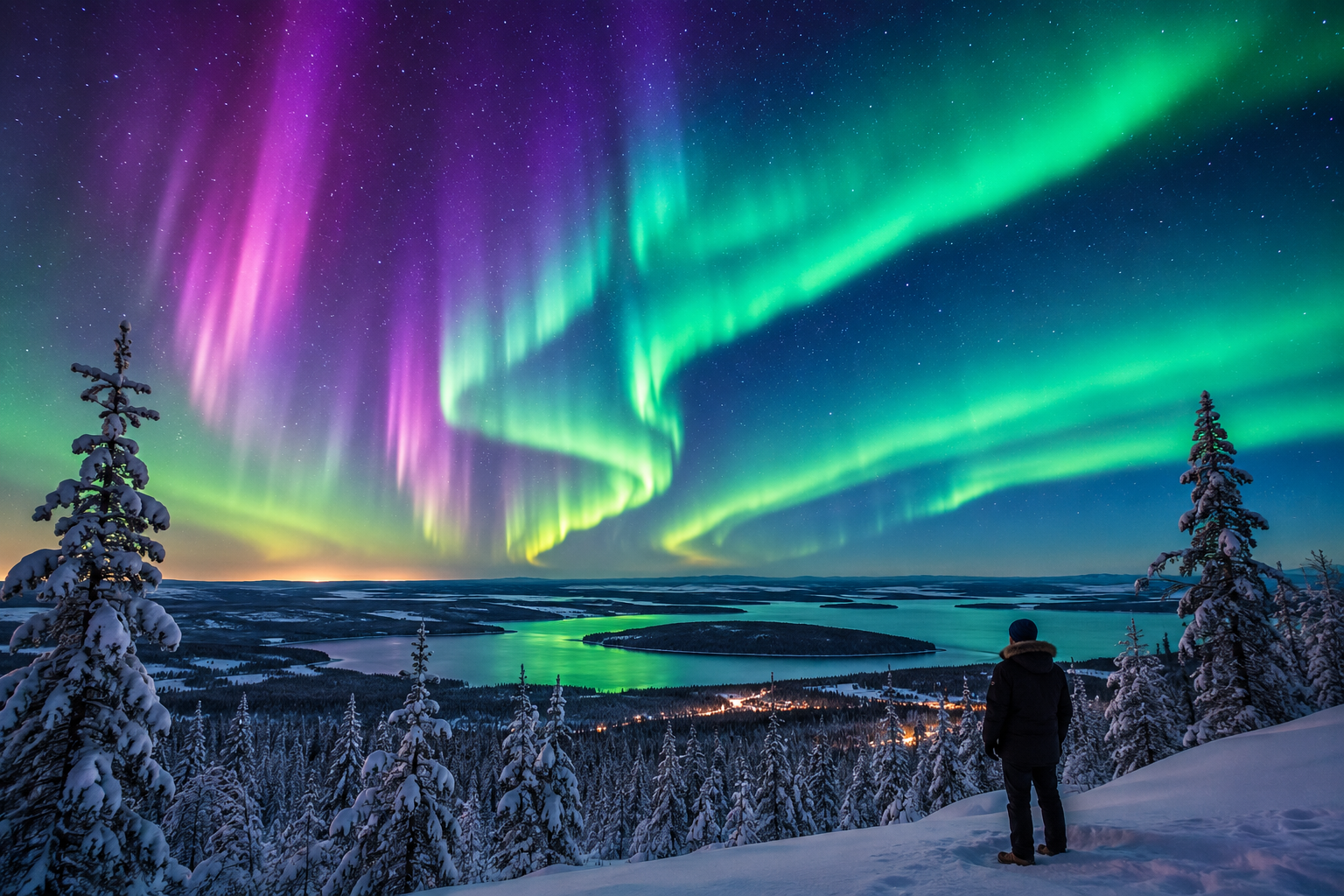
Few natural phenomena inspire as much wonder and fascination as the Northern Lights. Known scientifically as the Aurora Borealis, these dancing lights illuminate the night sky with shades of green, purple, pink, and red, creating one of nature's most spectacular displays.
Finland has become one of the world's most sought-after destinations for witnessing the Northern Lights. Located near the Arctic Circle, the country offers ideal conditions for observing this extraordinary phenomenon, attracting thousands of visitors every year.
For many travelers, seeing the Aurora Borealis is a lifelong dream. Beyond its beauty, the Northern Lights represent a remarkable combination of science, culture, and natural wonder that continues to captivate people from every corner of the globe.
What Are the Northern Lights?
The Northern Lights occur when charged particles released by the Sun collide with gases in Earth's atmosphere. These particles travel through space as solar wind and are guided toward Earth's polar regions by the planet's magnetic field.
When these particles interact with oxygen and nitrogen high above the Earth, they produce colorful displays of light. Green is the most common color because oxygen molecules emit green light at altitudes of approximately 100 to 300 kilometers. Purple, pink, and red colors can also appear depending on atmospheric conditions and the types of gases involved.
Although scientists understand the process today, witnessing the Aurora Borealis remains a magical experience.
Why Finland Is One of the Best Places to See the Northern Lights
Finland's northern location makes it one of the best countries in the world for Aurora viewing. Much of Finnish Lapland lies directly beneath the auroral zone, where Northern Lights activity occurs most frequently.
The region's vast wilderness areas, low population density, and minimal light pollution create excellent viewing conditions. Unlike many urban areas around the world, visitors in Lapland can experience exceptionally dark skies that allow the Aurora to shine brightly.
In northern Lapland, the Northern Lights can be seen on approximately 200 nights per year when skies are clear. This reliability has helped establish Finland as a leading destination for Aurora tourism.
Best Places in Finland to Experience the Northern Lights
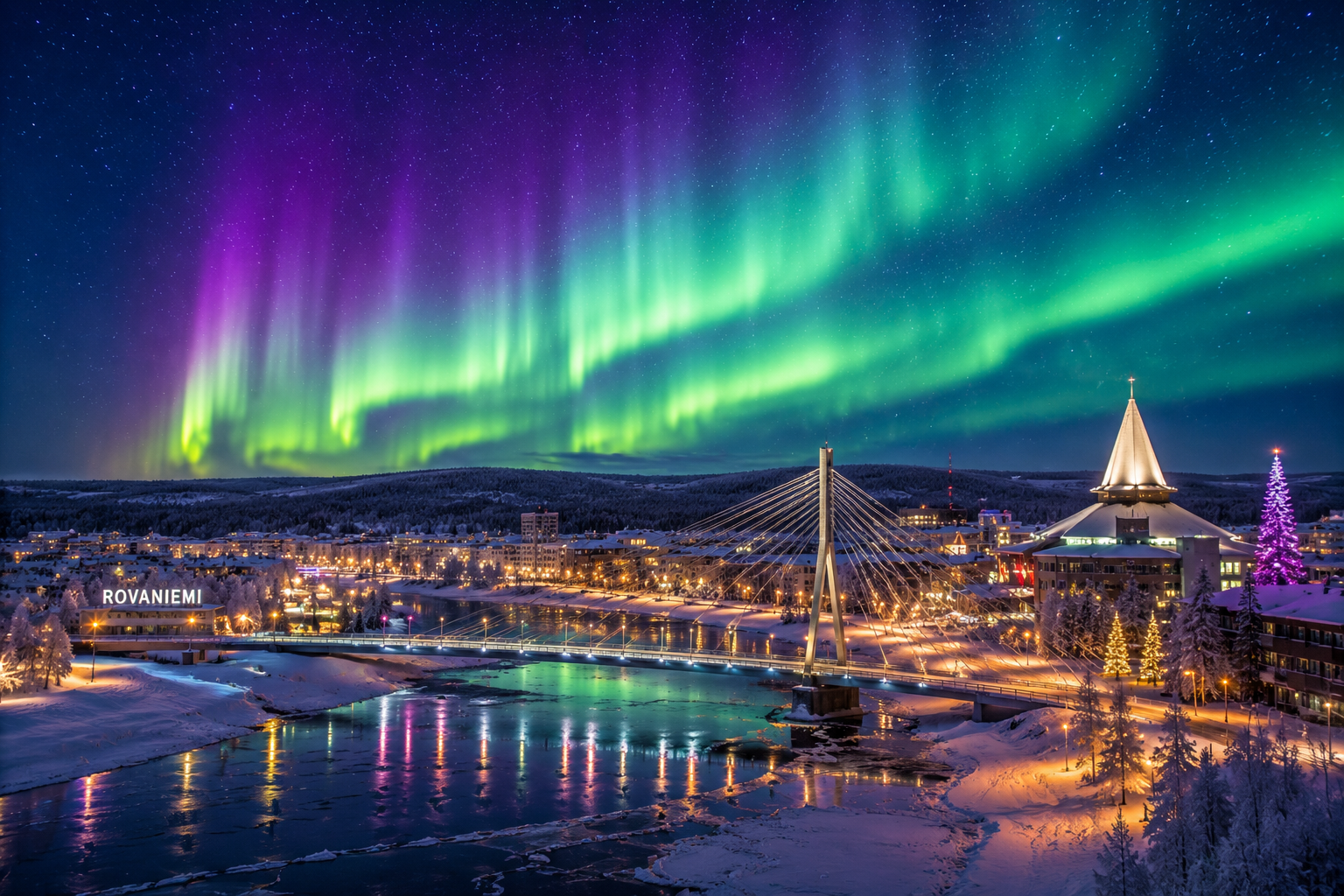
Rovaniemi
Located directly on the Arctic Circle, Rovaniemi serves as the capital of Finnish Lapland and one of the country's most popular tourist destinations. The city offers a unique combination of modern amenities and access to the Arctic wilderness.
Saariselkä
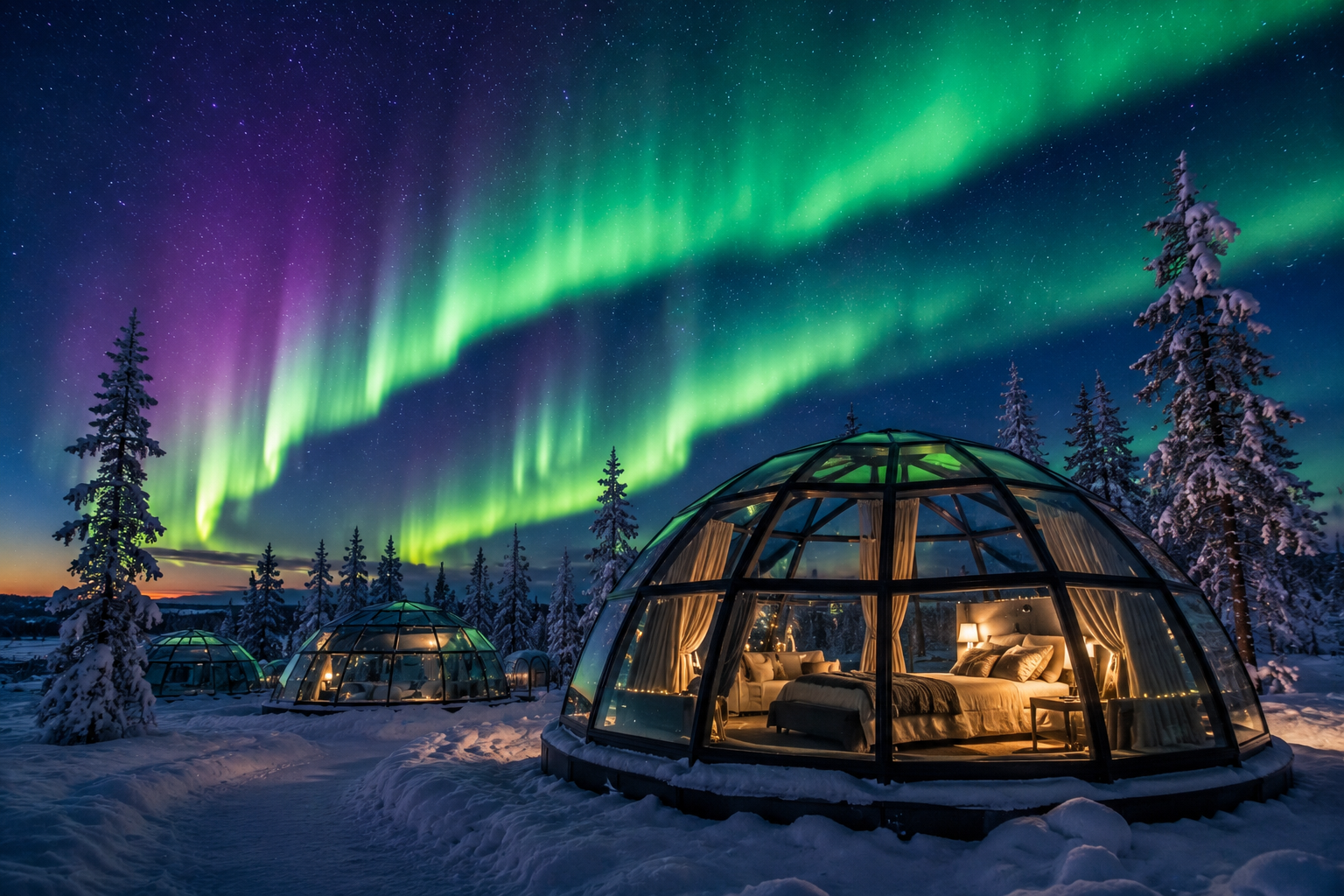
Saariselkä is renowned for its dark skies, remote landscapes, and specialized Aurora tourism services. The area features numerous glass cabins and wilderness lodges designed specifically for Northern Lights viewing.
Levi
Known as Finland's largest ski resort, Levi attracts visitors year-round. During winter, its surrounding wilderness provides excellent opportunities to observe the Aurora.
Kilpisjärvi
Located in Finland's far northwest, Kilpisjärvi experiences some of the country's highest levels of Aurora activity due to its geographical location and favorable climate.
The Best Time to See the Northern Lights
The Northern Lights season in Finland generally runs from late August to early April. During this period, darkness returns to the Arctic skies, creating suitable conditions for Aurora observation.
The strongest viewing opportunities often occur during September, October, February, and March. Clear skies, strong solar activity, and minimal artificial light significantly increase the chances of seeing the lights.
Winter months also offer the added advantage of snow-covered landscapes that enhance the beauty of the experience.
Capturing the Aurora: Photography Tips
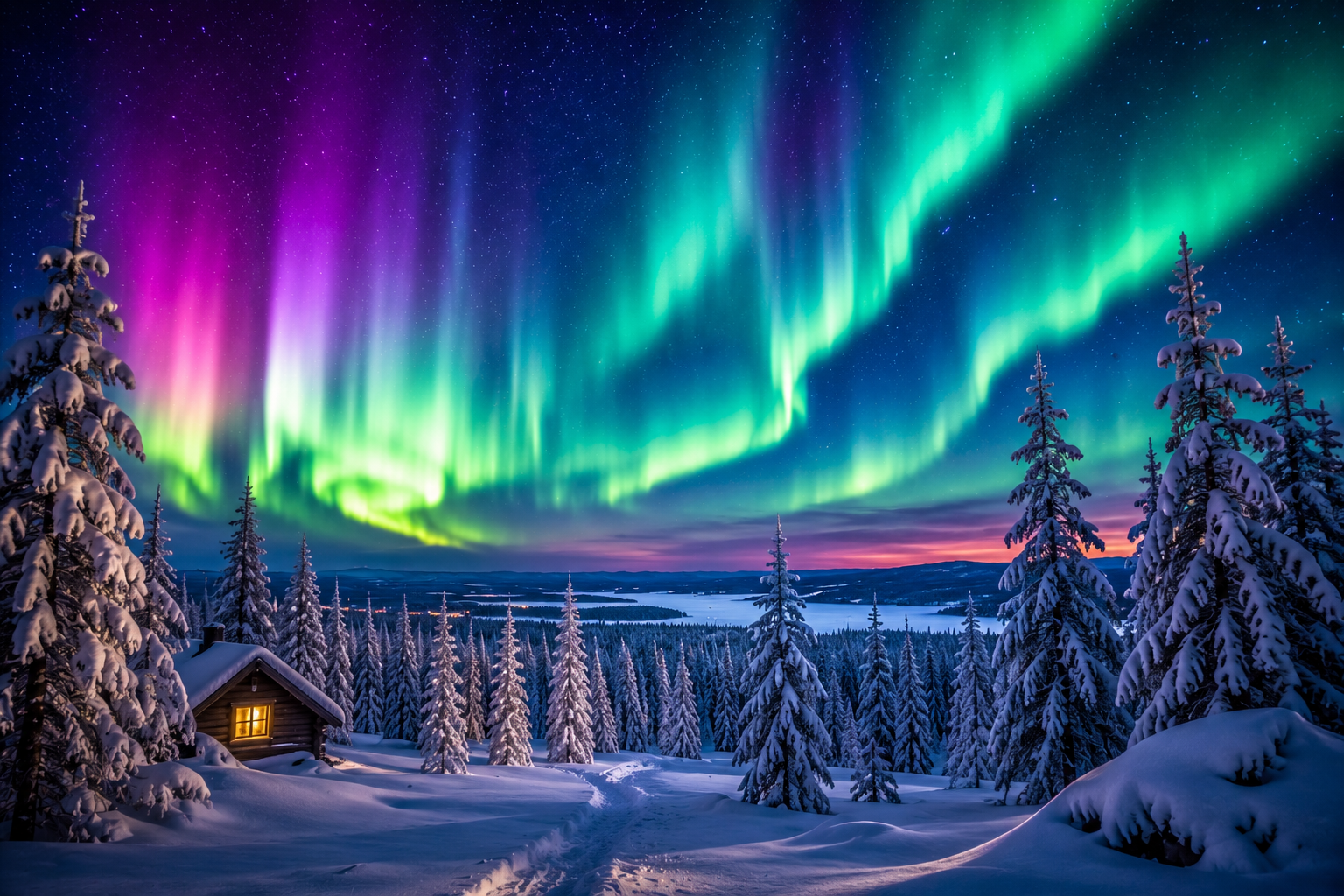
Photographing the Northern Lights has become increasingly popular among both amateur and professional photographers.
Successful Aurora photography typically requires:
- A tripod for stability
- Long exposure settings
- A location away from light pollution
- Warm clothing suitable for Arctic temperatures
- Patience and flexibility
Modern smartphones have improved significantly, but dedicated cameras still provide the best results for capturing the vivid colors and movement of the Aurora.
The Northern Lights in Finnish Folklore
Long before scientists understood the Aurora Borealis, Finnish people developed legends to explain the mysterious lights.
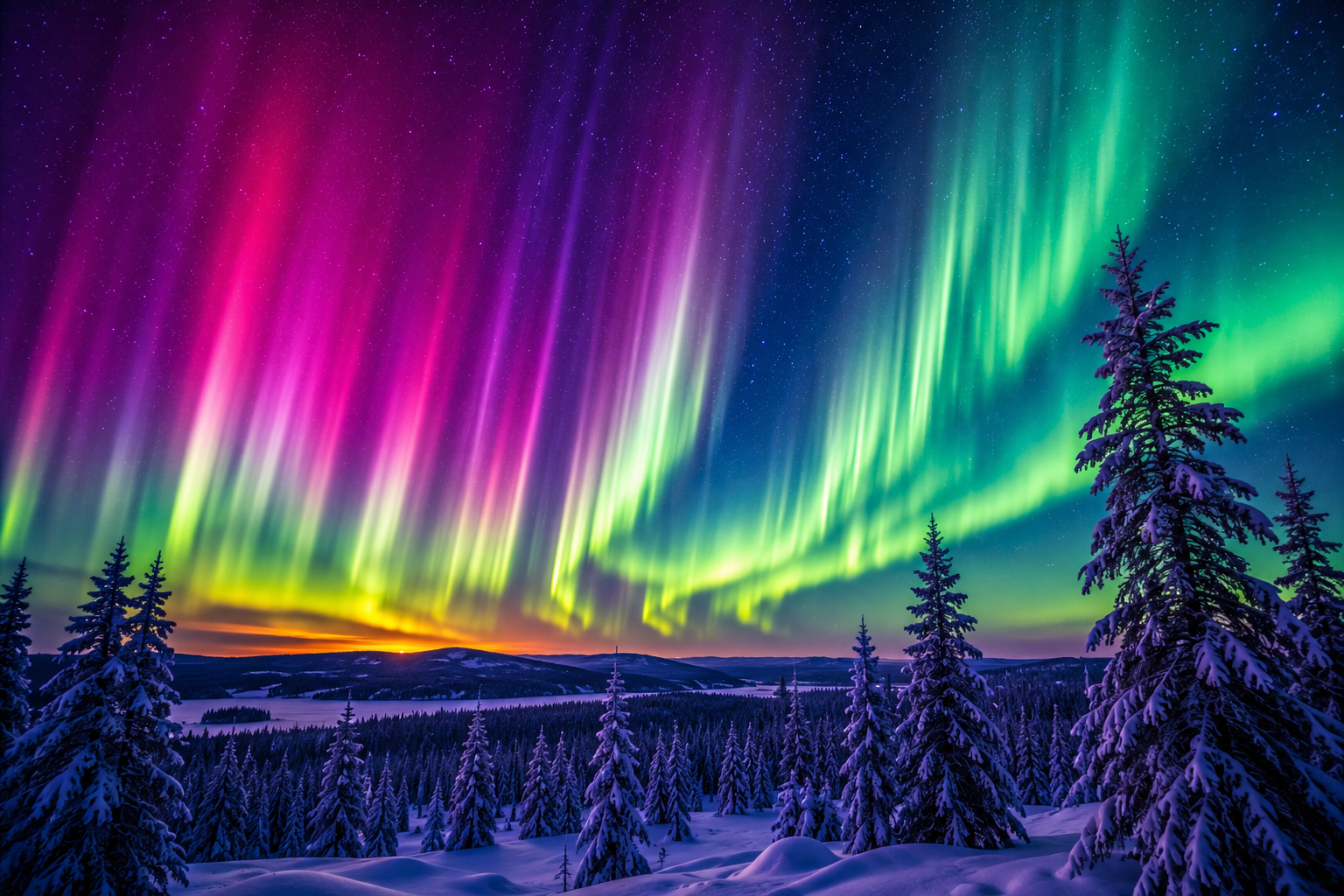
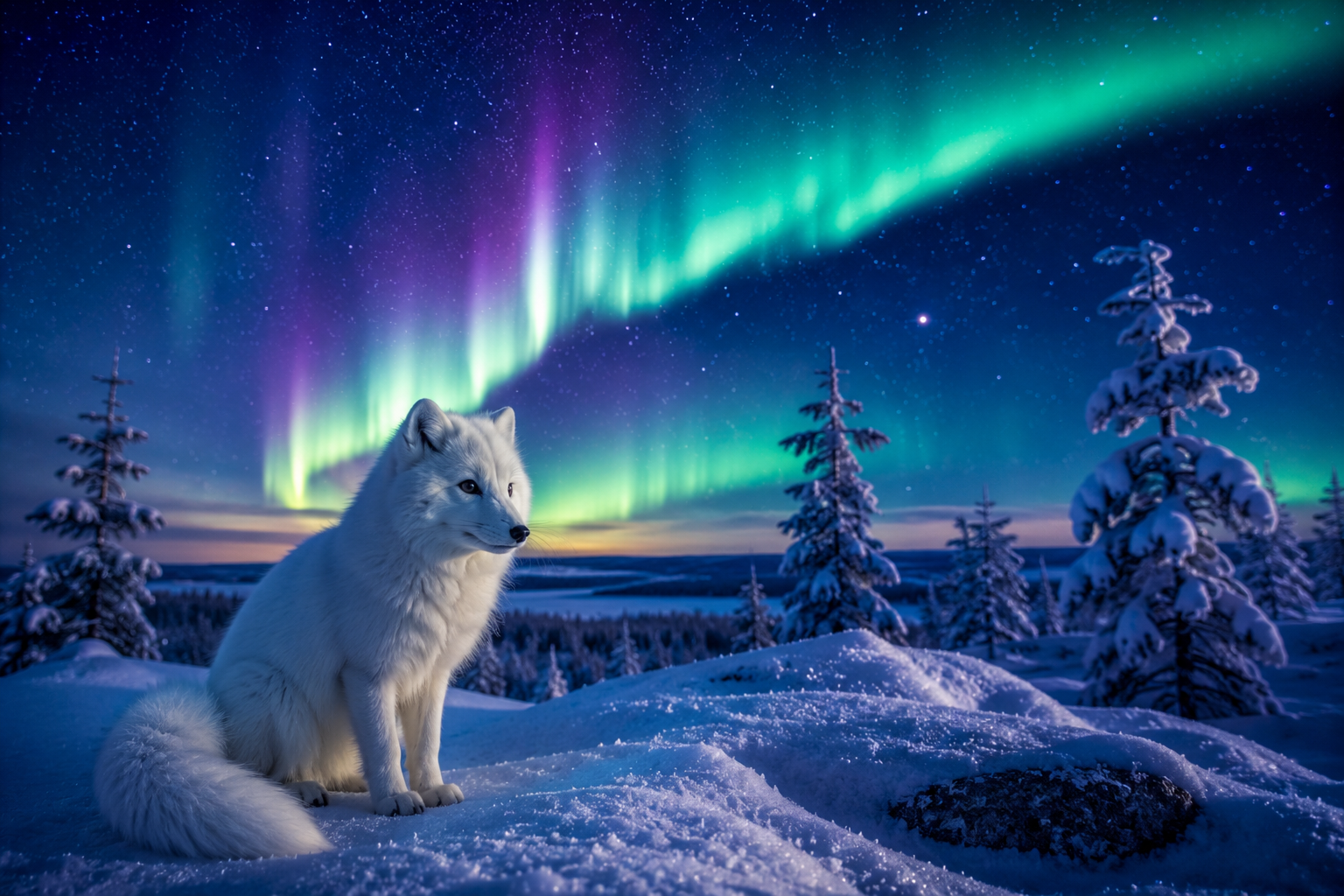
One of the most famous stories involves an Arctic fox running across the snowy hills of Lapland. According to folklore, the fox's tail swept snow crystals into the sky, creating sparks of light that became the Northern Lights. This legend gave rise to the Finnish word revontulet, meaning "fox fires."
Other traditions viewed the Aurora as spiritual signs or messages from the natural world. These stories remain an important part of Finnish cultural heritage and continue to fascinate visitors today.
Northern Lights Tourism and Economic Impact
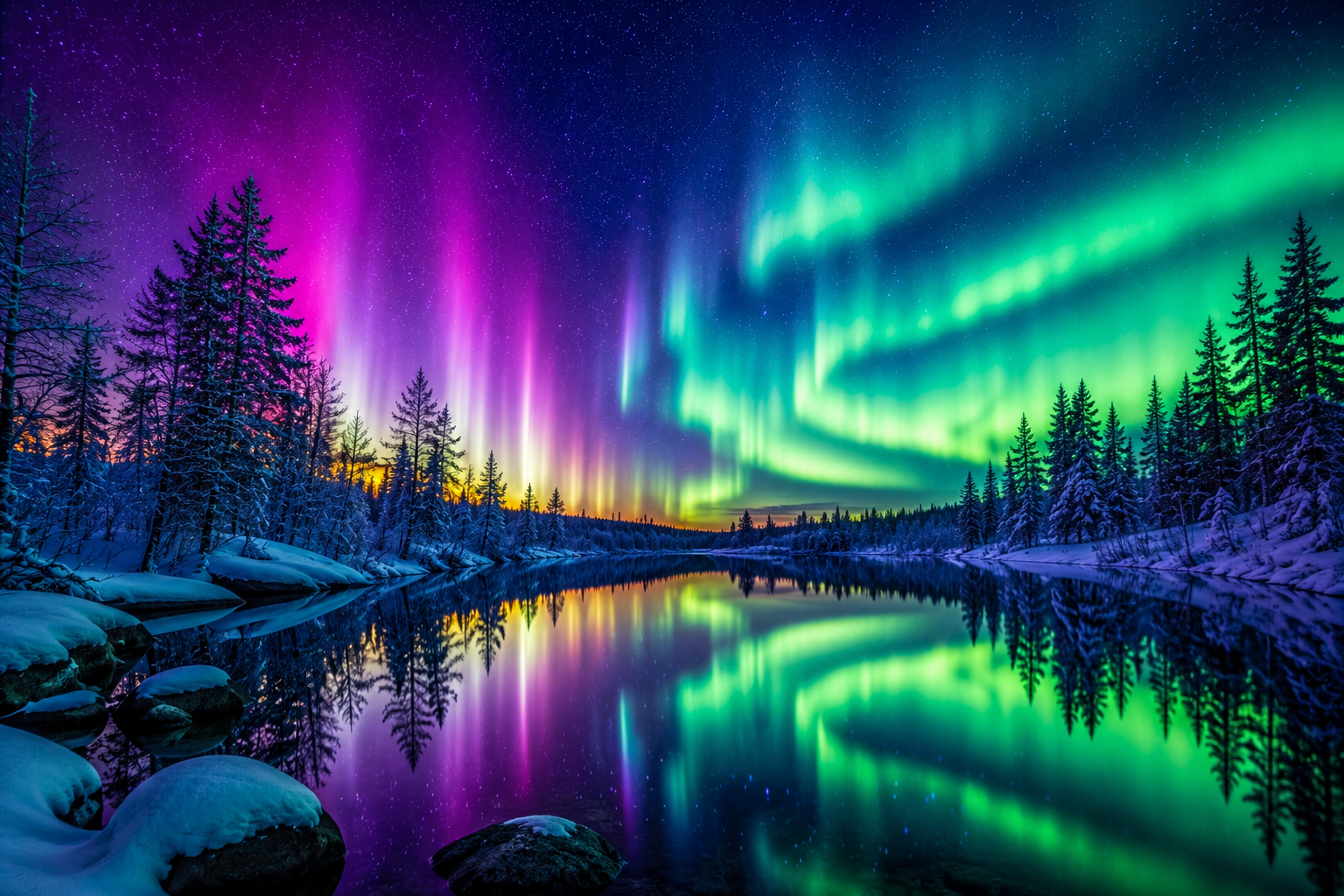
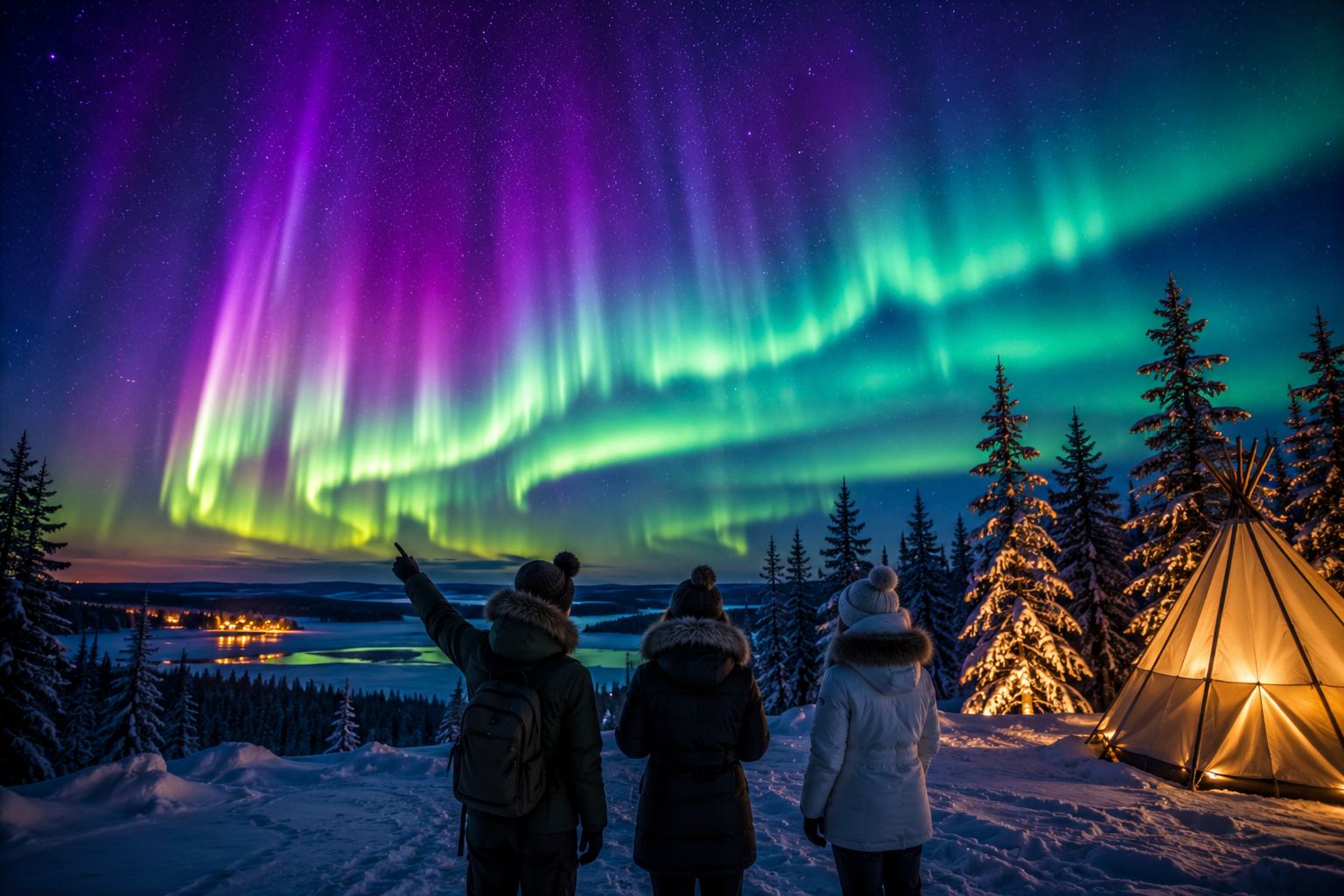
The Northern Lights have become one of Finland's most valuable tourism assets. Travelers from Europe, Asia, North America, and beyond visit Finnish Lapland every year hoping to witness the Aurora.
This growing interest supports hotels, restaurants, transportation providers, tour operators, photographers, and local businesses throughout northern Finland.
Many tourism operators now focus on sustainable tourism practices that allow visitors to experience the Arctic environment while minimizing environmental impact.
Conclusion
The Northern Lights are far more than a beautiful natural phenomenon. They represent a remarkable intersection of science, culture, history, and tourism that continues to inspire millions of people worldwide.
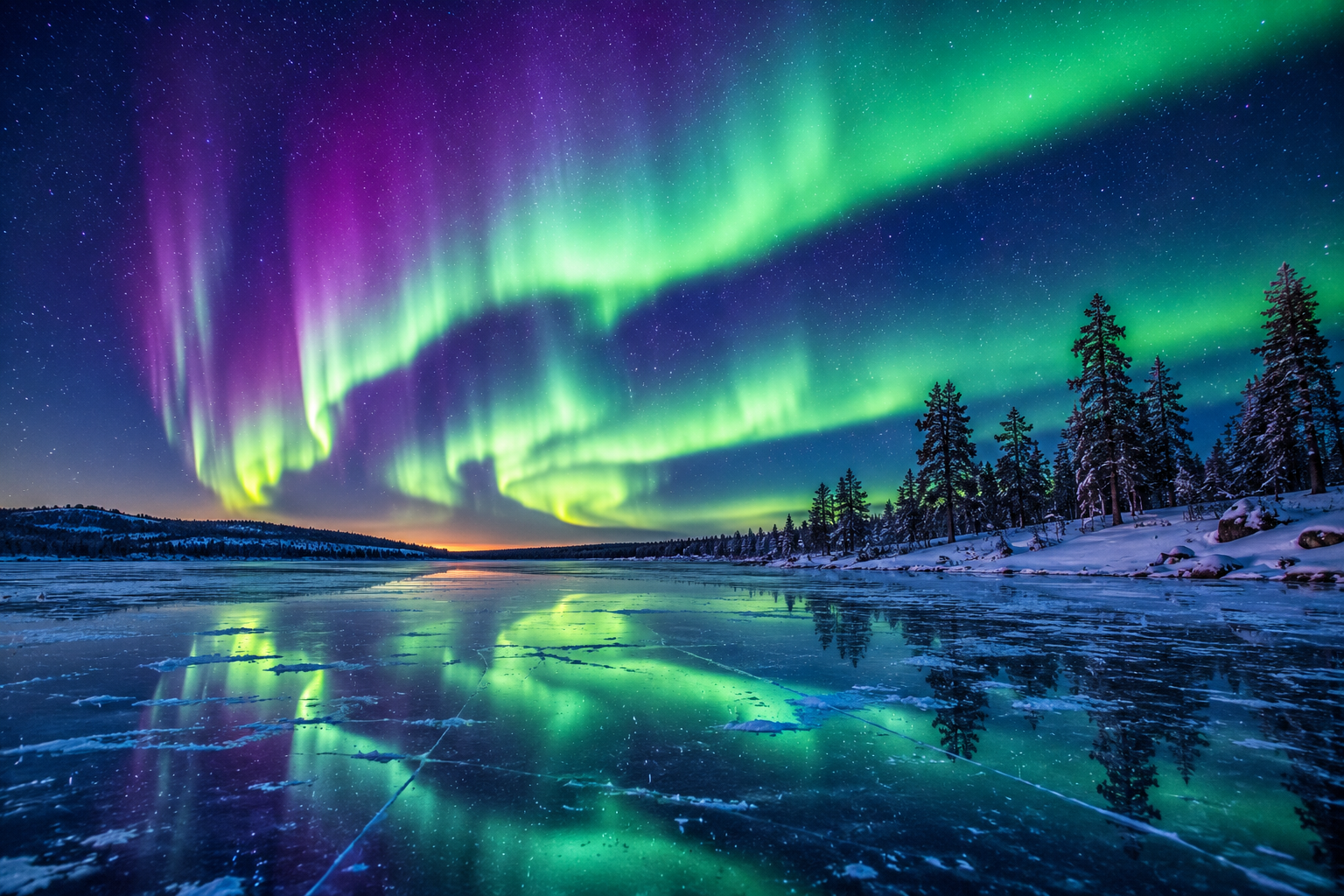
For Finland, the Aurora Borealis has become one of the country's most iconic attractions, drawing visitors to its Arctic landscapes year after year. Whether viewed from a frozen lake, a glass-roofed cabin, or beneath a sky filled with dancing colors, the experience leaves a lasting impression.
In an increasingly fast-paced world, the Northern Lights remind us of nature's extraordinary ability to inspire wonder, curiosity, and appreciation for the beauty of our planet. For anyone visiting Finland, witnessing the Aurora Borealis is an experience that will be remembered for a lifetime.
''Beneath the silent Arctic sky, the Northern Lights remind us that the universe still holds wonders beyond imagination, moments of beauty so profound that they stay in our hearts long after the colors fade from the night."