Poisonous Plants in Finland: Beautiful but Potentially Dangerous

Introduction
Finland is known for its pristine forests, clean lakes, and rich biodiversity. Every year, thousands of residents and visitors enjoy hiking, berry picking, camping, and exploring nature through Finland's unique Everyman's Right.
Although Finland's natural environment is generally safe, some plants contain toxins that can pose risks to humans and animals. Many of these species are surprisingly attractive, featuring colorful flowers, bright berries, and pleasant fragrances. Their beauty often hides the fact that they contain substances capable of causing illness, skin reactions, or poisoning.
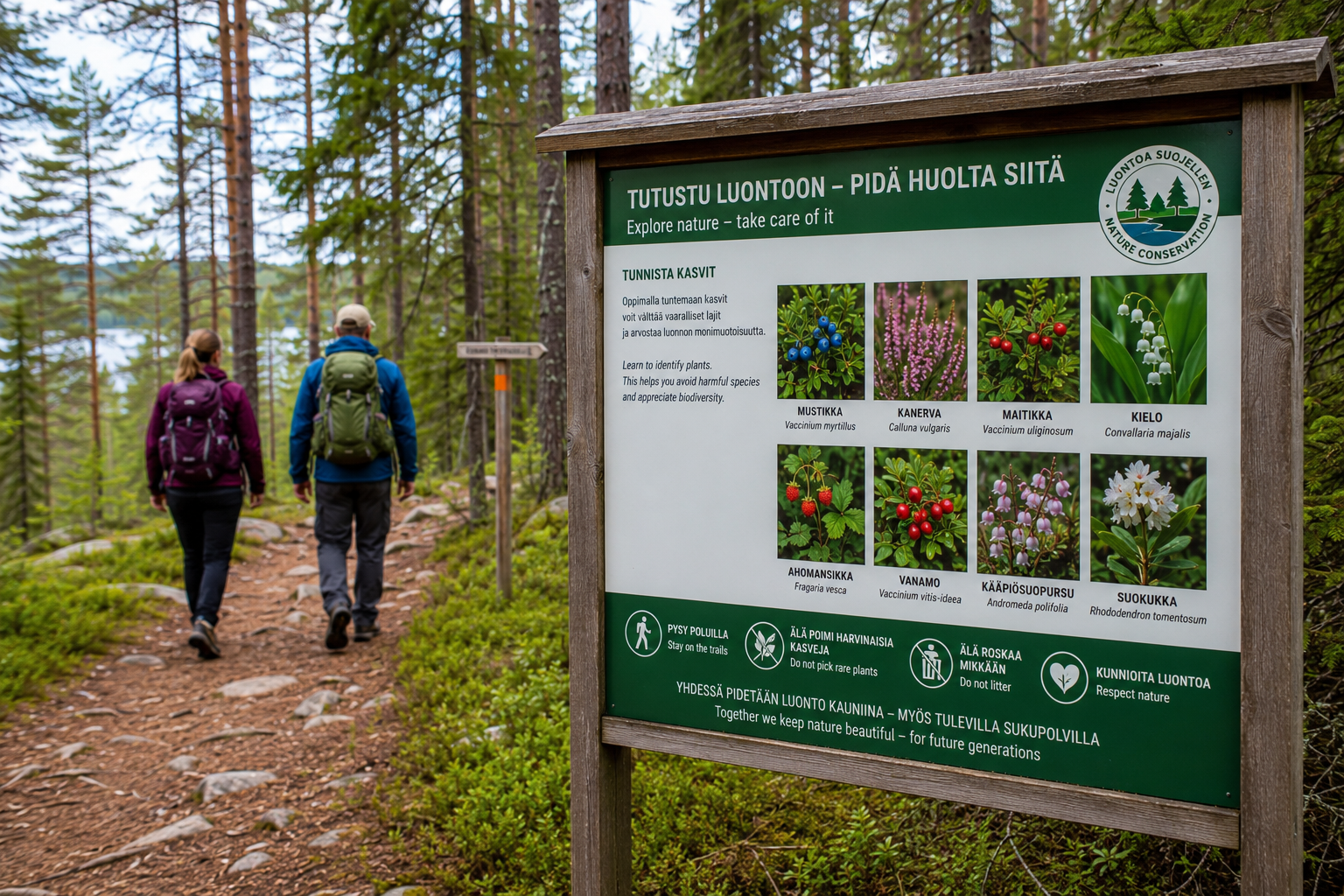
Understanding how to identify poisonous plants helps people enjoy Finland's natural landscapes safely while appreciating the country's biodiversity.
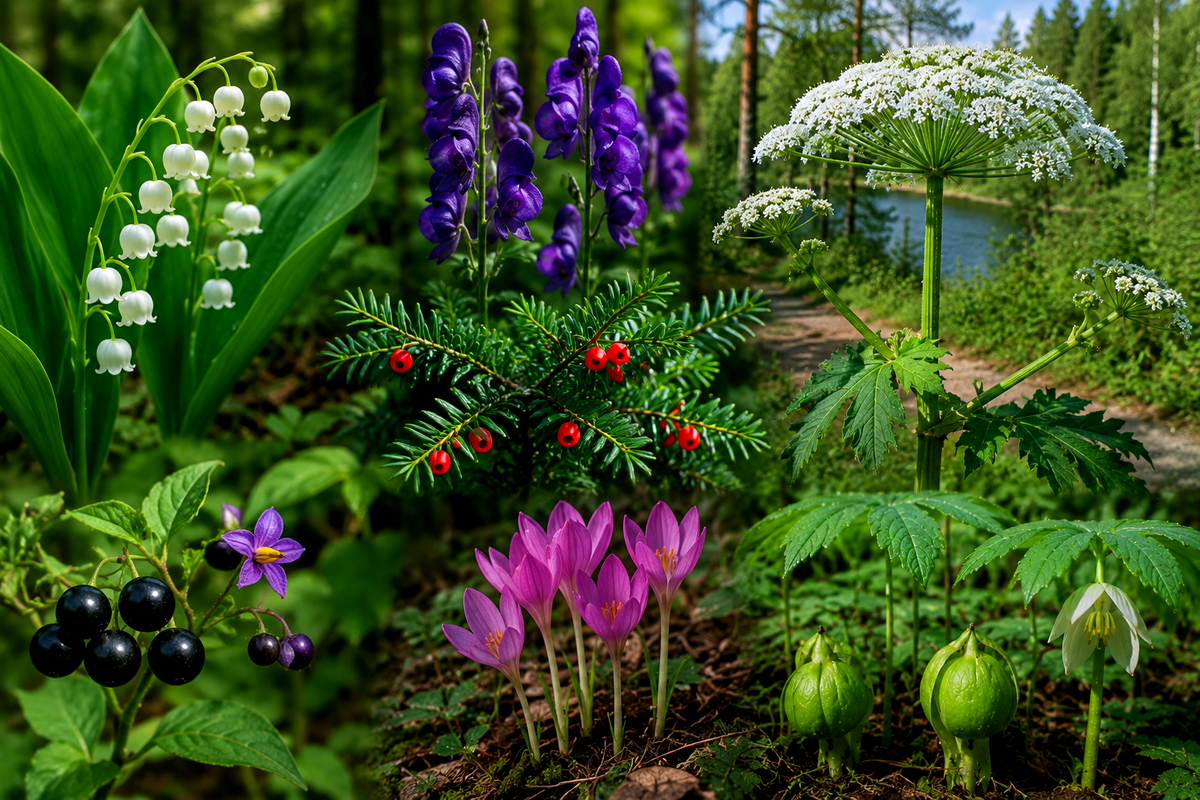
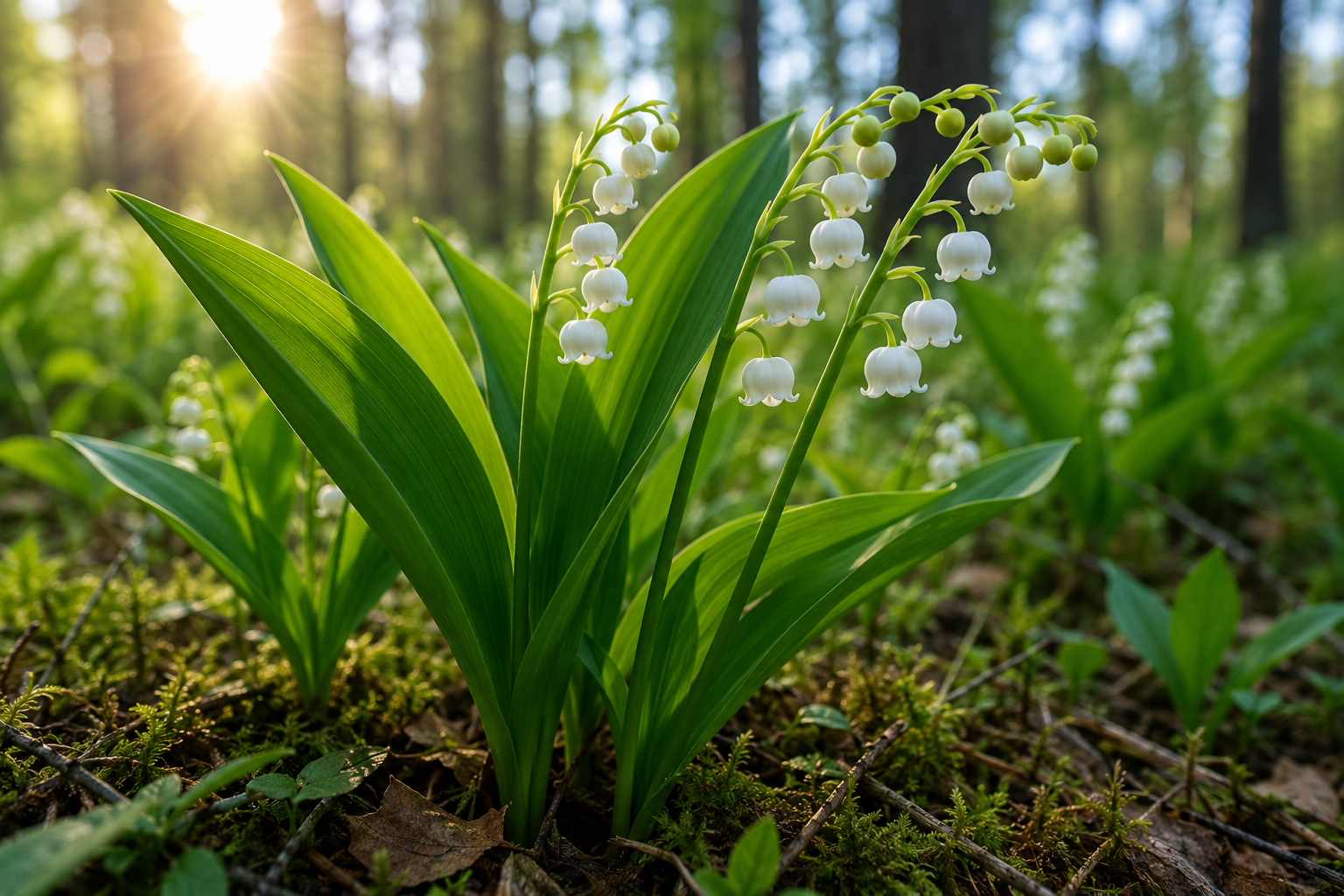
1. Lily of the Valley (Convallaria majalis)
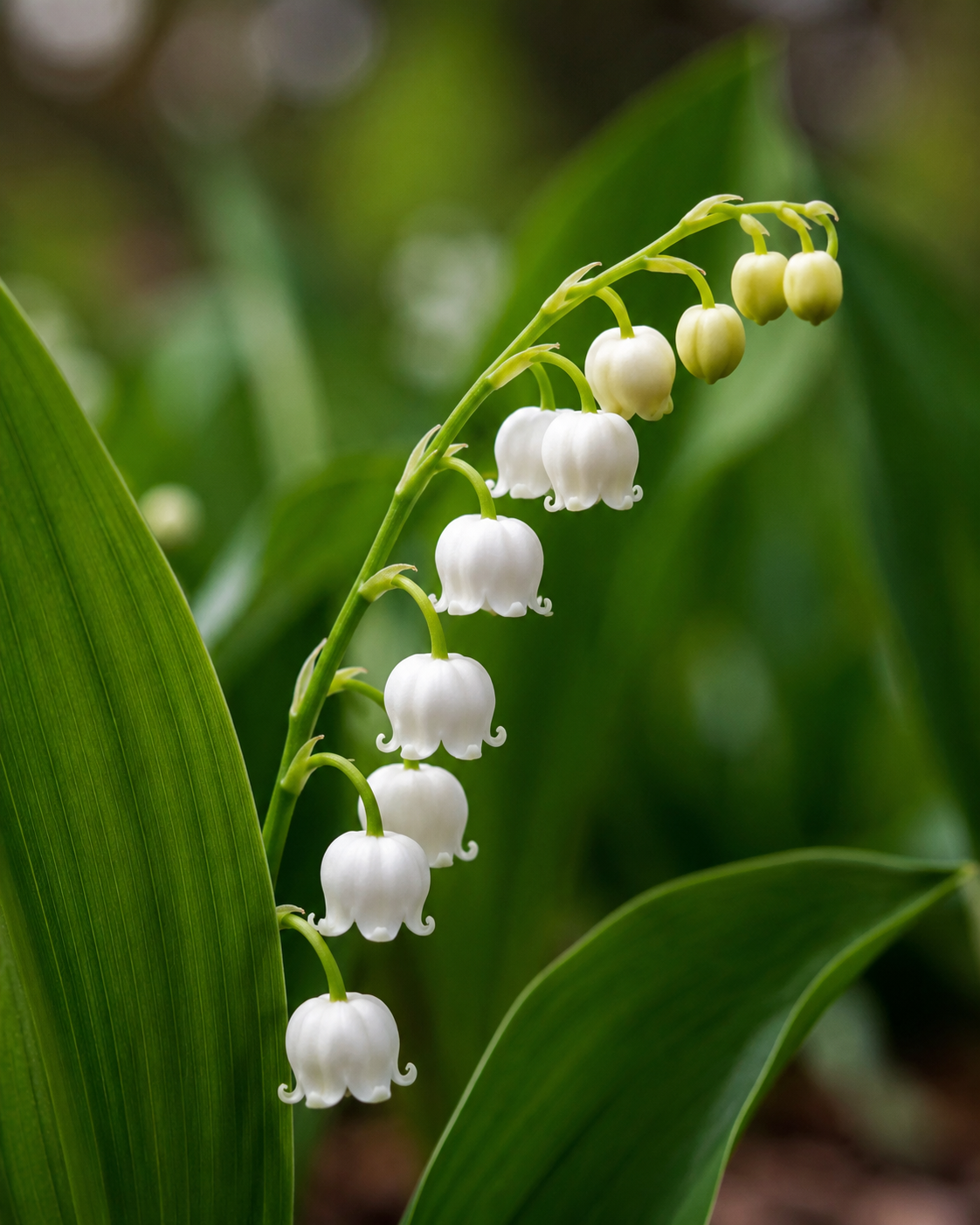
Lily of the Valley, known as kielo in Finnish, is Finland's national flower. The plant blooms during late spring and produces delicate white bell-shaped flowers with a pleasant fragrance.
Despite its popularity and beauty, every part of the plant contains cardiac glycosides that can affect heart function if consumed. Symptoms may include nausea, dizziness, vomiting, and irregular heartbeat. The bright red berries that appear later in the season can be especially attractive to children.
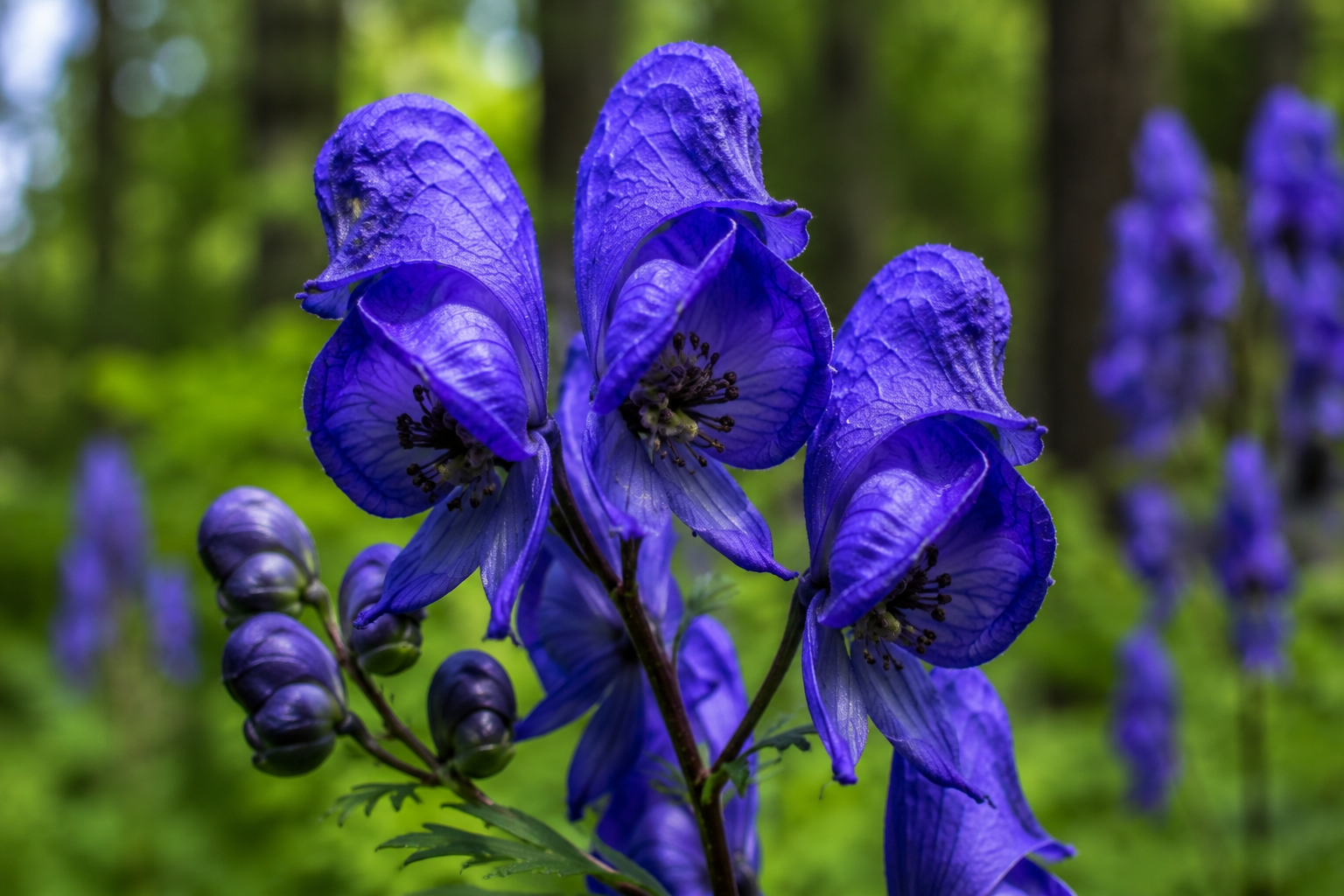
2. Monkshood (Aconitum species)
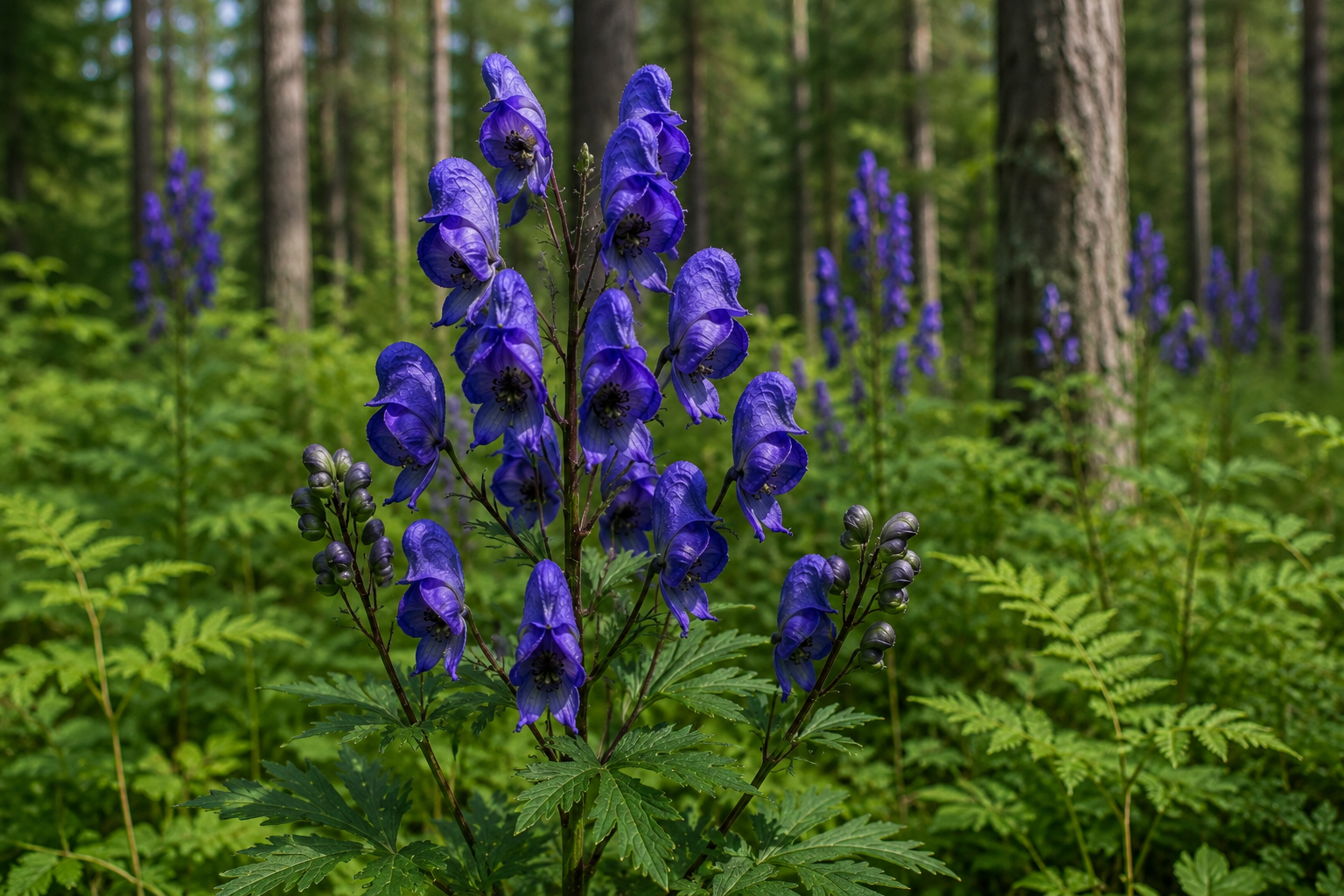
Monkshood, also known as wolfsbane, is often considered one of Europe's most poisonous flowering plants. Its striking blue-purple flowers make it popular in ornamental gardens.
The plant contains powerful alkaloids that can affect both the nervous system and cardiovascular system. Historically, monkshood was used in hunting poisons because of its potency. Even small amounts can be dangerous if ingested.
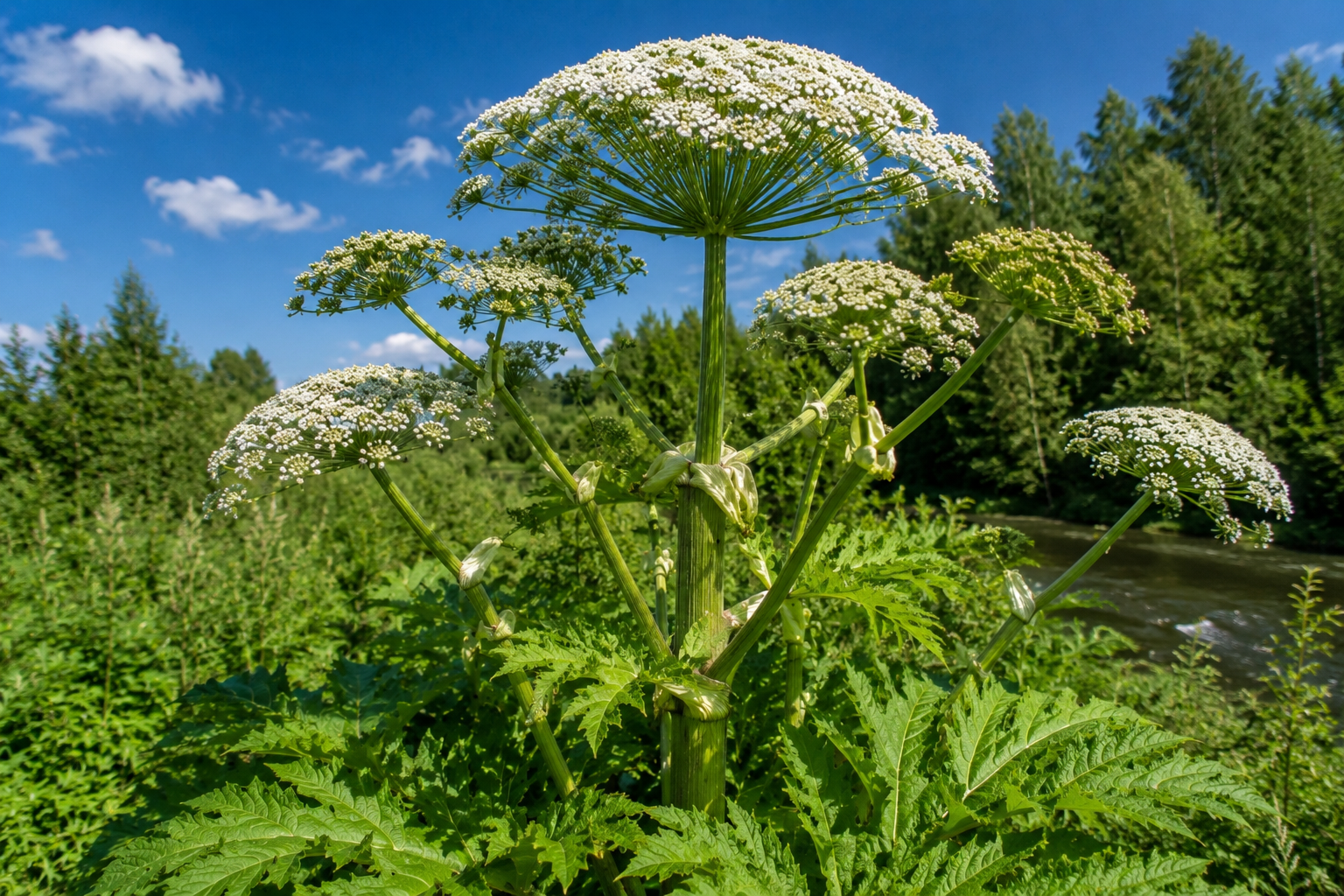
3. Giant Hogweed (Heracleum mantegazzianum)
Unlike many poisonous plants that are dangerous when consumed, Giant Hogweed can cause injuries through skin contact.
Originally introduced as an ornamental plant, it has become an invasive species in Finland. The plant's sap contains chemicals called furanocoumarins. When skin exposed to the sap comes into contact with sunlight, severe burns, blistering, and long-term skin damage may occur.
Because Giant Hogweed can grow over three meters tall, it is usually easy to recognize.
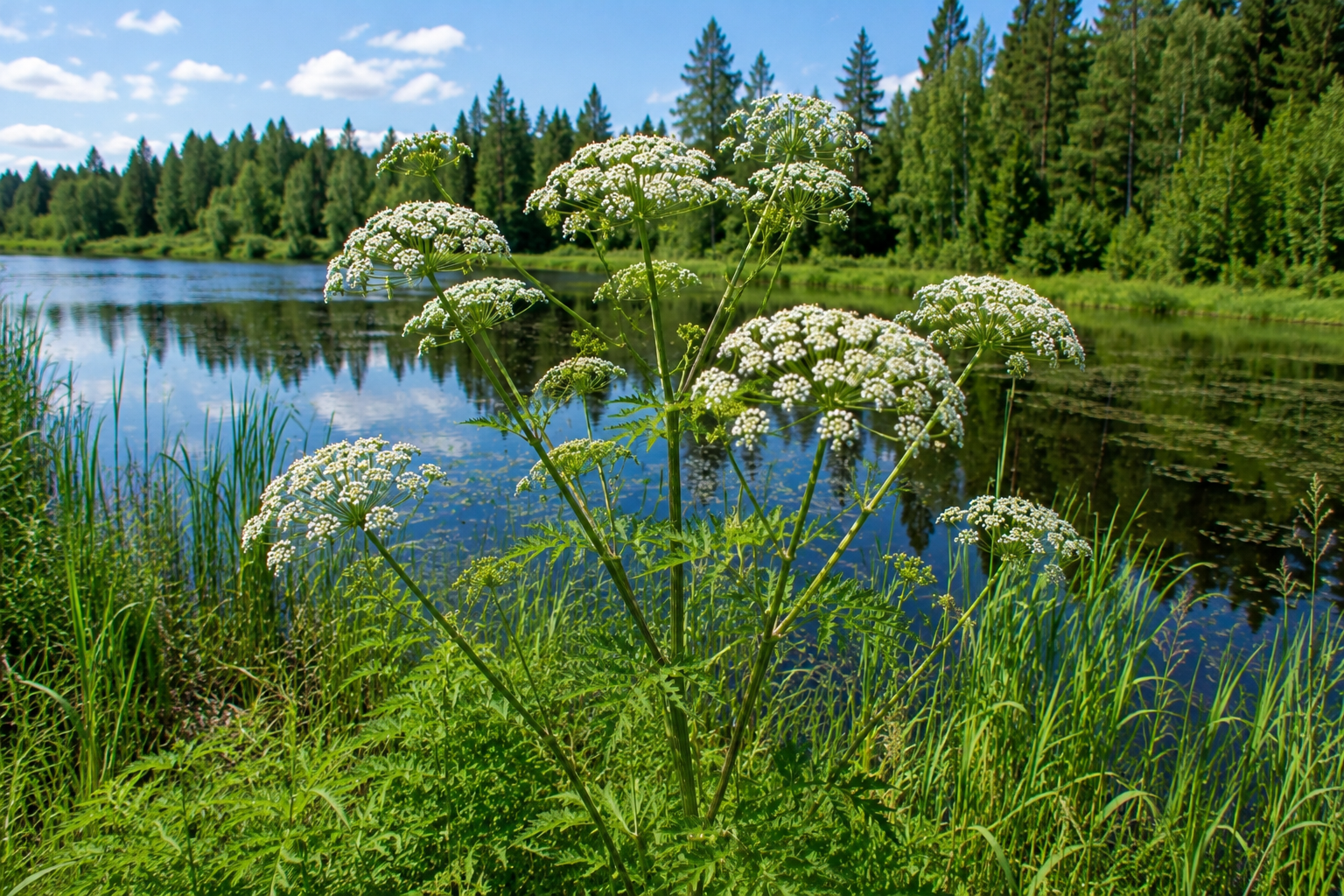
4. Water Hemlock (Cicuta virosa)
Water Hemlock is widely regarded as one of the most poisonous plants found in northern Europe. It commonly grows near wetlands, riverbanks, lakeshores, and marshy environments.
The plant contains cicutoxin, a highly dangerous compound that affects the central nervous system. Even small quantities can cause severe poisoning if consumed.
Fortunately, accidental exposure is rare because most people avoid eating unidentified wild plants.
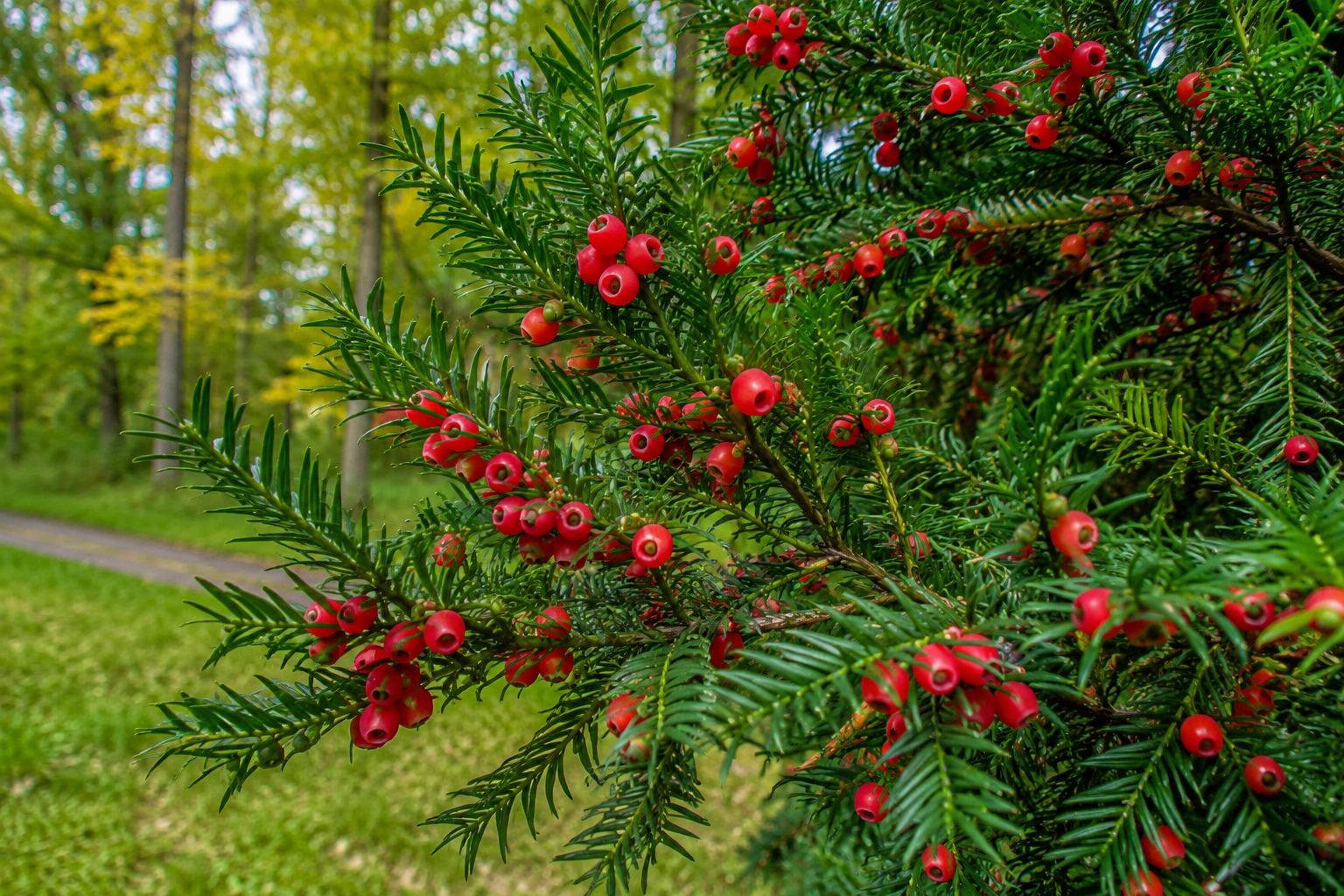
5. European Yew (Taxus baccata)
The European Yew is a popular ornamental tree known for its evergreen needles and bright red berry-like fruits.
Although the red fleshy outer covering is generally harmless, the seeds inside contain toxic compounds called taxines. The needles and bark are also poisonous and can affect heart function if consumed.
Parents and pet owners should be aware of the risks associated with yew trees commonly found in parks and gardens.
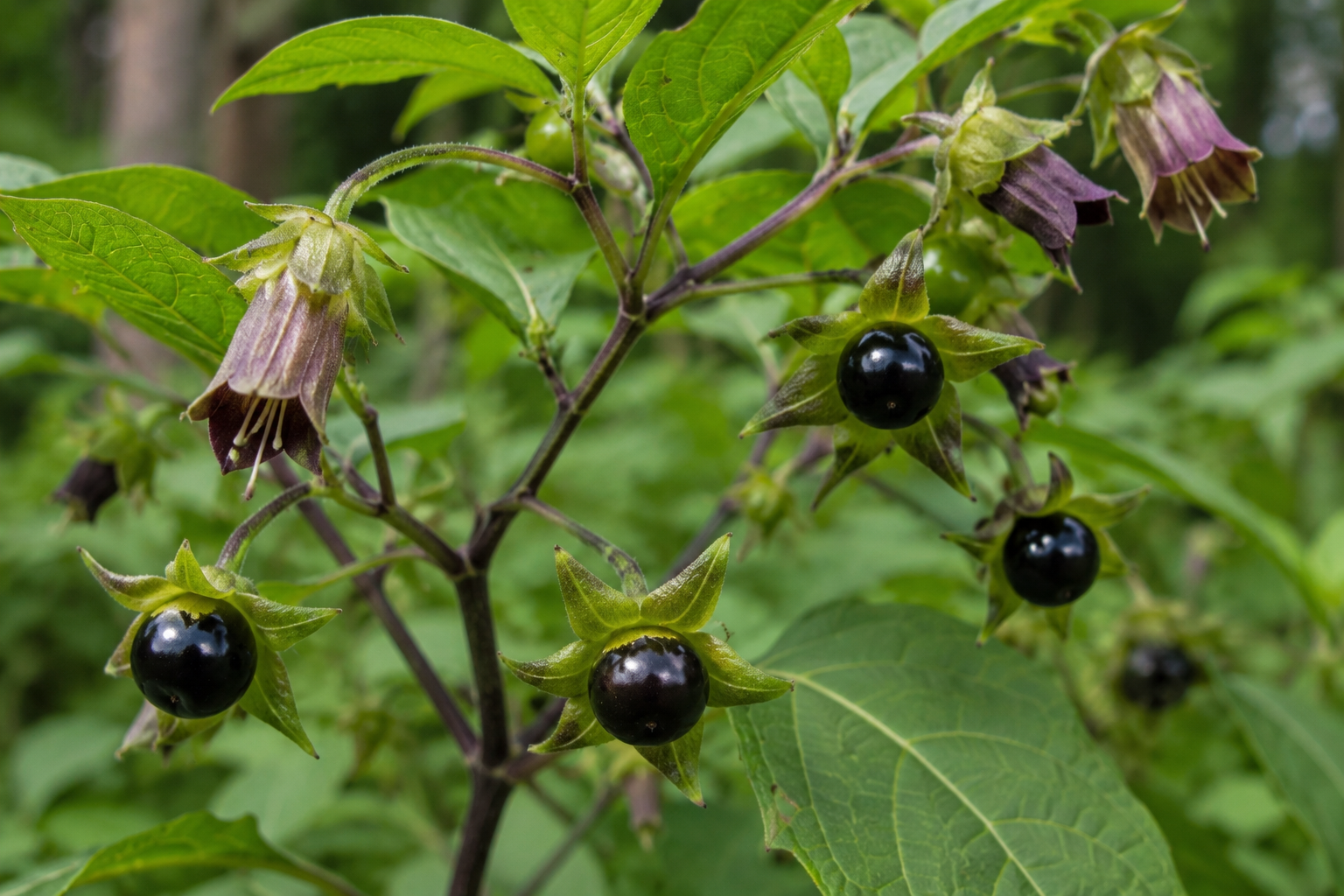
6. Deadly Nightshade (Atropa belladonna)
Deadly Nightshade is one of Europe's most famous poisonous plants. Although relatively uncommon in Finland, it may occasionally appear in cultivated settings.
Its shiny black berries can easily be mistaken for edible fruit. However, the plant contains atropine and other toxic alkaloids that can cause serious health effects.
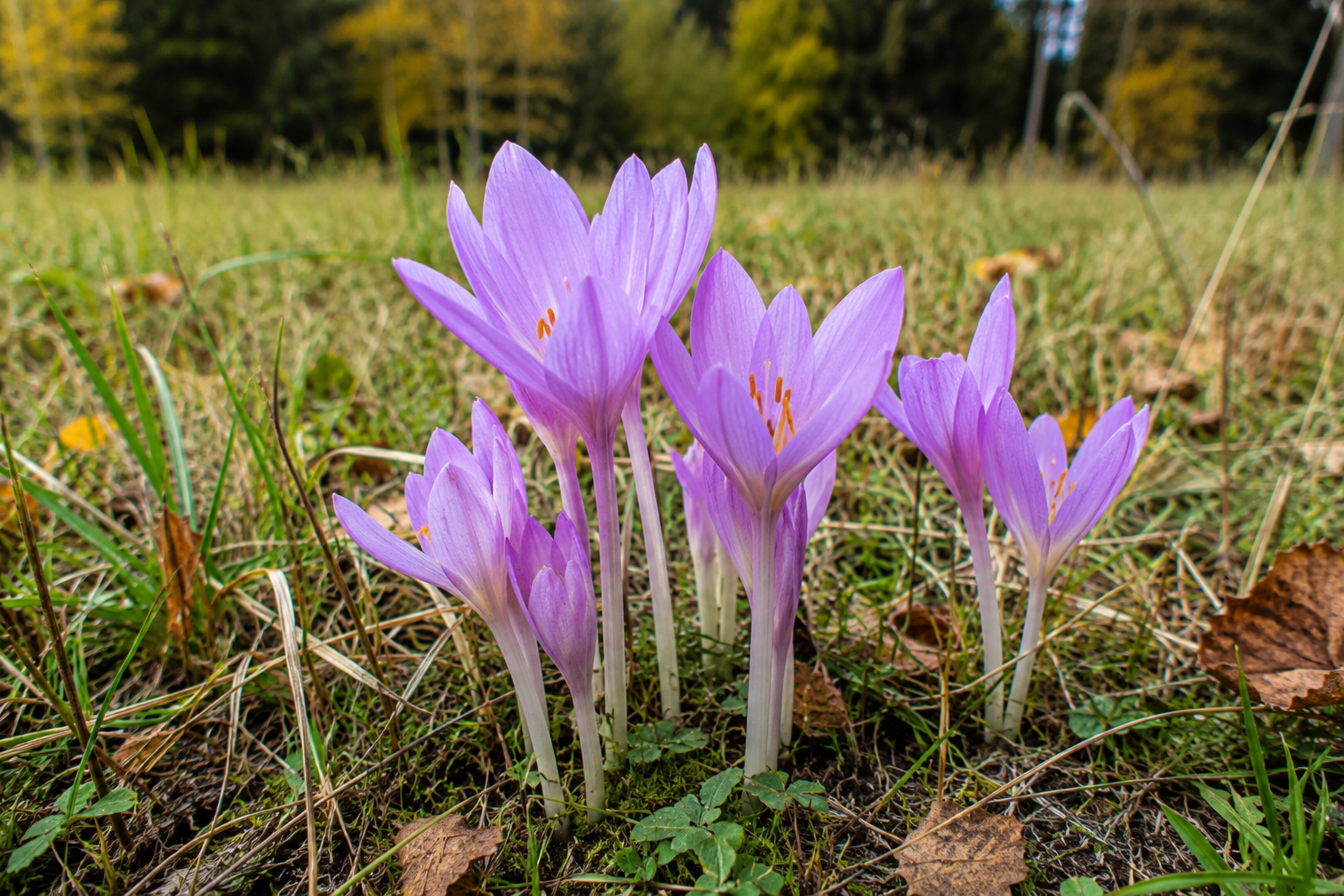
7. Meadow Saffron (Colchicum autumnale)
Meadow Saffron, also known as Autumn Crocus, produces beautiful purple flowers during autumn.
The plant contains colchicine, a highly toxic compound. Because some parts of the plant can resemble edible species during certain growth stages, proper identification is important.
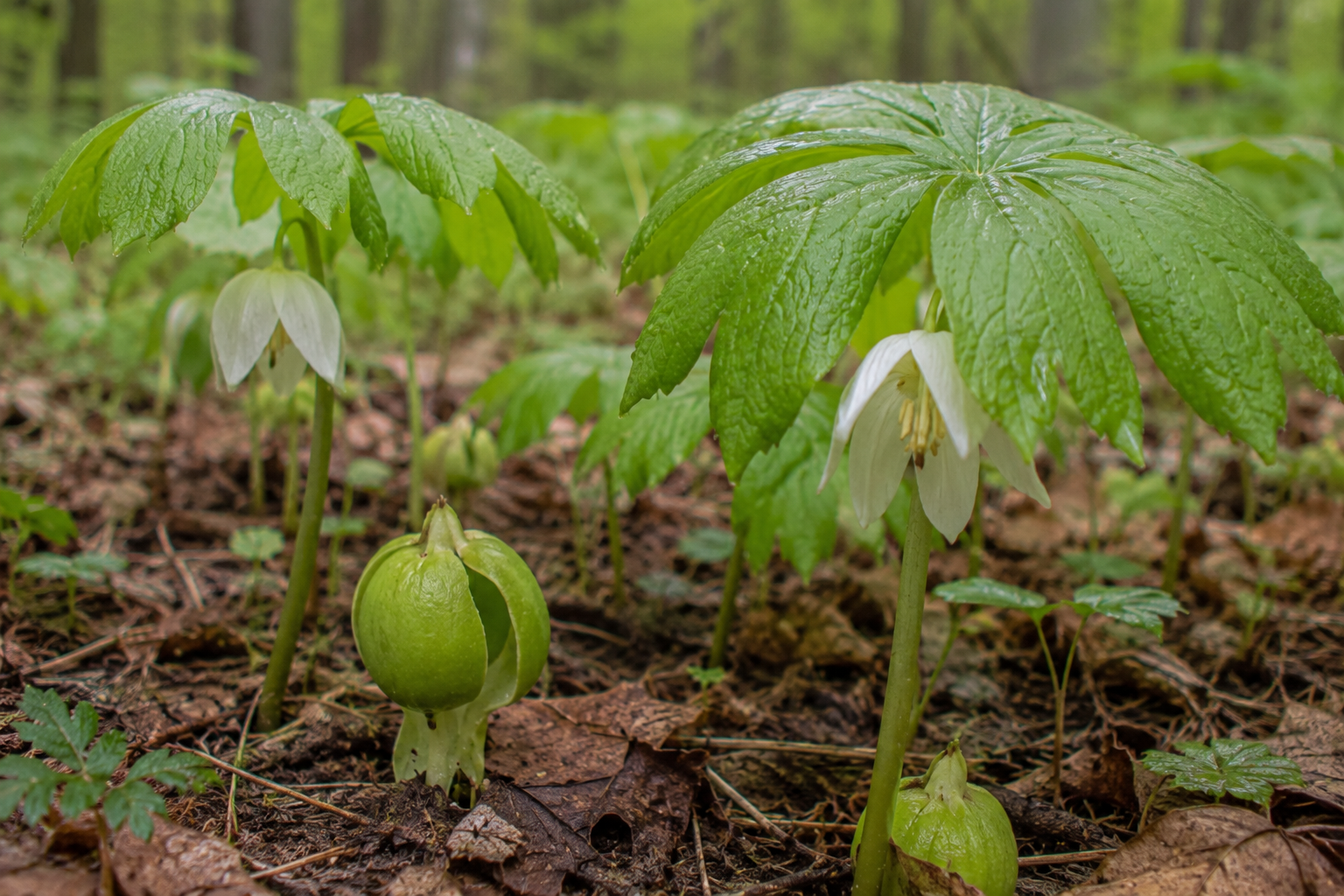
8. Mayapple (Podophyllum species)
Mayapple is not native to Finland but can occasionally be found in botanical collections and ornamental gardens.
The plant contains toxic compounds that may cause digestive and neurological symptoms if consumed.
Staying Safe While Exploring Nature
Most outdoor activities in Finland can be enjoyed safely by following a few simple precautions:
- Never eat unidentified plants or berries.
- Teach children not to taste wild vegetation.
- Wear gloves when handling unfamiliar plants.
- Wash hands after gardening or outdoor activities.
- Keep pets away from unknown vegetation.
- Seek medical assistance if accidental ingestion occurs.
Poisonous plants are an important part of natural ecosystems and should not be feared. Many contribute to biodiversity and provide habitats for insects and wildlife.
Conclusion
Finland's forests, wetlands, and gardens contain a fascinating variety of plant life. While most species are harmless, some possess powerful natural toxins that deserve caution and respect.
Plants such as Lily of the Valley, Monkshood, Giant Hogweed, Water Hemlock, and European Yew demonstrate that beauty and danger can coexist in nature. Understanding these species helps ensure that outdoor adventures remain both enjoyable and safe.
The more we learn about the natural world, the better equipped we are to appreciate Finland's remarkable biodiversity while exploring it responsibly.