How Sauna Became an Essential Part of Finnish Life and Well-Being

For many people around the world, a sauna is a place to relax after exercise or unwind during a vacation. In Finland, however, the sauna is much more than a luxury or wellness trend. It is a cultural institution, a social tradition, and an important part of everyday life that has shaped Finnish society for centuries.
With a population of approximately 5.6 million people and more than 3 million saunas, Finland has one of the highest sauna-to-population ratios in the world. From lakeside cottages and city apartments to office buildings and government facilities, saunas are deeply integrated into Finnish life.
More than a place to generate heat and steam, the Finnish sauna represents relaxation, equality, community, and well-being.
A Tradition Rooted in History
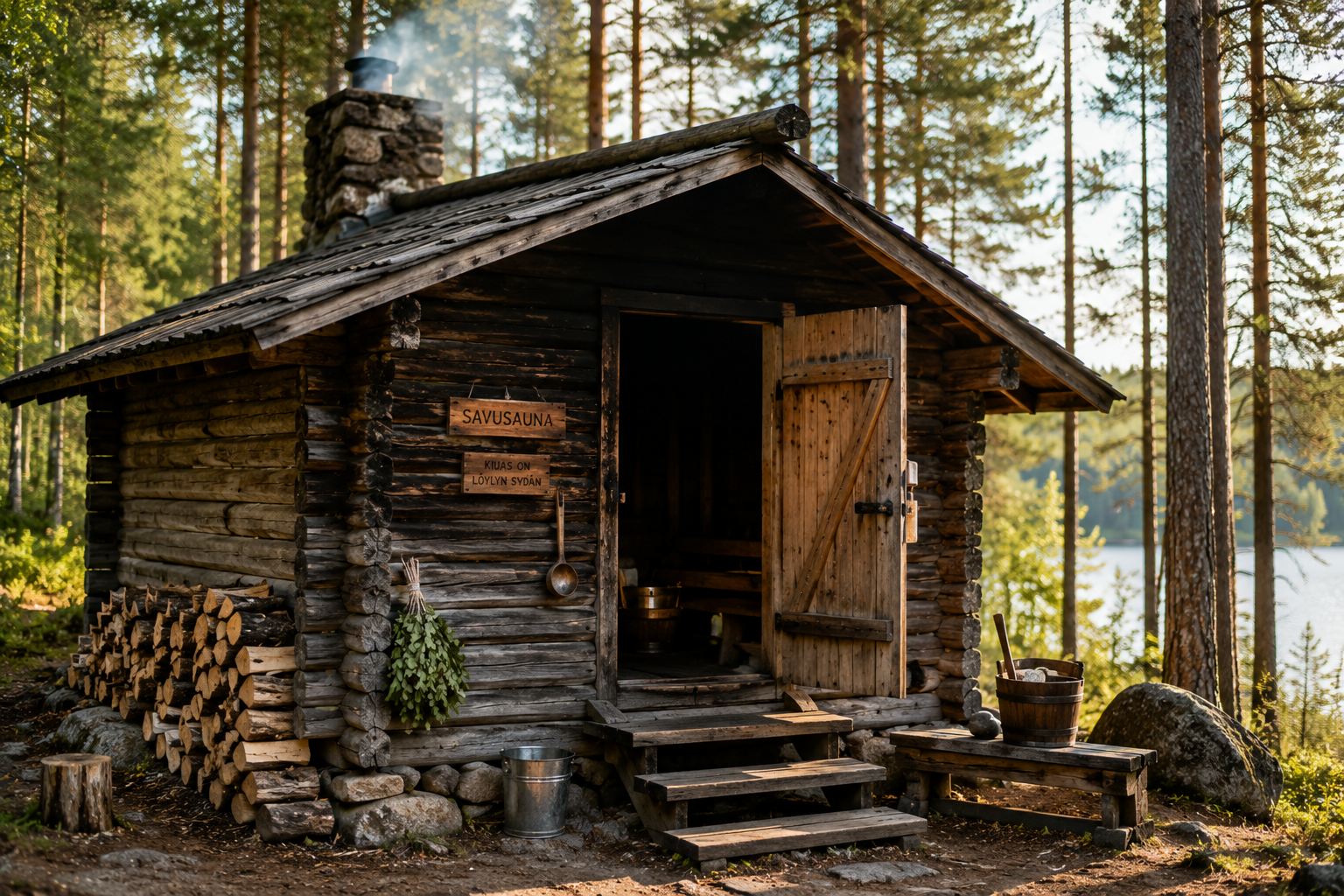
The history of sauna culture in Finland dates back thousands of years. Early Finnish saunas were simple structures built partly underground and heated by stones. Over time, they evolved into the wooden saunas that are now recognized worldwide.
Historically, the sauna served many purposes beyond bathing. Before modern plumbing and healthcare facilities existed, it was often the cleanest place in a household. People bathed there, prepared for important celebrations, and even gave birth in the warm and hygienic environment.
For generations of Finns, the sauna became a place associated with physical cleanliness, mental renewal, and family traditions.
Why Sauna Matters in Finnish Culture
One reason sauna remains so important is that it reflects several core Finnish values.
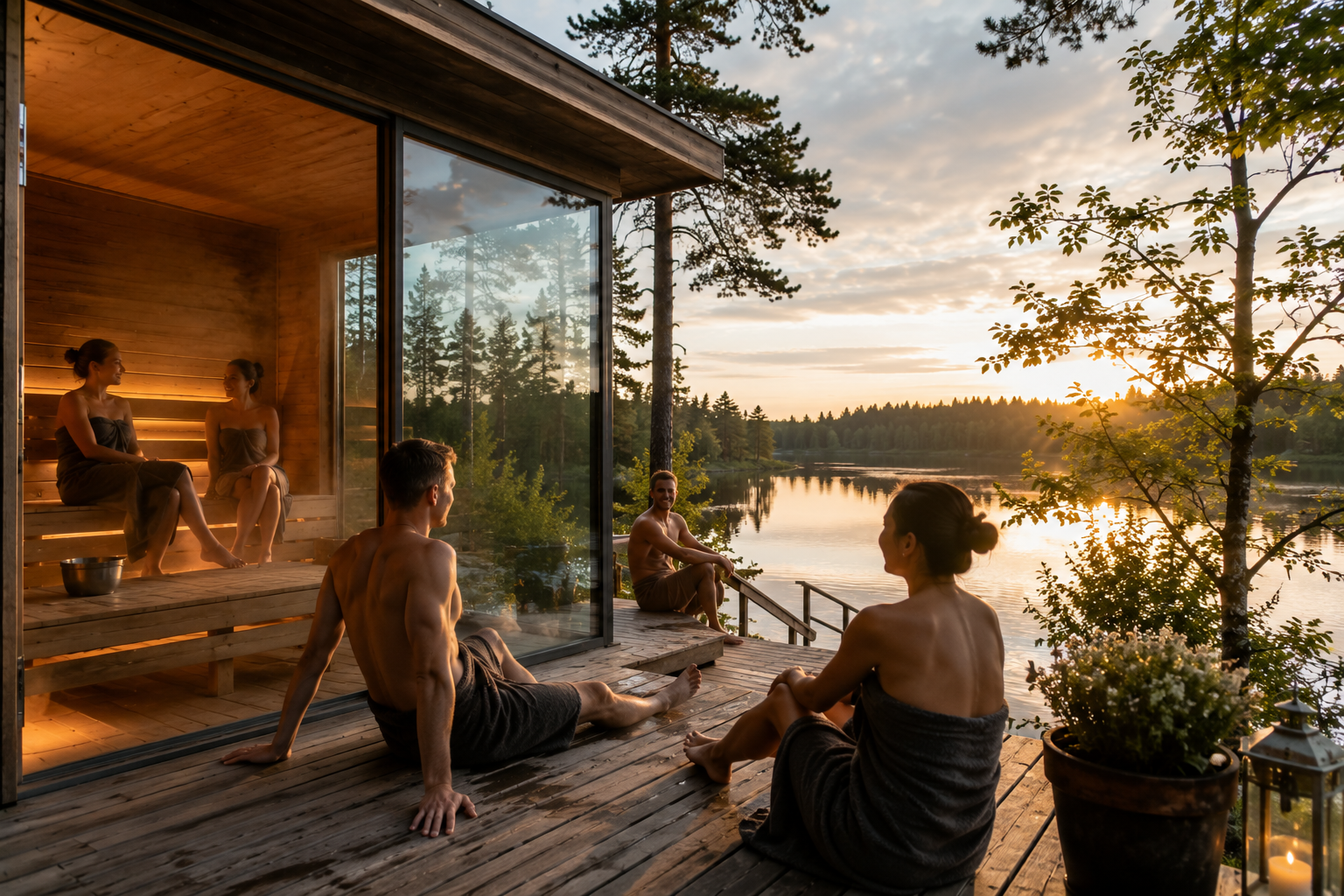
Inside a sauna, social status carries little importance. Business executives, politicians, students, and workers all sit together in the same heat. The sauna promotes equality and encourages genuine conversation without distractions.
Many Finns view sauna time as an opportunity to disconnect from technology and reconnect with themselves, their families, or nature. In a world dominated by smartphones and constant notifications, this simple ritual offers a rare chance for quiet reflection.
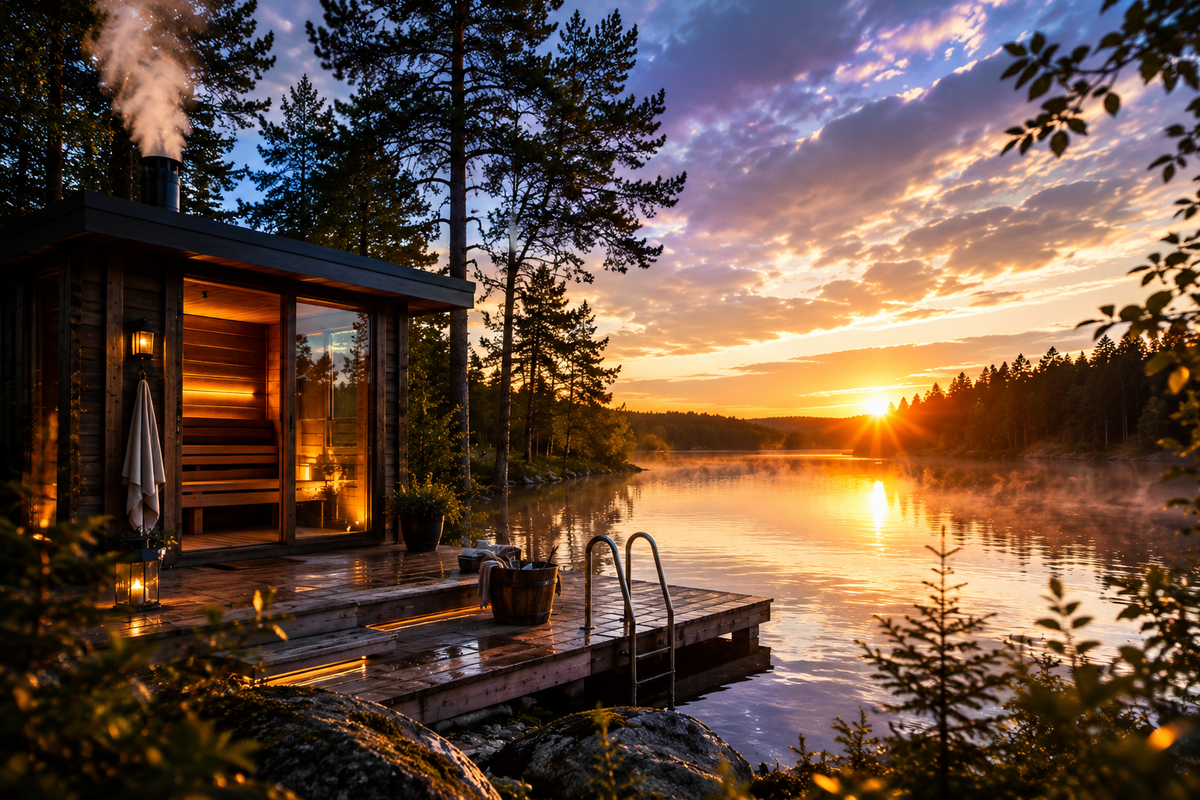
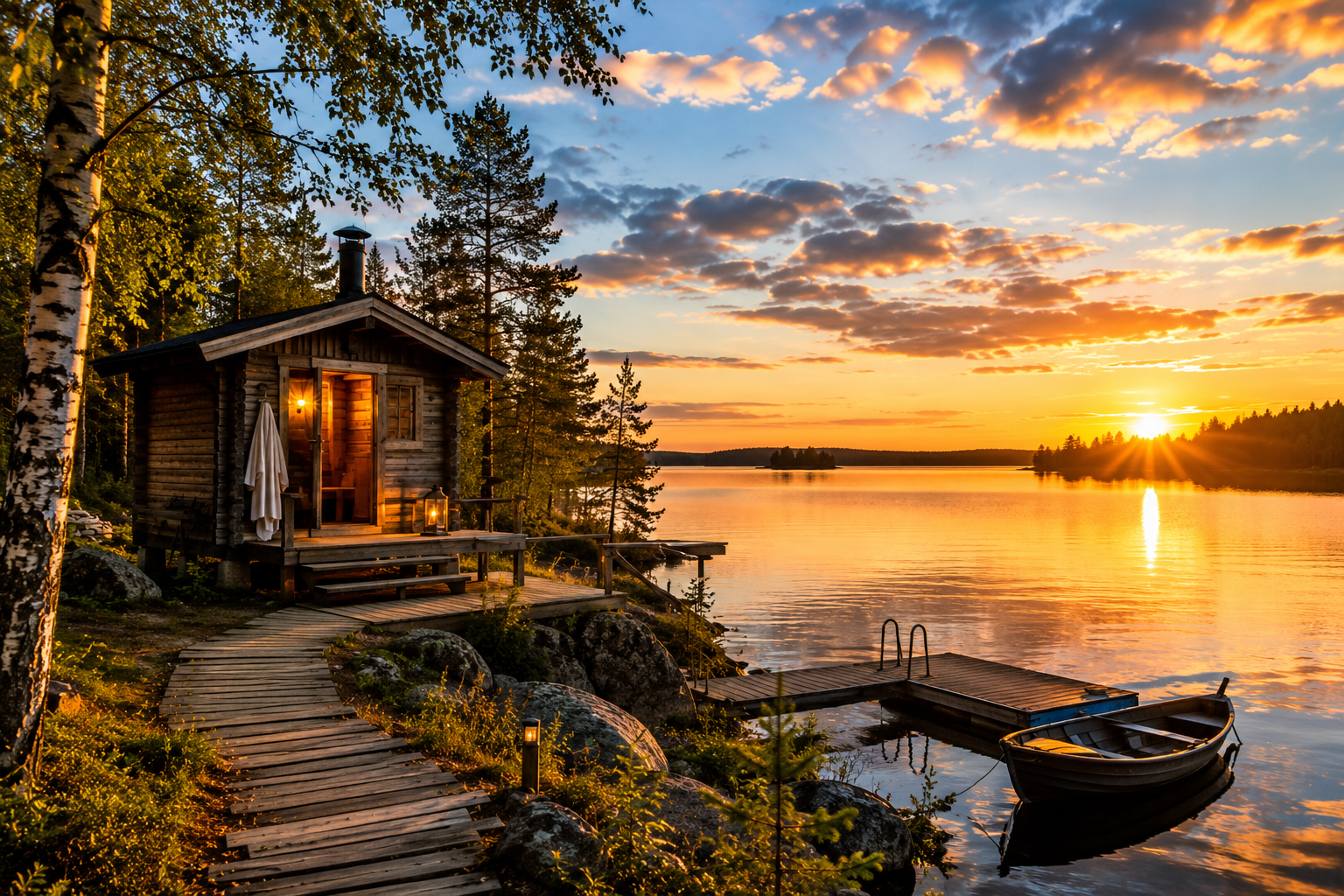
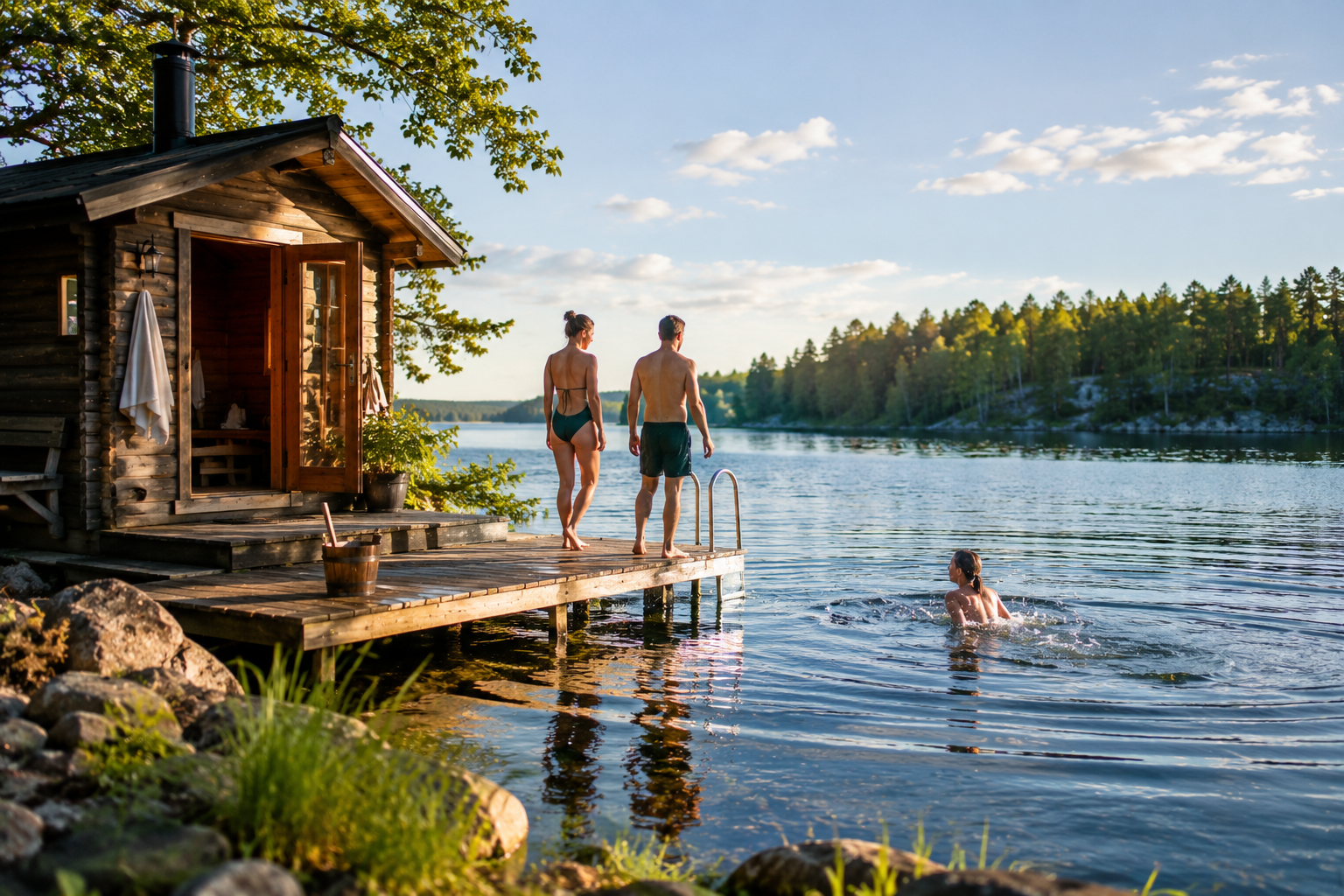
The sauna also strengthens the Finnish connection with nature. Many traditional saunas are located beside lakes, forests, or the sea, allowing people to combine heat, fresh air, and natural surroundings into a uniquely relaxing experience.
The Sauna Experience
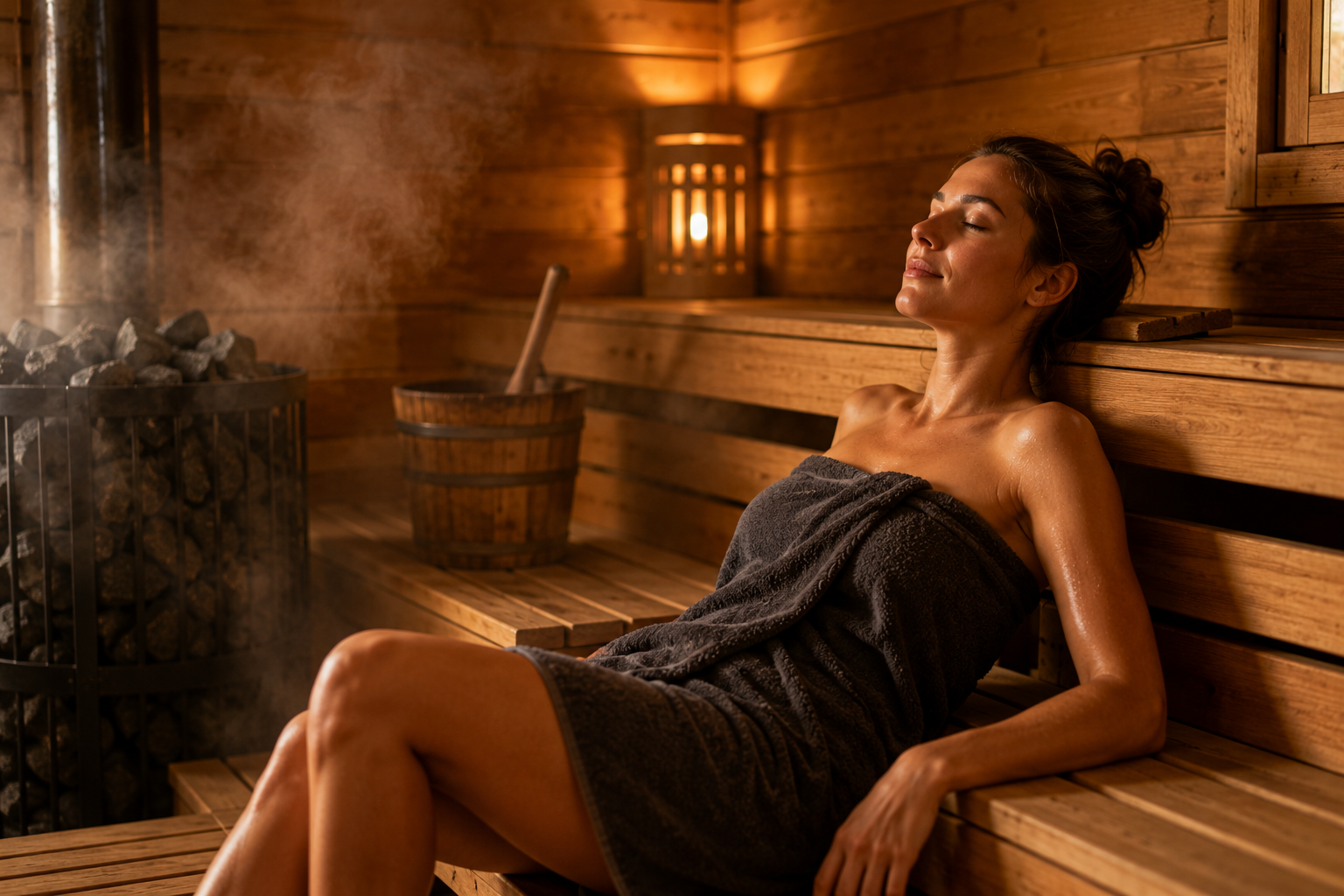
A traditional Finnish sauna is heated to temperatures ranging from approximately 70°C to 100°C. Water is poured over hot stones to create steam, known in Finnish as "löyly."
The heat encourages relaxation, while the steam increases humidity and creates the characteristic sauna atmosphere.
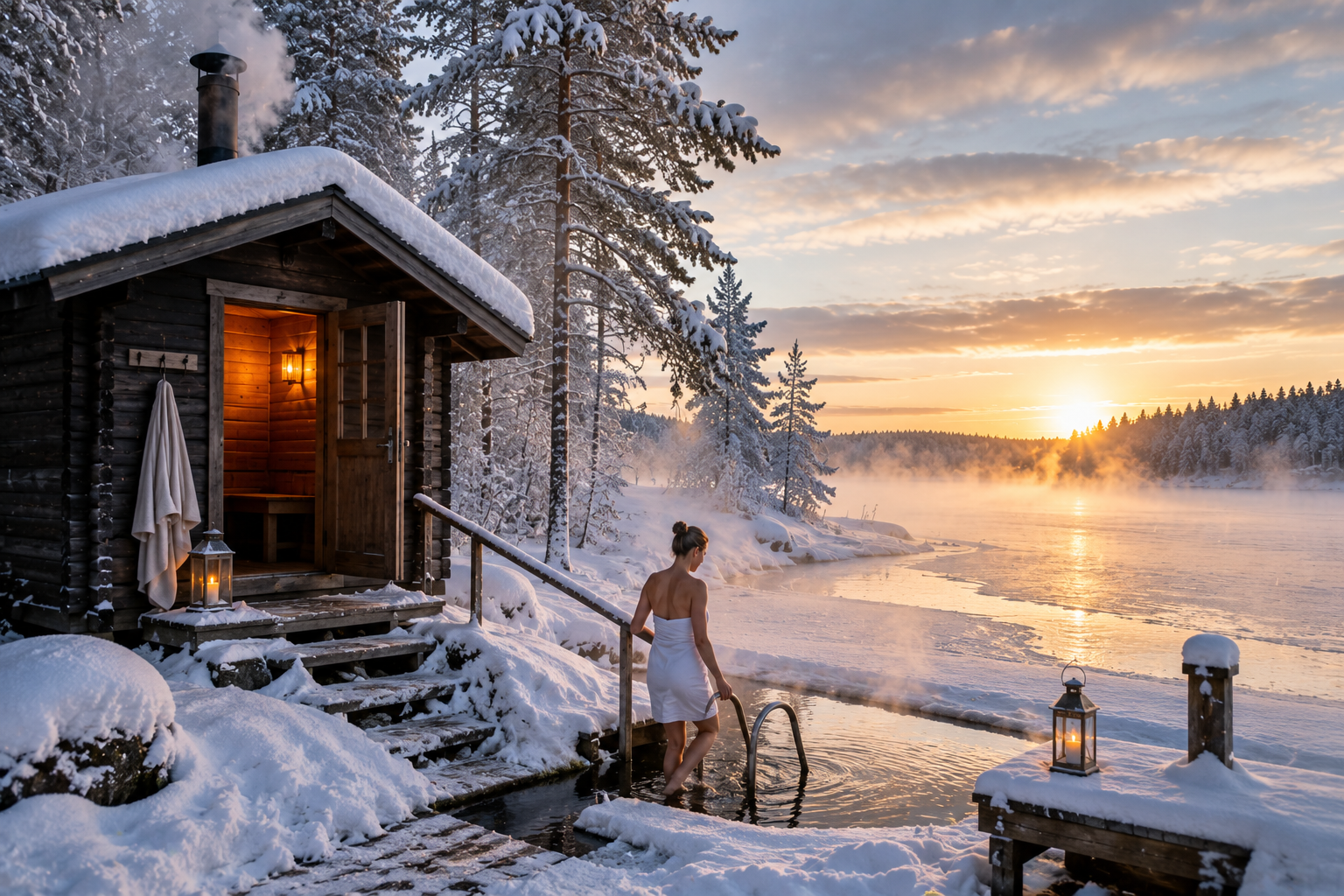
Many Finns alternate between the heat of the sauna and cooling off outdoors, swimming in a lake, or even rolling in snow during winter. Although this contrast may seem extreme to visitors, it is considered a refreshing and enjoyable part of the experience.
The process is typically repeated several times, creating a cycle of heating, cooling, and relaxation.
Sauna and Physical Well-Being
Scientific research has increasingly highlighted the potential health benefits associated with regular sauna use.
Studies suggest that sauna bathing may help improve circulation, support cardiovascular health, reduce muscle tension, and promote relaxation. The heat encourages blood vessels to expand, increasing blood flow throughout the body.
Many athletes also use saunas as part of recovery routines after physical activity.
While sauna use is not a substitute for medical treatment or healthy lifestyle habits, researchers continue to investigate its positive effects on overall wellness.
Mental Health and Stress Relief
Perhaps one of the most appreciated benefits of sauna culture is its impact on mental well-being.
Modern life often involves constant pressure, busy schedules, and digital distractions. The sauna provides a space where people can slow down and focus on the present moment.
The combination of warmth, quiet surroundings, and temporary separation from everyday responsibilities can help reduce stress and improve relaxation.
Many Finns describe the sauna as a place where they can think clearly, recharge mentally, and regain balance after demanding days.
Sauna Through the Seasons
One of the unique aspects of Finnish sauna culture is that it remains popular throughout the year.
During summer, people often combine sauna sessions with swimming in lakes and spending time at cottages. During winter, the experience becomes even more memorable as sauna-goers step into freezing temperatures, fresh snow, or icy water after enjoying the heat.
This contrast between warmth and cold has become one of the defining characteristics of Finnish sauna traditions.
Regardless of the season, the sauna remains a symbol of comfort and well-being.
Sauna in Modern Finland
Despite technological advances and changing lifestyles, sauna culture remains remarkably strong in Finland.
Today, saunas can be found in apartment buildings, hotels, sports facilities, and even corporate offices. Public saunas have also experienced a resurgence in popularity, attracting both locals and international visitors.
In 2020, Finnish sauna culture was added to UNESCO's Representative List of the Intangible Cultural Heritage of Humanity, recognizing its importance as a living cultural tradition.
This recognition highlighted what Finns have known for generations: sauna is not simply a recreational activity but an essential part of national identity.
Why the World Is Embracing Sauna Culture
As people increasingly seek ways to improve well-being and manage stress, Finnish sauna culture has gained international attention.
The appeal lies in its simplicity. Unlike many modern wellness trends, sauna requires little technology or complexity. It encourages people to slow down, focus on their health, and appreciate moments of calm.
The philosophy behind the sauna aligns closely with broader Finnish values such as balance, mindfulness, and connection with nature.
These lessons resonate far beyond Finland's borders.
Conclusion
For centuries, the sauna has been far more than a place to bathe in Finland. It has served as a space for relaxation, reflection, social connection, and personal well-being. While Finnish society has evolved with modern technology and changing lifestyles, the importance of sauna remains deeply rooted in everyday life.
What makes sauna unique is not only the heat or the tradition itself, but the values it represents. It encourages people to slow down, disconnect from daily pressures, and reconnect with nature, family, friends, and themselves. In a world where stress and constant digital connectivity have become common, the simplicity of the sauna offers a refreshing reminder of the importance of balance and mindfulness.
The global popularity of Finnish sauna culture continues to grow because its benefits extend beyond physical relaxation. It promotes mental well-being, supports healthy social interaction, and provides an opportunity to pause in an increasingly fast-paced world.
Whether located beside a peaceful lake, hidden within a snowy forest, or built into a modern city apartment, the Finnish sauna remains a symbol of comfort, resilience, and well-being. It is not simply a tradition from the past; it is a living part of Finnish culture that continues to enrich lives today and inspire people around the world.