Tesla’s RoboTaxi
Unlike current vehicles that require varying levels of human supervision, the Robotaxi is intended to operate without a steering wheel or pedals, relying entirely on advanced artificial intelligence and sensor systems.

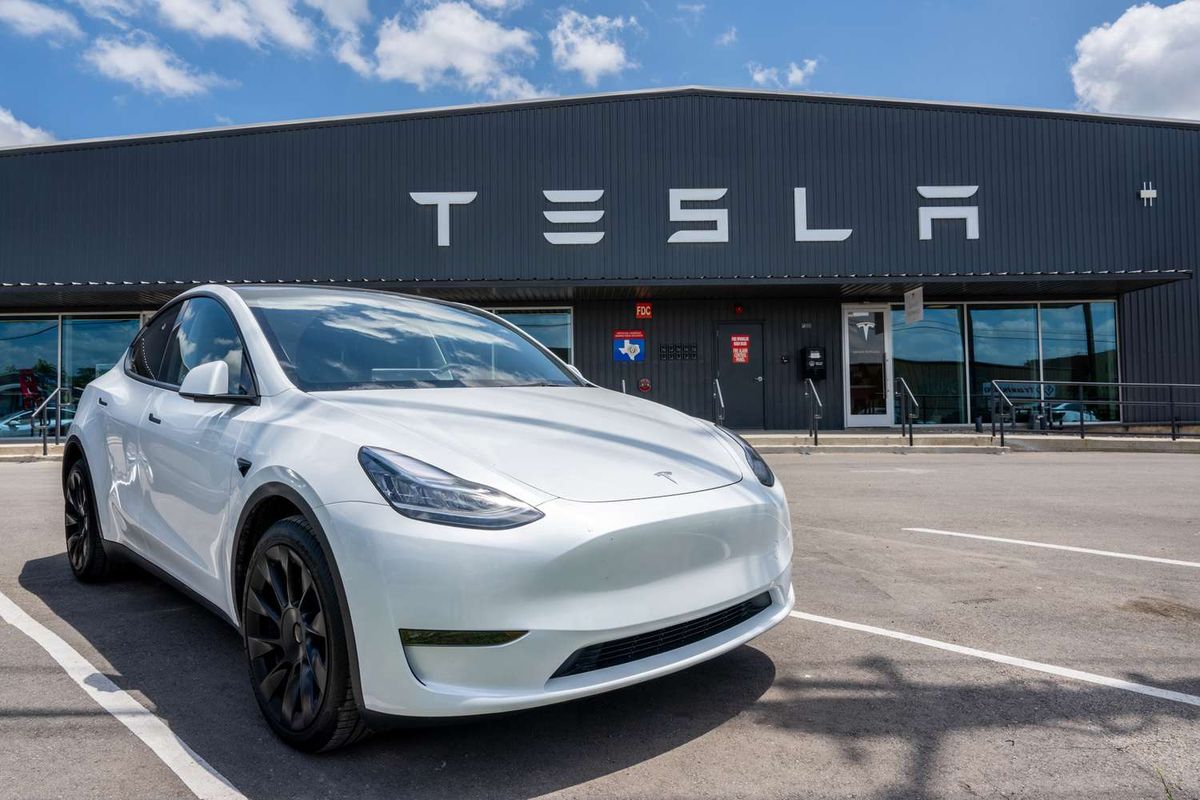
Tesla has once again captured global attention with its unveiling of the long-anticipated Robotaxi, a fully autonomous vehicle designed to revolutionize urban transportation.
Positioned as a cornerstone of the company’s future, the Robotaxi represents not just a new product, but a fundamental shift in how people move through cities—one that could disrupt traditional car ownership, ride-hailing services, and even public transit systems.
At its core, Tesla’s Robotaxi is built on the promise of complete self-driving capability. Unlike current vehicles that require varying levels of human supervision, the Robotaxi is intended to operate without a steering wheel or pedals, relying entirely on advanced artificial intelligence and sensor systems.
This marks a significant departure from conventional automotive design, emphasizing software over hardware and data over driver input.
The vehicle is powered by Tesla’s Full Self-Driving (FSD) system, which uses a network of cameras, neural networks, and real-time data processing to navigate complex road environments. Tesla claims that the Robotaxi can handle everything from congested city streets to highway driving, adapting dynamically to traffic patterns, pedestrians, and unexpected obstacles.
If successful, this level of autonomy could dramatically reduce human error, which remains the leading cause of road accidents worldwide.
One of the most compelling aspects of the Robotaxi is its potential economic impact. Tesla envisions a future where owners can add their vehicles to a shared autonomous fleet, allowing them to generate income when the car is not in use.
Through a dedicated app, users could summon a Robotaxi on demand, similar to current ride-hailing services but without the cost of a human driver. This could significantly lower transportation costs, making mobility more accessible to a broader population.
However, the path to widespread adoption is far from straightforward. Regulatory challenges remain one of the biggest hurdles. Governments around the world are still grappling with how to safely integrate autonomous vehicles into existing traffic systems.
Issues such as liability in the event of an accident, data privacy, and cybersecurity are all under intense scrutiny. Tesla will need to work closely with regulators to ensure compliance and build public trust.
Safety is another critical concern. While Tesla has made bold claims about the capabilities of its self-driving technology, critics argue that real-world conditions are too unpredictable for full autonomy to be reliably safe at scale. Edge cases—rare but dangerous scenarios—pose a particular challenge for AI systems.
Tesla insists that its data-driven approach, which leverages millions of miles of driving data, will enable continuous improvement and refinement of its algorithms.
The introduction of the Robotaxi also raises questions about the future of employment. Ride-hailing drivers, taxi operators, and even delivery personnel could be affected by the shift toward automation. While new jobs may emerge in areas such as fleet management, software development, and maintenance, the transition could be disruptive for many workers. Policymakers may need to consider measures to support those impacted by technological displacement.
From an environmental perspective, the Robotaxi could offer significant benefits. As an electric vehicle, it produces zero tailpipe emissions, contributing to cleaner air in urban areas. Moreover, the shared nature of autonomous fleets could reduce the total number of cars on the road, easing congestion and lowering overall energy consumption. However, these benefits will depend on how the technology is implemented and adopted at scale.
Public perception will play a crucial role in determining the success of the Robotaxi. Trust in autonomous systems is still evolving, and high-profile incidents involving self-driving technology have made some consumers wary.
Tesla will need to demonstrate not only the safety and reliability of its vehicles but also their practicality and convenience. User experience, including ease of booking, ride comfort, and affordability, will be key factors in shaping adoption.
The competitive landscape is also heating up. Several companies, including established automakers and tech firms, are investing heavily in autonomous vehicle technology. Tesla’s advantage lies in its integrated approach, combining hardware, software, and data within a single ecosystem. However, competitors may excel in areas such as mapping, sensor diversity, or regulatory partnerships, creating a dynamic and rapidly evolving market.
Infrastructure will be another determining factor. Autonomous vehicles require robust digital and physical support systems, including high-speed connectivity, charging networks, and well-maintained roads. Cities may need to adapt their infrastructure to accommodate these new technologies, potentially reshaping urban planning and design.
Despite the challenges, the potential benefits of Tesla’s Robotaxi are difficult to ignore. By reducing the cost of transportation, improving safety, and lowering environmental impact, the technology could transform daily life in profound ways. For many, the idea of summoning a driverless car at the tap of a button is no longer science fiction but an imminent reality.
In conclusion, Tesla’s Robotaxi represents a bold and ambitious step toward the future of mobility. While significant obstacles remain, the company’s vision has the potential to redefine how people think about transportation. Whether the Robotaxi becomes a ubiquitous presence on city streets or faces setbacks along the way, it has already sparked a global conversation about the role of technology in shaping the way we move.
As the world watches closely, one thing is clear: the journey toward autonomous transportation has entered a new and transformative phase.