Sundarpaschim
A scenic road journey from Bharatpur to Dadeldhura via Lumbini, Nepalgunj, and Attariya reveals Nepal’s diversity—spiritual heritage, fertile plains, bustling border cities, and serene hills—offering travelers a complete cultural and geographical experience in one route.

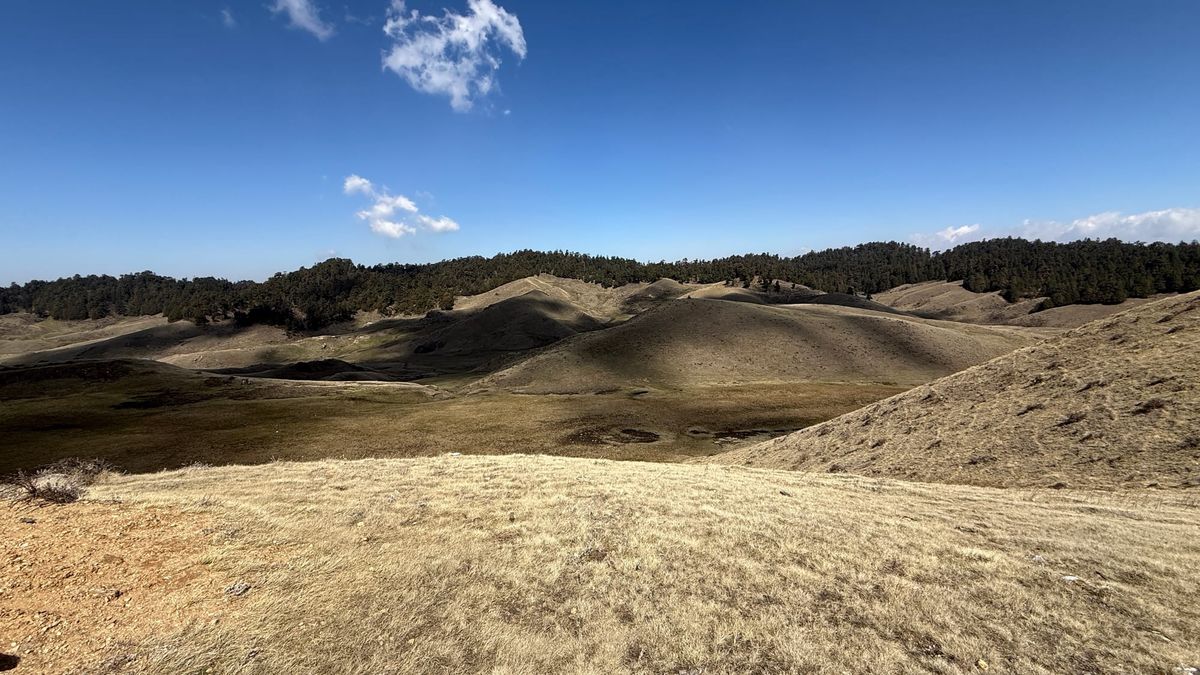
Nepal is a country where distance is not measured only in kilometers, but in changing landscapes, cultures, and emotions. The long road journey from Bharatpur in Chitwan to Dadeldhura in far-west Nepal is one such experience that beautifully connects the plains of the Terai with the peaceful hills of the west. Passing through Lumbini, Nepalgunj, and Attariya, this route offers a complete cross-section of Nepal’s geography and lifestyle, making it highly attractive for both domestic and Indian tourists.
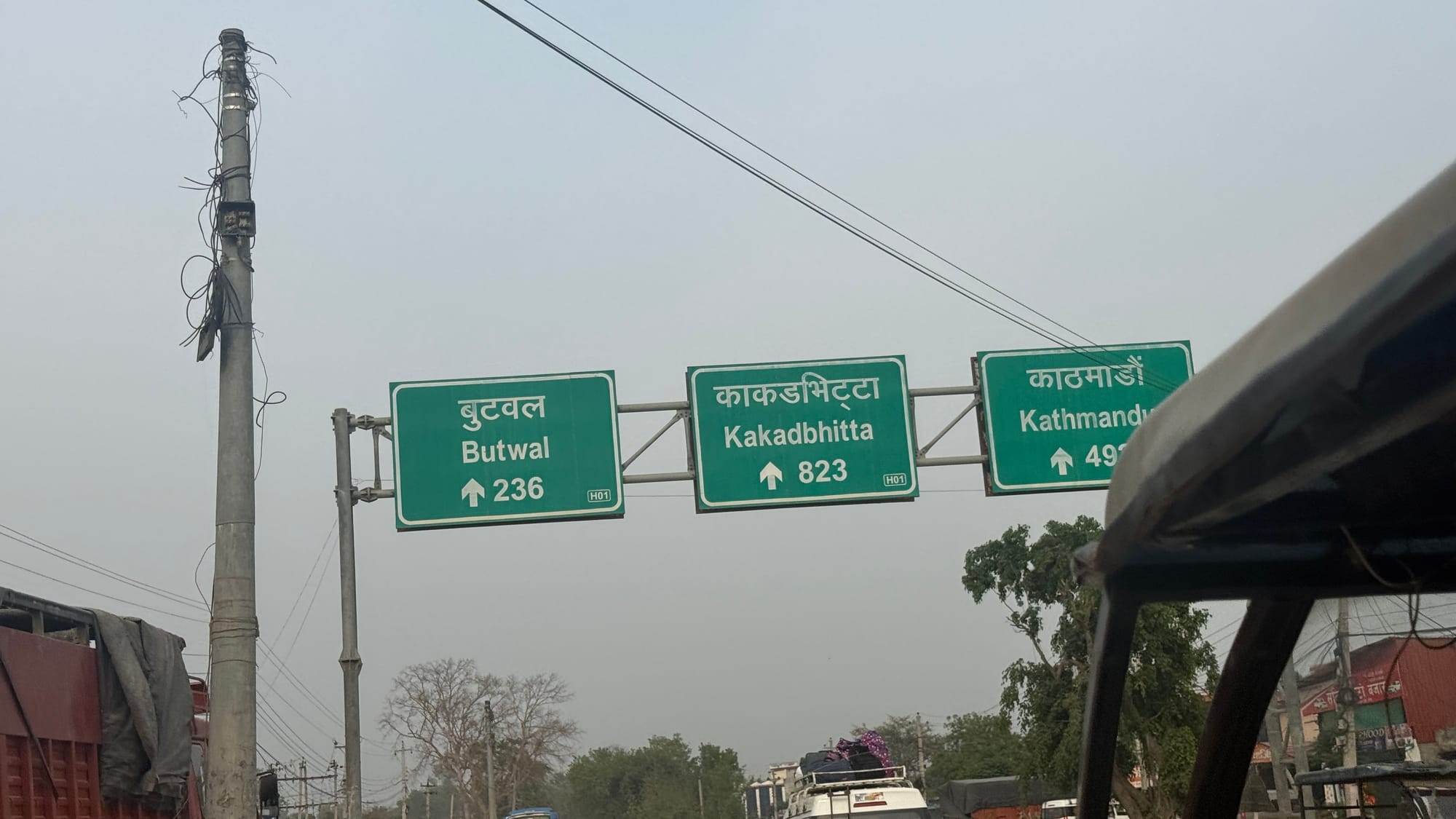
The journey begins from Bharatpur, a rapidly growing city in the Chitwan region. Known for its urban development and proximity to natural attractions, Bharatpur serves as a major starting point for travelers heading west. Early morning in the city is active and energetic, with vehicles, markets, and people beginning their daily routines.
As the journey moves out of the city, the environment quickly changes into wide farmlands, green fields, and long stretches of highway that define Nepal’s Terai region. The roads are mostly straight and smooth, making the initial phase of travel comfortable and scenic.
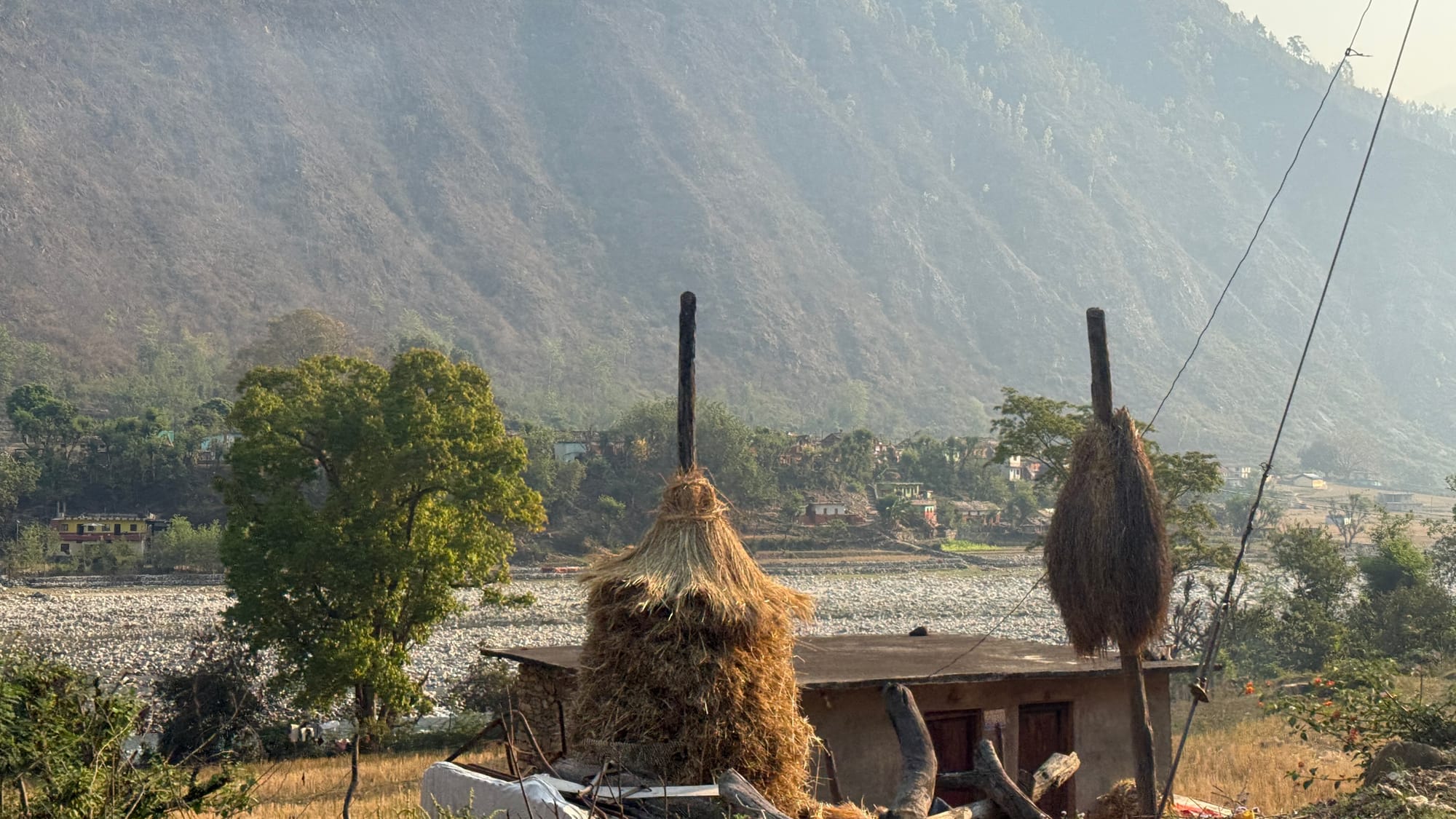
As the journey continues westward, the route reaches Lumbini, one of the most important spiritual destinations in the world. Recognized as the birthplace of Lord Buddha, Lumbini offers a peaceful pause in the long journey. The area is filled with monasteries built by different countries, serene gardens, and spiritual monuments that create a calm atmosphere. For many travelers, this stop is not just geographical but emotional, as it provides a moment of reflection and spiritual connection before continuing further west.
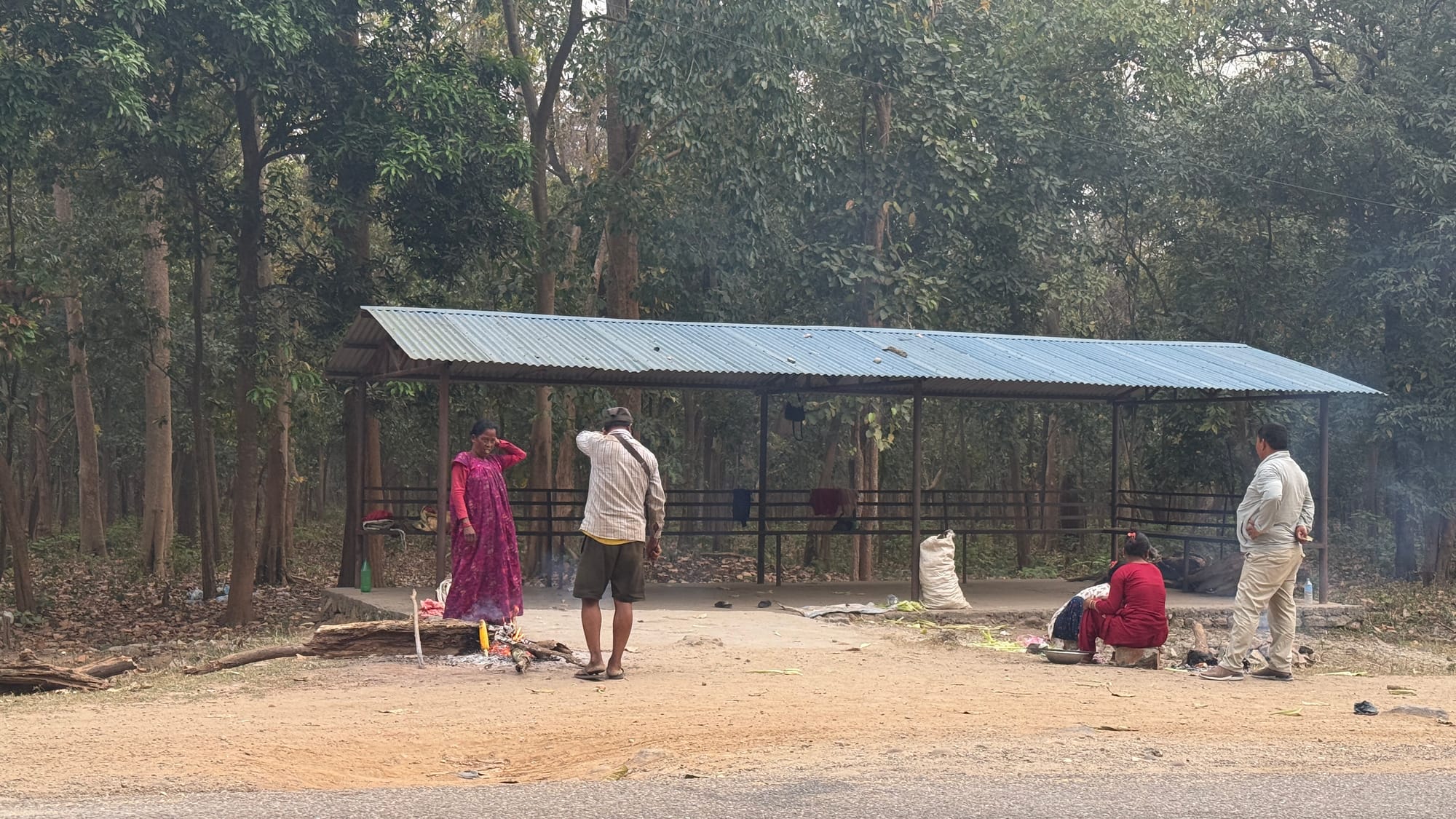
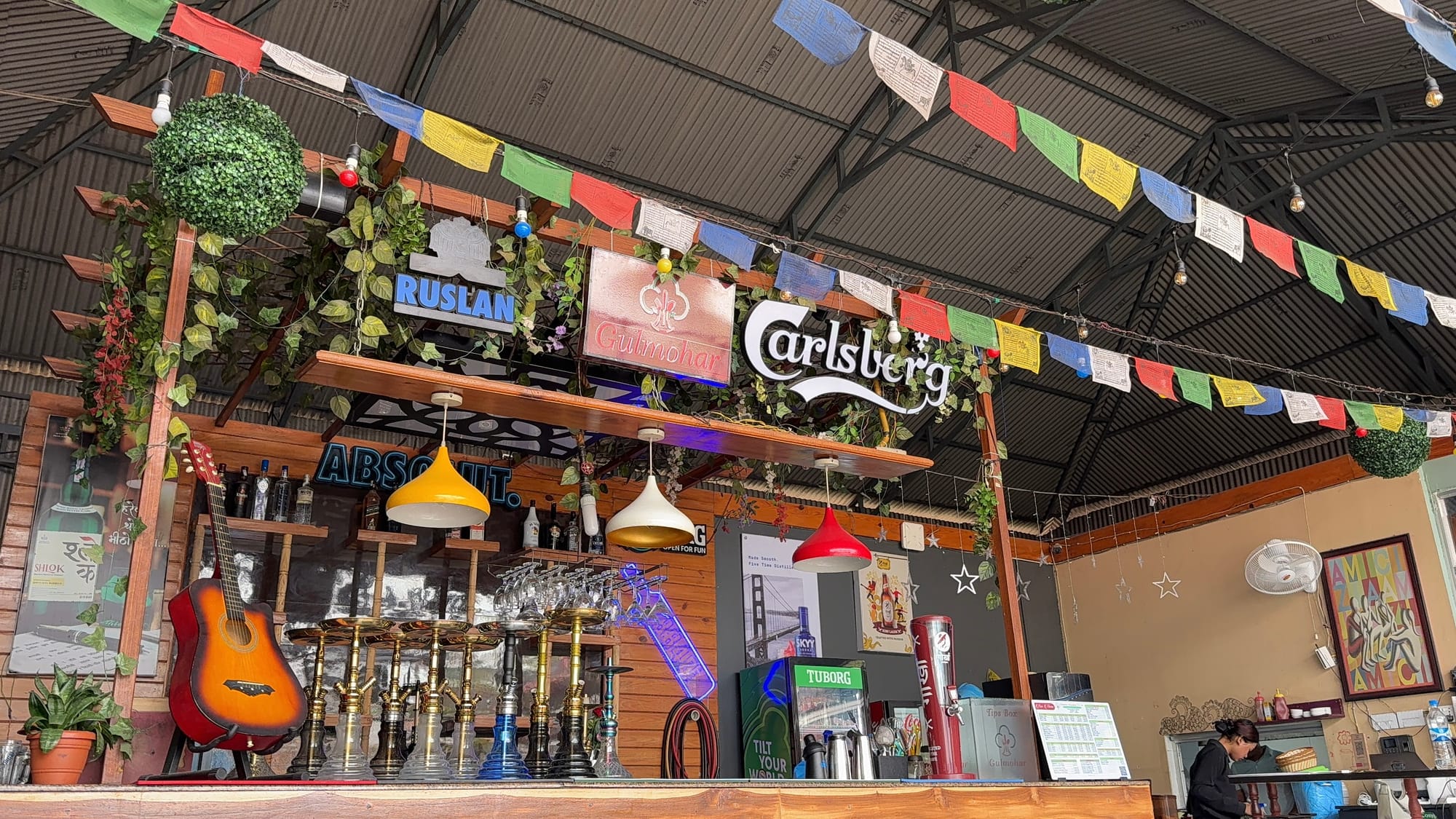
From Lumbini, the road leads toward Nepalgunj, one of the most significant commercial cities in western Nepal. Located near the Indian border, Nepalgunj is a vibrant urban center with busy markets, transport networks, and diverse cultural influences. The city reflects a blend of Nepali and Indian lifestyles, making it an interesting stop for cross-border travelers. It is also a major hub for rest, food, fuel, and accommodation, especially for long-distance road travelers. The temperature here is typically warmer, and the environment is more energetic compared to Lumbini’s calmness.
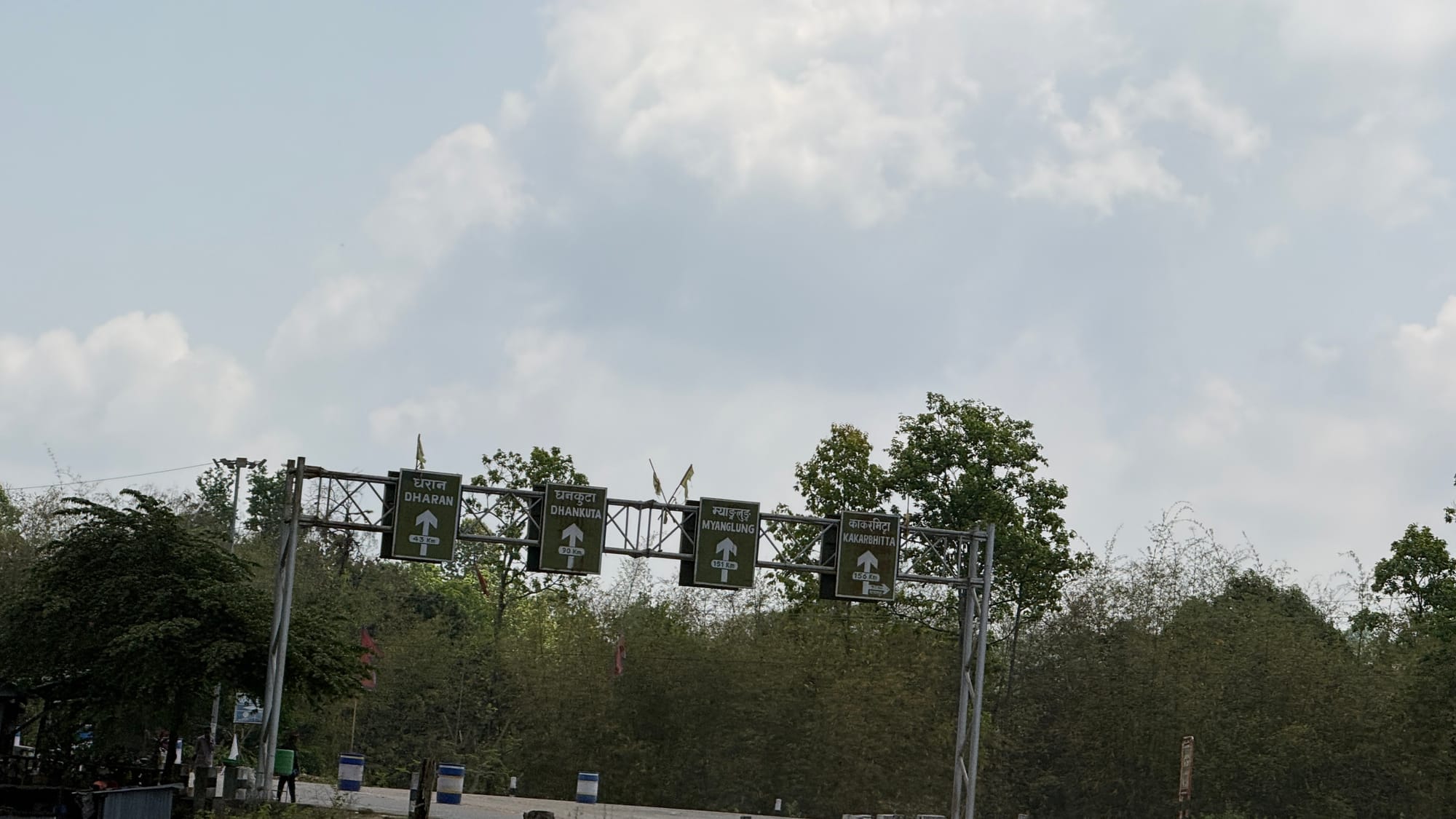
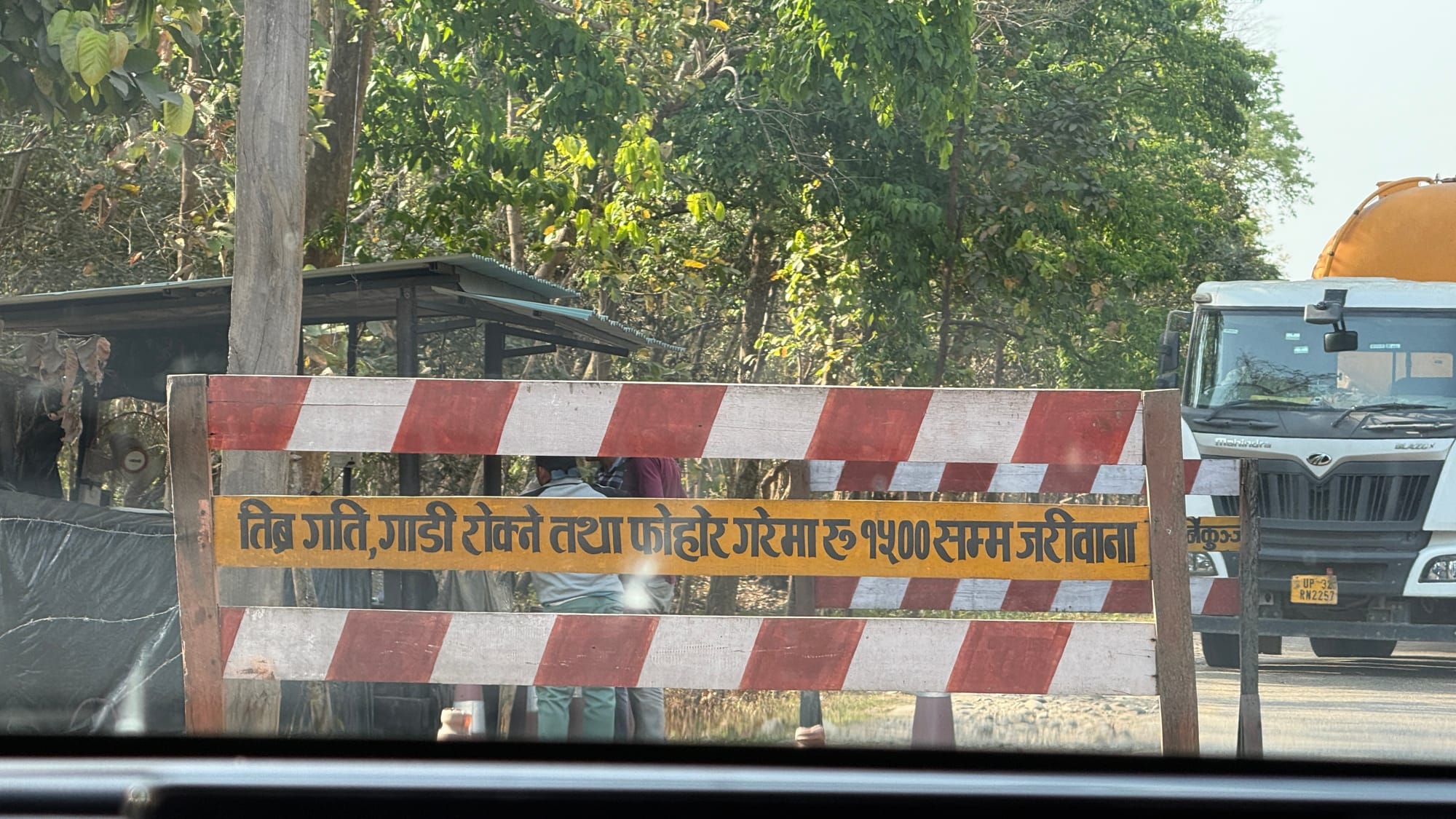
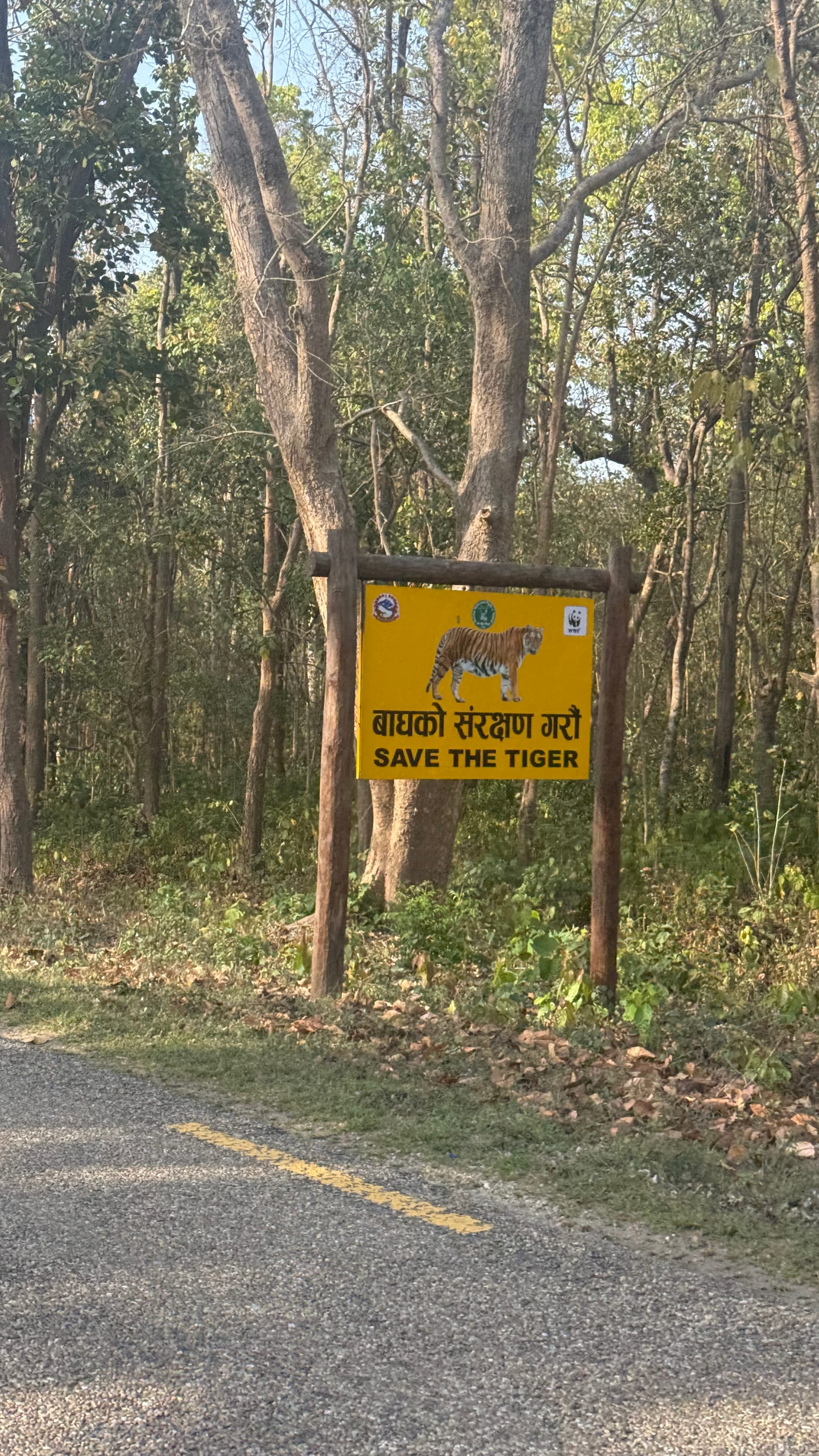
After Nepalgunj, the journey moves toward Attariya, a key gateway to the far-western region of Nepal. This section of the road gradually becomes quieter and more open, with long stretches passing through rural settlements, forested areas, and expanding highway corridors. Attariya is a growing town that serves as an important junction for travelers entering Sudurpashchim Province. It provides essential facilities and acts as a final major stop before entering the hill regions ahead. Here, travelers begin to feel the transition from plains to hills, both in climate and landscape.
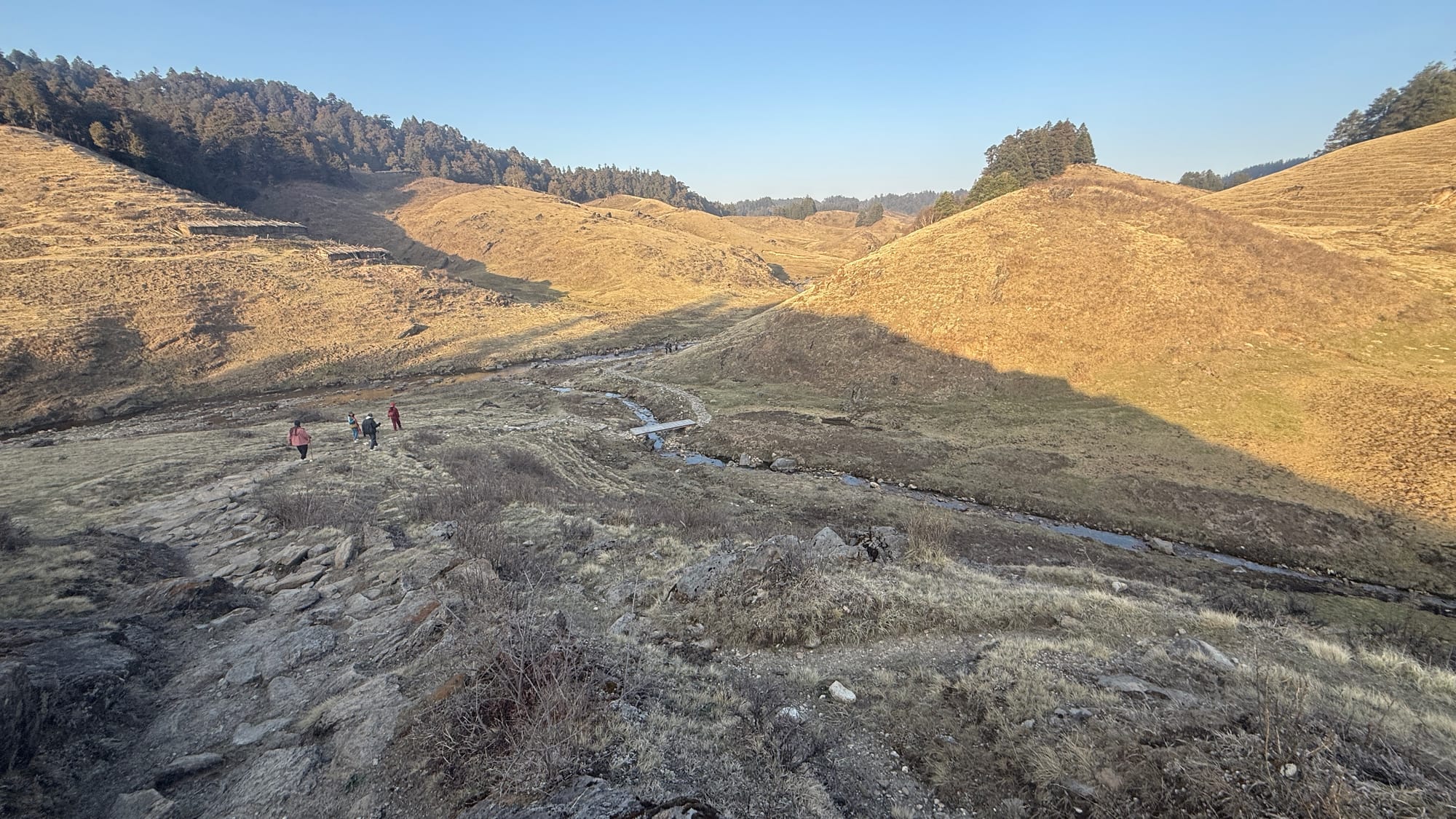
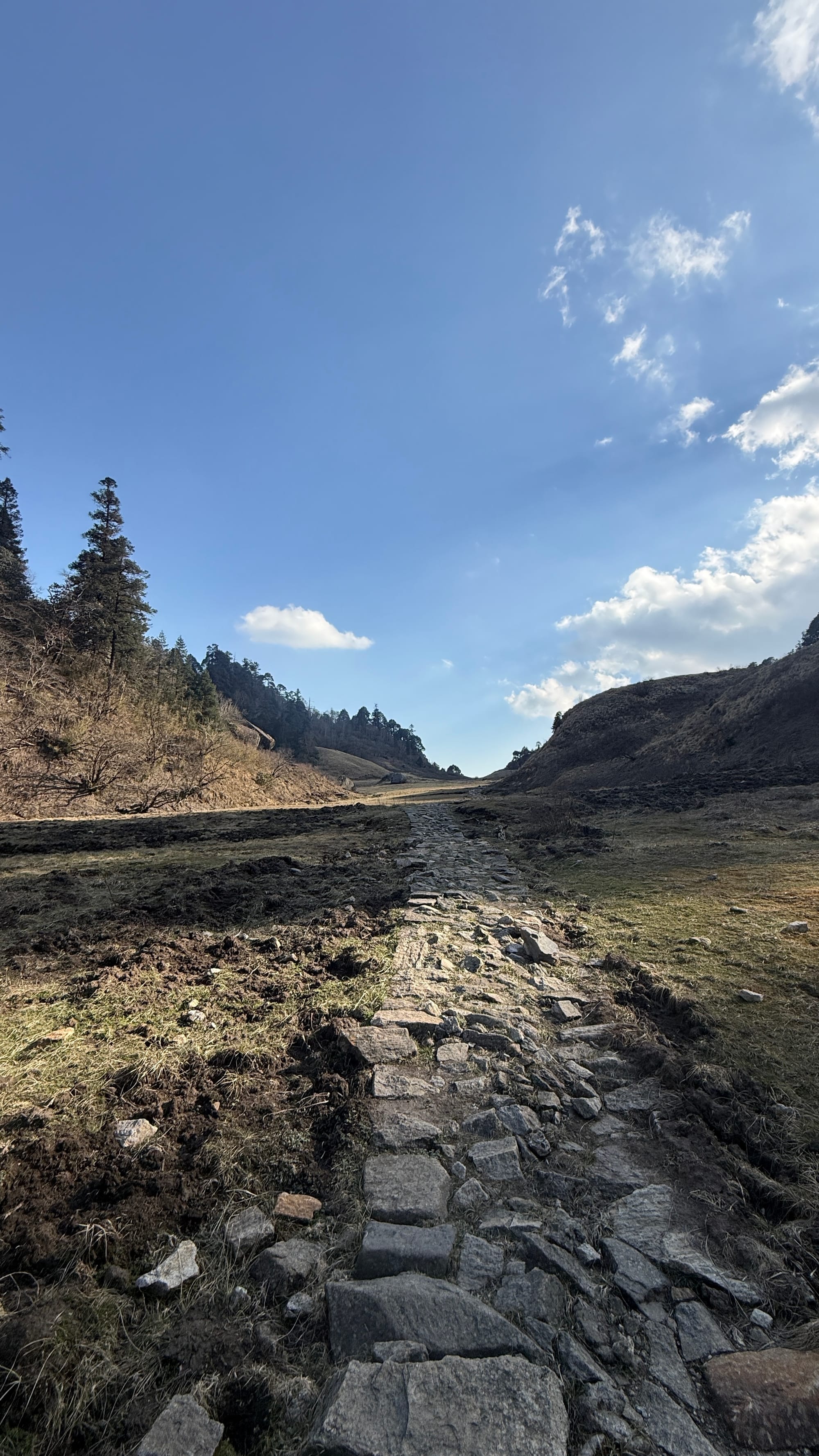
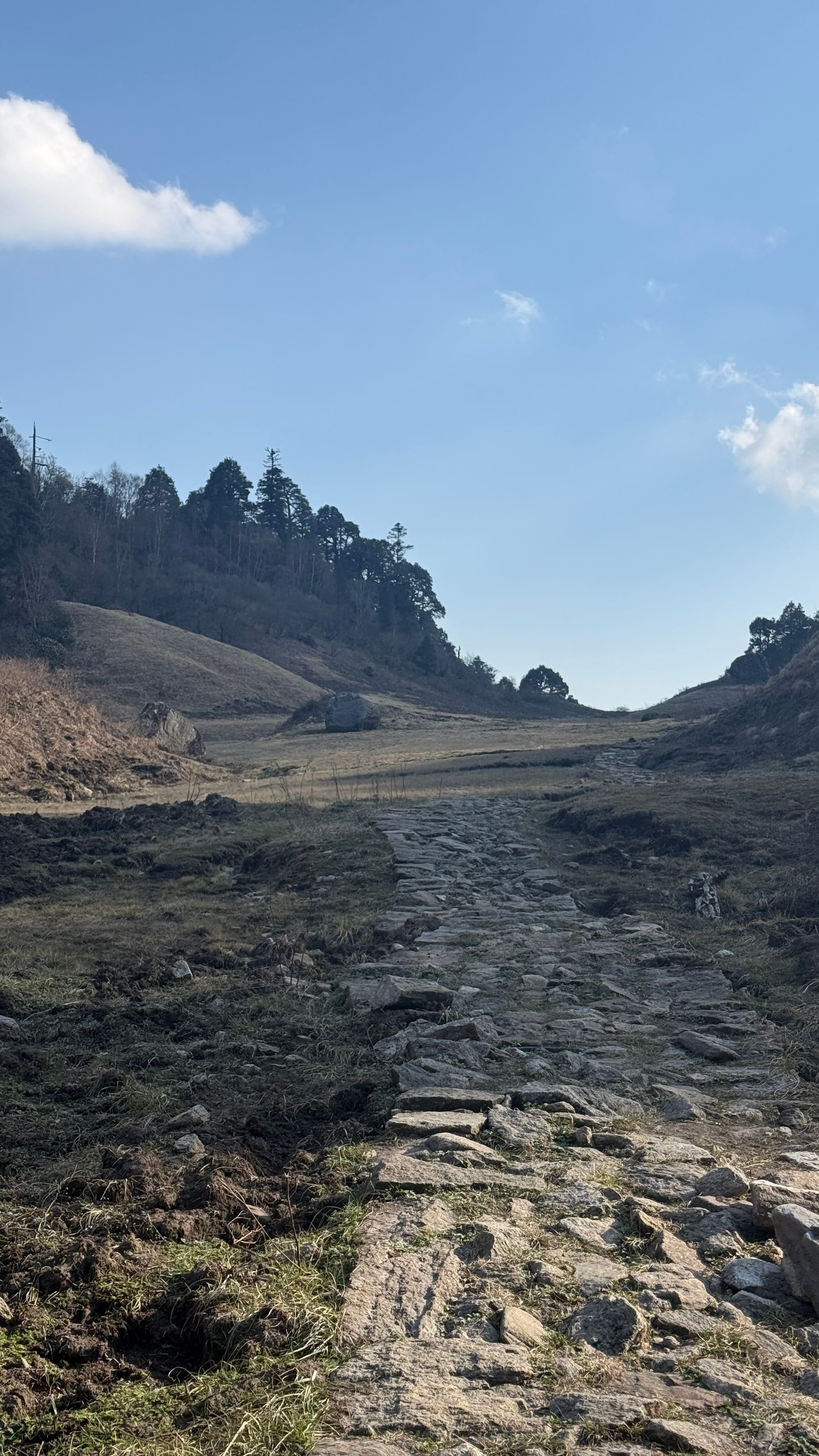
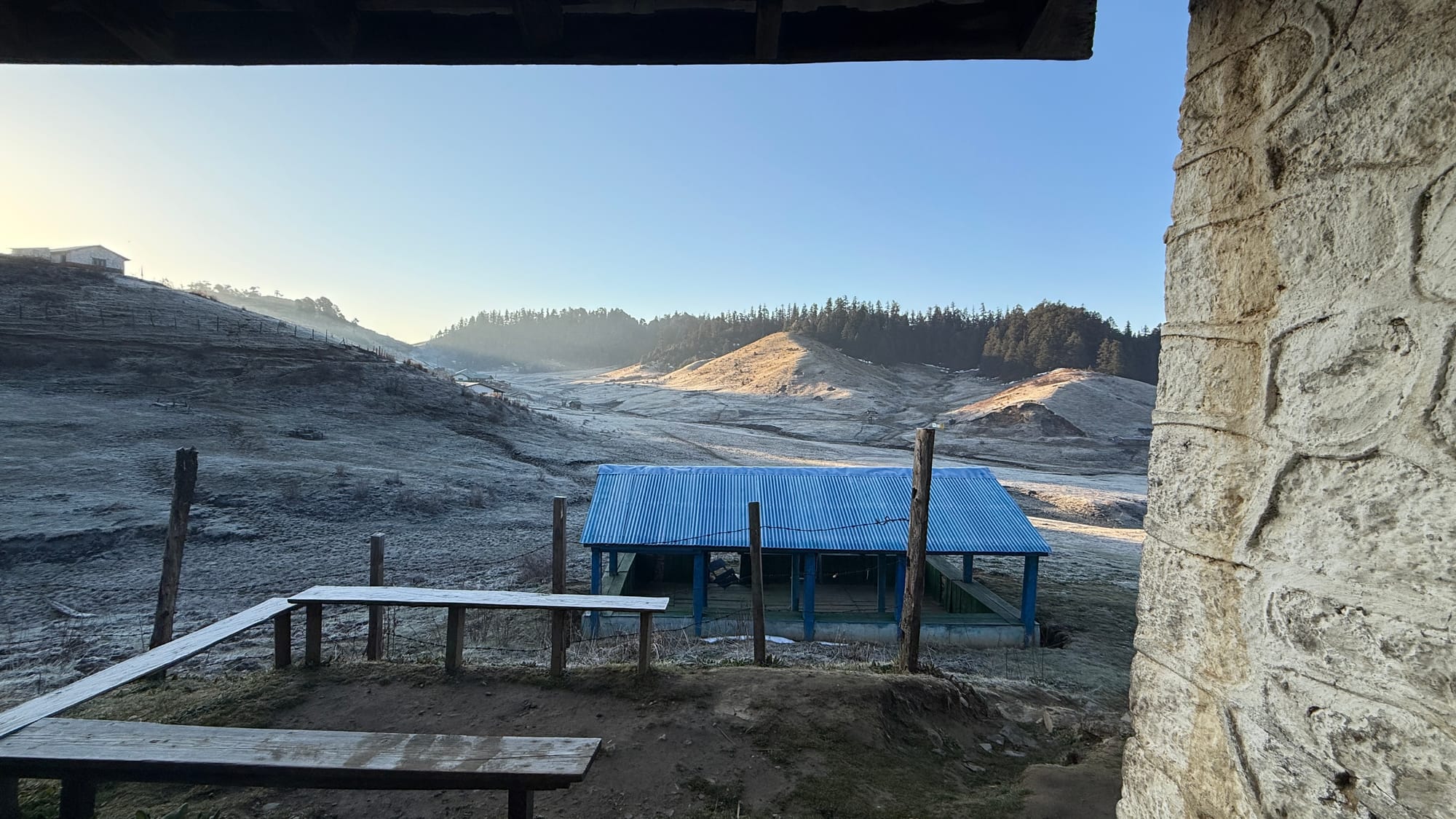
The final leg of the journey from Attariya to Dadeldhura is where the scenery changes dramatically. The flat terrain slowly transforms into winding hill roads surrounded by forests, rivers, and steep landscapes. The air becomes cooler and fresher as altitude increases. This stretch is both challenging and rewarding, offering some of the most beautiful views of far-western Nepal. Small villages appear along the hillsides, showcasing traditional lifestyles and warm hospitality.
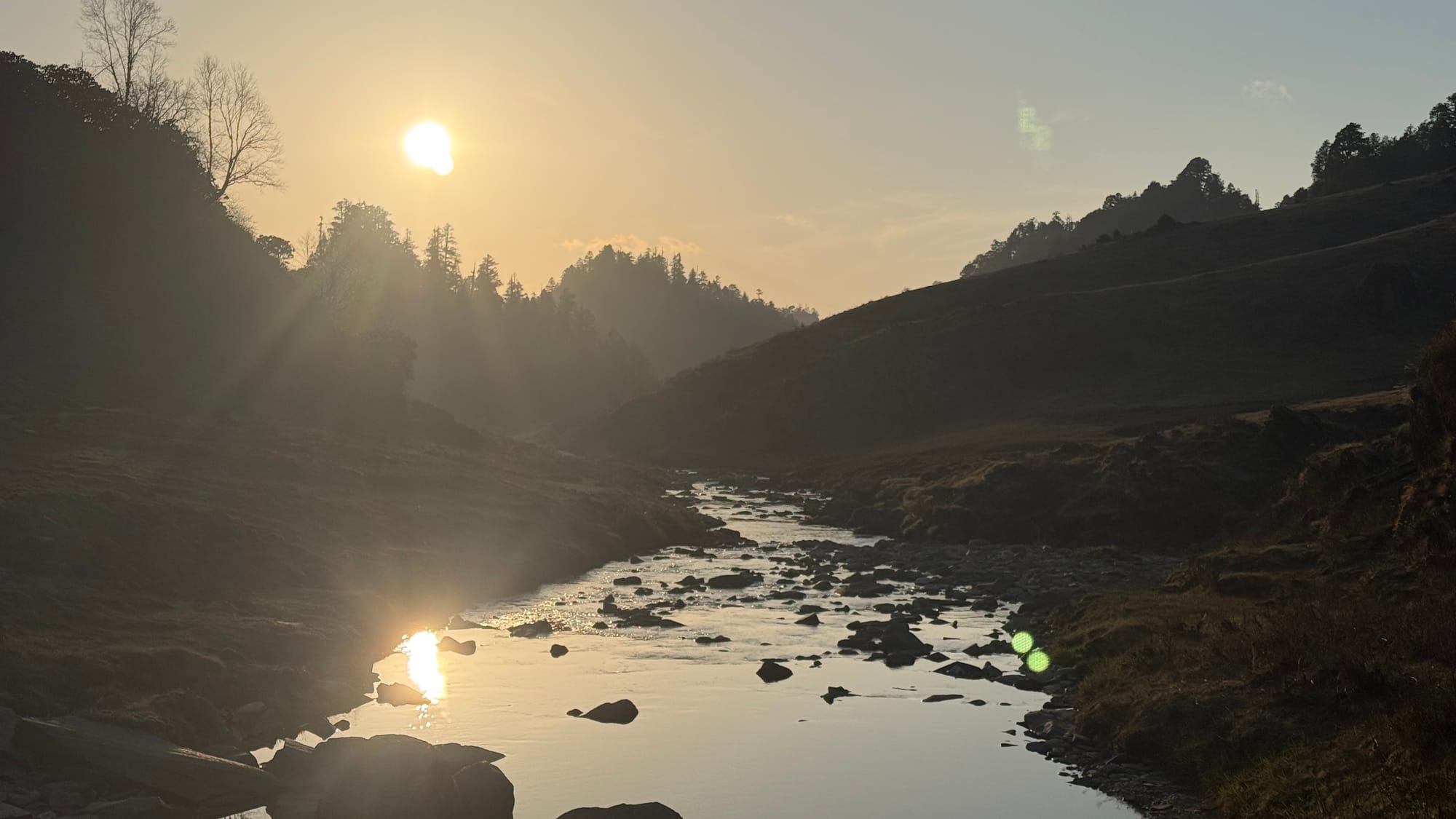
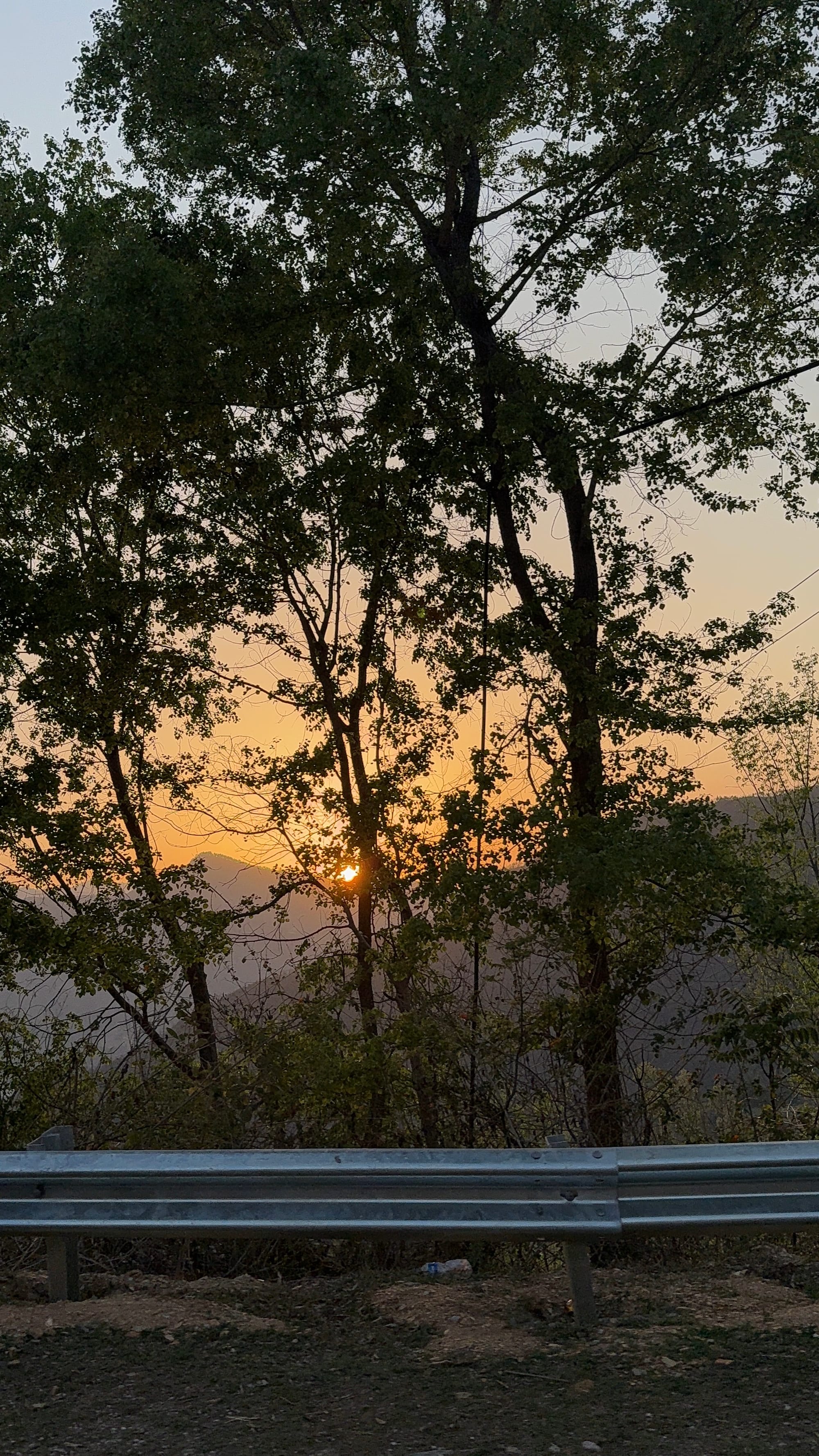
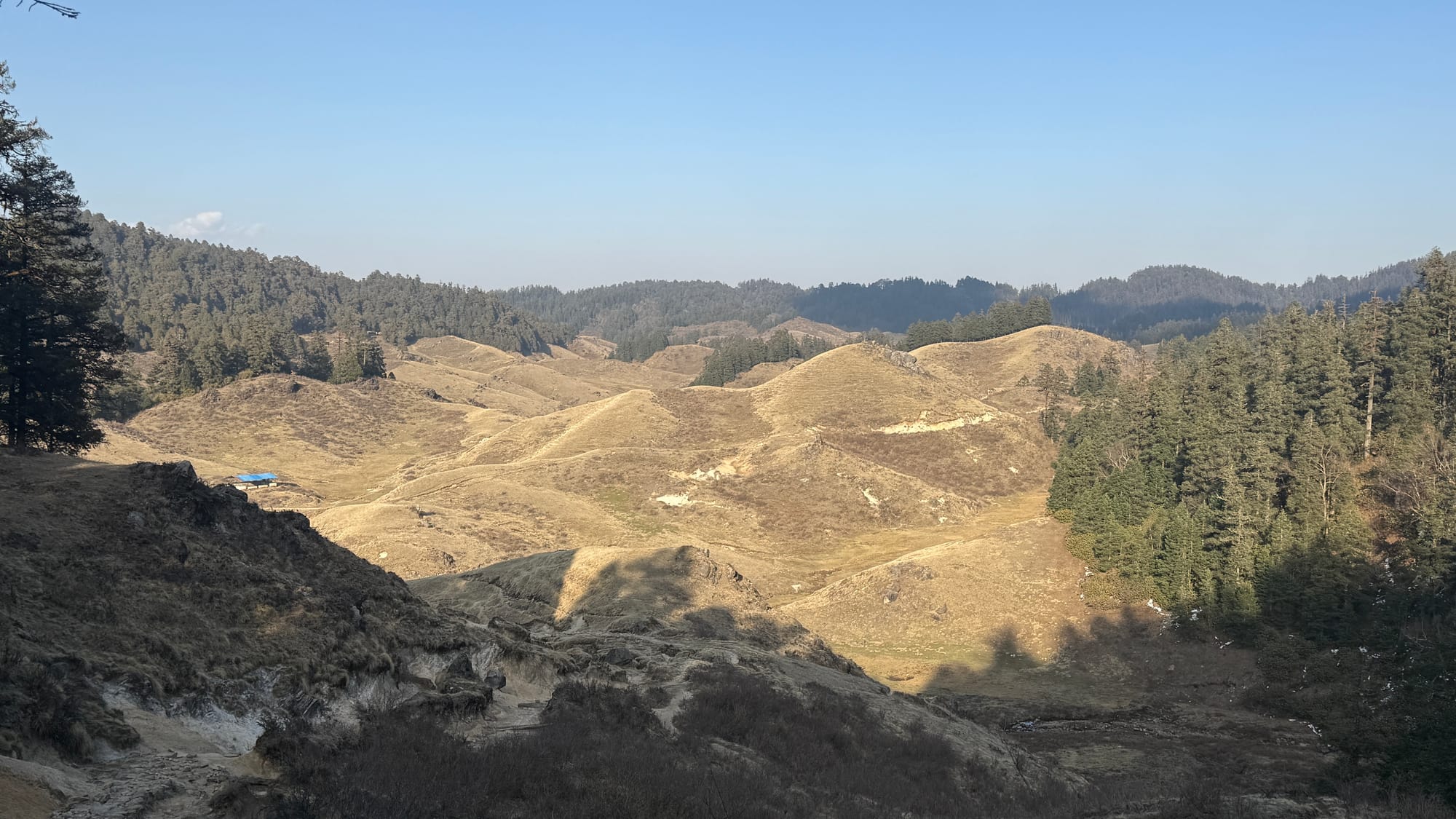
Finally, the journey ends in Dadeldhura, often referred to as the “Queen of Hills” in the far-west region. The district is known for its peaceful environment, clean air, and breathtaking panoramic views of layered hills. Unlike the busy cities left behind, Dadeldhura offers silence, greenery, and a deep sense of calm. Sunset views here are especially remarkable, painting the sky in golden and orange tones over endless hills.
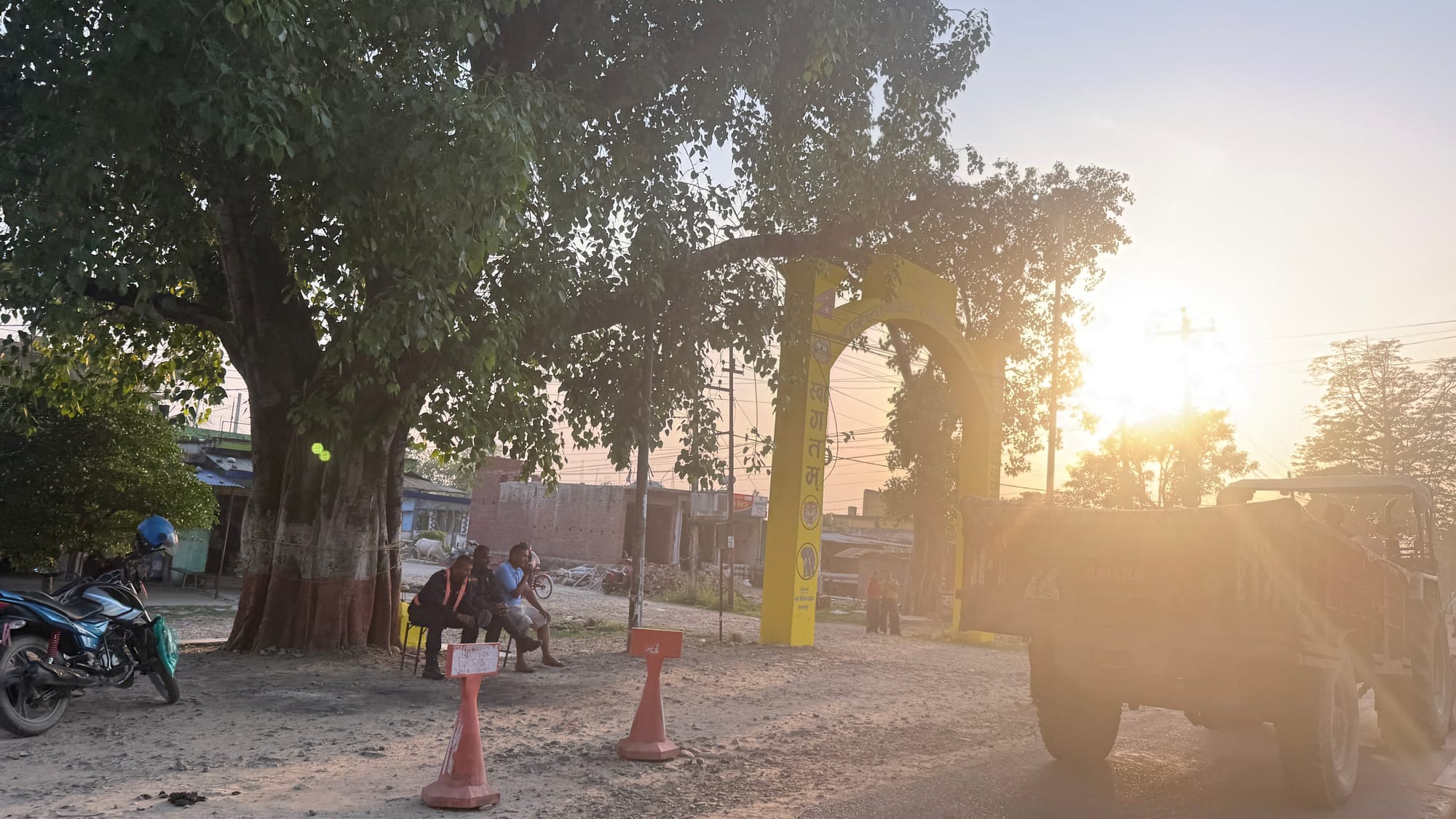
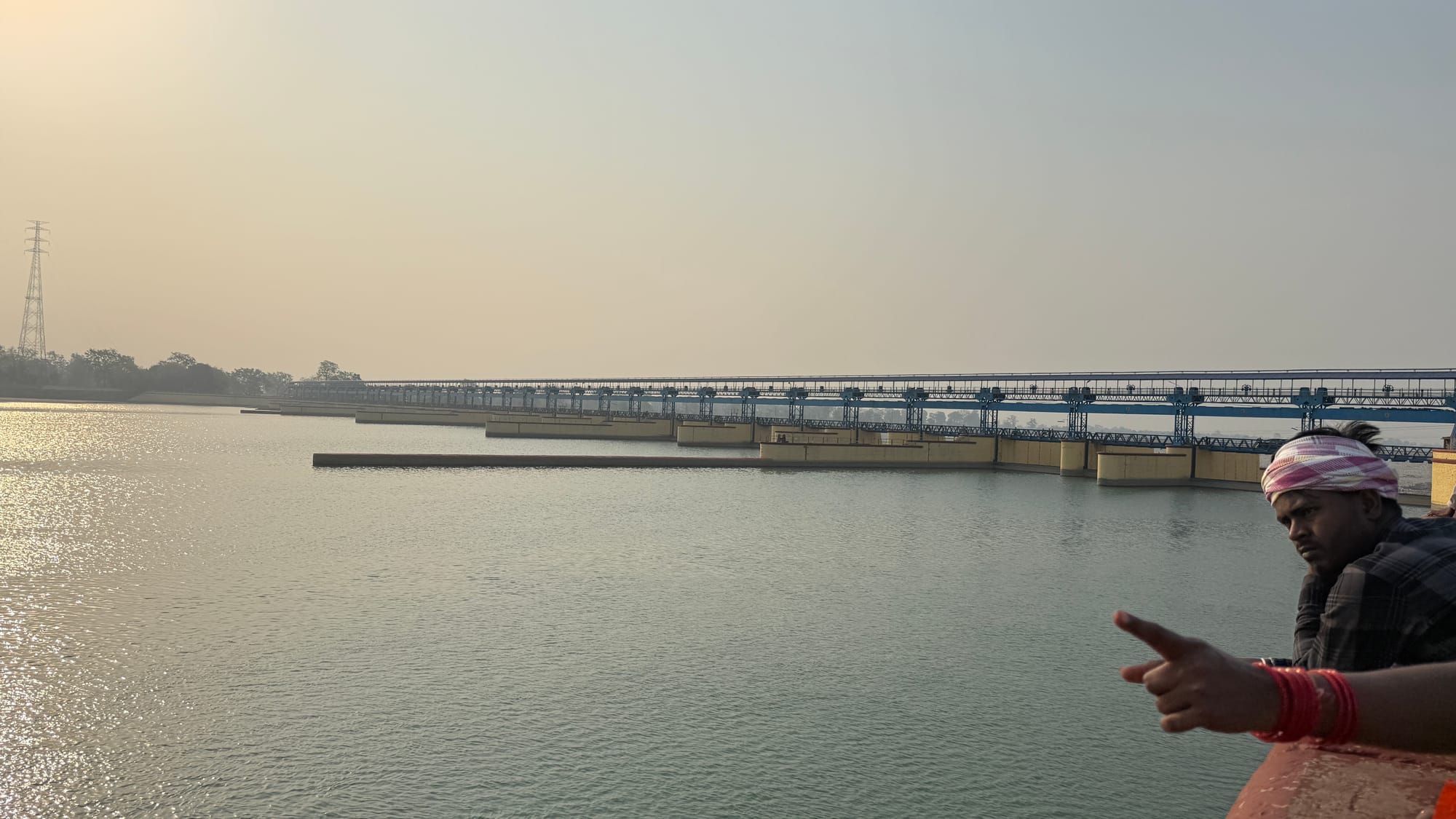
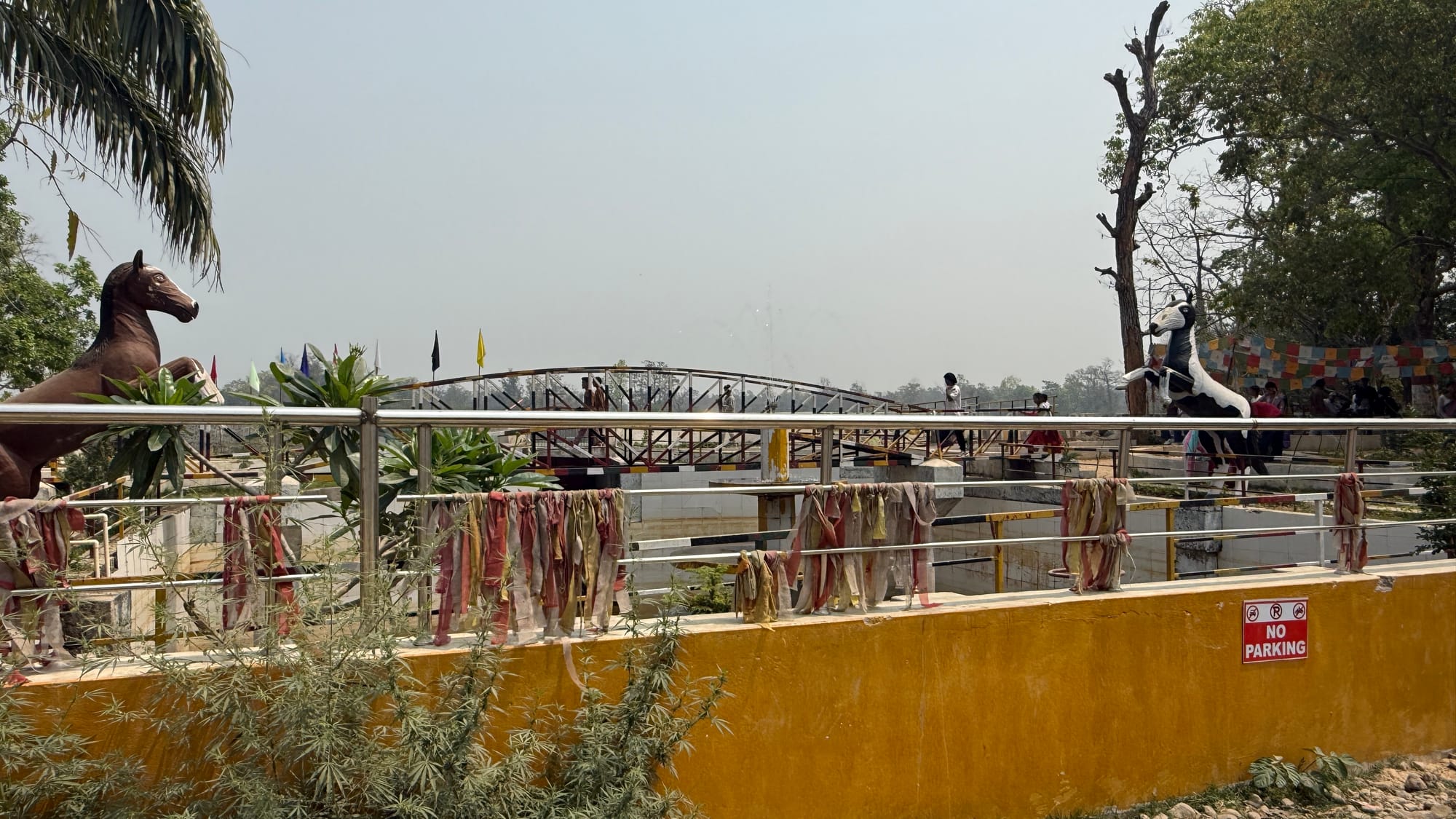
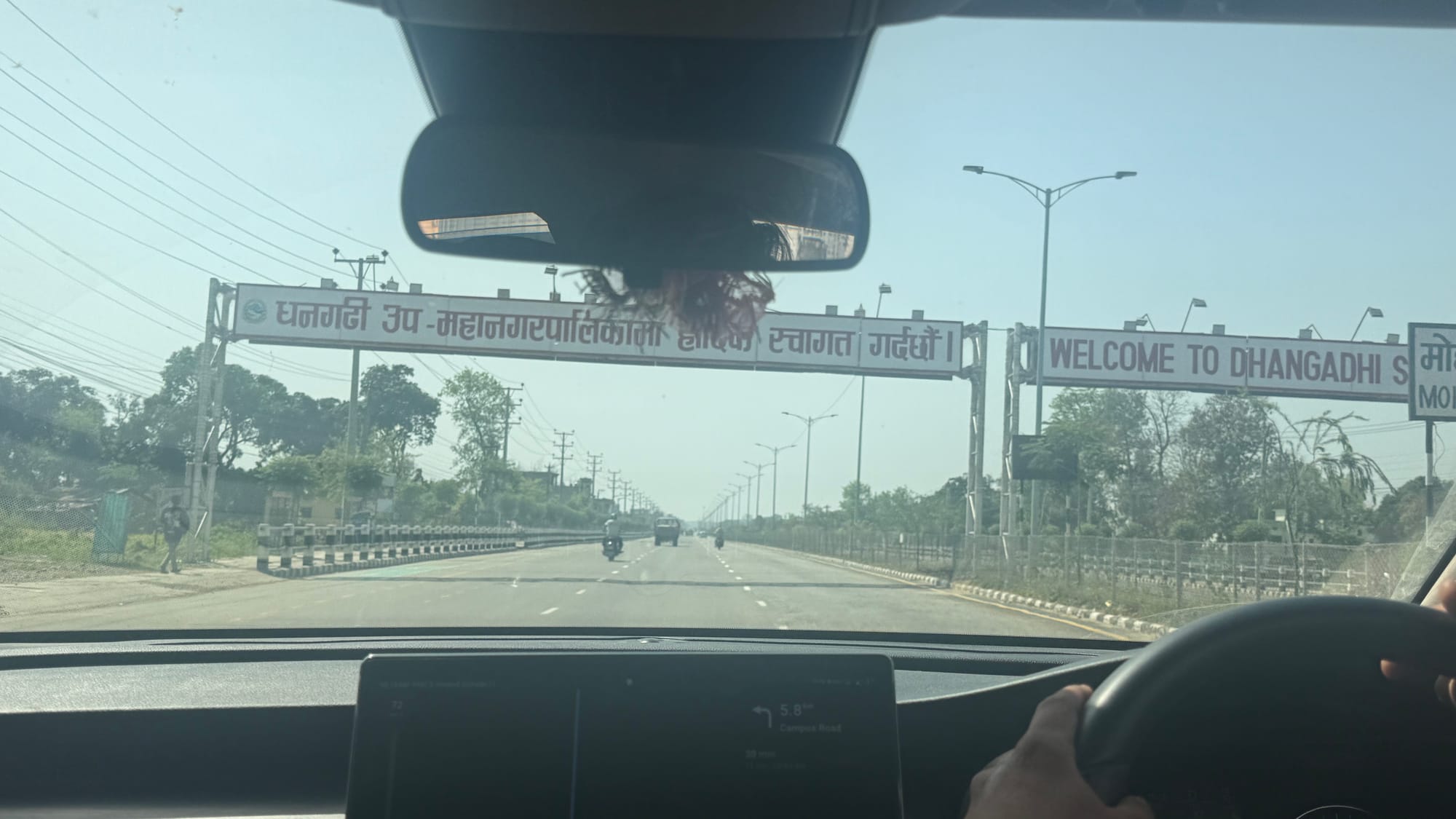
This road journey from Bharatpur to Dadeldhura is more than just travel—it is a transition through Nepal’s living diversity. From fertile plains to spiritual heritage, from bustling border cities to peaceful hill landscapes, the route captures the essence of the country in one continuous experience. For domestic tourists, it is an opportunity to rediscover Nepal. For Indian travelers, it is a seamless cultural and geographical journey into the heart of the Himalayas.
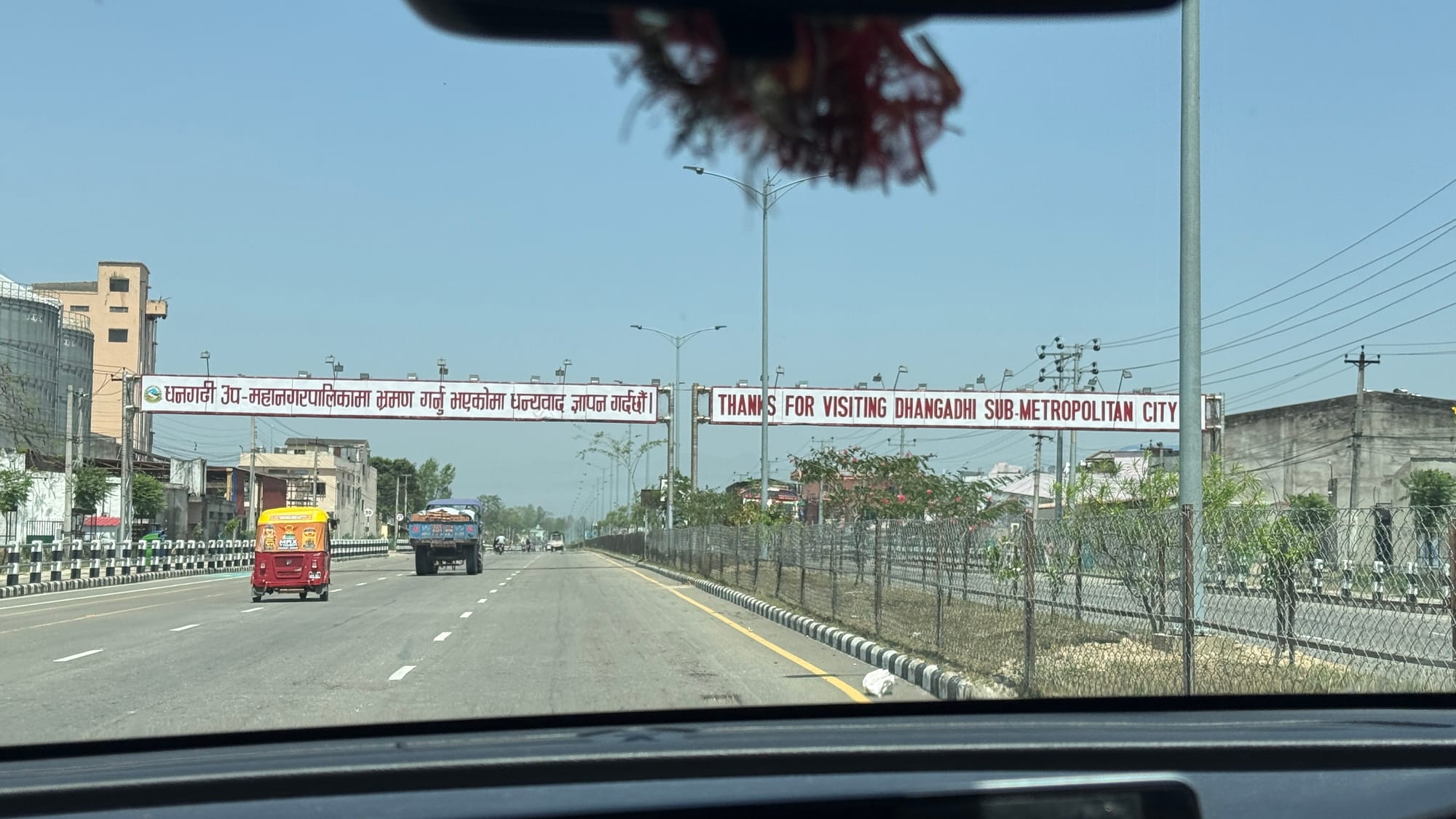
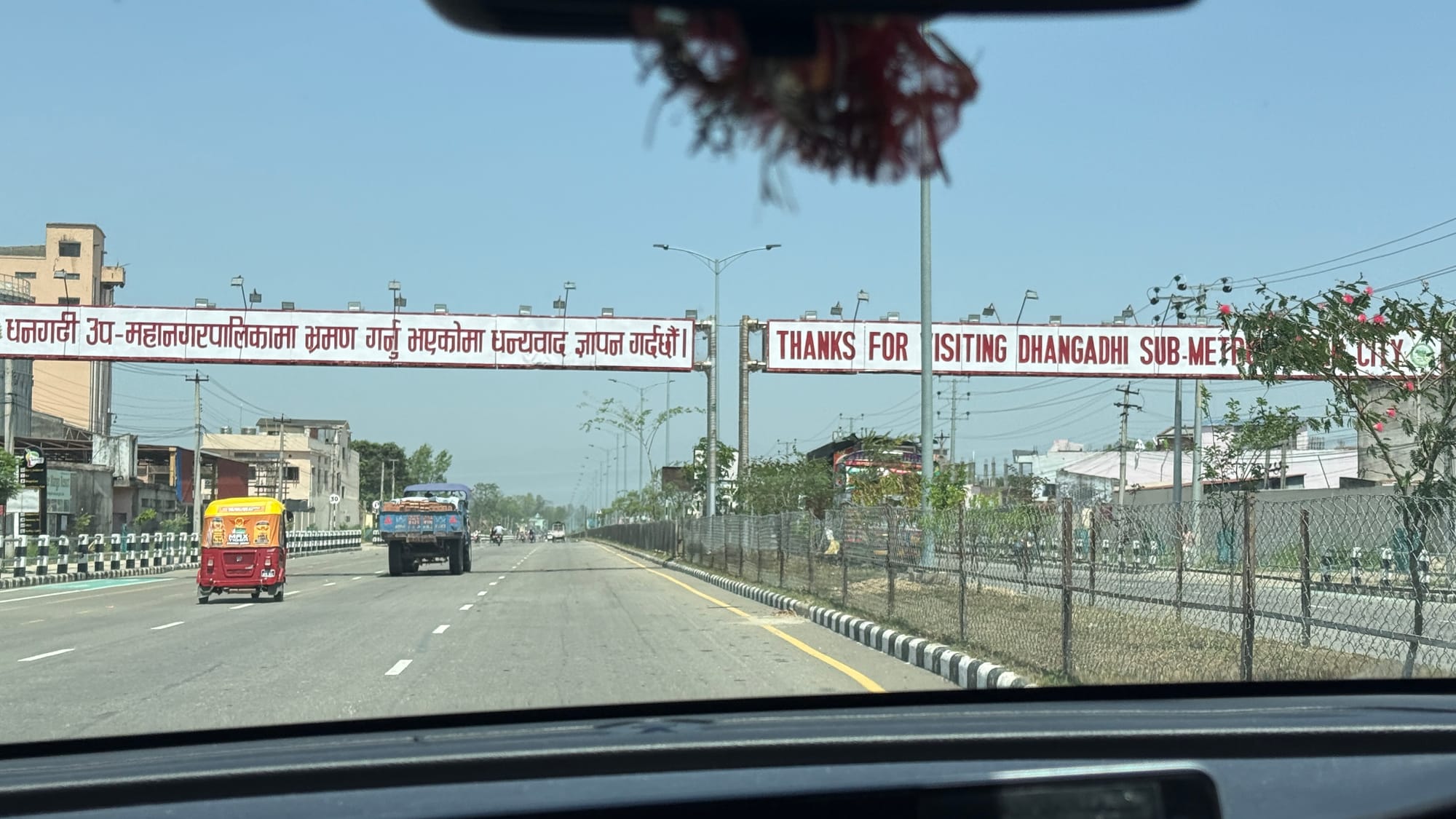
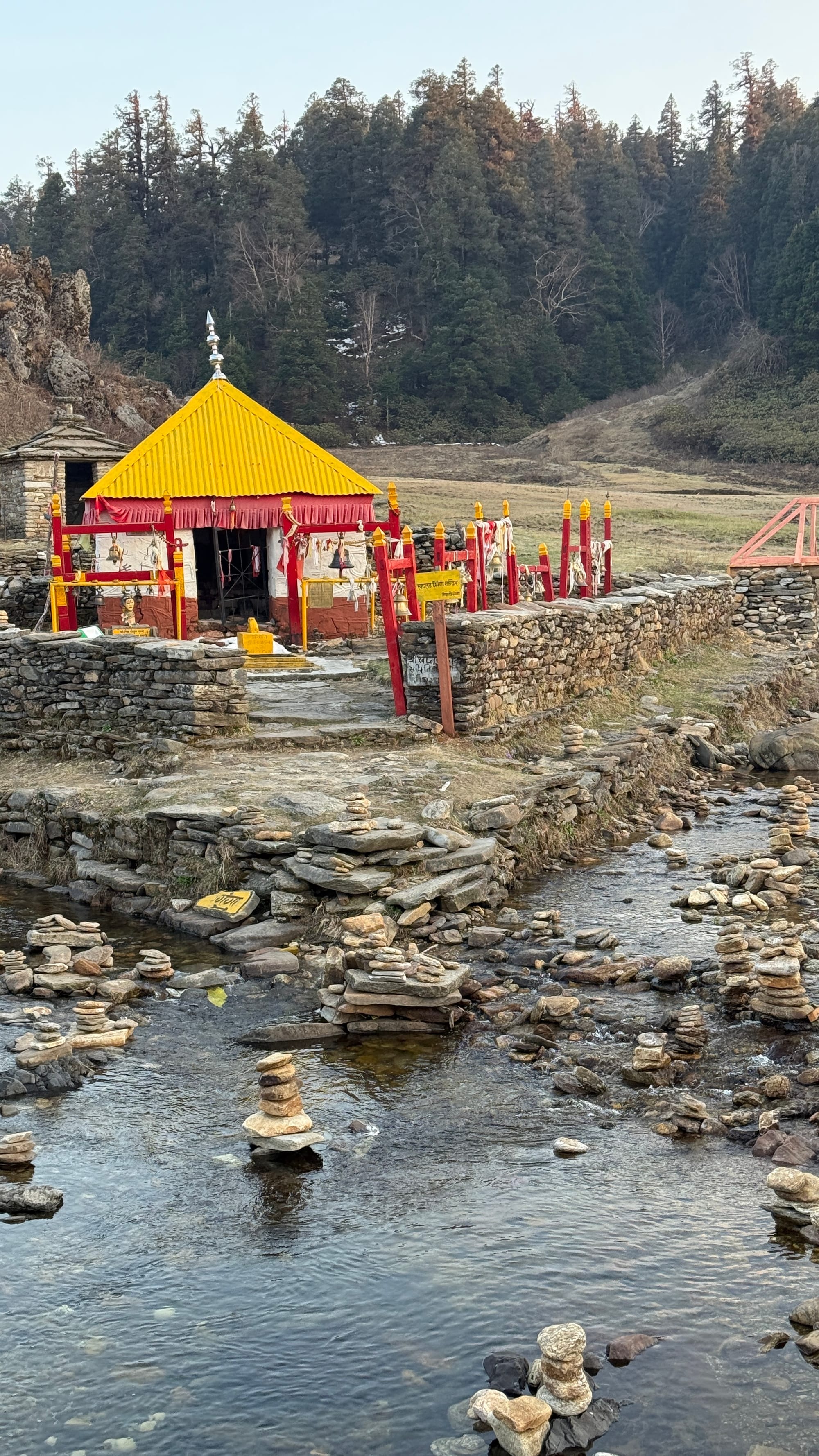
In the end, this route is not just about reaching a destination—it is about experiencing Nepal in motion, where every stop tells a different story and every kilometer brings a new perspective.