Samsung Becomes a $1 Trillion Company, Marking a New Era in Global Tech
Samsung’s rise to a trillion-dollar valuation reflects the strength of its diversified business model. Unlike many of its competitors, Samsung operates across multiple sectors

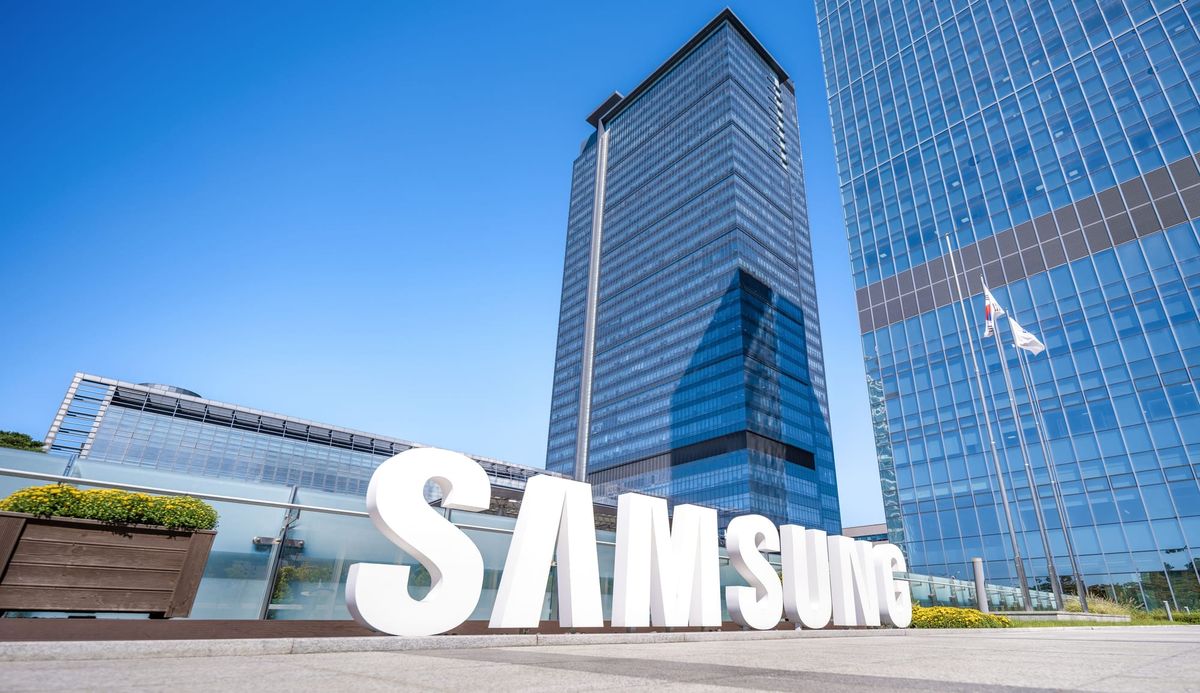
In a historic milestone for the global technology industry, Samsung Electronics has officially crossed the $1 trillion market capitalization mark, joining an elite group of tech giants that have reshaped the modern digital economy.
The achievement places Samsung alongside industry leaders such as Apple, Microsoft, and Amazon—companies that have dominated global markets through innovation, scale, and strategic expansion.
A Milestone Driven by Diversification
Samsung’s rise to a trillion-dollar valuation reflects the strength of its diversified business model. Unlike many of its competitors, Samsung operates across multiple sectors, including:
- Consumer electronics (smartphones, TVs, appliances)
- Semiconductor manufacturing
- Display technologies
- Telecommunications infrastructure
Its semiconductor division, in particular, has played a crucial role. As global demand for chips surged—driven by AI, cloud computing, and electric vehicles—Samsung positioned itself as a key supplier, competing closely with TSMC.
Smartphone Leadership and Innovation
Samsung has maintained its position as one of the world’s leading smartphone manufacturers, consistently rivaling Apple in global shipments. Its flagship Galaxy series, along with innovations in foldable devices, has helped the company stay ahead in a highly competitive market.
The success of foldable smartphones, in particular, has been a game-changer. Samsung’s early investment in flexible display technology allowed it to dominate this emerging segment while competitors struggled to catch up.
Strategic Investments in AI and Future Tech
The company’s trillion-dollar valuation also reflects growing investor confidence in its future strategy. Samsung has been heavily investing in:
- Artificial Intelligence (AI)
- 5G and next-generation connectivity
- Advanced chip manufacturing (3nm and beyond)
- Smart home ecosystems
These investments position Samsung to play a central role in the next wave of technological transformation.
Global Impact and Economic Significance
Headquartered in Seoul, Samsung is not only a corporate giant but also a cornerstone of South Korea’s economy. The company accounts for a significant share of the country’s GDP and exports, making its growth a matter of national importance.
What This Means for the Tech Industry
Samsung reaching the $1 trillion mark signals a broader shift in the global tech landscape. It highlights:
- The growing importance of hardware + semiconductor integration
- Asia’s rising dominance in global technology markets
- Increased competition in AI and chip manufacturing
As the race for technological supremacy intensifies, Samsung’s milestone underscores its transformation from a consumer electronics brand into a full-scale global tech powerhouse.