How to Build a Data Analytics Portfolio That Gets You Hired
The first step in building a portfolio is choosing where to present your work. You can use a personal website, GitHub, LinkedIn, Notion, or another simple online platform. The goal is to make your work easy to view, easy to understand, and easy to share.


A data analytics portfolio is one of the best ways to show employers what you can do.
Instead of only listing skills on a resume, a portfolio lets you prove them through real projects, dashboards, case studies, and analysis examples. This is especially important for beginners because many of them do not have job experience yet. A strong portfolio can help you stand out, show your problem-solving ability, and make hiring managers trust your skills. This article explains how to build a portfolio that looks professional and gets attention from recruiters.
Choose the right platform
The first step in building a portfolio is choosing where to present your work. You can use a personal website, GitHub, LinkedIn, Notion, or another simple online platform. The goal is to make your work easy to view, easy to understand, and easy to share.
If your portfolio is messy or hard to navigate, recruiters may lose interest quickly. A clean and simple layout helps people focus on your projects instead of struggling to find them. Even a basic portfolio can look professional if it is well organized.
Include 3 to 5 strong projects
A good portfolio does not need a large number of projects. What matters more is quality, clarity, and relevance. Three to five strong projects are usually enough if they show different skills and are completed properly.
For example, you can include one SQL project, one Python project, one dashboard project, and one data cleaning project. This variety shows that you can work with different tools and solve different types of problems. Recruiters often prefer a few complete projects over many unfinished ones.
Show real business problems
Your projects should solve real or realistic problems. Employers want to see that you can think like an analyst, not just run code. A good project should answer a business question, find useful insights, and explain what those insights mean.
For example, instead of just analyzing a random dataset, you could examine sales trends, customer behavior, or website performance. When a project connects to a real-world scenario, it becomes more valuable. It shows that you understand how data is used in decision-making.
Clean and explain your work clearly
A portfolio should not only show the final result. It should also show how you got there. That means explaining your process, your tools, and the steps you took to clean and analyze the data.
If you used Excel, SQL, Python, or Power BI, mention why you chose those tools. If you removed missing values, created charts, or built a dashboard, explain those actions in simple language. Clear explanations help recruiters understand your thinking and your technical ability.
Use dashboards and visualizations
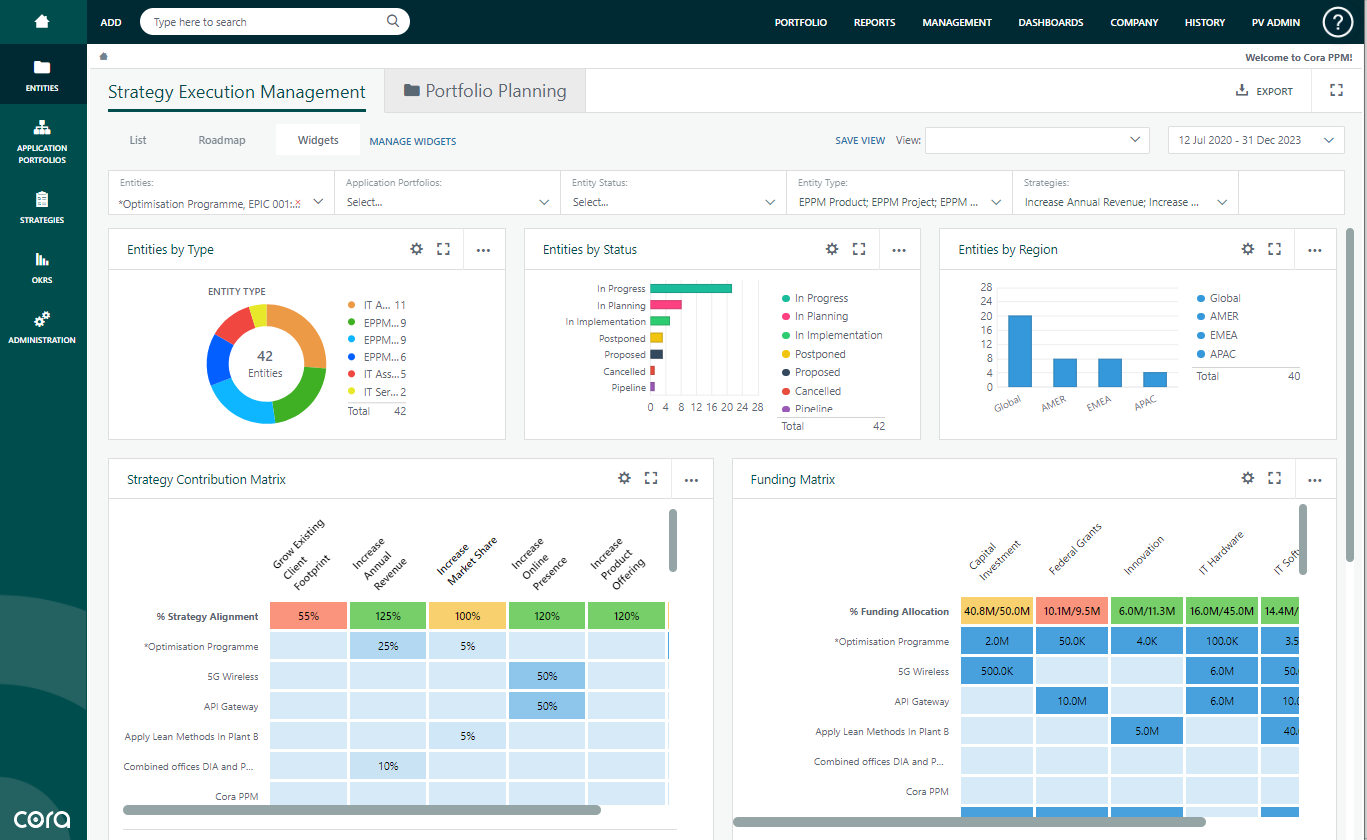
Visuals make your portfolio more attractive and easier to understand. Dashboards, charts, and graphs help show your analysis in a professional way. They also make your work look more practical and business-focused.
For example, a Power BI or Tableau dashboard can show sales trends, customer growth, or product performance. These visuals give employers a quick view of your skills. A portfolio with strong visuals is often more memorable than one with only text or code.
Write case studies for each project
A case study explains the story behind a project. It should cover the problem, the data used, the process, the findings, and the final result. This format helps recruiters see how you think and how you solve problems.
A simple case study can include sections like "objective," "tools used," "steps taken," and "key insights." This structure makes your project easier to follow. Case studies are especially useful because they show both technical skill and communication skill.
Focus on presentation
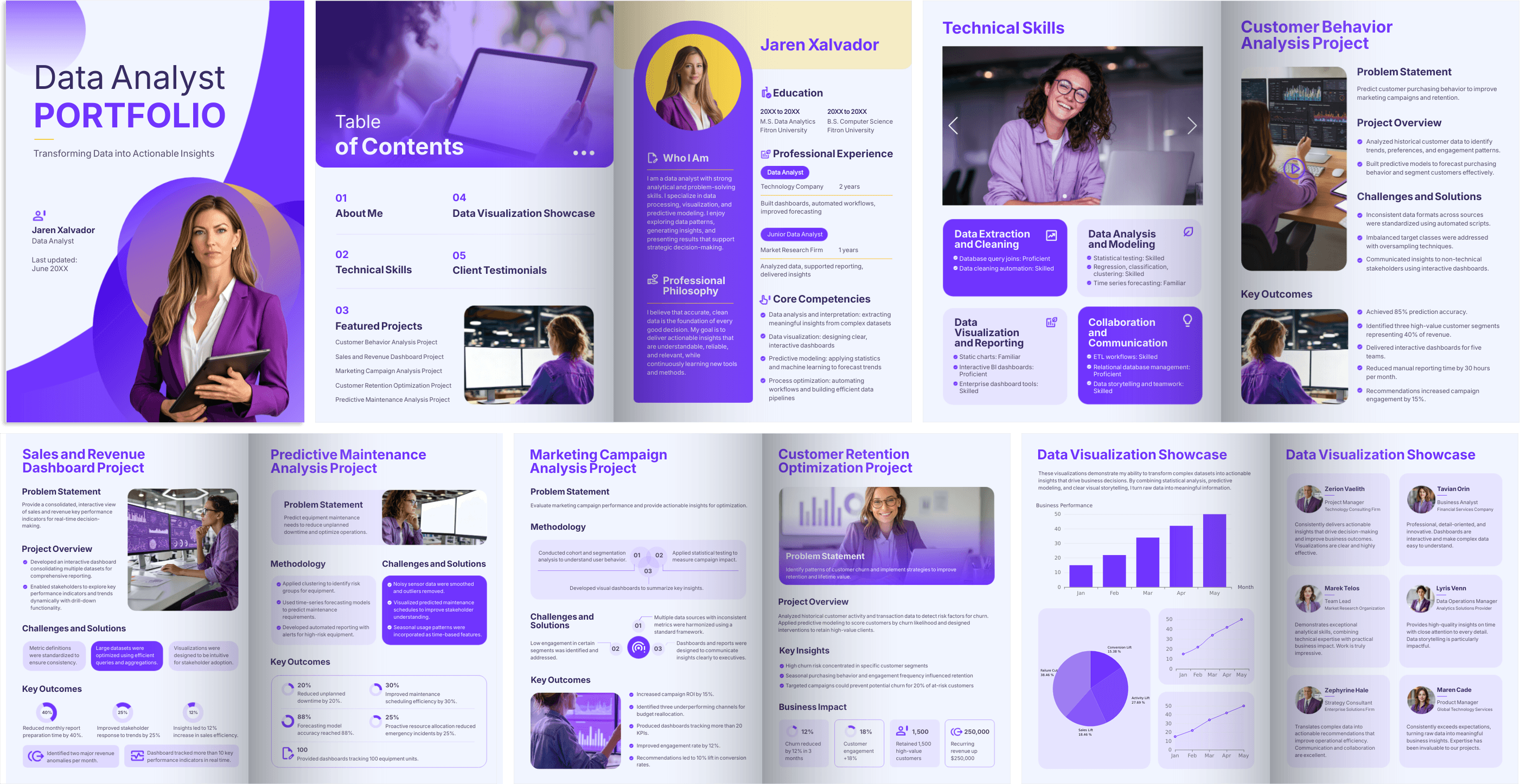
Presentation is very important in a portfolio. Even a good project can look weak if it is not displayed properly. Use clear headings, short descriptions, and a neat layout so people can read your work easily.
Avoid clutter, confusing colors, or too much technical jargon. Recruiters often spend only a short time reviewing a portfolio, so your work should be easy to scan. A polished presentation shows that you care about detail and professionalism.
Add links and supporting files
If possible, include links to your code, dashboards, reports, or datasets. This makes your work more trustworthy because employers can inspect the details if they want to. It also shows that you are transparent and organized.
For example, you can link to GitHub for code, Google Drive for reports, or Power BI Public for dashboards. Supporting files give your portfolio more depth. They also make it easier for hiring managers to review your work quickly.
Keep your portfolio updated
A portfolio should not stay the same forever. As you learn new tools and complete better projects, you should update it regularly. A current portfolio shows growth and keeps your skills relevant.
For example, if you learn Power BI after Excel, you can add a new dashboard project. If you improve a previous project, you can replace the old version with a stronger one. Updating your portfolio shows that you are serious about learning and improvement.
Make it easy for recruiters to contact you
A portfolio should always include your contact information. Recruiters should be able to reach you without searching too hard. Add your email, LinkedIn profile, and any other professional profile you use.
This small step is very important because it makes networking easier. A strong portfolio can attract interest, but people must be able to contact you easily. Clear contact details help turn interest into opportunities.
Conclusion
A good data analytics portfolio is one of the most powerful tools for getting hired. It shows your skills, your thinking, and your ability to solve real problems. By choosing the right platform, adding strong projects, writing case studies, and presenting your work clearly, you can create a portfolio that stands out. Beginners do not need to be perfect; they just need to show real effort, good structure, and practical skills. If you keep improving your portfolio over time, it can become one of your strongest job-search assets.