What really Autism is
Autism is a developmental condition related to the brain and nervous system. It impacts social interaction, language use, sensory perception, and behavior in children. The term “spectrum” highlights the wide range of variations and intensity in this condition.

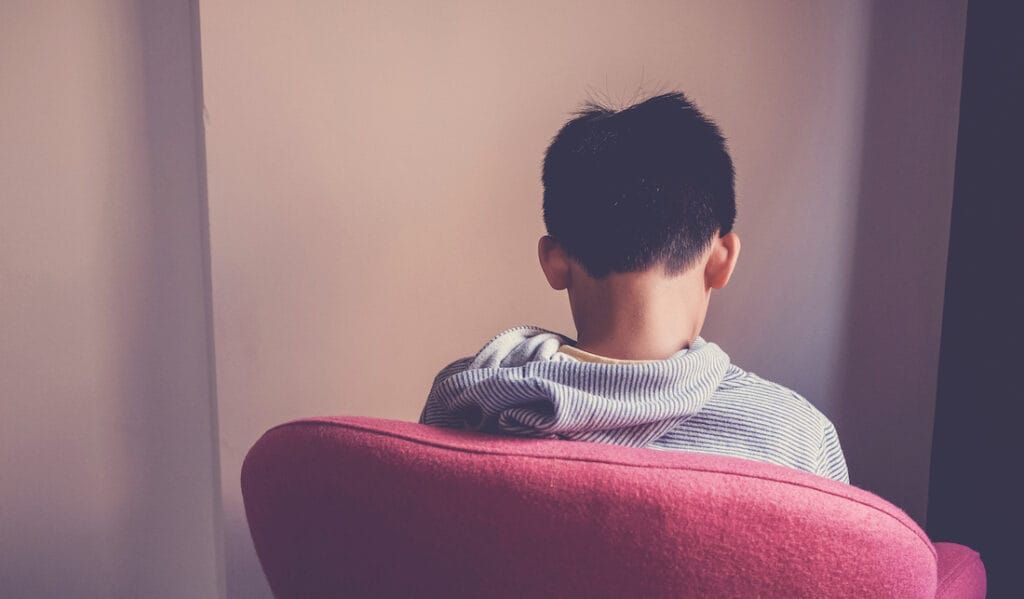
In today’s modern era, as technology advances rapidly and awareness about physical and mental health grows, there remains a condition that is still largely misunderstood: Autism, known in English as Autism Spectrum Disorder (ASD). Autism is not just a disease—it is a neurodevelopmental disorder that affects an individual’s social behavior, communication skills, thinking patterns, and emotional responses.
Autism is a developmental condition related to the brain and nervous system. It impacts social interaction, language use, sensory perception, and behavior in children. The term “spectrum” highlights the wide range of variations and intensity in this condition.
Some children with autism may show extraordinary abilities in certain areas, while others may require support for everyday tasks. Autism is often evident from birth, though some challenges may appear after the age of two. It can affect a child’s environment, relationships, education, and self-confidence. However, early identification, supportive therapy, and collaborative care can bring remarkable improvements in the life of a person with autism.
Social and Behavioral Traits
Children with autism often experience difficulties in social interactions. They may feel uncomfortable making eye contact, have trouble understanding others’ emotions, avoid group activities or play, and struggle to interpret gestures. Speech may be delayed, repetitive words or phrases may be used, and understanding sign language or non-verbal cues can be challenging.
 Birat Info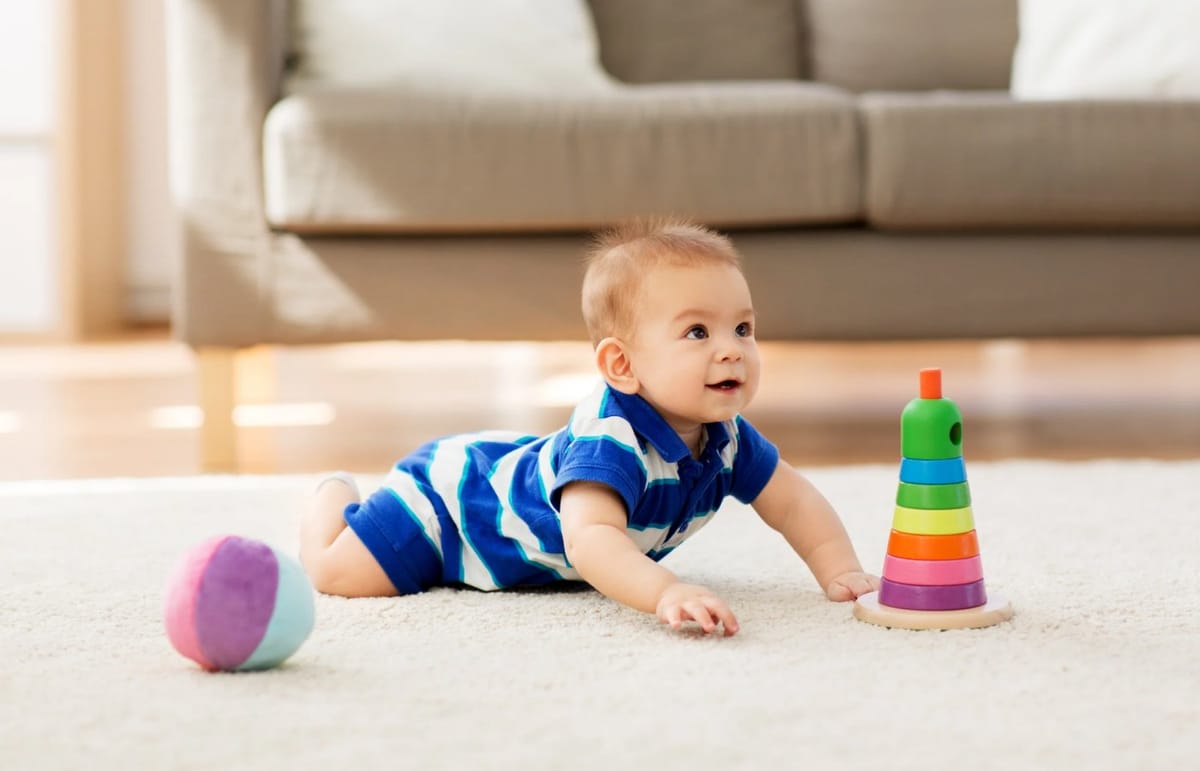
Some may produce unusual sounds, remain unusually quiet, or engage in repetitive behaviors such as hand-flapping, jumping, or spinning. These children may prefer strict routines, feel anxious around new people or places, and react unusually to smells, lights, or sounds. Some may not play like other children, learn more slowly, or lag in social development.
Causes of Autism
The exact cause of autism is not yet scientifically proven. However, research suggests several potential factors:
- Genetics: Autism can run in families, and certain gene changes may affect brain development.
- Brain development issues: Obstacles during fetal brain development, oxygen deficiency, infections, or exposure to harmful chemicals can impact normal brain growth.
- Environmental factors: High stress during pregnancy, prolonged exposure to smoke or pollution, premature birth, maternal nutritional deficiencies, or long-term postnatal health issues may increase the likelihood of autism.
Treatment and Therapy
Currently, there is no complete cure for autism. This means no medication can instantly “cure” the condition. However, early diagnosis combined with proper therapy, practice, and social support can significantly reduce its impact. Detecting symptoms before the age of two and starting therapy promptly greatly increases the chances of positive outcomes. Children can become more independent and better participate in education, employment, and social life.
Treatment involves a collaborative approach including pediatricians, psychologists, speech therapists, parents, and teachers. Behavioral therapy helps increase positive behaviors and reduce negative ones. Speech therapists teach communication skills using sign language, gestures, and other techniques for children with delayed or no speech.
 Neuro Hospital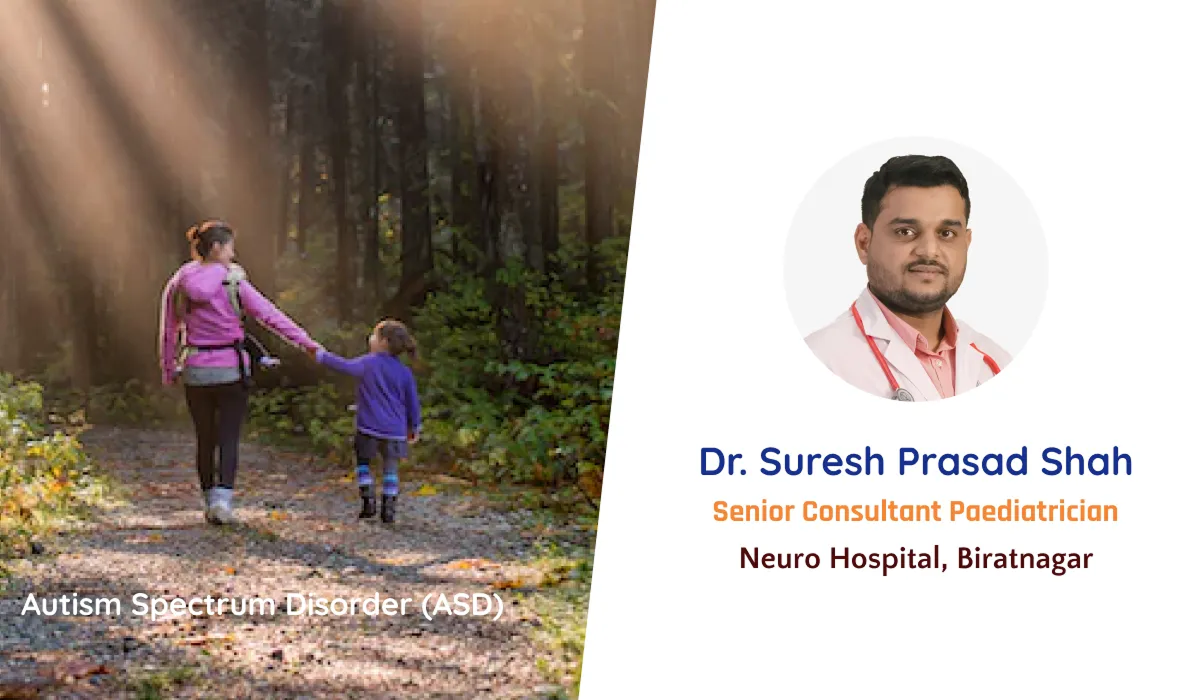
Occupational therapy helps children perform daily activities independently, while social skills development programs teach communication, interpersonal behavior, and problem-solving. Though there is no direct medication for autism itself, doctors may prescribe medicine to manage hyperactivity, depression, or severe anger when needed.
Role of Parents and Society
Parents play a crucial role in including children with autism in society. Patience, love, and continuous support can boost self-confidence. Participation in therapy sessions, monitoring progress, encouraging strengths, providing regular home practice, and maintaining communication with teachers are essential.
Understanding and supporting children according to their unique abilities rather than comparing them to others is critical.
Although Nepal has made progress in healthcare, challenges remain for sensitive issues like autism. Lack of public awareness, shortage of trained therapists, limited special education facilities, and restricted financial access are major barriers.
Many parents delay treatment due to shame, fear, or social stigma. However, some NGOs, children’s hospitals, and social activists are actively working in this area.
Need for Institutional Support
The government must expand special education and therapy services at a national level. Each district should have at least one therapy center, trained special education teachers, and parental awareness programs. Society as a whole must create an inclusive and supportive environment.
Autism is not a matter of shame. It is a condition that can be managed with proper understanding, scientific therapy, and human compassion. Timely intervention can help children lead independent and successful lives.
Autism is complex and manifests differently in each individual, but early detection, correct treatment, and loving support can have a profound impact. Only collective efforts by society, government, teachers, and parents can ensure a bright future for these children.