What is Go-to-Market Strategy
As businesses grow, expanding into new markets becomes an important strategy for increasing revenue and market share. Geographic expansion should be carefully planned based on customer demand, operational readiness, competitive conditions, and available resources.

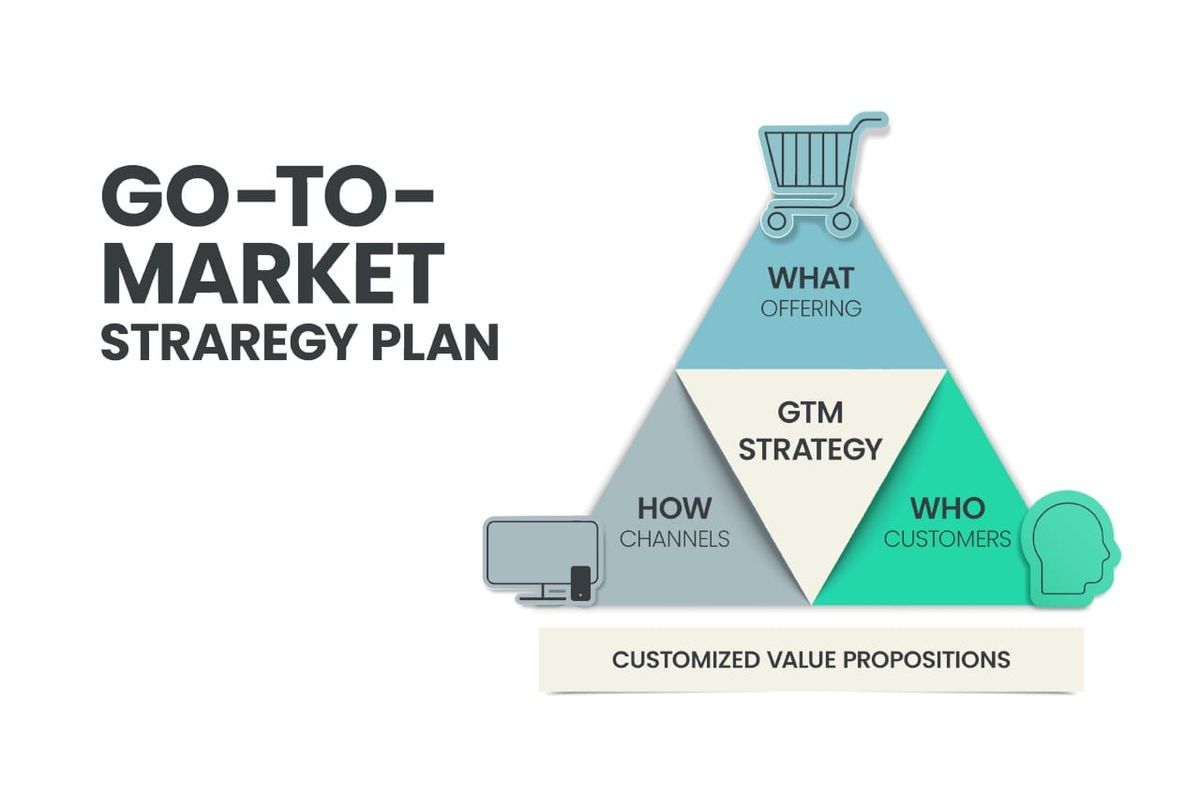
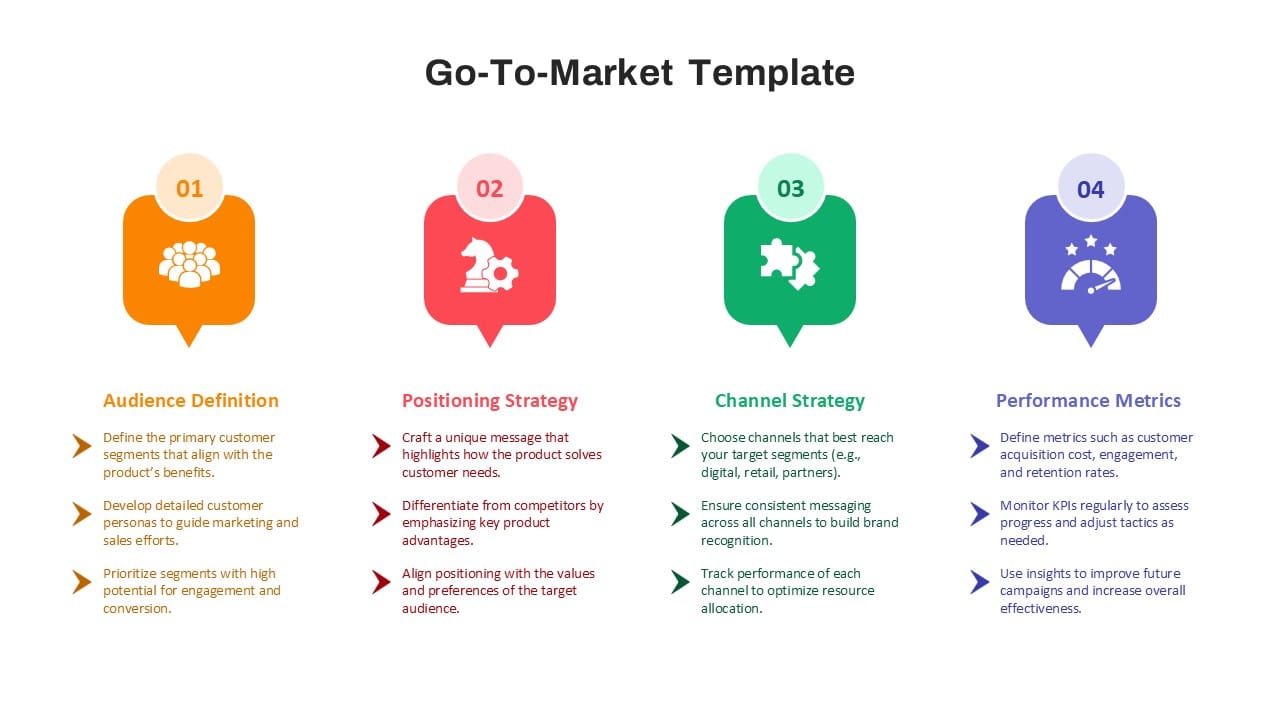
A Go-to-Market (GTM) strategy is a comprehensive plan that outlines how a business introduces its products or services to the market, reaches its target customers, and achieves sustainable growth. It serves as a bridge between product development and commercial success by defining who the customers are, how they will be reached, and how value will be delivered.
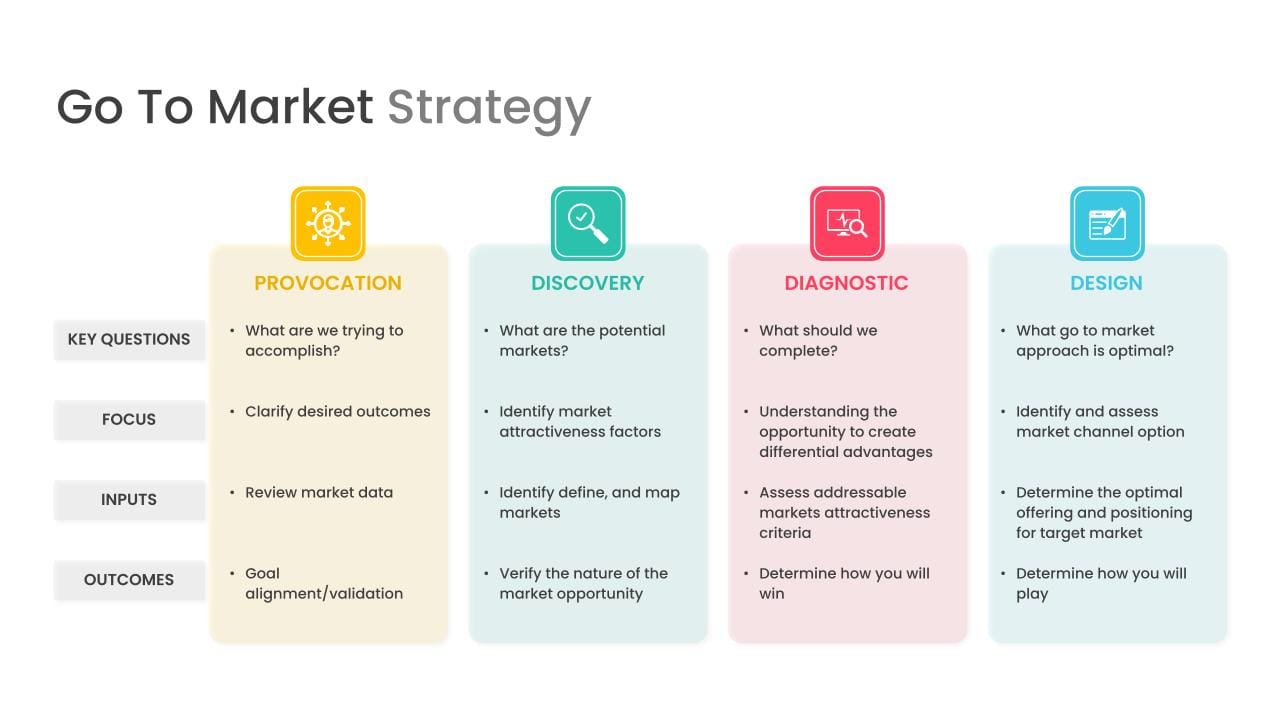
An effective GTM strategy minimizes market-entry risks, accelerates customer acquisition, optimizes marketing investments, and establishes a strong competitive position. Whether launching a new startup, introducing a new product, or expanding into a new region, a well-designed GTM strategy provides a clear roadmap for growth.
Understanding the Target Market
The foundation of every successful GTM strategy is a deep understanding of the target market. Businesses must identify the customers who are most likely to benefit from their products or services. This involves analyzing customer demographics, purchasing behavior, geographic location, income levels, preferences, and pain points.
Market research also includes evaluating industry trends, understanding competitors, and identifying gaps in existing solutions. By clearly defining customer segments, businesses can create products, messaging, and marketing campaigns that resonate with their intended audience.
Defining the Value Proposition
A compelling value proposition explains why customers should choose one product or service over another. It should clearly communicate the unique benefits, the problems being solved, and the value customers receive.
An effective value proposition focuses on customer outcomes rather than product features. Instead of simply describing what a product does, it explains how it saves time, reduces costs, improves convenience, enhances productivity, or delivers a better overall experience.
A strong value proposition becomes the core message used across marketing campaigns, sales presentations, and customer communications.
Building the Right Distribution Channels
Choosing the right distribution channels is essential for reaching customers efficiently. Modern businesses often adopt a multi-channel approach that combines digital and offline methods.
Digital channels may include websites, mobile applications, search engines, social media platforms, email marketing, online marketplaces, and digital advertising. Offline channels can include retail stores, distributors, strategic partnerships, events, direct sales teams, and community outreach programs.
Selecting the appropriate mix depends on customer behavior, industry characteristics, available resources, and business objectives.
Customer Acquisition Strategy
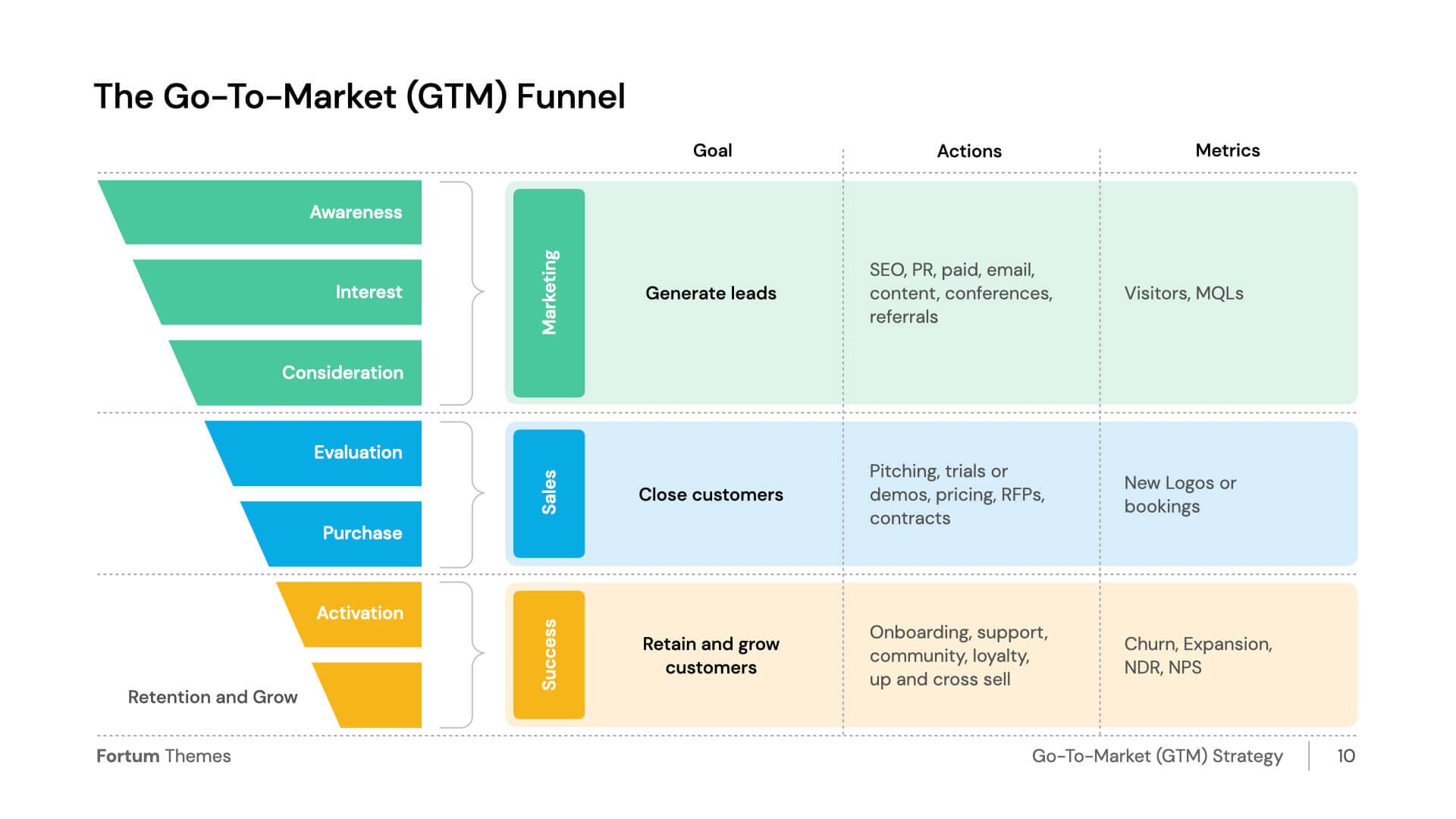
Acquiring customers requires a combination of awareness, engagement, and conversion activities. Businesses should develop marketing strategies that attract potential customers while guiding them through the purchasing journey.
Performance marketing, search engine optimization (SEO), content marketing, social media campaigns, influencer collaborations, referral programs, and public relations all contribute to increasing visibility and generating demand.
Educational content such as blogs, videos, webinars, tutorials, and case studies helps establish credibility and builds trust with potential customers before they make purchasing decisions.
Strategic Partnerships
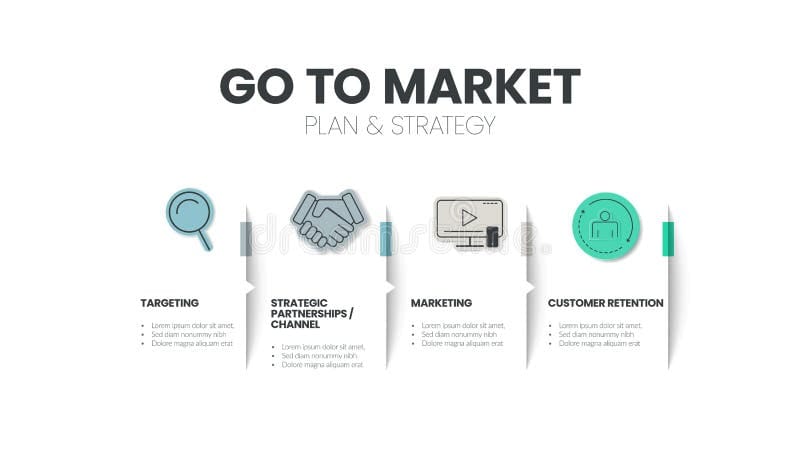
Partnerships can significantly accelerate market penetration and business growth. Collaborating with complementary businesses, industry associations, educational institutions, technology providers, distributors, and service organizations allows companies to expand their reach without building every capability internally.
Strategic partnerships create mutual value by sharing customers, resources, expertise, and marketing opportunities. They also help businesses enter new markets more quickly while reducing operational risks and costs.
Customer Experience and Retention
Acquiring customers is only the beginning. Long-term success depends on delivering exceptional customer experiences that encourage repeat purchases and positive word-of-mouth.
Businesses should focus on providing responsive customer support, transparent pricing, reliable service delivery, simple purchasing processes, and consistent product quality. Loyalty programs, referral incentives, personalized communication, and after-sales support further strengthen customer relationships.
Retaining existing customers is generally more cost-effective than constantly acquiring new ones, making customer satisfaction a critical component of any GTM strategy.
Geographic Expansion
As businesses grow, expanding into new markets becomes an important strategy for increasing revenue and market share. Geographic expansion should be carefully planned based on customer demand, operational readiness, competitive conditions, and available resources.
Many successful organizations adopt a phased expansion approach, establishing a strong presence in one region before entering additional cities, states, or countries. This method reduces operational complexity while allowing the business to refine its processes and customer experience.
Leveraging Technology
Technology plays a central role in modern Go-to-Market strategies. Digital platforms, cloud infrastructure, automation tools, customer relationship management (CRM) systems, artificial intelligence, and data analytics help businesses operate more efficiently and make informed decisions.
Automation streamlines repetitive tasks, improves customer communication, and enhances operational efficiency. Artificial intelligence can personalize customer experiences, forecast demand, optimize pricing, and support decision-making through predictive analytics.
Data-driven insights enable organizations to continuously improve marketing performance, customer engagement, and operational effectiveness.
Measuring Success
A successful GTM strategy requires continuous measurement and optimization. Businesses should define key performance indicators (KPIs) that align with their objectives and regularly evaluate progress.
Common metrics include customer acquisition cost (CAC), customer lifetime value (CLV), conversion rate, monthly active users, repeat purchase rate, average order value, revenue growth, customer satisfaction scores, retention rate, and return on marketing investment (ROMI).
Regular analysis of these metrics helps organizations identify strengths, address weaknesses, and adapt to changing market conditions.
Continuous Improvement
Markets evolve rapidly due to technological advancements, changing consumer preferences, and competitive pressures. A Go-to-Market strategy should therefore remain flexible and adaptable.
Businesses should continuously gather customer feedback, monitor industry trends, test new marketing approaches, evaluate competitor activities, and refine their products or services. Organizations that embrace continuous improvement are better positioned to sustain long-term growth and remain competitive.
Conclusion
A Go-to-Market strategy is far more than a product launch plan; it is a comprehensive framework for achieving sustainable business growth. By understanding customers, defining a compelling value proposition, selecting effective distribution channels, building strategic partnerships, leveraging technology, and measuring performance, businesses can successfully enter new markets and create lasting competitive advantages.
Organizations that invest time in developing and executing a well-structured Go-to-Market strategy are better equipped to attract customers, maximize resources, respond to market changes, and build strong, profitable businesses over the long term.