How to Prepare for a Virtual Interview
When you receive an interview invitation, read it properly. Note the date, time, online platform, meeting link, job title, and the name of the interviewer if it is provided. Some companies may also give instructions about documents, presentations, or tests.

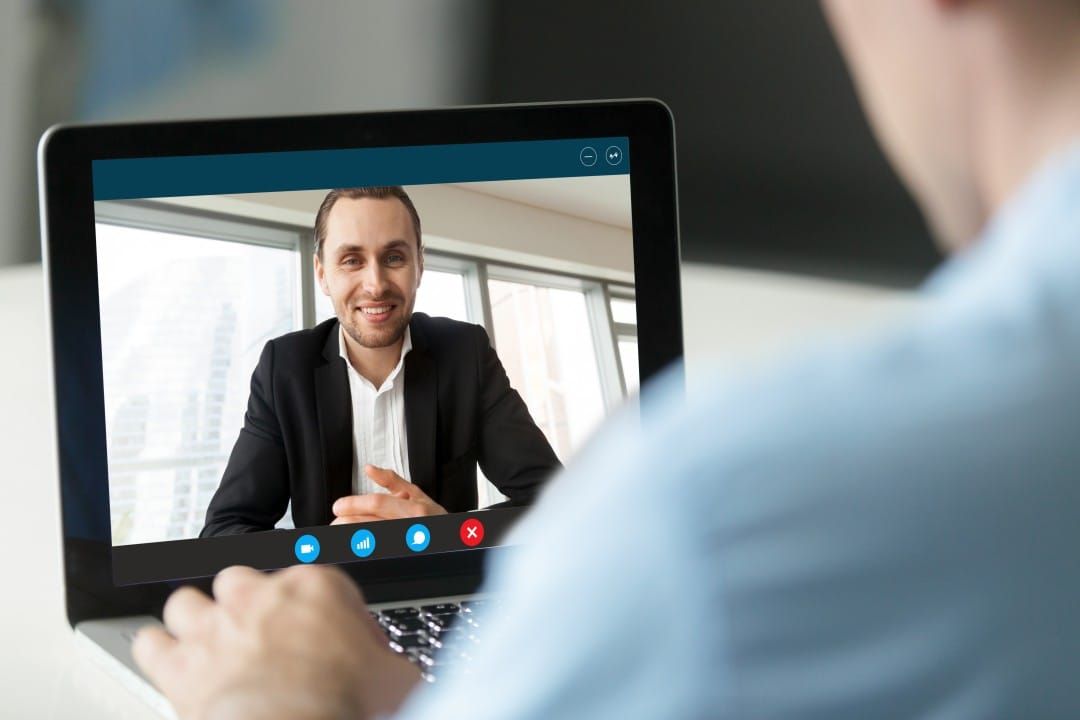
A virtual interview is a job interview that takes place online through video-conferencing platforms such as Zoom, Google Meet, or Microsoft Teams. It allows employers to meet candidates without requiring them to travel to an office. Although the interview happens through a screen, it is still a formal and important part of the hiring process.
A candidate should prepare carefully for a virtual interview. The interviewer may assess the candidate's knowledge, communication skills, confidence, professional behavior, and interest in the job. Proper preparation reduces nervousness, prevents technical problems, and helps the candidate give better answers.
Read the Interview Invitation Carefully
When you receive an interview invitation, read it properly. Note the date, time, online platform, meeting link, job title, and the name of the interviewer if it is provided. Some companies may also give instructions about documents, presentations, or tests.
Save the meeting link in a safe place. Keep a reminder so that you do not miss the interview. If you are unsure about any instruction, contact the company politely and ask for clarification.
Research the Company
Researching the company is one of the most important parts of interview preparation. Visit the company’s website and learn about its background, products or services, mission, values, and customers. You can also read its social-media pages or recent news if available.
This research helps you answer questions such as:
- What do you know about our company?
- Why do you want to work here?
- How can you contribute to our organization?
When you know about the company, your answers will sound more confident and genuine.
Understand the Job Position
Read the job description carefully. Find out the main duties, skills, qualifications, and experience required for the position. Think about how your education, training, work experience, and personal skills relate to the job.
For example, if the role requires communication skills, prepare an example that shows how you communicated successfully in a group project, workplace, or volunteer activity. If the role requires problem-solving, prepare an example of a problem you solved.
Understanding the job role helps you explain why you are suitable for the position.
Review Your Resume
The interviewer may ask questions based on your résumé. Therefore, review it carefully before the interview. Be ready to explain your educational background, work experience, skills, achievements, training, projects, and career goals.
Make sure everything written on your résumé is accurate. Do not include false information because the interviewer may ask detailed questions. Keep a digital or printed copy of your résumé nearby during the interview.
Prepare Answers to Common Questions
Practicing common interview questions can make you feel more confident. Common questions include:
- Tell me about yourself.
- Why do you want to work for this company?
- Why are you interested in this position?
- What are your strengths?
- What is one weakness you are working to improve?
- Why should we hire you?
- What are your future career goals?
- Describe a challenge you faced and how you handled it.
Try to answer in a clear and organized way. Give real examples whenever possible. A useful method is the STAR method:
- Situation: Explain the background of the situation.
- Task: Describe what you needed to do.
- Action: Explain the action you took.
- Result: Describe the result or what you learned.
This method helps you give complete answers instead of short or unclear answers.
Practice Speaking Clearly
Practice speaking aloud, not only reading answers silently. You can practice in front of a mirror, record yourself, or ask a friend or family member to conduct a practice interview.
Speak at a normal pace and use simple, clear language. Avoid speaking too fast because nervousness can make answers difficult to understand. Also avoid using too many filler words such as "um," "like," or "you know."
Practicing helps improve confidence, body language, and communication skills.
Test Your Device and Internet Connection
Technical problems can affect a virtual interview. Check that your laptop, tablet, or phone is working correctly. Test the camera, microphone, speakers, headphones, and internet connection.
Open the interview platform and make sure you know how to join a meeting, mute and unmute the microphone, turn the camera on and off, and share your screen if required. Keep your device fully charged and place the charger nearby. If possible, have a backup internet option, such as mobile data.
Choose a Professional Location
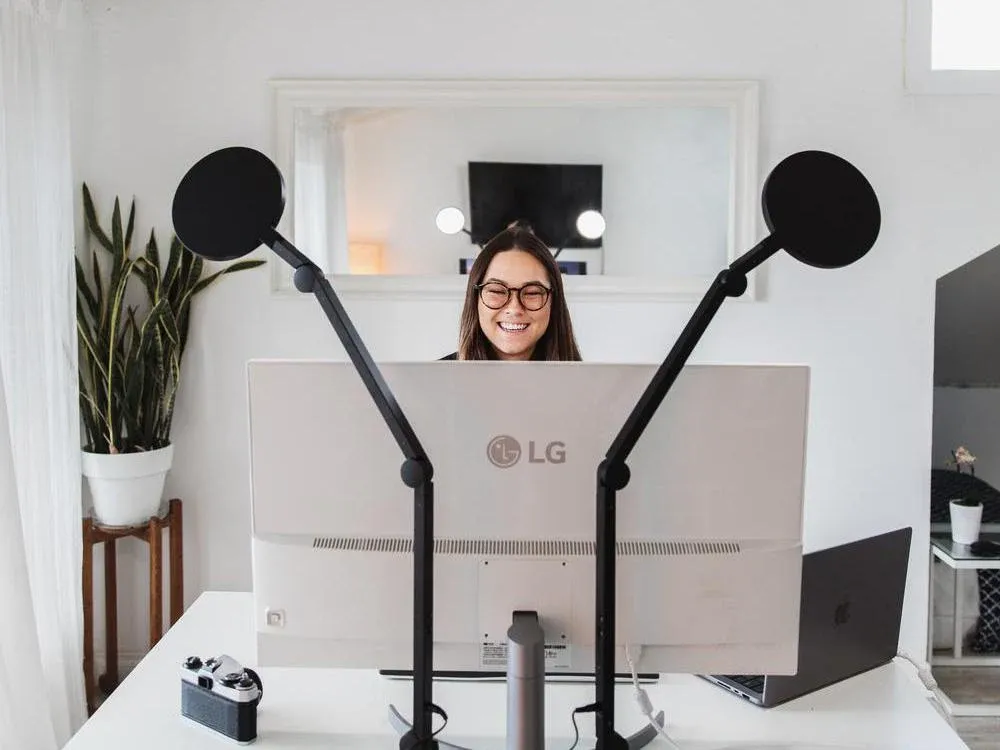
Choose a quiet, clean, and private location for the interview. The space should be free from loud noise, people walking behind you, television sounds, pets, and other distractions.
Use a simple background, such as a plain wall or tidy room. Sit in a place with good lighting so that the interviewer can see your face clearly. The light should come from in front of you rather than behind you. Inform family members or roommates that you should not be disturbed.
Dress Professionally
Dress as you would for an in-person interview. Wear clean, neat, and professional clothing. Choose simple colors and avoid clothing with very bright patterns, large logos, or distracting designs.
Professional clothing shows that you respect the interviewer and take the opportunity seriously. It can also make you feel more confident and prepared.
Prepare Your Materials
Keep all necessary materials near you. These may include:
- A copy of your resume
- The job description
- A notebook and pen
- Certificates or portfolio, if required
- A list of your skills and achievements
- Questions you want to ask the interviewer
These materials can help you remember important points. However, do not read directly from them throughout the interview. Use them only as a guide.
Prepare Questions for the Interviewer
At the end of the interview, the interviewer may ask whether you have any questions. Asking thoughtful questions shows that you are interested in the position.
You may ask:
- What are the main responsibilities of this role?
- What qualities does a successful employee in this position have?
- How does the team work together?
- What training or support is provided to new employees?
- What are the next steps in the hiring process?
Avoid asking questions that have already been clearly answered in the job description or on the company website.
Before Joining the Interview
Before joining the virtual interview, check the meeting link, camera, microphone, headphones, and internet connection again. Close unnecessary tabs, games, applications, and downloads that may slow down your device.
Put your phone on silent mode and turn off notifications. Keep water nearby if needed. Open your resume and job description, but keep them in a place where they do not distract you. Join the meeting a little early, sit comfortably, and take a few deep breaths.
Show Professional Behavior During the Interview
Start by greeting the interviewer politely. Introduce yourself clearly and thank them for the opportunity. Speak confidently, listen carefully, and wait for the interviewer to finish speaking before responding.
Look at the camera when speaking because it creates the feeling of eye contact. Sit with good posture and avoid checking your phone, eating, or looking away repeatedly. Be honest in your answers. If you do not understand a question, politely ask the interviewer to repeat or explain it.
If a technical problem occurs, remain calm. Inform the interviewer politely and try to solve the issue. For example, you can say, "I am sorry, my audio was unclear. Could you please repeat the question?"
End the Interview Positively
At the end of the interview, thank the interviewer for their time. Express your interest in the position and ask about the next steps if they have not already explained them.
For example, you can say, "Thank you for giving me the opportunity to speak with you. I enjoyed learning more about the role and the company."
A polite ending leaves a positive final impression.
Conclusion
A virtual interview requires preparation, confidence, and professional behavior. Candidates should research the company, understand the job role, review their resume, practice common questions, and test their technology. They should also choose a quiet place, dress professionally, and communicate clearly during the interview. By preparing well, a candidate can avoid common problems, feel more confident, and increase the chance of success in a virtual interview.