The art of Mobile App OnBoarding
The Rise of Mobile Applications and Why First Impressions Matter With the rapid and widespread adoption of mobile devices across the globe, industries of every kind have embraced mobile applications as their primary channel for delivering value to customers.

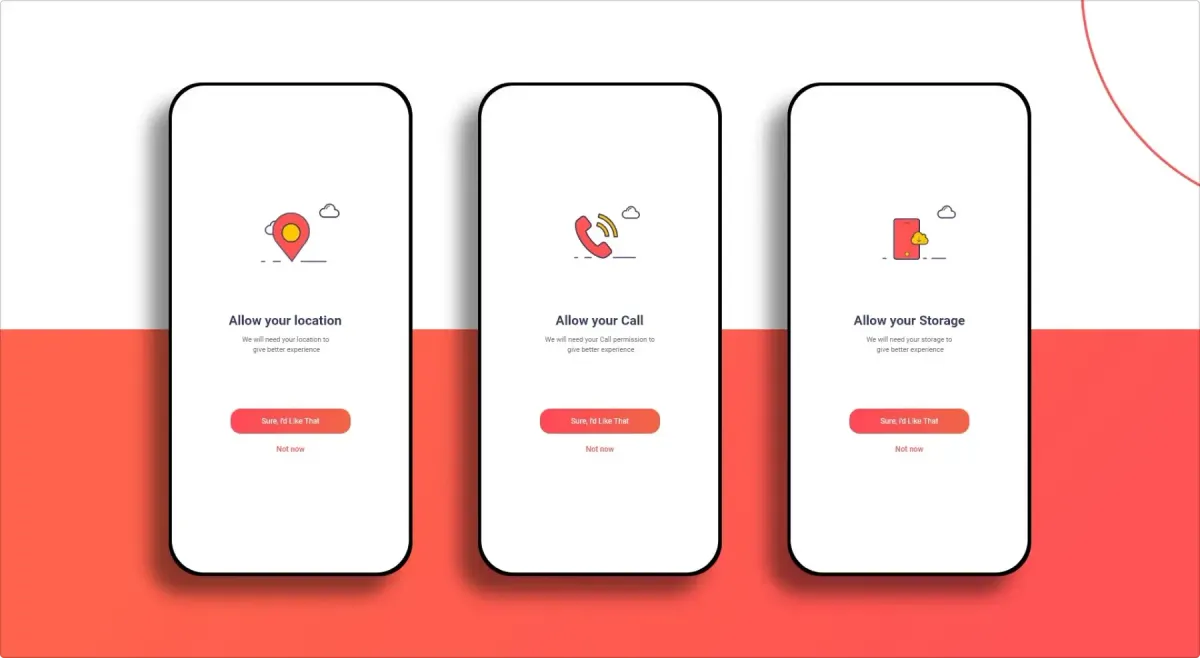
Onboarding any new user is one of the most critical and most underestimated, challenges in mobile application development. It is not simply about showing a few introductory screens before the main interface appears.
Onboarding is the very first conversation your application has with a user. It sets the tone, builds trust, and determines whether someone stays or leaves within the first sixty seconds.
Getting it right can be the difference between a loyal long-term user and an immediate uninstall.
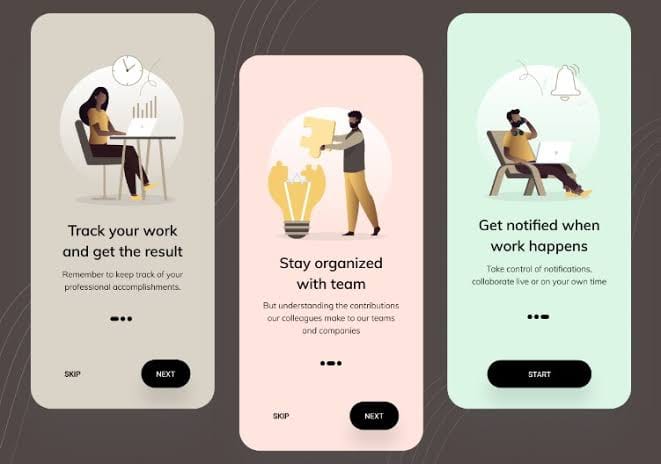
The Rise of Mobile Applications and Why First Impressions Matter
With the rapid and widespread adoption of mobile devices across the globe, industries of every kind have embraced mobile applications as their primary channel for delivering value to customers.
Shopping, news, video streaming, travel booking, healthcare, agriculture, food delivery, ride sharing, and countless other sectors have been transformed by mobile technology.
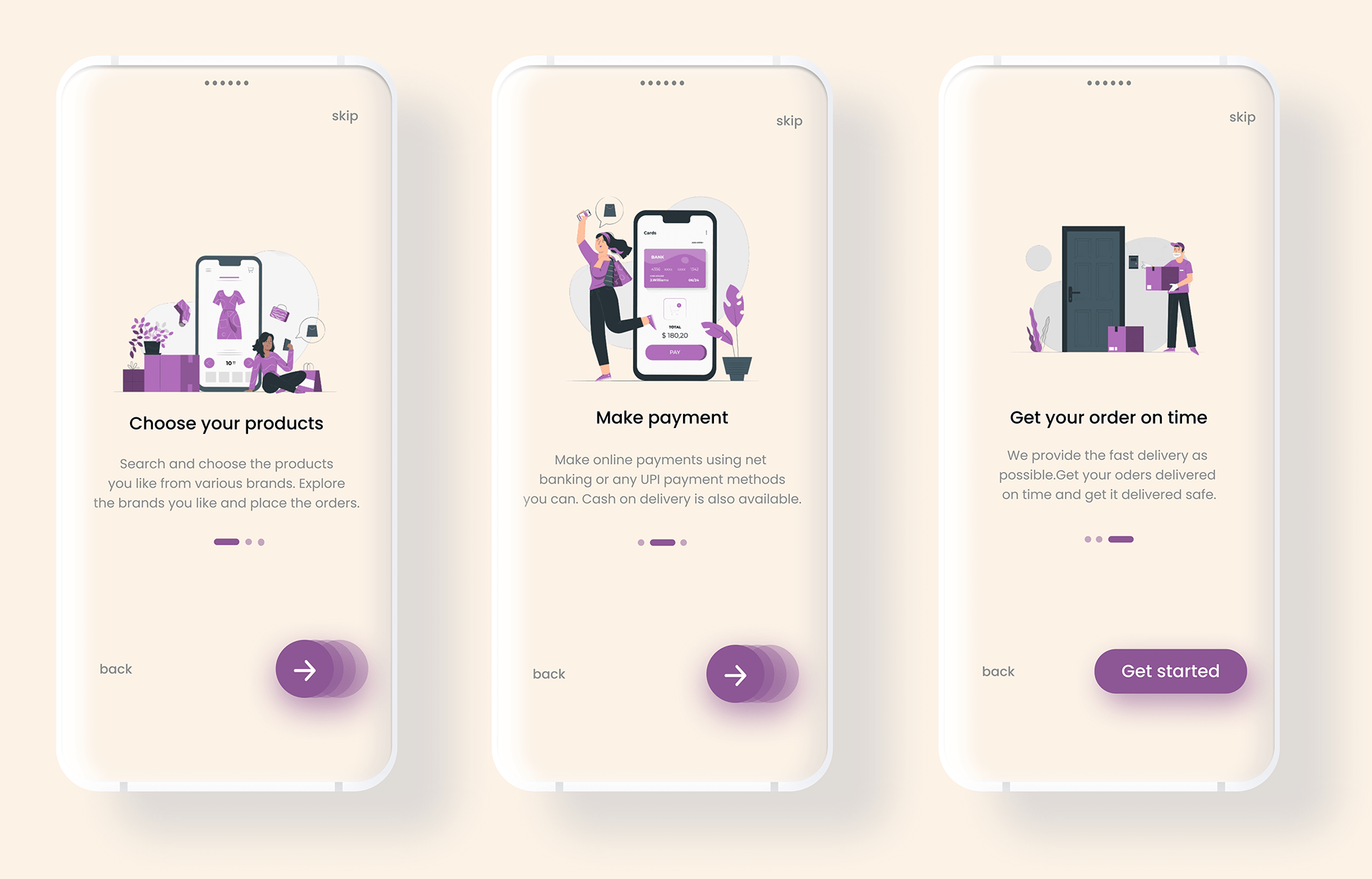
The application is no longer just a convenience, it has become the product itself.
In this environment, user experience and user interface design are not optional refinements. They are the foundation upon which every successful mobile application is built.
A beautifully engineered backend means very little if the person using the application feels confused, overwhelmed, or unwelcome from the moment they first open it. This is precisely why onboarding deserves serious attention and thoughtful design investment.
How Onboarding Directly Affects User Experience
The onboarding experience shapes a user's perception of your entire application. Research consistently shows that users form strong opinions about an application within the first few interactions, and those opinions are remarkably difficult to change.
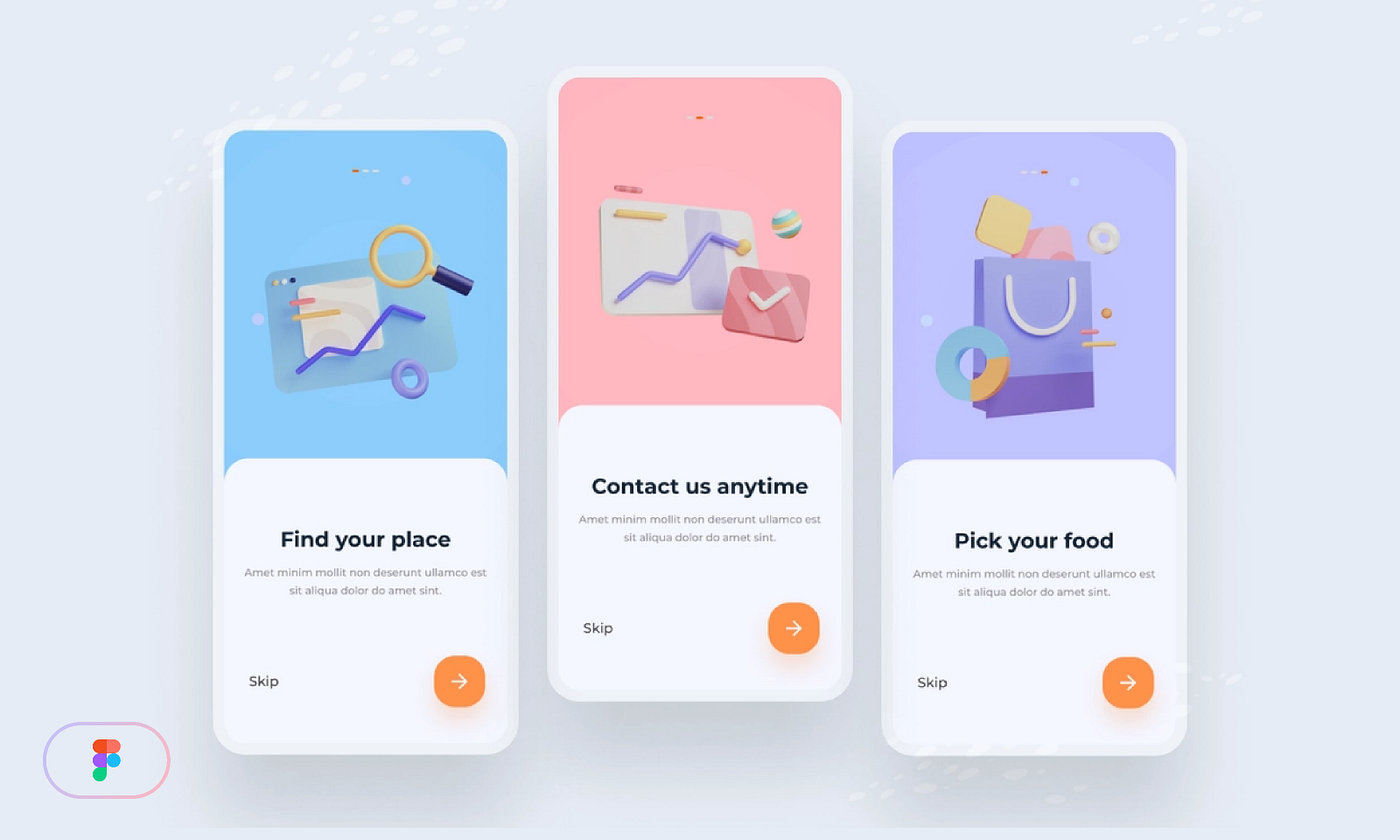
A poor onboarding experience communicates carelessness, whereas a smooth and welcoming one signals professionalism and respect for the user's time.
When onboarding is done well, it achieves several important things simultaneously. It reduces confusion by helping users understand what the application does and how it works.
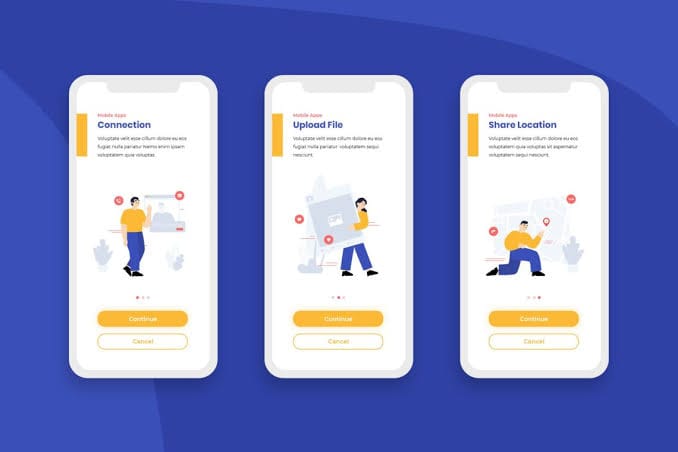
It builds excitement by giving users an early taste of the value they are about to receive. It establishes trust by showing users that the application has been designed with their needs in mind.
And it increases retention by guiding users to their first meaningful action inside the application before they have a chance to feel lost.
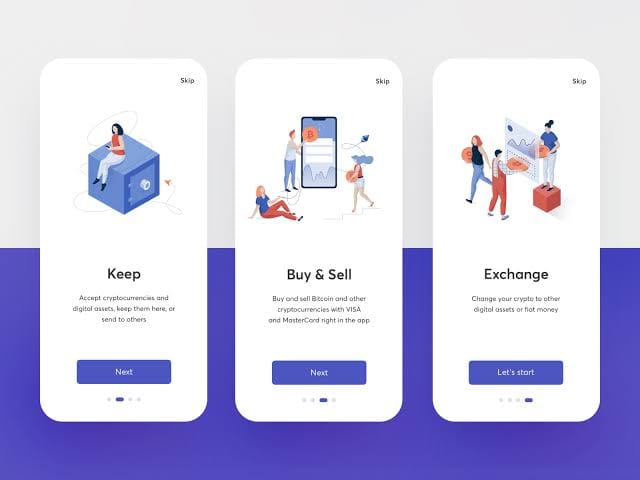
When onboarding is done poorly, the opposite happens. Users feel disoriented, skip past screens without reading them, fail to complete registration, and abandon the application entirely.
Studies have shown that a significant portion of users who download an application never return after their first session.
Poor onboarding is one of the leading reasons for this.
Things to Know Before Designing Your Onboarding Screens
Before a single screen is sketched or a single line of code is written, there are several important considerations that every product designer and developer must understand.
Know your target market and your users. The design language, tone, and complexity of your onboarding must match the expectations of the people you are building for.
An onboarding flow for a healthcare application serving medical professionals will look and feel very different from one designed for a food delivery application targeting college students.
Understanding your audience deeply informs every design decision that follows.
Define the core value proposition clearly. Before you can explain your application to a user, you must be able to articulate in a single, clear sentence what your application does and why it matters.
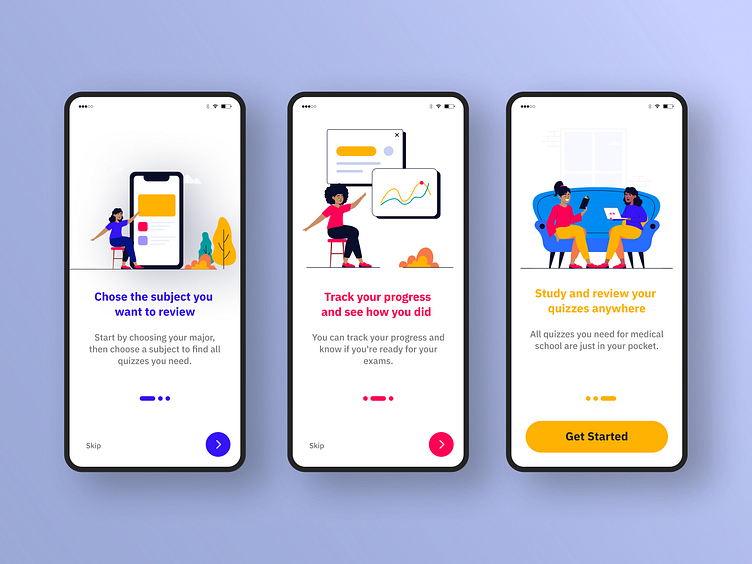
If you cannot do this yourself, your onboarding screens will reflect that confusion. Users should be able to understand your application's purpose within the first two or three screens.
Map the user journey before designing. Onboarding does not exist in isolation. It is the entry point to a larger journey.
Understand what actions you want users to take immediately after onboarding is complete, and design your onboarding to lead naturally toward those actions.
This means visualising and planning the complete user flow before committing to a layout.
Keep it short and purposeful.
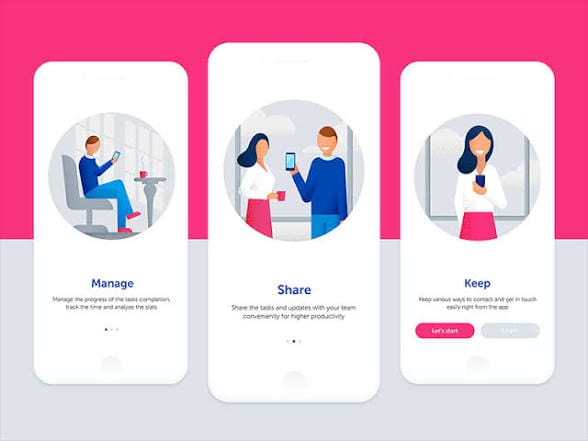
Every screen in your onboarding sequence must earn its place. Users are not willing to sit through lengthy tutorials before they can access the application they just downloaded.
Three well-designed screens that communicate value clearly will always outperform ten cluttered ones.
Respect the user's choice. Always allow users to skip onboarding if they choose to. Forcing someone through a flow they do not want creates frustration before they have even reached your core application.
How to Make Great Onboarding Screens
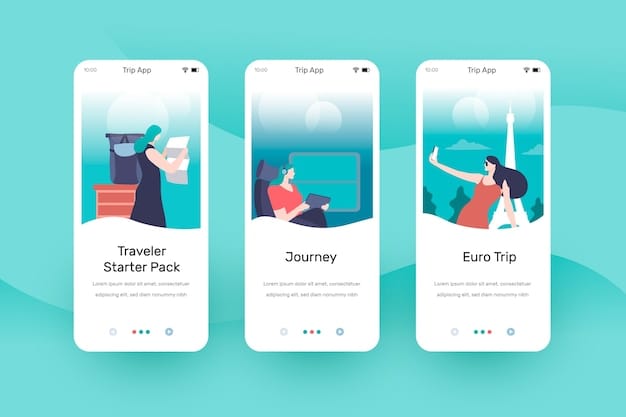
Great onboarding screens share a set of common qualities. They are visually clean and minimalistic, avoiding the temptation to say everything at once.
They use simple, friendly language that speaks directly to the user rather than describing technical features in abstract terms. They are focused on benefits, not functions, instead of saying "our application uses geolocation," they say "we find the best services near you."
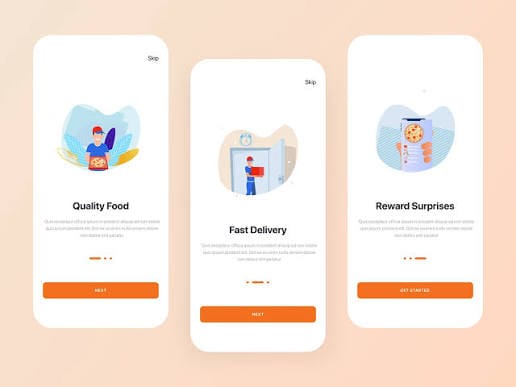
Effective onboarding screens use strong visual hierarchy so that the most important message on each screen is immediately obvious.
Illustrations, icons, and animations are used purposefully to reinforce meaning rather than to decorate.
Each screen transitions naturally to the next, creating a sense of forward momentum that carries the user through the flow with ease.
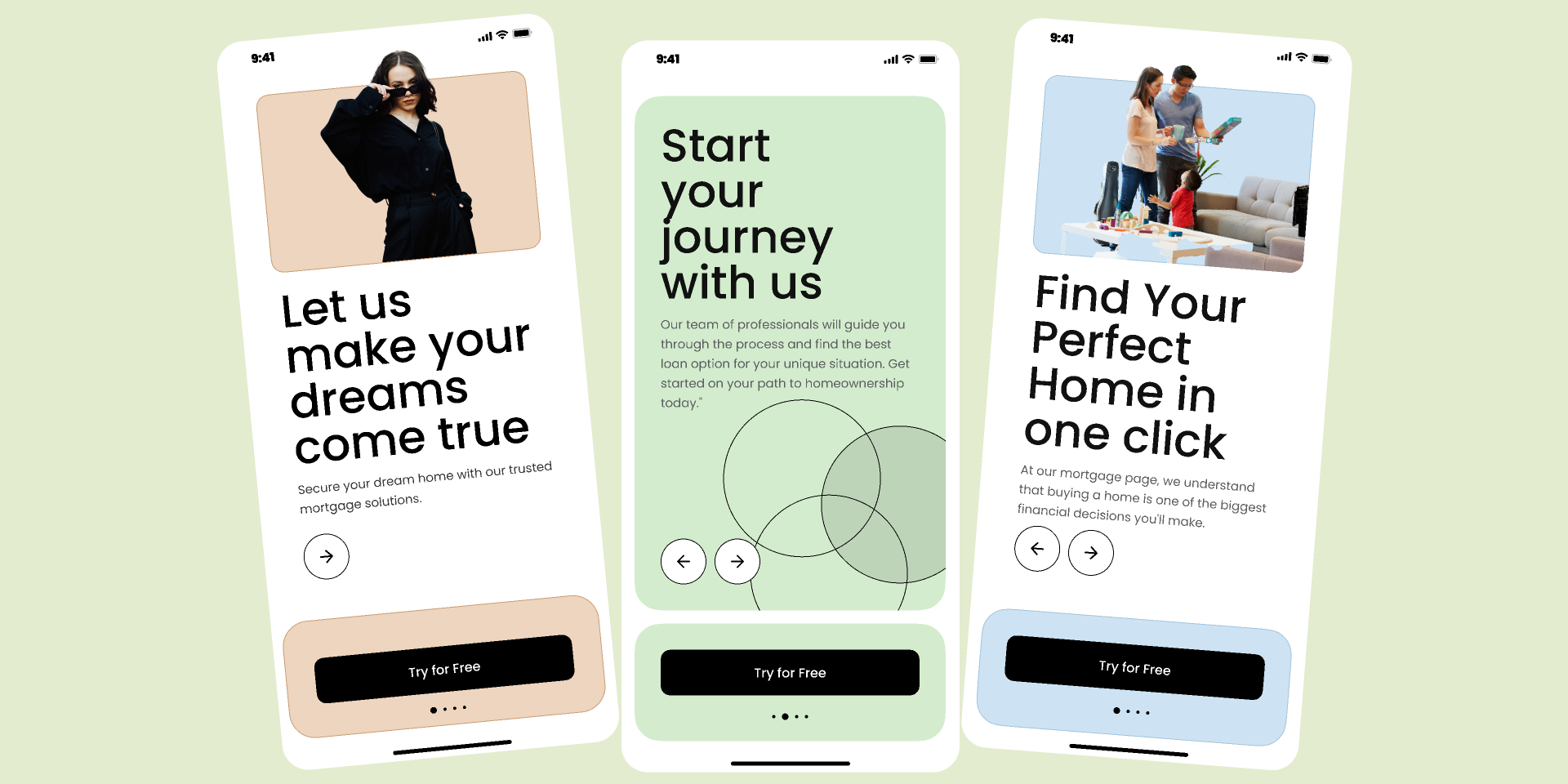
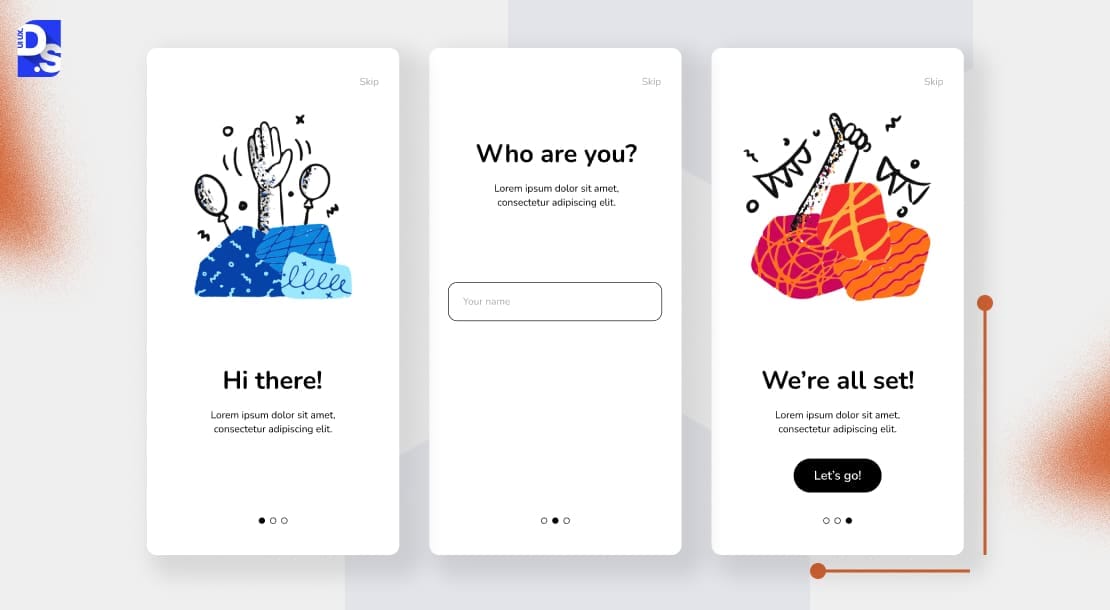
Personalisation is another powerful tool. Where possible, collect minimal information early, such as the user's name or primary interest and use it to make subsequent screens feel tailored.
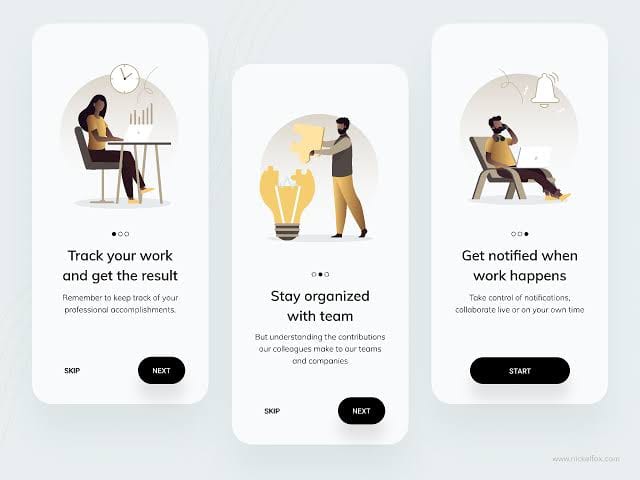
This small gesture dramatically increases the user's sense of connection to the application.
Finally, great onboarding always ends with a clear and compelling call to action.
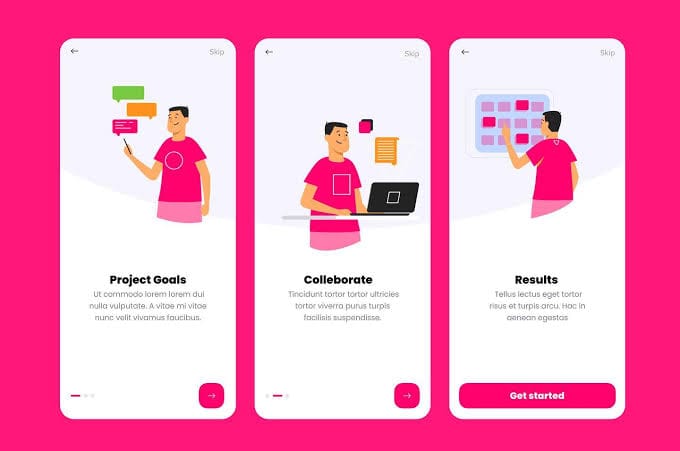
Whether it is creating an account, enabling notifications, or exploring the main interface, the final onboarding screen should leave the user with a strong sense of what to do next and genuine enthusiasm to do it.
Conclusion
Onboarding is not a formality to be completed before the real application begins.
It is an integral part of the product experience and one of the highest-leverage investments a development team can make.
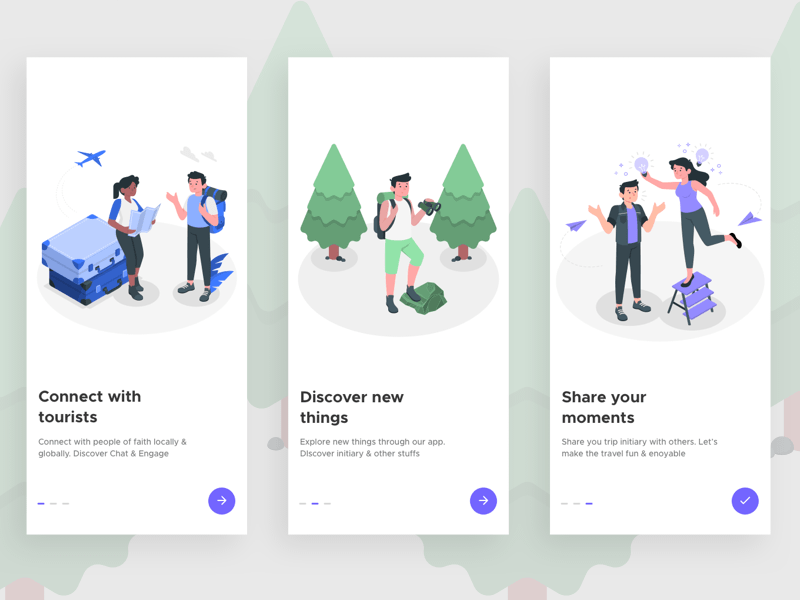
By understanding your users deeply, planning the experience thoroughly, keeping it simple and visual, and communicating value at every step, you can transform first-time visitors into engaged, loyal users who return again and again.
In a world where mobile applications compete intensely for attention, a great onboarding experience is one of the clearest competitive advantages available to any product team.