Siddha Mahayog University, Chataradham, Nepal
Nepal has long been recognized as a sacred land of spirituality, meditation, Yoga, and Himalayan wisdom. From the snowy peaks of the Himalayas to the holy rivers flowing through the valleys and plains.

A Center of Spiritual Learning, Gurukul Education, and Himalayan Yogic Tradition.
Among the many spiritual centers of the country, Siddha Mahayog University at Chataradham stands as a remarkable institution devoted to spiritual learning, Yogic practice, Gurukul education, and the preservation of Sanatan culture. Located at the holy Chataradham near the sacred Koshi River in eastern Nepal, Siddha Mahayog University represents the harmonious union of traditional Vedic education and modern academic learning. Started in 1981, the institution has become a center for Yoga, meditation, Sanskrit studies, spiritual discipline, and modern education guided by moral and cultural values.
The Ashram and Gurukul are not only educational institutions but also spiritual communities where students, devotees, teachers, and seekers live together in an environment dedicated to discipline, devotion, wisdom, service, and self-realization.
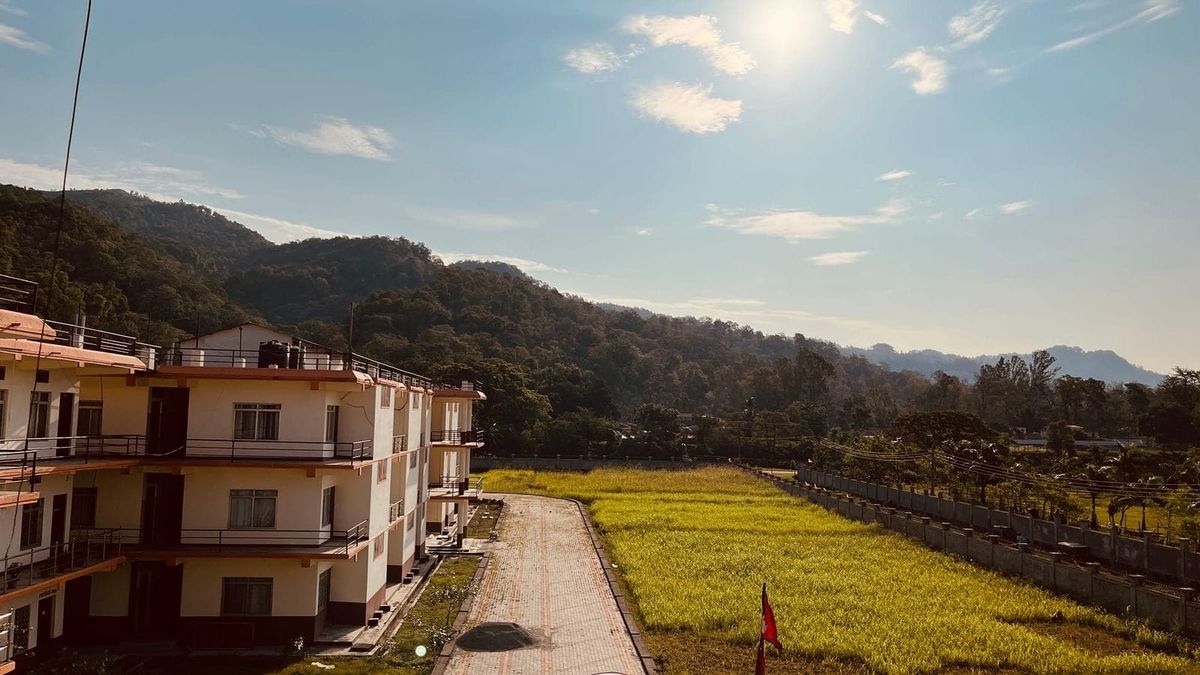
The peaceful atmosphere of Chataradham, surrounded by greenery, rivers, temples, and Himalayan spiritual energy, provides an ideal setting for learning and meditation. Over the years, Siddha Mahayog University has attracted students, saints, Yogis, scholars, devotees, and spiritual seekers from Nepal and abroad. Many people visit the Ashram to learn about Himalayan Siddha Mahayog, experience spiritual peace, and receive guidance from Swami Krishnadas Ji Maharaj, who is regarded by many followers as the Grand Designer and spiritual inspiration behind this great project. The Sacred Importance of Chataradham Chatara Dham is one of the sacred spiritual sites of Nepal. Situated near the Koshi River and associated with ancient Hindu traditions, the region has been respected for centuries as a place of pilgrimage, meditation, and religious practice. The spiritual significance of the area attracts thousands of devotees every year during religious festivals and spiritual gatherings. The natural beauty of Chatara Dham adds to its spiritual atmosphere. The calm surroundings, fresh air, flowing river, green landscapes, and peaceful environment help create ideal conditions for meditation and Yogic practice. Unlike the noise and distractions of crowded cities, Chatara Dham offers silence, discipline, and closeness to nature, which are considered important for spiritual growth.
For many saints and Yogis, nature itself is a teacher. The rising sun, flowing water, trees, birds, and mountains remind spiritual seekers of simplicity, balance, and harmony. Siddha Mahayog University has embraced this natural environment and transformed it into a center where education and spirituality coexist.
The Ashram campus reflects this spiritual philosophy. Beautiful pathways lined with greenery, palm trees, flowers, meditation areas, temples, and spiritual monuments create an atmosphere that encourages peace and concentration. Visitors often describe the environment as calming and spiritually uplifting. Establishment of Siddha Mahayog University Siddha Mahayog University was established in 1981 with the aim of preserving and promoting Yoga, Vedic philosophy, Sanskrit education, Gurukul tradition, and Himalayan spiritual practices. The founders envisioned an institution where ancient wisdom could be protected while also adapting to the needs of modern society. The university was created not only as a place for academic study but also as a spiritual institution focused on character development and moral education. The idea behind the project was to educate students intellectually, physically, emotionally, morally, and spiritually. In modern times, education often focuses mainly on examinations, competition, and employment. Siddha Mahayog University seeks to provide a more balanced approach by combining academic excellence with spiritual awareness, discipline, respect, morality, and self-control. The institution believes that true education should not only develop the mind but also purify the heart and strengthen character. Therefore, Yoga, meditation, service, discipline, and spiritual values are integrated into the educational system. The Vision Connected with King Mahendra The vision behind Siddha Mahayog University is believed to be connected with the dream of King Mahendra, who desired Nepal to become a center for spiritual education, Yoga, culture, and Vedic knowledge. King Mahendra is remembered as a national leader who emphasized Nepalese identity, culture, language, and tradition. His interest in preserving Nepal’s spiritual heritage inspired many educational and cultural movements throughout the country. Support for Sanskrit learning, cultural preservation, and national unity formed an important part of his vision for Nepal. The concept of a spiritual university rooted in Nepalese tradition reflects this broader vision. Siddha Mahayog University symbolizes the effort to preserve ancient wisdom while preparing future generations to live responsibly in the modern world. The idea that spirituality and education should work together continues to guide the philosophy of the institution today. King Birendra and Spiritual Practice King Birendra is also remembered for his spiritual devotion and respect toward Yogic traditions. It is said that King Birendra practiced Yoga in this Ashram and showed deep interest in meditation and spiritual learning. His connection with spiritual institutions reflected his belief in peace, morality, discipline, and inner balance. Many people remember King Birendra as a leader who respected Nepal’s cultural and religious traditions. The association of the Nepalese royal family with spiritual education helped encourage public respect toward Yogic practices and traditional knowledge systems. Their support strengthened the cultural importance of institutions dedicated to spiritual learning and moral education. For devotees and followers of Siddha Mahayog University, the spiritual connection of the royal family adds historical significance to the Ashram. Himalayan Siddha Mahayog Himalayan Siddha Mahayog is regarded as a spiritual path for connecting with God through meditation, Yoga, devotion, discipline, purity, and self-realization. The teachings emphasize the importance of inner peace, moral conduct, self-control, and spiritual awakening. The word “Siddha” refers to spiritual accomplishment, while “Mahayog” refers to the great union between the individual soul and divine consciousness. According to this philosophy, every human being possesses spiritual potential that can be awakened through sincere practice and discipline. The practices associated with Himalayan Siddha Mahayog include:
- Yogic breathing practices
- Meditation
- Spiritual discipline
- Devotion and prayer
- Moral living
- Service to humanity
- Self-control and purity
- Study of spiritual scriptures Followers believe that spiritual practice helps purify the mind, reduce stress, improve concentration, and develop compassion and wisdom. In today’s fast-changing and stressful world, many people seek spiritual methods to find mental peace and emotional balance. The teachings of Siddha Mahayog encourage individuals to live simple, disciplined, and meaningful lives while maintaining harmony between body, mind, and soul. The Ashram provides an environment where devotees can practice meditation, Yoga, and spiritual learning away from worldly distractions. Many visitors describe feeling calm, peaceful, and spiritually inspired after spending time at the Ashram. Swami Krishnadas Ji Maharaj Swami Krishnadas Ji Maharaj is regarded by devotees as the spiritual guide and Grand Designer behind Siddha Mahayog University and the broader Siddha Mahayog movement. His dedication toward Yoga, Gurukul education, meditation, Sanatan culture, and human service has inspired many followers. Devotees visit the Ashram seeking blessings, guidance, and spiritual knowledge from Swami Krishnadas Ji Maharaj. His teachings emphasize discipline, morality, devotion, meditation, compassion, and service to humanity. According to followers, his vision was not only to establish an educational institution but also to create a spiritual environment where students and seekers could develop wisdom, character, and self-awareness. His guidance has helped preserve ancient Gurukul traditions while also encouraging modern education and technological development. This balanced approach allows students to remain connected with spiritual values while preparing for modern careers and responsibilities. The teachings of Swami Krishnadas Ji Maharaj encourage respect for parents, teachers, culture, nature, and humanity. He emphasizes that education without morality is incomplete and that true success must include wisdom, compassion, and spiritual understanding. Jagatguru Shree Ramanandacharya Gurukul The real name of the Gurukul operated by the Ashram is Jagatguru Shree Ramanandacharya Gurukul. The institution follows the values and traditions of the ancient Gurukul education system while integrating modern educational methods and technology. The Gurukul system is one of the oldest educational traditions in South Asia. In ancient times, students lived with their Guru in Ashrams where they studied scriptures, philosophy, science, language, discipline, morality, and life skills. Unlike ordinary schools, Gurukul education focuses not only on academic learning but also on character formation and spiritual growth. Respect for teachers, discipline, simplicity, service, and self-control form important parts of Gurukul life. Jagatguru Shree Ramanandacharya Gurukul continues this tradition in a modern form. Students from Class 6 to Class 12 live within the Ashram in a residential environment designed to support learning, discipline, health, and spiritual development. The Gurukul environment teaches students to live simply, maintain cleanliness, respect others, and develop self-discipline. Daily routines help students become organized, focused, and responsible. The Gurukul follows the curriculum approved by the Government of Nepal while preserving Sanskrit education and Vedic traditions. It runs in English medium, enabling students to compete in the modern educational world while remaining connected with their cultural roots. Residential Life in the Gurukul Living in a residential Gurukul creates a unique educational experience. Students live together within the Ashram community under the guidance of teachers and spiritual mentors. The daily routine usually begins early in the morning with prayer, meditation, Yoga, and physical exercise. Early rising is considered beneficial for health, concentration, and discipline. Students participate in activities such as: Morning prayers Meditation sessions Yoga practice Sanskrit chanting Academic study Group learning Physical exercise Cleanliness and service activities Evening spiritual programs The residential environment helps students develop independence and responsibility. Since students spend most of their time within the campus, they learn discipline, time management, cooperation, and respect for community life. The Gurukul system also helps reduce distractions and encourages students to focus on education, spirituality, and personal development. Healthy and Nutritious Food The Gurukul provides healthy and nutritious food prepared with care to support the physical and mental well-being of students. Food is considered an important part of Yogic life because diet affects both physical health and mental balance. Simple, clean, and nutritious meals help students remain healthy, energetic, and focused. Traditional Yogic philosophy emphasizes purity and moderation in food habits. Students are encouraged to maintain cleanliness, healthy eating habits, and discipline during meals. Dining together also helps strengthen unity and community spirit among students. The Ashram environment promotes a balanced lifestyle where physical health, mental peace, and spiritual development are interconnected. Morning Session: Sanskrit and Spiritual Studies One of the unique features of Jagatguru Shree Ramanandacharya Gurukul is its balanced educational schedule. During the morning session, students focus on traditional spiritual subjects such as: Sanskrit grammar Sanskrit literature Yoga Meditation Vedic teachings Moral education Spiritual philosophy Sanskrit is one of the oldest classical languages in the world and holds immense importance in Hindu philosophy, Yoga, literature, and scripture. Through Sanskrit studies, students gain direct access to ancient knowledge preserved in traditional texts. Learning Sanskrit grammar helps students develop concentration, memory, language skills, and intellectual discipline. Sanskrit literature introduces students to spiritual wisdom, ethics, poetry, and philosophy. Meditation and Yoga sessions help students develop mental calmness, emotional balance, concentration, and self-awareness. Moral education teaches honesty, respect, compassion, discipline, responsibility, and service to others. Afternoon Session: Modern Education in English Medium During the afternoon session, students study modern academic subjects according to the curriculum approved by the Government of Nepal. Subjects include: Science Mathematics English Computer Science Social Studies Nepali General Knowledge The Gurukul operates in English medium, helping students gain communication skills and academic competence needed in the modern world. Modern classrooms, technology, and academic resources are integrated into the educational system. Students receive opportunities to learn both traditional wisdom and modern scientific knowledge. This balanced educational approach allows students to prepare for higher education, professional careers, and responsible citizenship while maintaining strong moral and spiritual values. The combination of ancient Gurukul tradition and modern English-medium education makes the institution unique within Nepal’s educational landscape. Technology and Modern Development Although deeply rooted in spiritual tradition, Siddha Mahayog University recognizes the importance of technology and modern education in contemporary society. Modern tools and educational methods are integrated into the learning process to ensure students remain academically competitive. Computer education, modern teaching techniques, communication skills, and scientific learning form important parts of the curriculum. The institution believes that technology should be used responsibly for education, human development, and social progress rather than distraction or harmful behavior. By combining traditional wisdom with modern knowledge, the university seeks to produce students who are both spiritually grounded and intellectually capable. Peaceful Campus Environment The campus of Siddha Mahayog University is known for its peaceful and beautiful environment. Greenery, trees, flowers, clean pathways, meditation spaces, temples, and spiritual monuments create an atmosphere that supports concentration and inner peace. Nature plays an important role in spiritual life. The Ashram environment helps students remain calm, disciplined, and connected with nature. The quiet atmosphere supports meditation, study, and reflection. Many visitors experience a sense of peace and positivity while staying at the Ashram. The campus architecture and spiritual surroundings symbolize simplicity, purity, and harmony. Spiritual Tourism and Devotee Visits Many devotees and spiritual seekers visit Siddha Mahayog University every year. Some come for meditation and spiritual guidance, while others come to experience the peaceful environment and learn about Himalayan Siddha Mahayog. Visitors often participate in: Meditation sessions Yoga programs Spiritual discourses Religious ceremonies Cultural celebrations Gurukul activities The Ashram has become a spiritual destination where people seek peace away from the stress of modern life. For many visitors, the Ashram offers inspiration, emotional healing, and spiritual motivation. Preserving Sanatan Culture One of the major goals of Siddha Mahayog University is preserving Sanatan culture and spiritual heritage for future generations. Modernization and globalization have brought many changes to society. While scientific and technological progress is important, many people worry about the loss of cultural values, moral education, discipline, and traditional knowledge. The institution seeks to preserve ancient wisdom while adapting to modern educational needs. Through Sanskrit studies, Yoga, meditation, cultural education, and Gurukul life, students remain connected with Nepal’s spiritual identity. The Ashram teaches respect for: Parents Teachers Nature Culture Humanity Spiritual traditions This cultural preservation helps students develop pride in their heritage while also becoming responsible global citizens. Contribution to Society Siddha Mahayog University contributes to society in many ways. It provides: Spiritual education Modern academic education Moral and character development Cultural preservation Yogic and meditation training Community inspiration The institution aims to produce disciplined, educated, morally responsible, and spiritually aware individuals who can contribute positively to society. Many followers believe that the values taught within the Gurukul can help address modern social challenges such as stress, violence, addiction, moral decline, and lack of discipline. The emphasis on service, simplicity, morality, and inner peace encourages students to become compassionate and responsible human beings. The Importance of Yoga in Modern Times In today’s fast-moving world, many people experience stress, anxiety, unhealthy lifestyles, and emotional imbalance. Yoga and meditation are increasingly recognized as important tools for improving physical health, mental peace, and emotional well-being. Siddha Mahayog University promotes Yoga not merely as physical exercise but as a complete way of life focused on balance, discipline, and spiritual awareness. Regular Yogic practice can help improve: Concentration Physical fitness Emotional stability Mental peace Self-discipline Positive thinking Meditation also helps individuals calm the mind, improve awareness, and develop inner peace. The university’s focus on Yogic education reflects the timeless relevance of ancient Himalayan wisdom in the modern age. Future Vision Siddha Mahayog University continues to grow as a center for spiritual education and modern learning. The institution aims to strengthen Gurukul education, preserve Vedic knowledge, expand Yoga training, and inspire future generations. The Ashram envisions creating individuals who combine wisdom with knowledge, spirituality with science, and morality with leadership. Its educational philosophy reminds society that true development should include not only material progress but also inner peace, moral values, and spiritual understanding. Conclusion Siddha Mahayog University at Chatara Dham represents a rare and meaningful combination of ancient Gurukul tradition and modern education. Rooted in Himalayan spirituality and guided by the principles of Yoga, meditation, discipline, and service, the institution continues to preserve Nepal’s spiritual heritage while preparing students for the future. The peaceful environment of Chatara Dham, the teachings of Himalayan Siddha Mahayog, the inspiration of Swami Krishnadas Ji Maharaj, the vision associated with King Mahendra, and the spiritual connection of King Birendra all contribute to the unique identity of the institution. Jagatguru Shree Ramanandacharya Gurukul stands as an example of how traditional wisdom and modern education can work together harmoniously. Through Sanskrit learning, Yoga, moral education, English-medium academics, healthy living, and spiritual discipline, students receive an education that nourishes both mind and soul. As Nepal continues to move toward modernization, institutions like Siddha Mahayog University play an important role in preserving spiritual culture, moral values, and ancient wisdom for future generations. The Ashram remains not only a place of education but also a center of peace, devotion, meditation, and spiritual awakening for all who visit it.