King Mahendra & His Contribution to Making Modern Nepal
When King Mahendra ascended the throne in 1955, Nepal was emerging from a long period of isolation under the Rana regime. The country lacked basic infrastructure, modern education systems, industrial development, and global diplomatic presence.

The history of modern Nepal cannot be understood without examining the role of King Mahendra. As the monarch who ruled Nepal from 1955 to 1972, King Mahendra Bir Bikram Shah Dev played a decisive and controversial role in shaping the nation’s political system, economic direction, infrastructure, and international identity. While his reign is often debated for its political decisions, especially the introduction of the Panchayat system, his contributions to nation-building, modernization, and state consolidation remain deeply influential.
This article explores King Mahendra’s vision, policies, and developmental initiatives that laid the foundation for modern Nepal, along with a detailed list of his 25 notable works.
Early Vision and Leadership
When King Mahendra ascended the throne in 1955, Nepal was emerging from a long period of isolation under the Rana regime. The country lacked basic infrastructure, modern education systems, industrial development, and global diplomatic presence. Recognizing these challenges, King Mahendra envisioned a self-reliant, unified, and modern Nepal.
Unlike many leaders of his time, he sought to balance tradition with modernization. He emphasized national unity, sovereignty, and development, believing that Nepal should progress without compromising its independence.
Political Transformation and the Panchayat System
One of the most defining aspects of King Mahendra’s rule was the introduction of the party-less Panchayat system in 1960. After dissolving the democratic government led by B. P. Koirala, King Mahendra established a centralized governance model that aimed to eliminate political instability and promote grassroots participation through local councils.
While critics argue that this system curtailed democratic freedoms, supporters claim it helped maintain political stability during a critical phase of nation-building. The Panchayat system emphasized decentralization in administration and attempted to involve citizens in local governance.
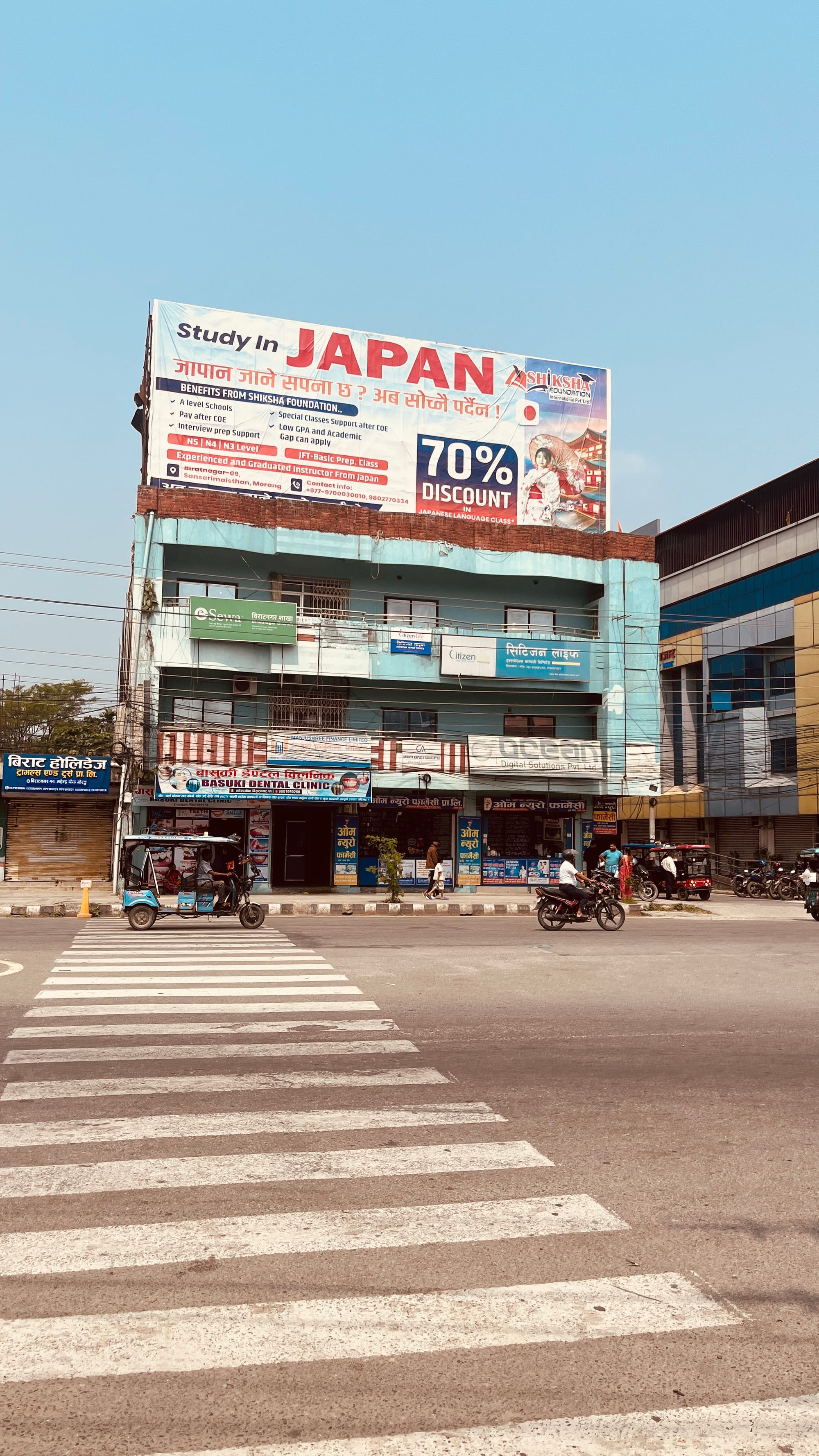
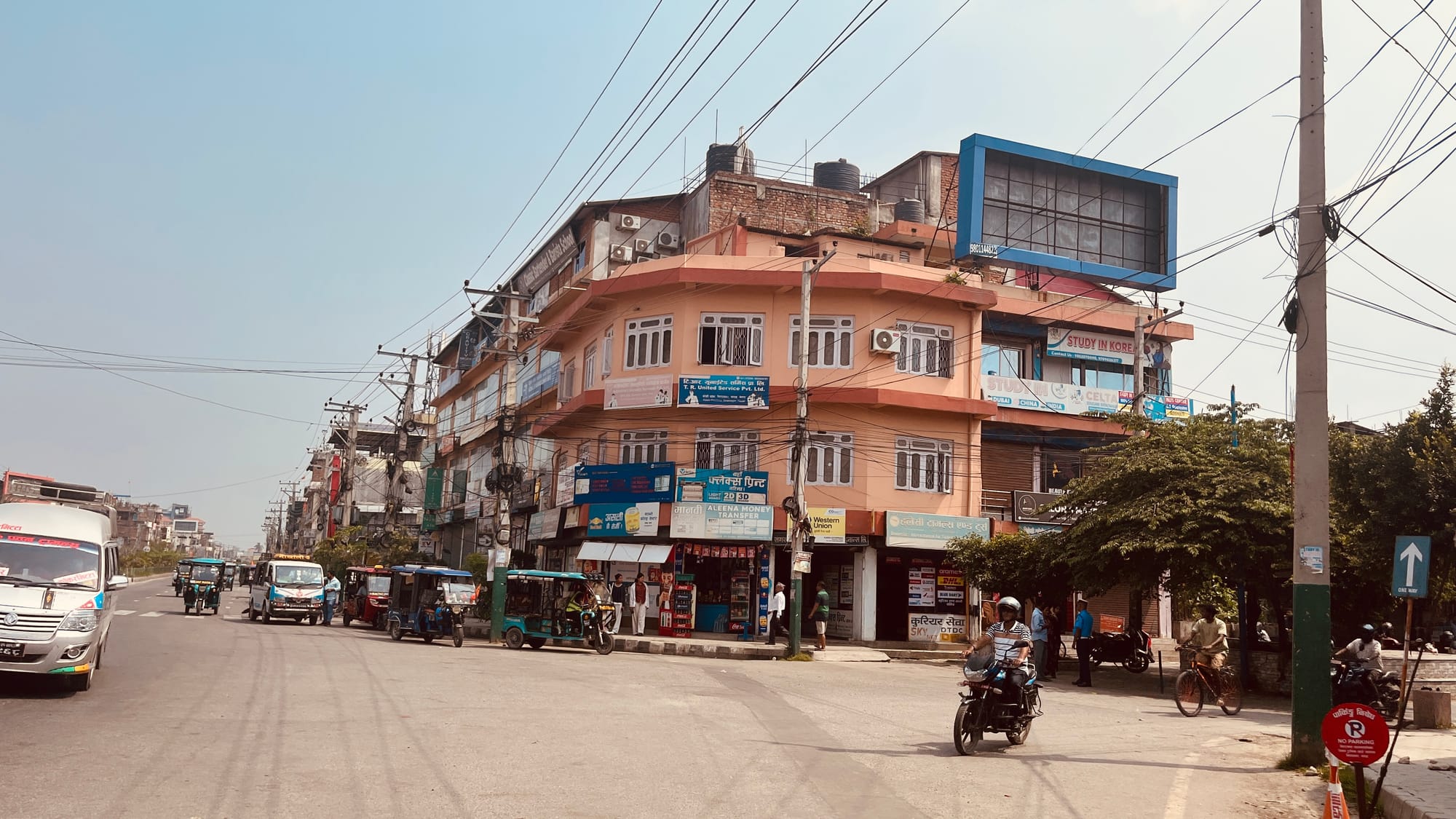
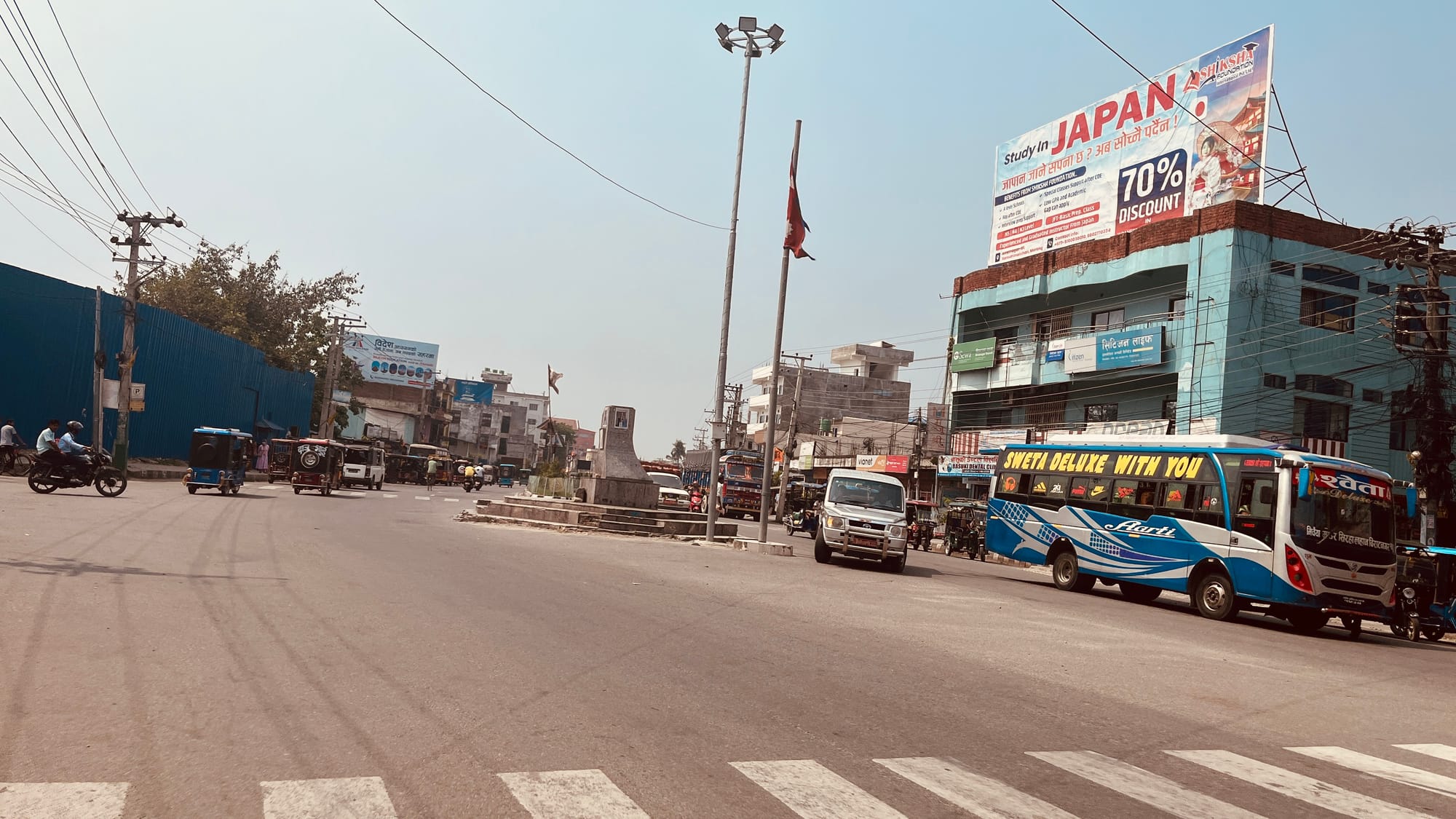
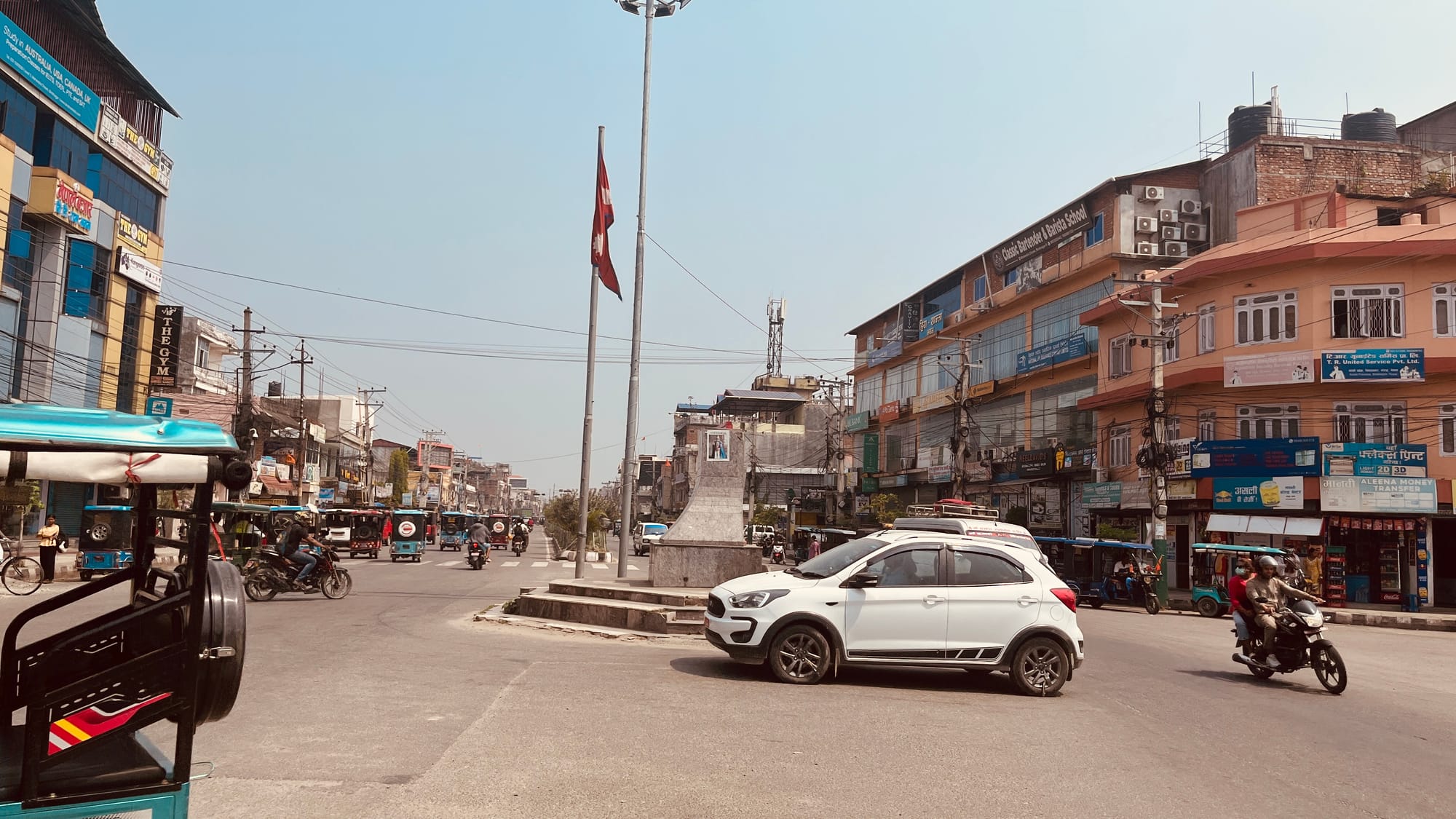
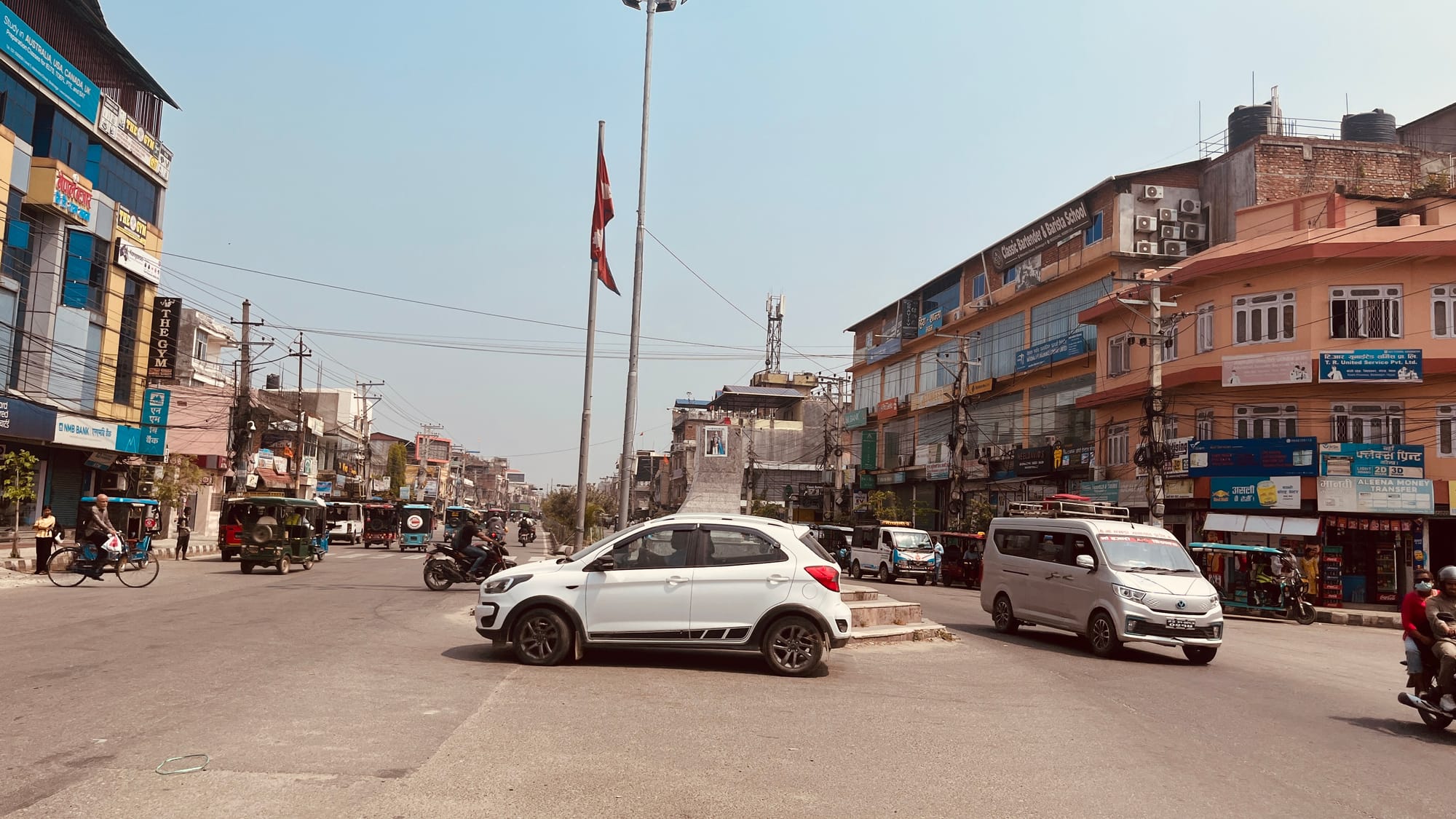
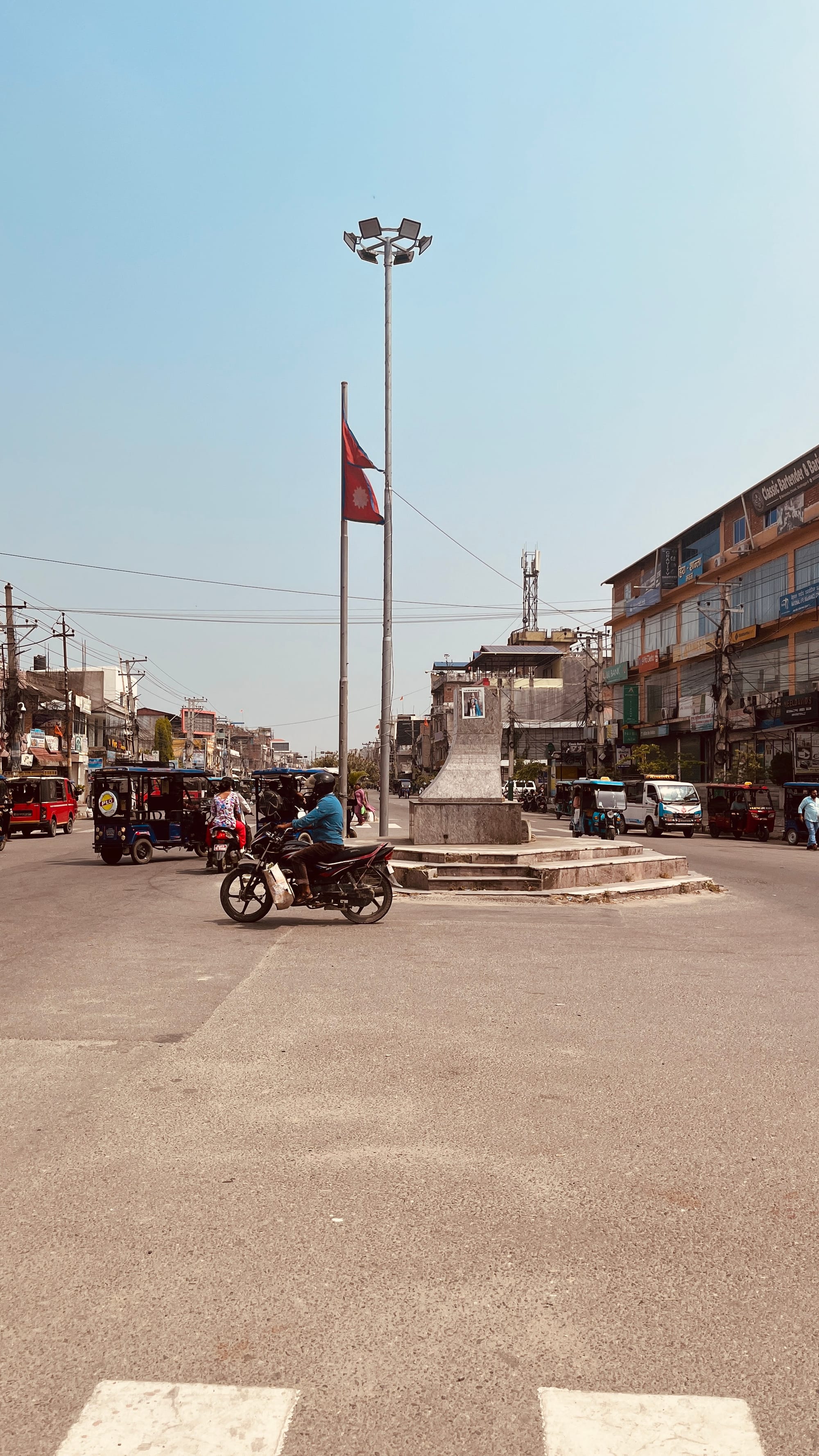
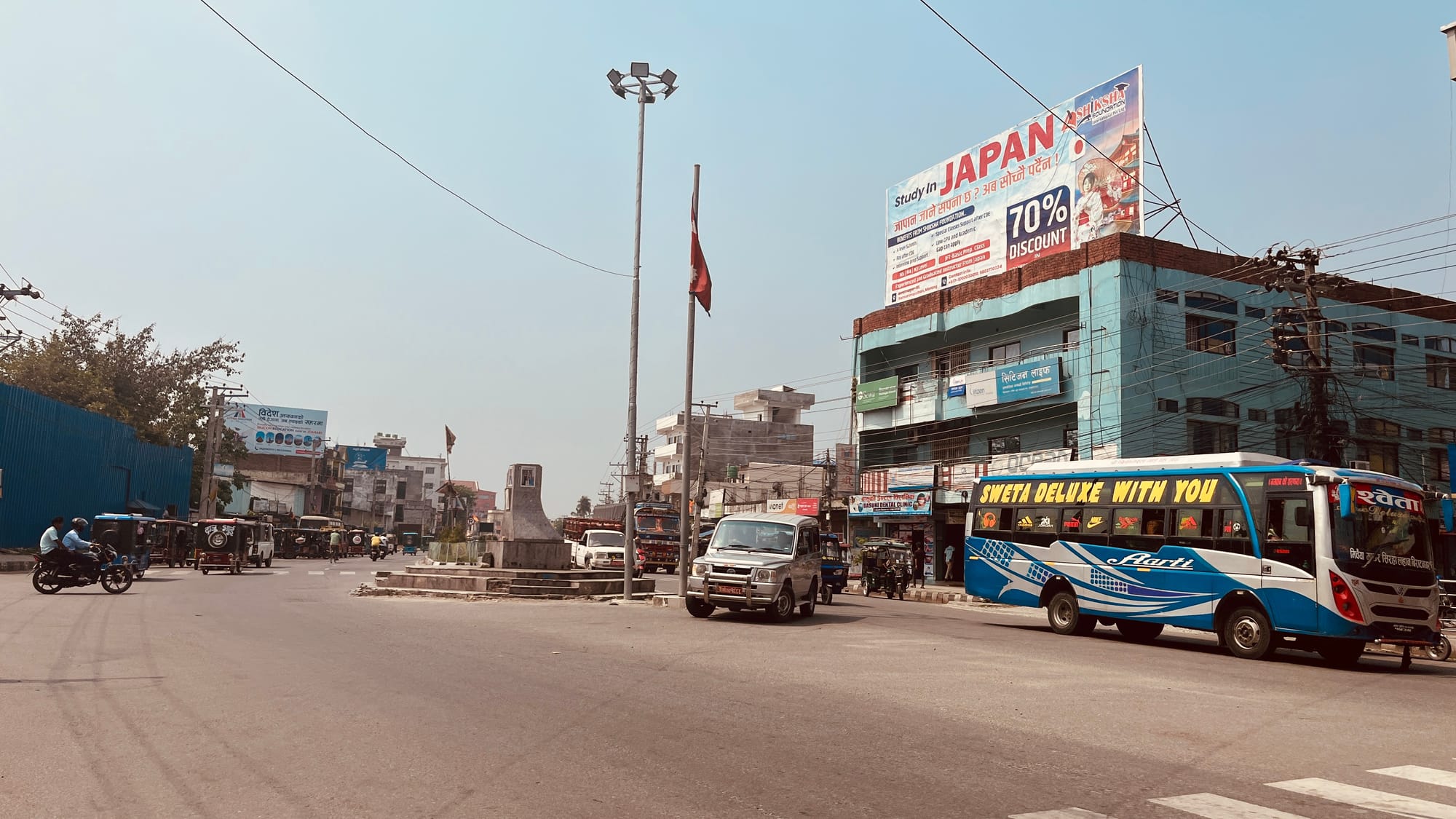
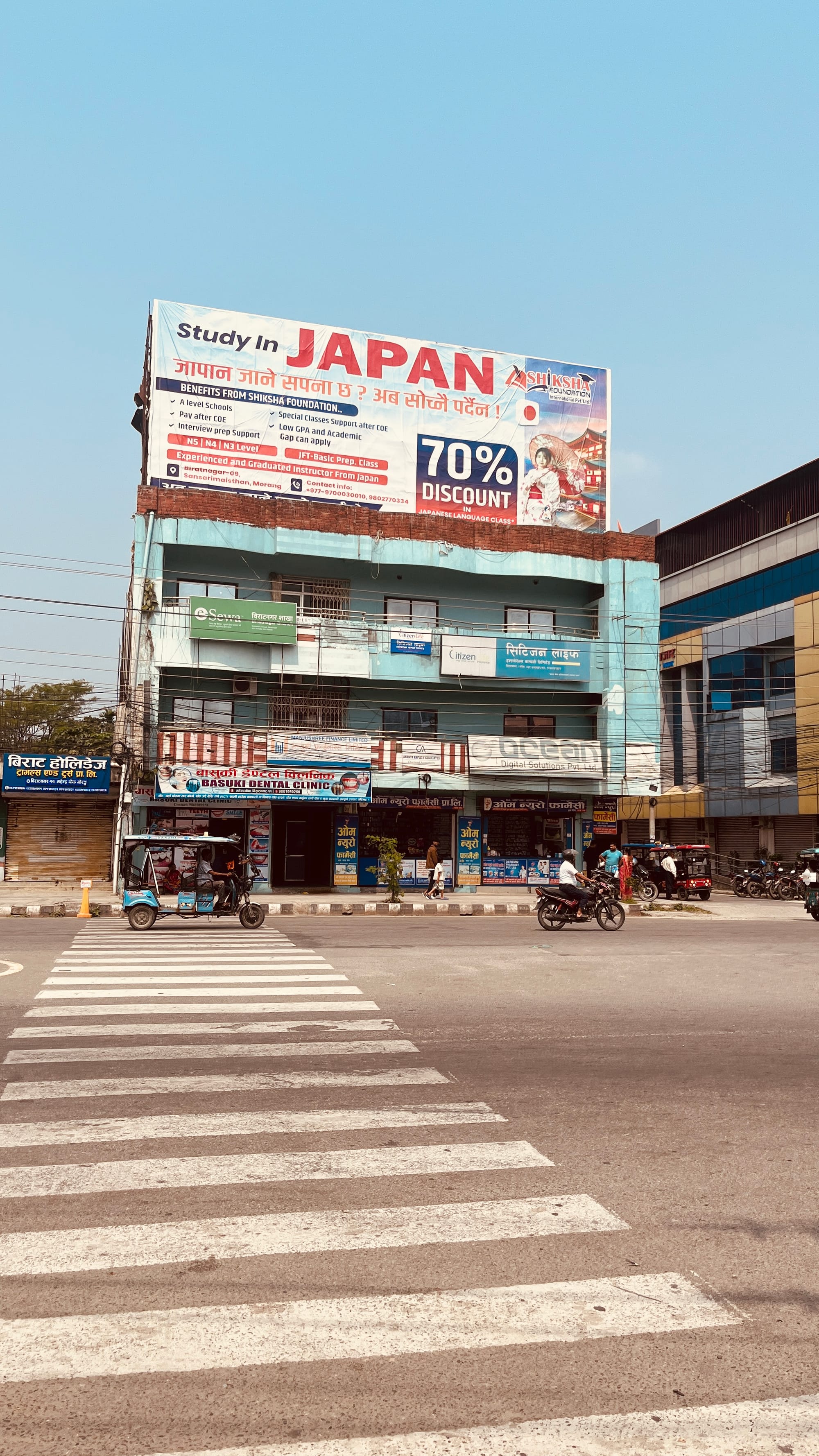
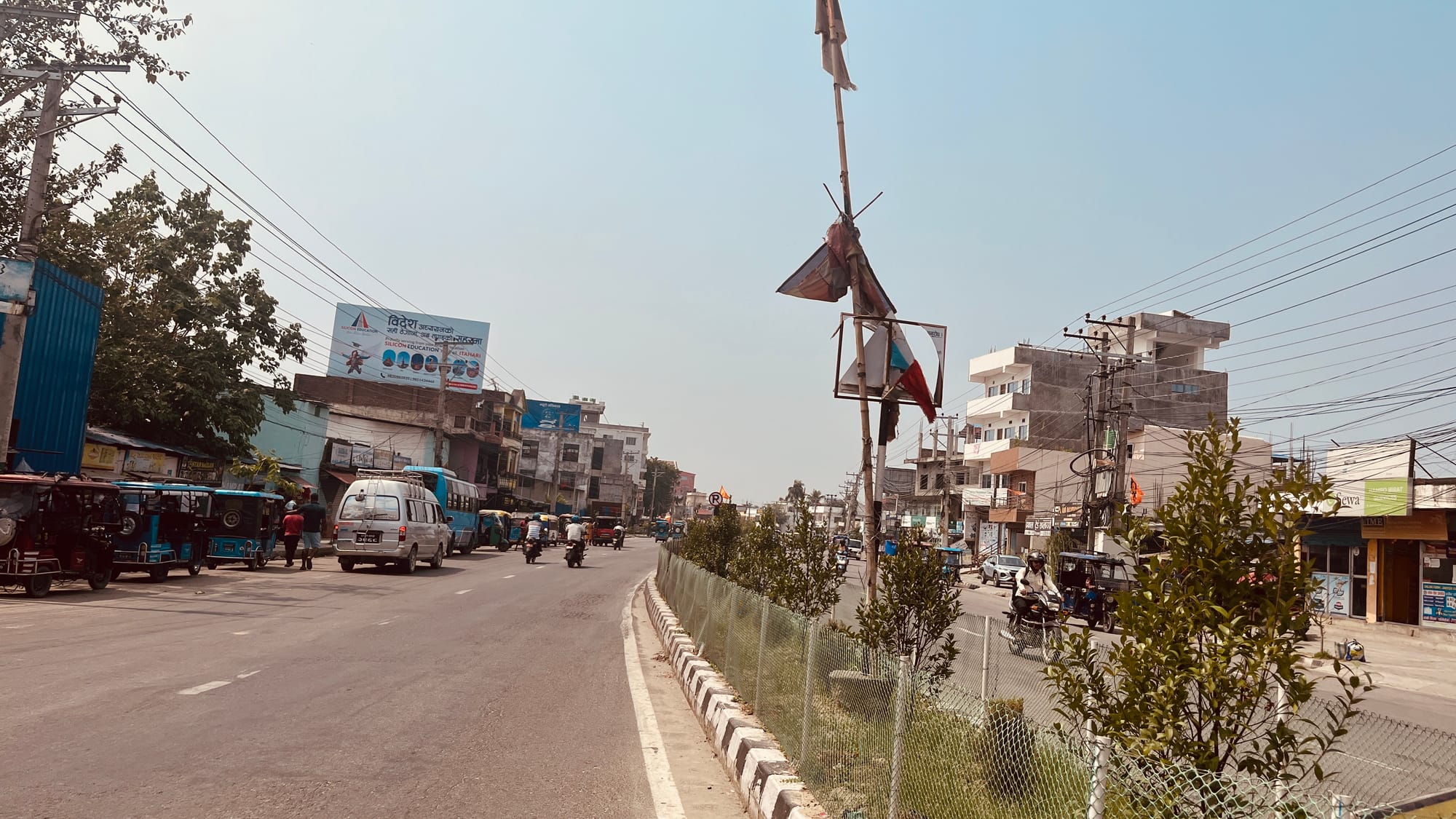
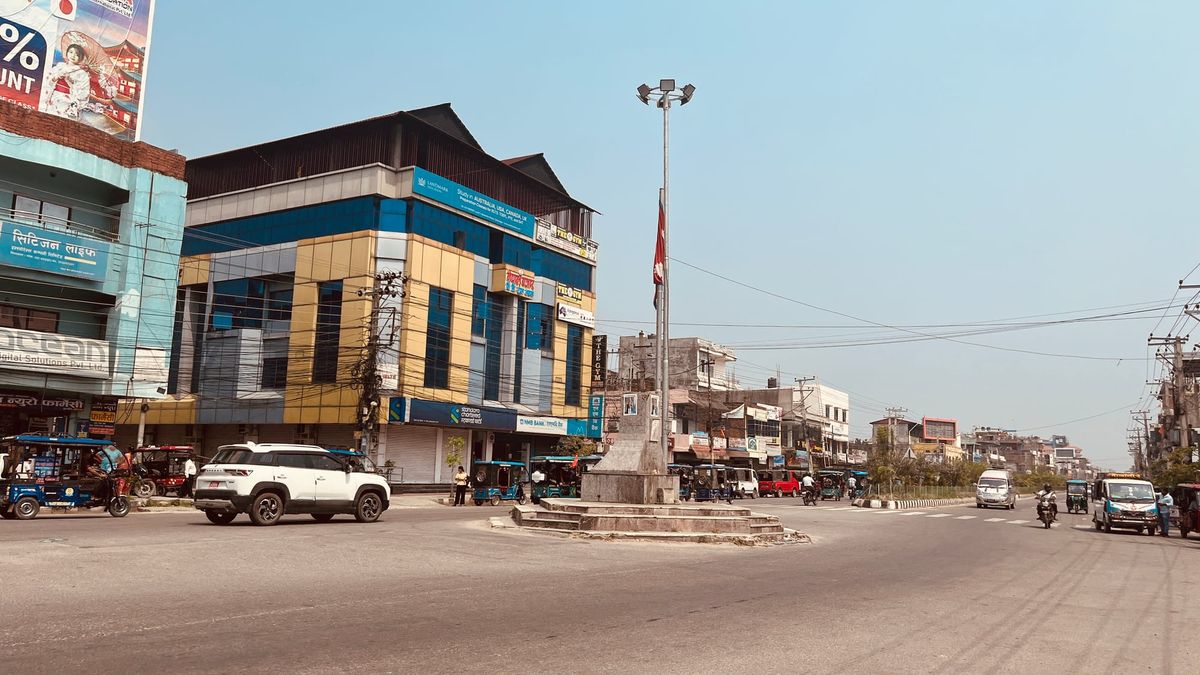
Current status of Mahendra Chowk in Biratnagar Nepal ( Photo 15 April 2026 )
Infrastructure Development: Connecting a Nation
Before King Mahendra’s era, Nepal had very limited road networks. Transportation was primarily dependent on foot trails and porter systems. Understanding the importance of connectivity, he prioritized infrastructure development.
The construction of highways such as the East-West Highway, later named the Mahendra Highway, was a landmark achievement. This highway connected the entire southern belt of Nepal, facilitating trade, mobility, and national integration.
Additionally, efforts were made to expand air transportation through Royal Nepal Airlines, enabling connectivity with remote regions and international destinations.
Economic Planning and Industrial Growth
King Mahendra introduced systematic economic planning through periodic development plans. These plans aimed to improve agriculture, industry, and trade.
He encouraged the establishment of industries such as textiles, jute, sugar, and cement. Industrial estates were developed to promote manufacturing and employment. The government also played a key role in initiating public sector enterprises.
Agriculture, being the backbone of Nepal’s economy, received attention through irrigation projects, land reforms, and modernization efforts.
Education and Social Development
Education was another priority area. During King Mahendra’s reign, Nepal saw a significant expansion in schools and higher education institutions.
One of the most notable contributions was the establishment of Tribhuvan University in 1959, which became the cornerstone of higher education in Nepal.
The government also promoted literacy programs, teacher training, and curriculum development, helping to create a more educated population.
National Identity and Cultural Promotion
King Mahendra strongly believed in fostering a unified national identity. He promoted the Nepali language as a unifying medium and encouraged cultural integration across diverse ethnic groups.
His reign also saw the promotion of literature, music, and arts. Interestingly, King Mahendra himself was a poet and songwriter, contributing to Nepal’s cultural heritage.
Foreign Policy and International Recognition
Under King Mahendra’s leadership, Nepal expanded its diplomatic relations significantly. He established ties with major global powers and ensured Nepal’s active participation in international forums.
Nepal became a member of the United Nations in 1955, marking a major milestone in its global recognition.
He adopted a policy of non-alignment, balancing relations with neighboring giants like India and China while maintaining sovereignty.
Administrative Reforms and Governance
King Mahendra restructured the administrative system to improve governance efficiency. He introduced zoning and district-level administration, making governance more accessible.
Efforts were also made to strengthen law enforcement, judiciary, and civil services, laying the groundwork for modern state institutions.
Legacy: A Mixed but Lasting Impact
The legacy of King Mahendra is complex. While his political decisions remain controversial, his contributions to infrastructure, education, economic planning, and national identity are undeniable.
He transformed Nepal from an isolated kingdom into a developing nation with a clearer sense of direction. Many of the institutions and systems established during his reign continue to influence Nepal today.
25 Notable Works of King Mahendra in the Development of Nepal
Below is a plain list of 25 significant contributions made during his reign:
- Construction and expansion of the Mahendra Highway (East-West Highway)
- Introduction of the Panchayat system of governance
- Establishment of Tribhuvan University
- Expansion of road networks across the country
- Development of domestic and international air services through Royal Nepal Airlines
- Launch of periodic national development plans
- Promotion of industrialization through industrial estates
- Establishment of public sector industries (jute, sugar, cement, textiles)
- Expansion of primary and secondary education across Nepal
- Initiation of land reform policies
- Development of irrigation projects for agriculture
- Strengthening Nepal’s membership and participation in the United Nations
- Establishment of diplomatic relations with multiple countries
- Promotion of the Nepali language as a national language
- Encouragement of arts, literature, and cultural unity
- Administrative restructuring into zones and districts
- Expansion of civil service and bureaucratic systems
- Development of tourism as an economic sector
- Construction of airports in remote regions
- Strengthening national sovereignty through non-aligned foreign policy
- Promotion of self-reliance in economic planning
- Development of communication systems (postal and telecommunications)
- Establishment of educational institutions outside Kathmandu
- Encouragement of cooperative movements in rural areas
- Initiatives for national integration and unity among diverse ethnic groups