How to Know if a Child Has Autism?


Recognizing the signs of Autism Spectrum Disorder (ASD) in children early allows timely support, guidance, and intervention. Autism is a neurodevelopmental disorder that affects a child’s social, behavioral, and communication abilities. In detail, it impacts brain development and functioning, influencing areas such as communication, behavior, social interaction, and learning. Other related developmental conditions include ADHD (Attention Deficit Hyperactivity Disorder), dyslexia, and intellectual disabilities.
Lack of Response to Social Cues
A common sign of autism is when a child does not respond to age-appropriate verbal cues, eye contact, or other social signals. Repetitive engagement in the same activity or discomfort with changes may also indicate ASD. Such behaviors can appear at a very young age, so parents must carefully observe even small behavioral patterns. Monitoring how a child responds socially, pays attention, and interacts with others can reveal early signs.
Difficulty Making Eye Contact
Autism signs often become noticeable between 12–24 months. For example, a child may not turn when their name is called, avoid playing with other children, or fail to make eye contact with parents during interactions. Even when a child smiles, they may appear unresponsive. In some cases, children may show normal development initially but later regress—a phenomenon called “regression”—where they may lose previously acquired words, social behaviors, or become self-focused.
Specialized Psychological or Neurological Assessment
If such behaviors are observed, consulting a healthcare professional is crucial. Diagnosing autism cannot rely on a single test. Specialists evaluate a child’s behavior, development, language, and social interaction. Doctors take the full developmental history, perform assessments, and sometimes conduct specialized psychological or neurological tests. Many countries, including the United States, use early screening tools like M-CHAT for children aged 16–30 months. In Nepal, consulting pediatric development specialists, child psychologists, or trained therapists can facilitate early detection.
 Neuro Hospital
Improving Educational and Communication Skills
Once autism is confirmed, it is important to begin intervention without delay. Although autism has no permanent cure, early therapy can significantly improve a child’s social, educational, and communication abilities. Effective therapies include Applied Behavior Analysis (ABA), speech therapy, occupational therapy, and social skills programs. Since every child’s needs are different, specialists create customized therapy plans. Family support, school collaboration, and social acceptance are also critical in fostering development. Parents should practice patience, reinforce therapy exercises at home, and celebrate even small progress.
Observing Key Behavioral Indicators
Parents should carefully monitor their child’s behaviors and seek early evaluation if necessary. Key indicators include:
- Making eye contact and responding to social cues
- Interest in playing with other children
- Delayed speech or repetitive use of words
- Preference for highly structured routines
- Sensitivity to certain sounds or lights
These behaviors can indicate differences in the child’s sensory system and require careful observation.
Autism Is Not a Weakness
Autism is not a limitation—it is simply a different way of perceiving and experiencing the world. Early assessment, diagnosis, and therapy enable children to lead independent and fulfilling lives. With patience, tailored teaching methods, and a socially supportive environment, children with autism can gain confidence and thrive in society. Early detection, effective therapy, and a positive mindset are key to successful management.
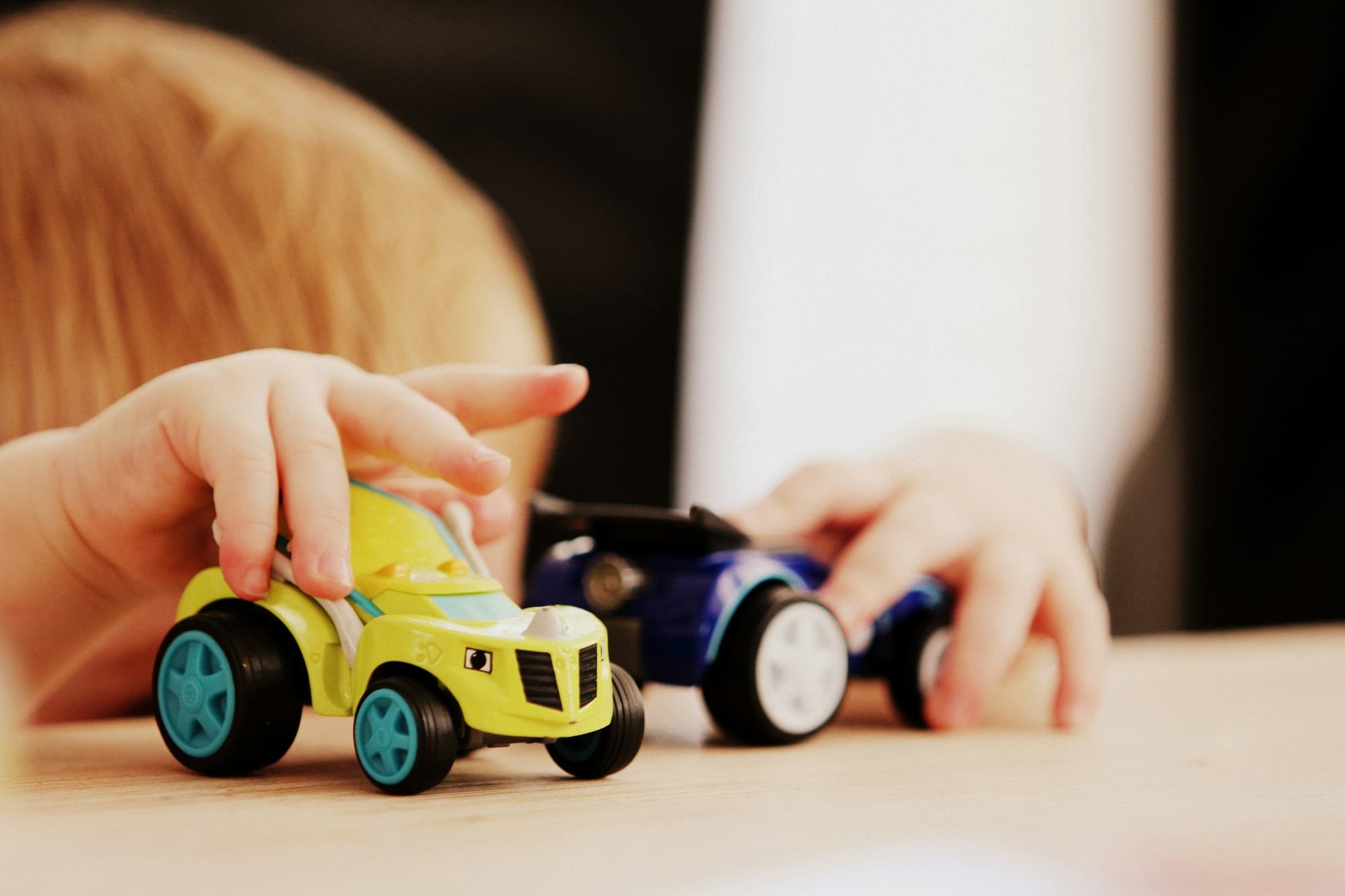
Additionally, society must view children with autism with understanding and support rather than judgment. Recognizing that not all children are the same and providing education, training, and care based on individual needs is the foundation of an inclusive society.
If your child shows any of the signs mentioned above, do not panic. Instead, consult a specialist in a timely manner. Promoting awareness, dispelling myths and prejudices about autism, and providing early support will allow children to maximize their potential and succeed in life. Challenges recognized early can be addressed effectively, and every child deserves love, understanding, and opportunity.