Why gardening for mental wellness?
Gardening is excellent for mental wellness because it combines physical activity, nature exposure, and mindfulness, all of which are proven to support mental health.


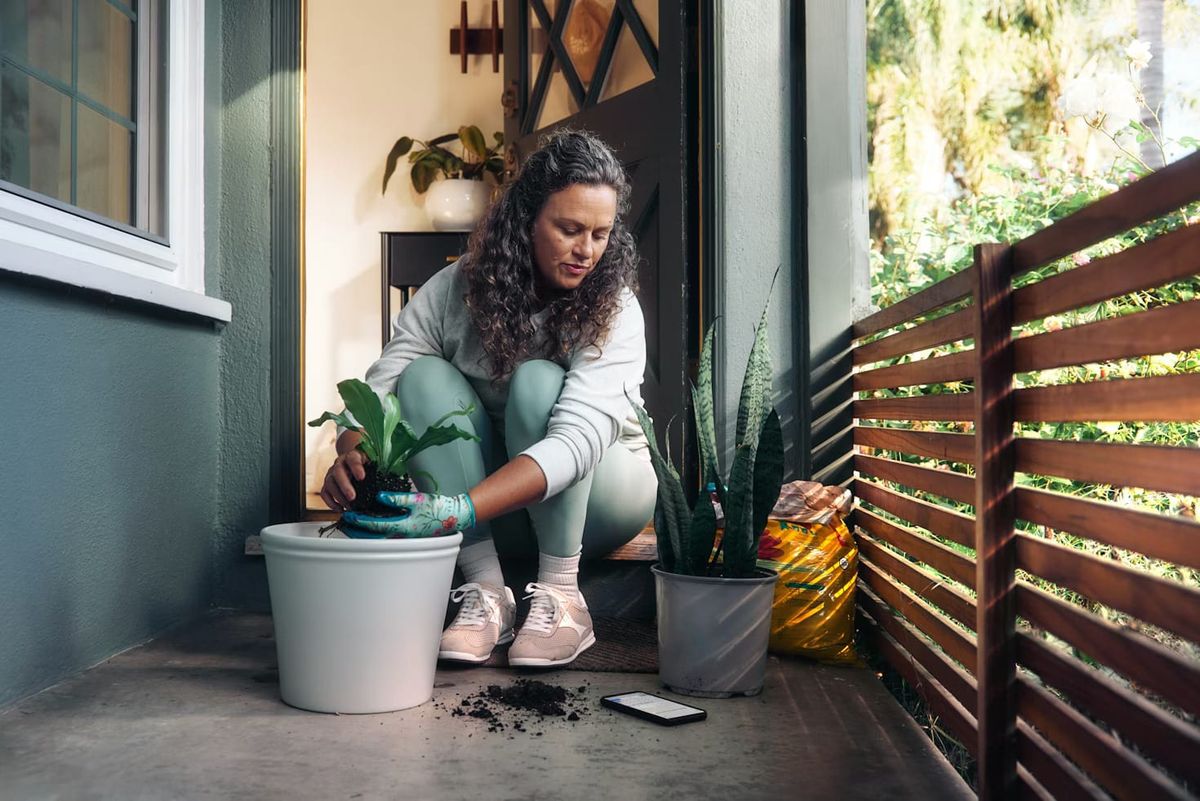
Gardening is more than just planting flowers or maintaining lawns. It is a powerful tool for mental wellness. Engaging with nature can help reduce stress, anxiety, and depression, improve sleep, and provide a sense of calm and accomplishment. Spending time in the garden encourages mindfulness, offers a break from screens, and acts as an effective digital detox, allowing you to reconnect with the natural world and yourself.
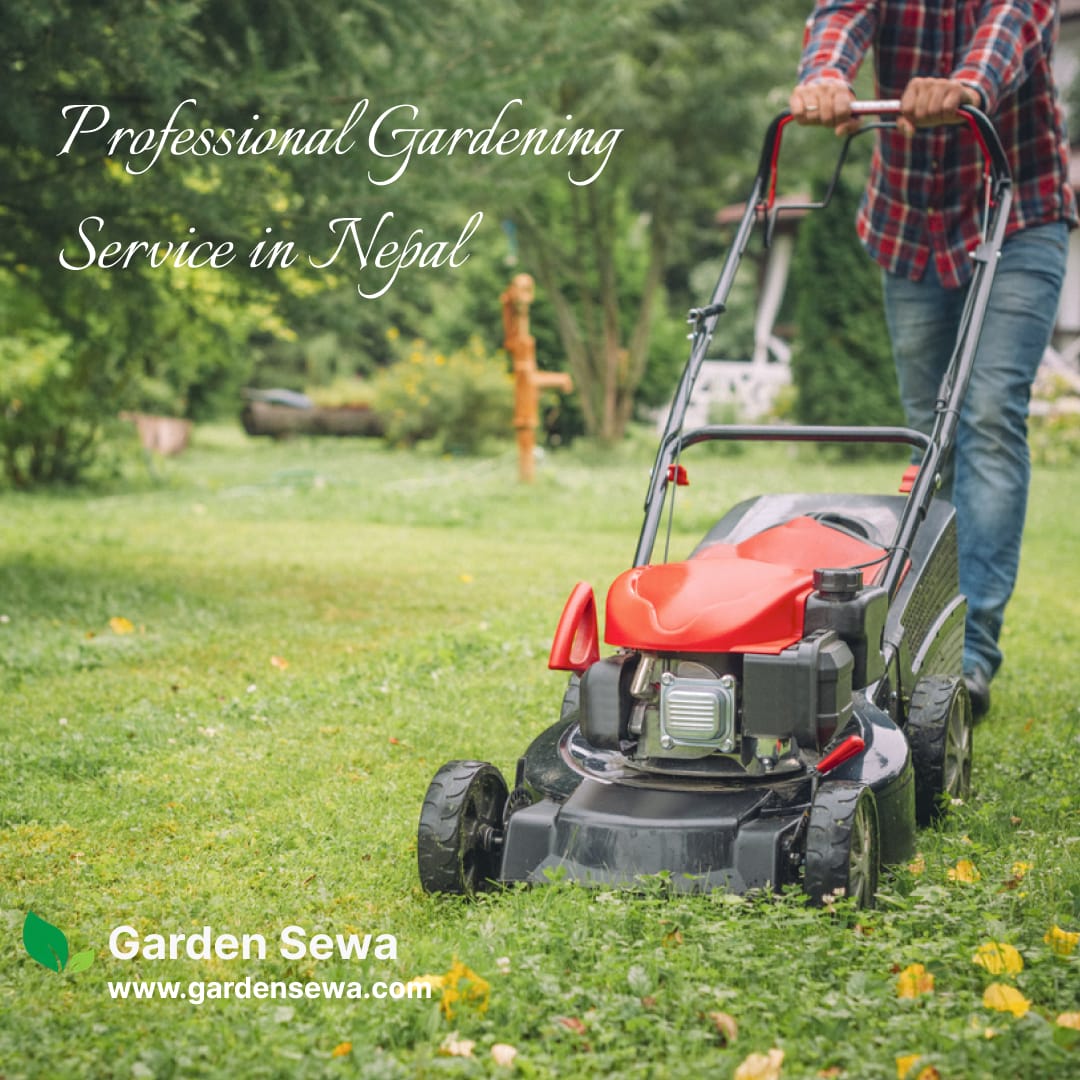
At Garden Sewa, we provide professional gardening services across Nepal, dedicated to transforming outdoor spaces into vibrant, serene, and sustainable gardens. Our mission is to bring plants, people, and nature together, creating environments that not only enhance beauty but also promote relaxation and well-being. Visit Website : https://gardensewa.com
Gardening is excellent for mental wellness because it combines physical activity, nature exposure, and mindfulness, all of which are proven to support mental health. Here’s why:
- Reduces Stress and Anxiety – Spending time in green spaces and caring for plants lowers cortisol (the stress hormone), calms the nervous system, and promotes a sense of peace.
- Combats Depression – The act of nurturing plants gives a sense of purpose and accomplishment, which can improve mood and help reduce depressive symptoms.
- Improves Sleep – Gardening involves gentle physical activity and natural light exposure, both of which help regulate sleep patterns and combat insomnia.
- Boosts Mindfulness and Focus – Gardening encourages being present in the moment, observing details, and focusing on tasks, which supports emotional regulation and mental clarity.
- Acts as a Digital Detox – In a world dominated by screens, gardening offers a natural break from technology, reducing digital fatigue and restoring mental energy.
- Enhances Overall Well-Being – Interacting with nature increases serotonin levels, fosters creativity, and promotes a sense of connectedness to the environment.
In short, gardening isn’t just about growing plants—it’s about growing mental resilience, calmness, and joy.
Starting a garden at home can be simple, enjoyable, and incredibly rewarding, even if you have limited space or experience. Here’s a step-by-step guide:
1. Choose Your Space
- Identify a spot that gets enough sunlight (at least 4–6 hours per day for most plants).
- It could be a backyard, balcony, terrace, or even a windowsill.
- Make sure there’s enough room for containers, pots, or garden beds.
2. Decide What to Grow
- Start with easy-to-grow plants like herbs (basil, mint), leafy greens (spinach, lettuce), or flowering plants (marigolds, sunflowers).
- Consider your climate, space, and how much time you can dedicate.
3. Choose Containers or Beds
- Use pots, raised beds, or vertical gardens if space is limited.
- Ensure proper drainage to prevent root rot.
4. Pick the Right Soil
- Use nutrient-rich potting mix or garden soil.
- Mix compost to improve fertility and moisture retention.
5. Planting
- Follow instructions for spacing and depth.
- Water gently after planting.
6. Water and Care
- Most plants need consistent moisture, but avoid overwatering.
- Remove weeds, trim dead leaves, and keep an eye out for pests.
7. Add Mulch and Fertilizer
- Mulching retains moisture and controls weeds.
- Use organic fertilizers to nourish your plants naturally.
8. Be Patient and Observe
- Gardening is a slow, mindful process.
- Observe how plants respond, learn from mistakes, and enjoy small successes.
9. Incorporate Mindfulness
- Take time to touch, smell, and notice your plants.
- Treat it as a digital detox and stress-relief activity.
 Peace Opoggen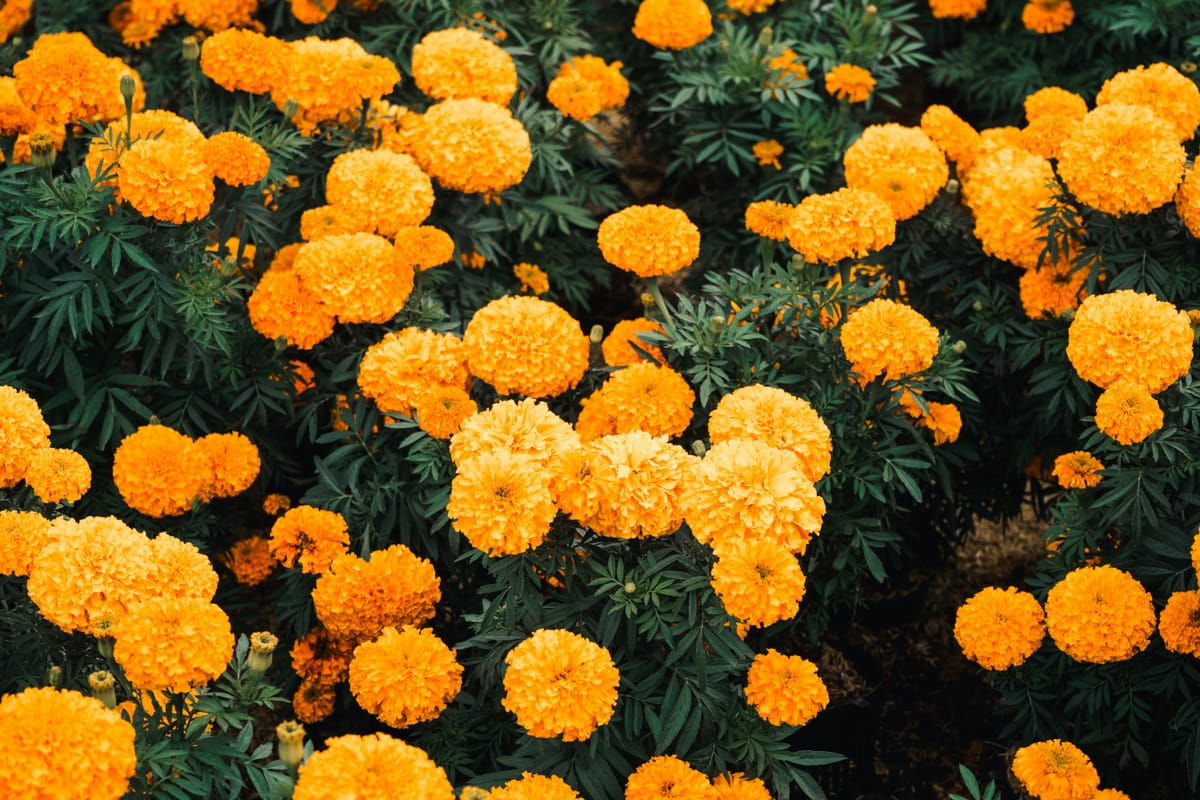
Beginner Home Gardening Plan
1. Choose 5 Easy Plants
- Basil – Great for cooking and grows well in pots.
- Mint – Refreshing aroma, perfect for teas, very hardy.
- Spinach – Fast-growing leafy green, nutritious and low maintenance.
- Marigold – Bright flowers that repel pests naturally.
- Aloe Vera – Medicinal plant, easy to grow in a sunny spot.
2. What You Need
- Small pots or containers (with drainage holes)
- Potting soil or garden soil mixed with compost
- Watering can
- Small gardening tools (spade, trowel, gloves)
3. Planting Guide
- Fill pots with soil, leaving 1 inch at the top.
- Plant seeds or seedlings according to their recommended depth.
- Water lightly immediately after planting.
4. Care Routine
- Watering: 2–3 times a week or when soil is dry.
- Sunlight: 4–6 hours daily for most plants.
- Trimming: Remove dead leaves and flowers to encourage growth.
- Fertilizer: Add organic compost once a month.
5. Mindful Gardening Tips
- Spend at least 10–15 minutes daily with your plants.
- Touch leaves, smell flowers, and enjoy the process.
- Use this time to unplug from devices and reduce stress.
This simple plan will help you start a small garden at home, improve your mental wellness, and gradually build confidence for bigger projects.