The Difference Between a Resume and a Curriculum Vitae (CV)
Understanding Difference Between a Resume and a Curriculum Vitae (CV) can significantly improve your chances of success in job applications, academic pursuits, and professional advancement.

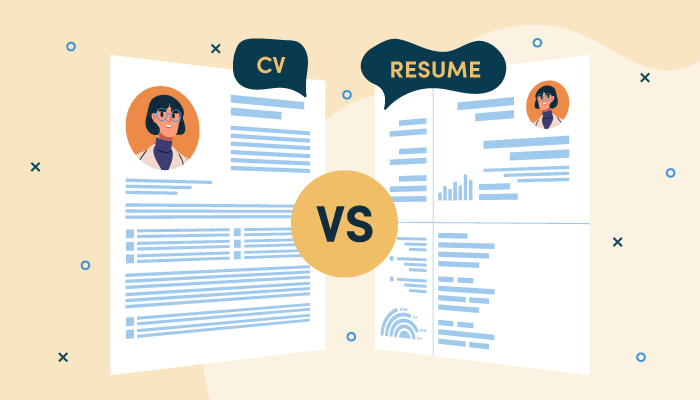
When applying for jobs, one of the most important decisions you’ll make is choosing the right document to represent your qualifications. Two of the most commonly used documents are the resume and the curriculum vitae (CV). While they may seem similar at first glance—and are sometimes even used interchangeably—they are fundamentally different in terms of purpose, content, length, and usage.
Understanding Difference Between a Resume and a Curriculum Vitae (CV) can significantly improve your chances of success in job applications, academic pursuits, and professional advancement.
Understanding the Basics
Both a resume and a CV are professional documents designed to showcase your qualifications, skills, and experiences to potential employers or institutions. Their ultimate goal is the same: to demonstrate why you are a strong candidate. However, how they achieve this goal differs considerably.
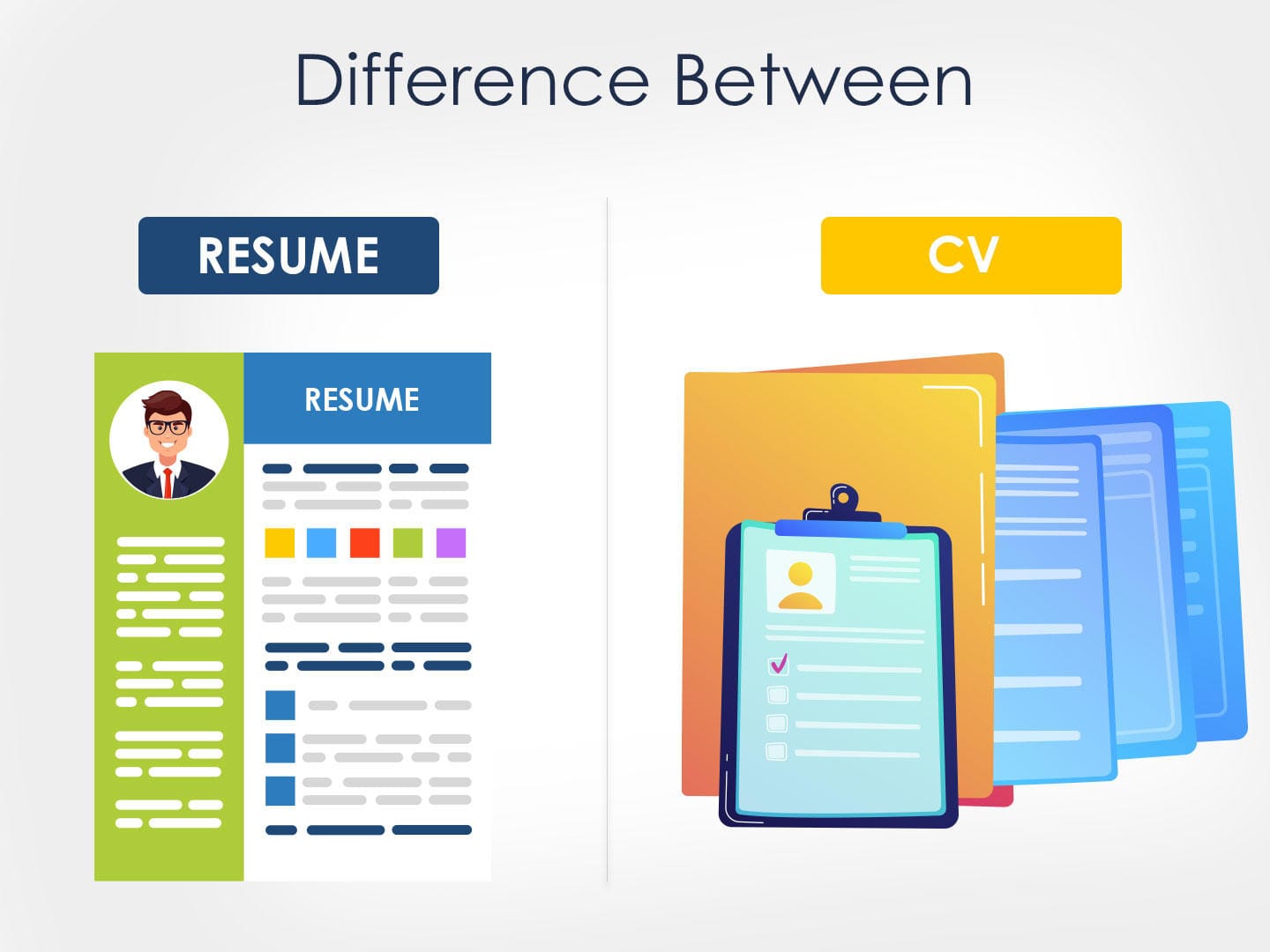
A resume is a concise, targeted summary of your professional background, while a CV is a detailed, comprehensive record of your academic and career history.
Key Differences Between a Resume and a CV
1. Length and Detail
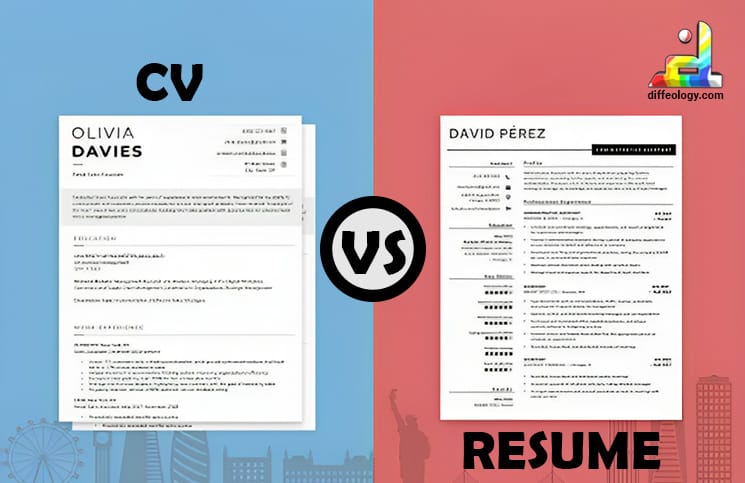
One of the most noticeable differences is the length of the document.
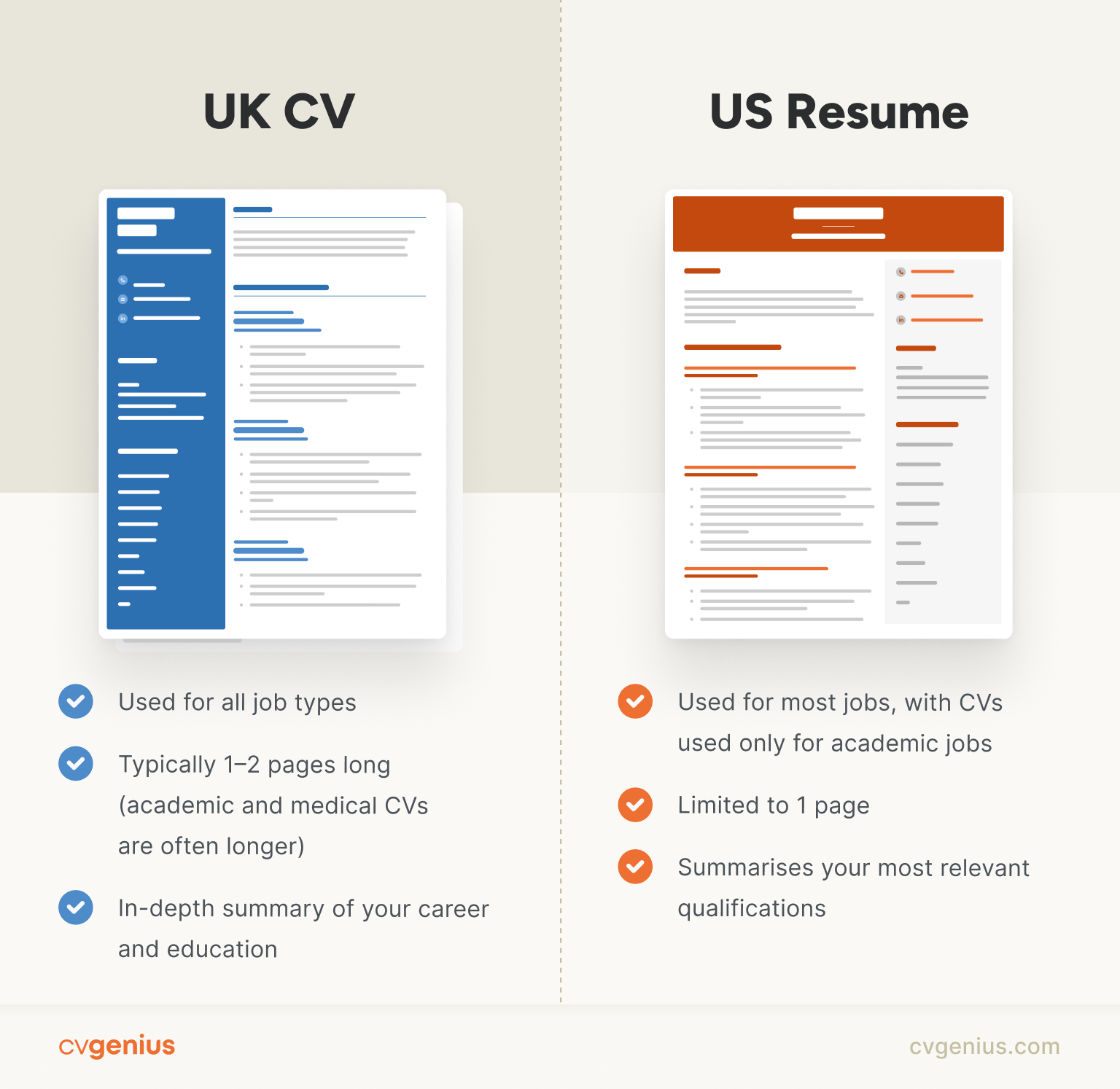
A resume is typically short and focused, usually limited to one or two pages. It highlights only the most relevant experiences and skills tailored to a specific job.
In contrast, a CV is much longer and more detailed. It has no strict page limit and can range from three pages to over ten pages, depending on your experience. It includes a full history of your academic and professional achievements.
2. Purpose and Usage
The purpose of each document also differs significantly.
A resume is commonly used for:
- Corporate jobs
- Private sector roles
- Government or industry positions
It acts as a marketing tool, showcasing your most relevant qualifications for a specific role.
A CV, on the other hand, is primarily used for:
- Academic positions
- Research roles
- Teaching jobs
- Fellowships and grants
- Scientific and medical careers
It provides a comprehensive overview of your academic journey and professional accomplishments.
3. Content Structure
The content of a resume is selective and targeted. It typically includes:
- Contact information
- Professional summary or objective
- Work experience (focused on achievements)
- Skills
- Education
- Optional sections like certifications or volunteer work
A CV, however, includes much more detailed information, such as:
- Full academic history
- Teaching experience
- Research work
- Publications and presentations
- Awards, honors, and scholarships
- Professional affiliations
- Certifications and licenses
- References
In essence, a resume is a snapshot, while a CV is a full story.
4. Customization
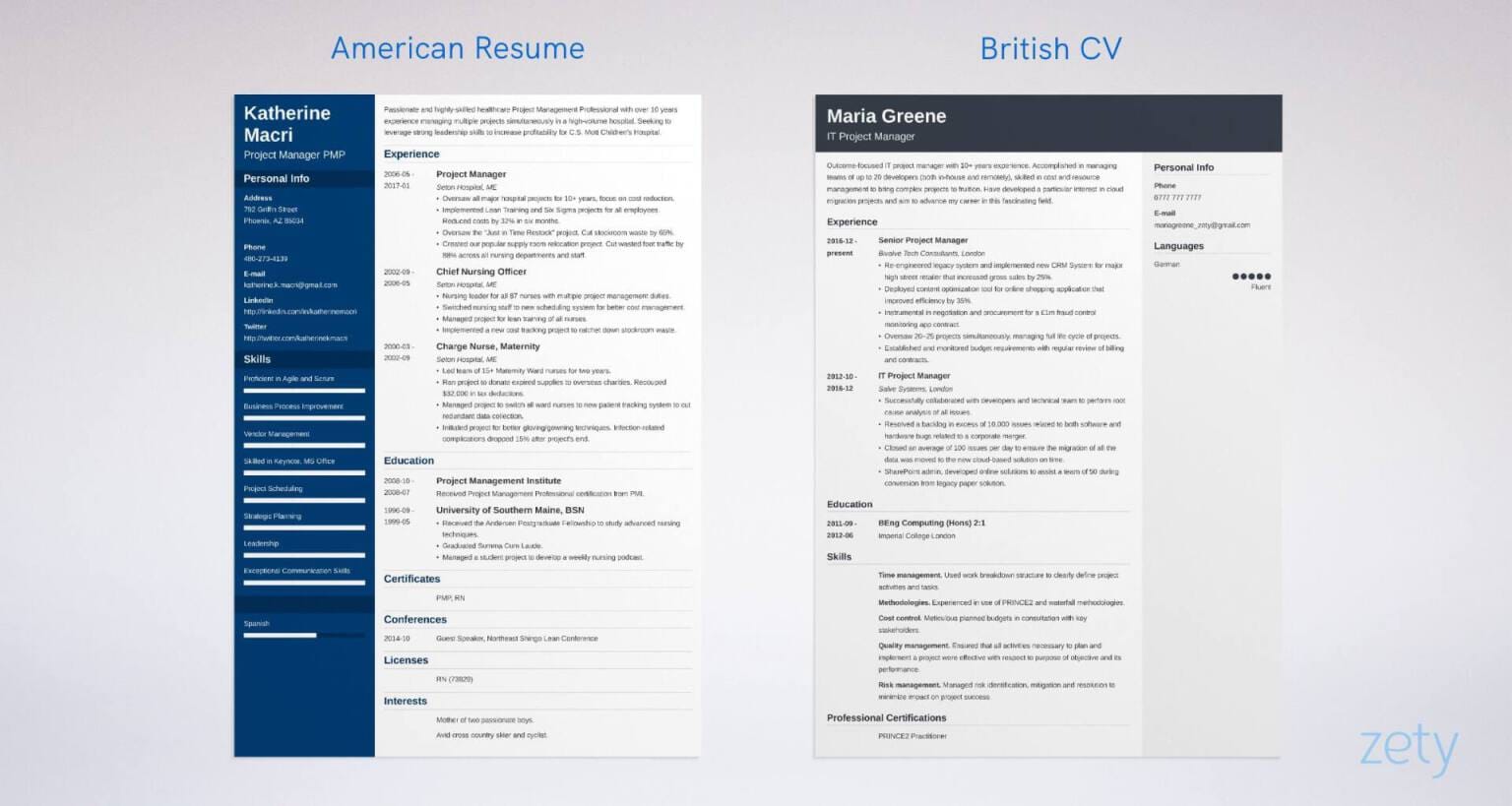
A resume is highly customizable. You are expected to tailor it for each job application by emphasizing the skills and experiences most relevant to that specific role.
A CV, however, is more static. While it can be updated over time as you gain new experiences, it is generally not heavily customized for each application. Instead, it serves as a complete record of your professional and academic life.
5. Geographic Differences
The meaning and usage of resumes and CVs can vary depending on location.
- In the United States, resumes and CVs are clearly distinct documents.
- In regions like Europe, the UK, and New Zealand, the term “CV” is often used to describe both types of documents.
- In countries such as India, Australia, and South Africa, the terms are often used interchangeably.
This makes it important to understand the expectations of the region where you are applying.
What Is a Resume?
A resume is a brief, well-organized summary of your:
- Work experience
- Skills
- Education
- Achievements
The word itself comes from a French term meaning “summary,” which perfectly reflects its purpose.
A strong resume:
- Focuses only on relevant information
- Uses bullet points for clarity
- Highlights measurable achievements
- Is tailored to a specific job
It is designed to quickly capture the attention of hiring managers, who often spend only a few seconds reviewing each application.
What Is a Curriculum Vitae (CV)?
A curriculum vitae (CV), meaning “course of life” in Latin, is a comprehensive document that outlines your entire academic and professional journey.
Unlike a resume, a CV:
- Includes detailed descriptions of your work
- Covers academic achievements extensively
- Lists research, publications, and presentations
- Grows over time as your career progresses
It is particularly valuable in fields where detailed credentials and scholarly work are essential.
When to Use a Resume vs. a CV
Choosing between a resume and a CV depends on several factors:
Use a Resume When:
- Applying for corporate or industry jobs
- Seeking roles in business, IT, marketing, or services
- The job posting specifically requests a resume
Use a CV When:
- Applying for academic or research positions
- Seeking teaching roles at universities
- Applying for grants, fellowships, or PhD programs
- The employer specifically asks for a CV
If you are unsure, it is always best to check the job description or contact the employer for clarification.
Should You Have Both?
Yes, it is highly recommended to maintain both a resume and a CV.
Since a CV is essentially an expanded version of a resume, you can often create one from the other with some additional detail. Having both documents ready ensures that you are prepared for any opportunity, whether in industry or academia.
Tips for Writing an Effective Resume and CV
Regardless of which document you are preparing, some universal best practices apply:
- Be clear and organized: Use headings and consistent formatting
- Proofread carefully: Avoid spelling and grammatical errors
- Use relevant keywords: Especially important for applicant tracking systems (ATS)
- Highlight achievements: Focus on results, not just responsibilities
- Keep it professional: Use simple fonts and clean layouts
For resumes, prioritize brevity and relevance.
For CVs, focus on depth and completeness.
Conclusion
While resumes and CVs serve a similar purpose, they are not interchangeable. A resume is a concise, tailored document designed for most job applications, while a CV is a detailed record used primarily in academic and research settings.
Understanding the differences between the two allows you to present yourself more effectively and increases your chances of success in a competitive job market. By choosing the right format and crafting it thoughtfully, you can make a strong impression and move closer to your career goals.