Common Website HTTP Status Codes and What They Mean

When you visit a website, your browser sends a request to the server, and the server replies with an HTTP status code. These status codes help browsers, search engines, and developers understand whether a page loaded successfully or if an error occurred. Understanding website status codes such as 200, 404, and 500 is very important for website performance, user experience, and search engine optimization. A properly managed website should always return the correct status codes for every request.
HTTP status codes are three-digit numbers divided into five main categories. Codes starting with 1xx are informational responses, meaning the request was received and is still being processed. These codes are rarely seen by regular users and do not directly impact SEO. The most important categories for website owners are 2xx, 3xx, 4xx, and 5xx.
The 2xx status codes indicate successful requests. The most common and important one is 200 OK, which means the page loaded correctly. Search engines prefer pages that return a 200 status code because it confirms the content is accessible and indexable. Other success codes like 201 Created are mostly used in APIs when new resources are added, while 204 No Content means the request was successful but no content was returned. For SEO purposes, important web pages should always return a 200 status code.
The 3xx status codes are used for redirection. These codes tell the browser that the requested page has moved to another location. The most SEO-friendly redirect is 301 Moved Permanently, which informs search engines that the page has permanently changed its URL and that ranking value should be passed to the new page. A 302 Found status is used for temporary redirects and should not be used for permanent changes, as it may confuse search engines. Another common redirect code is 304 Not Modified, which allows browsers to load cached content and improves website speed.
The 4xx status codes represent client-side errors. These occur when the browser sends an incorrect request or tries to access a page that does not exist. The most common example is 404 Not Found, which means the requested page is missing or has been deleted. While a few 404 errors are normal, too many can harm SEO and frustrate users. Other client errors include 400 Bad Request, which occurs due to incorrect request syntax, 401 Unauthorized, and 403 Forbidden, which appear when access permissions are missing or restricted. A 429 Too Many Requests error appears when a user or bot sends excessive requests in a short time.
The 5xx status codes indicate server-side errors and are the most serious type of website errors. These errors mean the server failed to process a valid request. The 500 Internal Server Error is a general error that usually points to coding or configuration problems. A 502 Bad Gateway error occurs when one server receives an invalid response from another server. A 503 Service Unavailable error appears when the server is overloaded or under maintenance, while a 504 Gateway Timeout means the server took too long to respond. Frequent 5xx errors can severely damage SEO and website reliability.
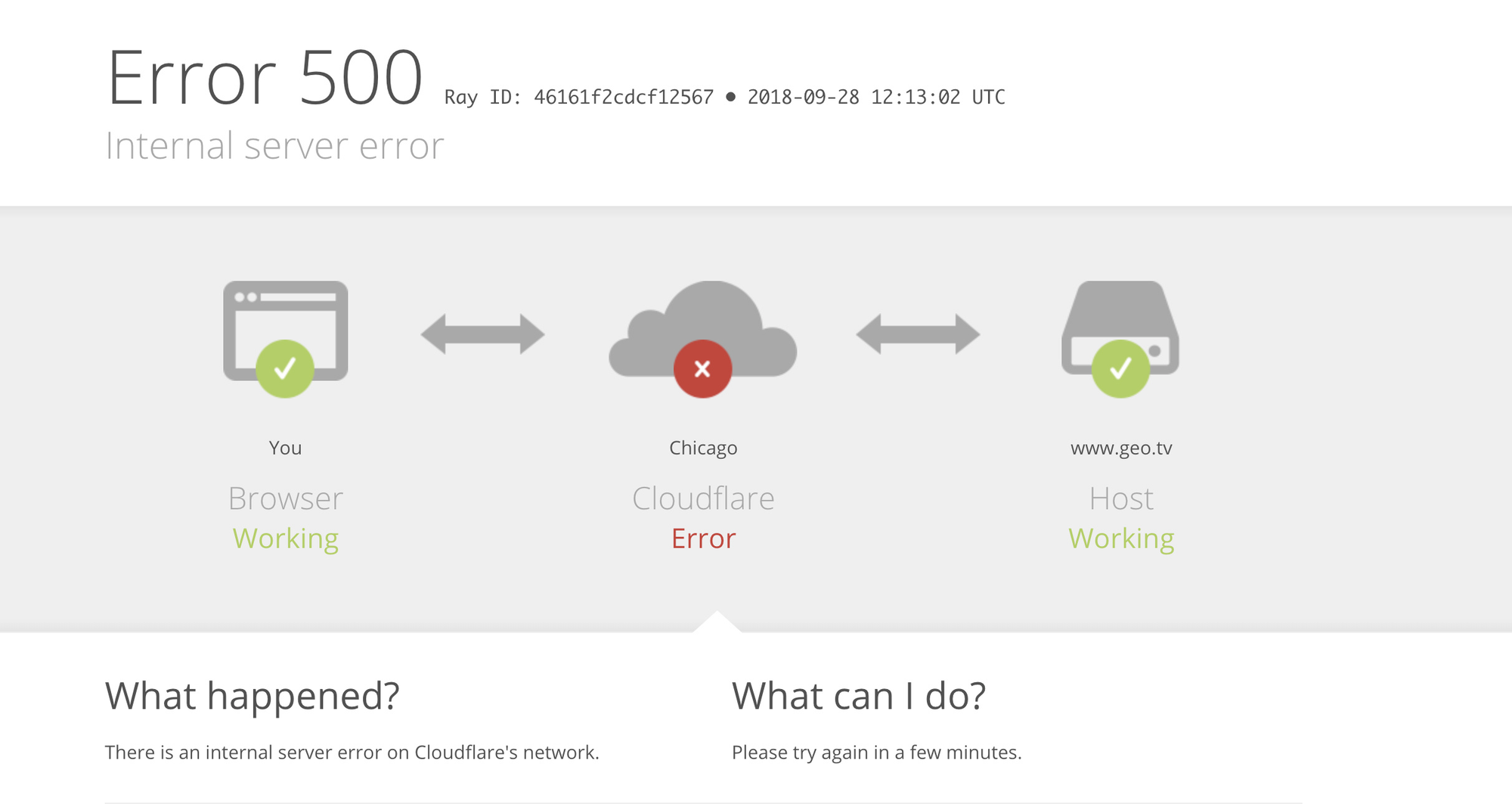
HTTP status codes play a critical role in search engine optimization. Search engines use these codes to decide which pages to crawl, index, or remove from search results. Pages that consistently return 200 status codes are indexed normally, while pages returning 404 or 500 errors may be removed from search rankings. Proper use of 301 redirects helps preserve SEO value when URLs change.
Website owners can monitor HTTP status codes using browser developer tools, Google Search Console, online status code checkers, and SEO audit tools. Regular monitoring helps detect broken links, server issues, and security problems early.
In conclusion, understanding HTTP status codes such as 200, 404, and 500 is essential for maintaining a healthy and SEO-friendly website. Correct use of success and redirect codes improves visibility, while quick resolution of client and server errors protects user experience and search rankings. By keeping a close eye on website status codes, businesses and developers can ensure long-term website performance and trust.