Why Finnish Aviation Is Known for Calm, Efficient Customer Service
In 2024, Finland’s airports handled approximately 19.6 million passengers — a 7% increase compared to 2023, reflecting continued recovery in air travel.

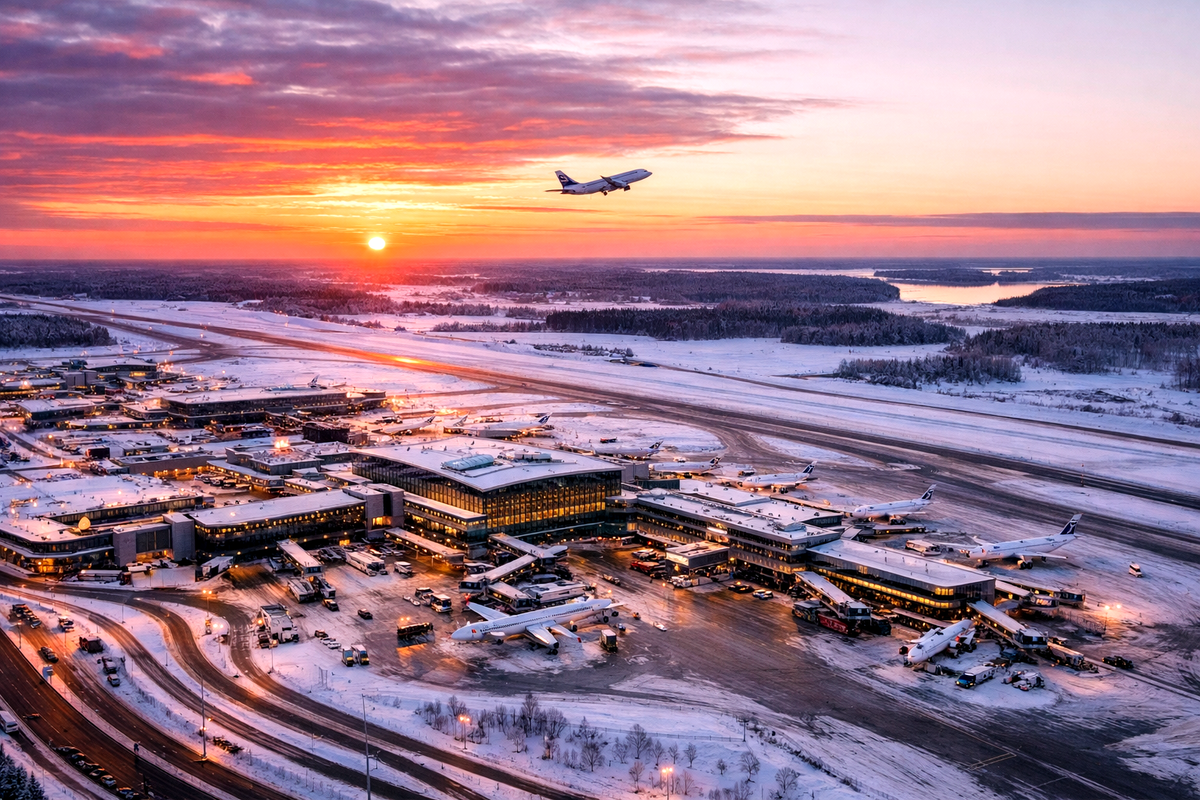
Airports are rarely calm places. Tight connections, security procedures, weather disruptions, and constant international movement create pressure at every level of operation. Yet travelers passing through Finland often describe a noticeably different atmosphere, organized, composed, and quietly efficient.
This reputation is not accidental. It is the result of coordinated systems, disciplined operations, and a service culture that values clarity over spectacle.
And the scale at which this system operates makes the achievement even more impressive.
A System Handling Nearly 20 Million Passengers
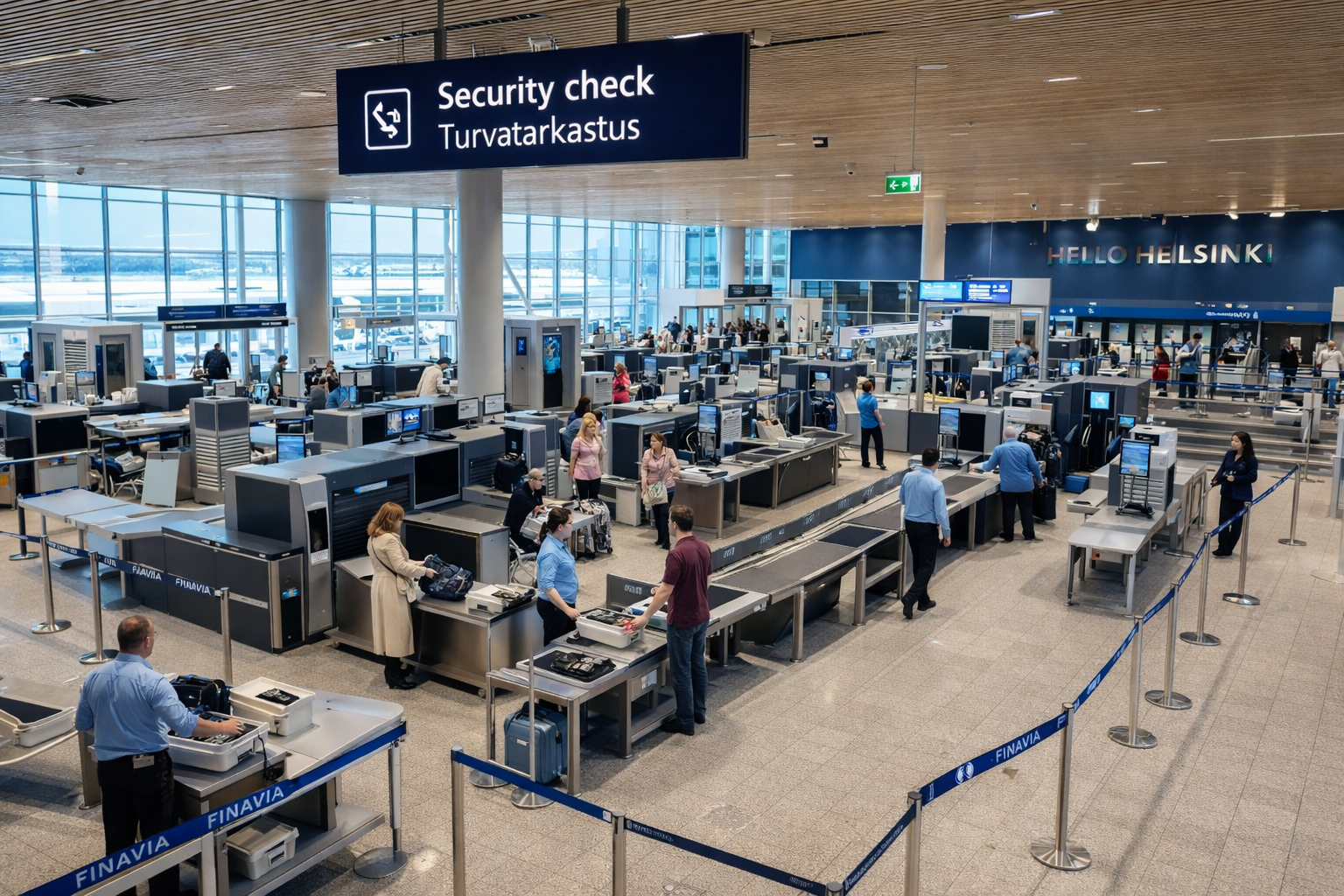
In 2024, Finland’s airports handled approximately 19.6 million passengers — a 7% increase compared to 2023, reflecting continued recovery in air travel. Of those, about 16.3 million passengers passed through Helsinki Airport alone.
In 2025, national passenger traffic rose further to around 20.4 million, with nearly 17 million travelers using Helsinki Airport. Approximately 89% of Helsinki’s traffic is international, underlining its role as Finland’s primary global gateway.
Managing this volume of international passengers requires more than friendly service. It requires structure.
The Foundation: Finavia’s Infrastructure Design
At the center of Finland’s aviation ecosystem is Finavia, the state-owned company operating Helsinki Airport and 19 regional airports.
Finavia’s operational philosophy focuses on flow management. Passenger movement is carefully designed through:
- Logical terminal layout
- Short walking distances
- Clear multilingual signage
- Automated security lanes
- Integrated digital information systems
The objective is not visual drama or architectural excess. It is friction reduction.
When nearly 20 million passengers move through a system annually, even small inefficiencies multiply quickly. Finland’s strength lies in eliminating those inefficiencies before they become visible problems.
Here, efficiency is not separate from service — it is the service.
Airline Responsibility and Reliability
The airline dimension, led primarily by Finnair, reinforces this operational culture.
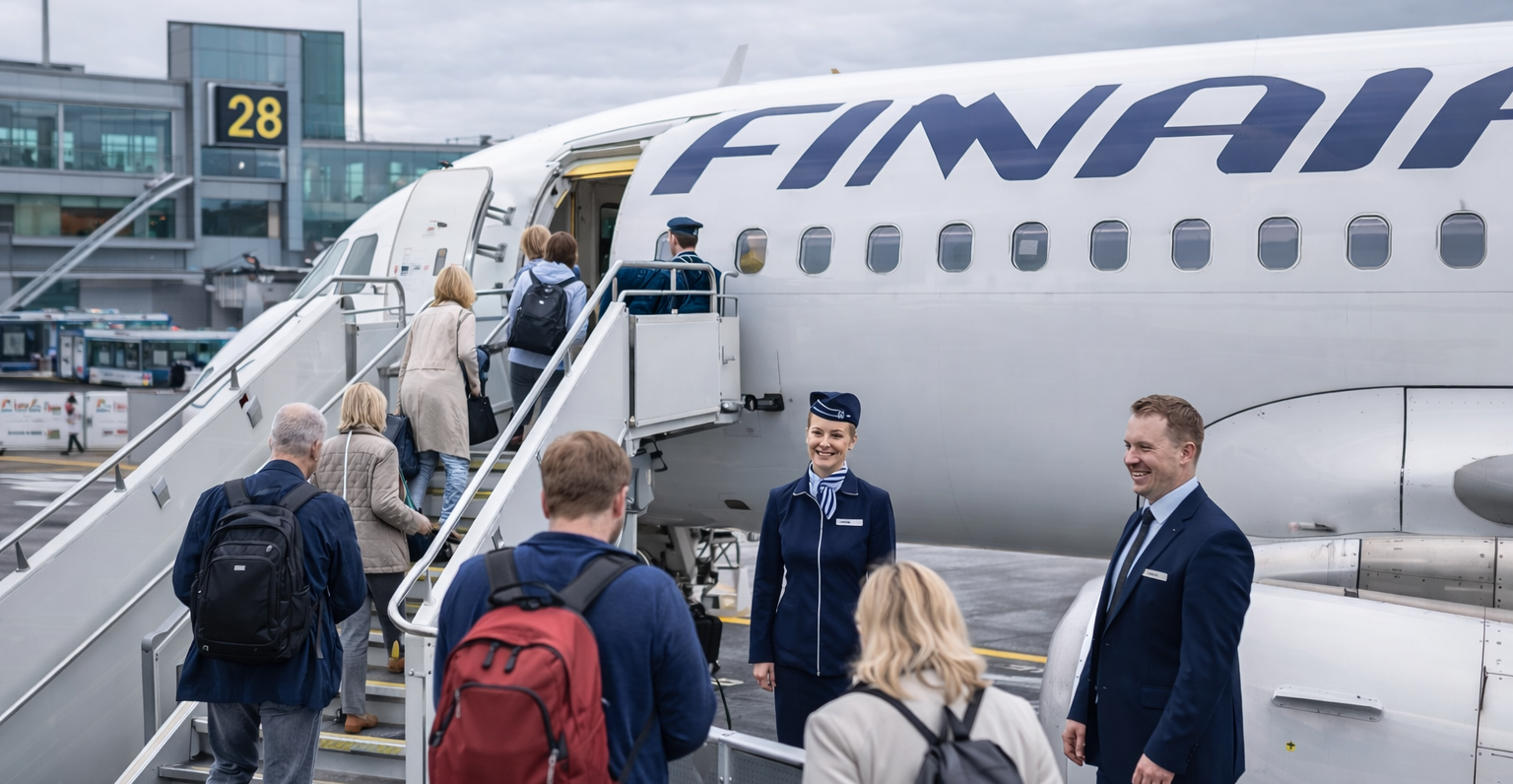
Despite geopolitical challenges that reshaped long-haul routes after 2022, Finnish aviation has maintained a strong emphasis on punctuality, structured communication, and procedural consistency.
When disruptions occur, communication remains measured and transparent. Passengers receive:Clear explanations
- Updated timelines
- Structured rebooking processes
Uncertainty creates stress. Clarity reduces it.
This commitment to realistic communication builds trust — especially in an industry where unpredictability is common.
Ground Operations: Precision Behind the Scenes
Passenger perception often depends on what happens at check-in counters and boarding gates.
Companies such as Swissport and Aviator Airport Alliance manage:
- Passenger check-in
- Boarding coordination
- Baggage operations
- Aircraft turnaround
Aircraft turnaround efficiency directly affects departure punctuality. At Helsinki Airport, where roughly 350 departures operate daily, coordination must be exact.
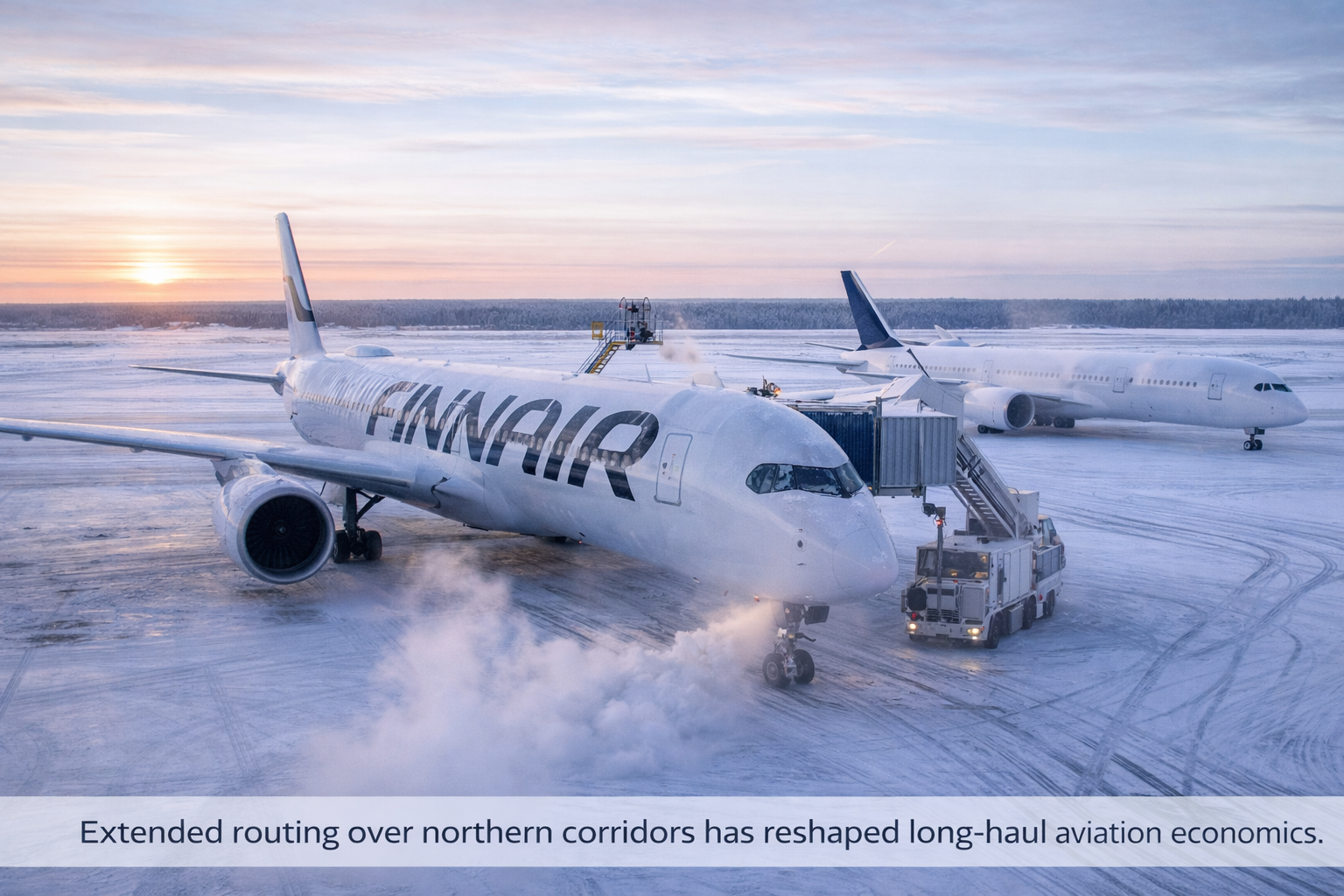
Ground efficiency prevents visible disorder in the terminal. Passengers may not see the complexity behind operations — but they experience the result.
Border Control and International Transit
With nearly nine out of ten passengers at Helsinki Airport traveling internationally, border control plays a central role in the overall experience.
The Finnish Border Guard operates passport control with a structured, technology-supported approach. Automated gates and orderly queue systems reduce waiting times while maintaining high security standards.
Order lowers stress.
In high-volume transit environments, predictability becomes a competitive advantage.
Traffic Shifts and Structural Adjustment
Although passenger numbers have grown steadily in 2024 and 2025, total traffic remains below the 2019 peak of 21.9 million passengers. One major factor has been reduced transfer traffic between Europe and Asia following the 2022 closure of Russian airspace.
Longer routing times have affected connection competitiveness, with transfer volumes remaining approximately 20–25% below pre-pandemic levels.
Despite this structural shift, Finland’s aviation system has adapted by strengthening European and North American connections and diversifying route networks.
Calm performance during structural transition demonstrates resilience.
Technology as Embedded Service
Finland’s high level of digital literacy supports aviation service innovation.
Passengers benefit from:
- Online and mobile check-in
- Self-service baggage drop
- Real-time flight notifications
- Automated passport processing
Technology reduces dependence on manual processes. This lowers congestion and allows staff to focus on more complex passenger needs.
Service becomes system-driven rather than personality-driven.
Design and Psychological Calm
Helsinki Airport reflects Scandinavian design principles: natural light, clean architectural lines, minimal visual clutter, and organized seating areas.
Environment influences behavior. Reduced sensory overload supports calmer passenger movement, even during busy periods.
When nearly 17 million passengers move through a single airport annually, psychological comfort becomes operational strategy.
Sustainability as a Modern Service Dimension
Passenger expectations increasingly include environmental responsibility.
Finland’s aviation sector has committed to long-term sustainability goals, including the development of sustainable aviation fuel and carbon reduction initiatives. Transparent communication about environmental impact strengthens credibility among environmentally conscious travelers.
Today, responsible operations are part of service quality.
What Makes the Finnish Model Distinct
The Finnish aviation customer service model stands out because it prioritizes system integrity over performance theatrics.
Its key strengths include:
- Scalable operational efficiency
- Transparent communication
- Cultural discipline and punctuality
- Digital integration
- Structured ground coordination
- Environmental responsibility
Together, these elements create stability.
In an industry defined by volatility, stability is memorable.
Conclusion
Finnish aviation is known for quiet yet effective customer service because it treats service as a coordinated system rather than a performance.
With more than 20 million passengers moving through Finland’s airports in 2025, maintaining order requires discipline, technology, and transparency.
The calm experience passengers notice is not accidental.
It is engineered.
In global aviation, noise often attracts attention.
In Finland, excellence speaks quietly — through precision.