what is "CRO (Conversion Rate Optimization) principles" in website development ?


CRO (Conversion Rate Optimization) principles in website development refer to the strategies and best practices used to increase the percentage of website visitors who take a desired action. Instead of focusing only on attracting more traffic, CRO focuses on making better use of the traffic you already have.
In simple terms, CRO answers one key question:
“Why do visitors come to the website but leave without taking action, and how can we fix that?”
In website development, CRO principles guide how a site is designed, structured, written, and optimized so users are naturally encouraged to convert.
Understanding Conversion in Websites
A “conversion” depends on the website’s goal. It could be:
- Filling out a contact form
- Booking an appointment
- Making a purchase
- Signing up for a newsletter
- Downloading an app or document
- Calling or messaging the business
CRO is about reducing friction and increasing clarity, so users find it easy and convincing to complete these actions.
Why CRO Matters in Website Development
Many websites look visually appealing but fail to generate leads or sales. This usually happens because:
- Users don’t understand what the business offers
- The call-to-action is unclear or hidden
- Pages load too slowly
- Forms are too long or confusing
- The site doesn’t build trust
CRO principles help developers and designers build websites that are goal-focused, user-friendly, and performance-driven, not just attractive.
Core CRO Principles in Website Development
Clear Value Proposition
Visitors should understand what the website offers within a few seconds. Headlines, subheadings, and visuals should clearly explain the benefit, not just the features. A strong value proposition answers: “What’s in it for me?”
Strong and Visible Call-to-Action (CTA)
CTAs guide users on what to do next. Examples include “Book Now,” “Get a Free Quote,” or “Sign Up Today.” CRO principles ensure CTAs are:
- Easy to find
- Clearly worded
- Visually distinct
- Placed at the right points in the user journey
User-Centered Design
CRO-driven websites are built around user behavior, not assumptions. This includes:
- Simple navigation
- Logical page structure
- Clear content hierarchy
- Mobile-friendly layouts
When users don’t have to think too much, conversions increase.
Page Speed and Performance
Slow websites lose visitors. CRO emphasizes fast-loading pages because even a one-second delay can reduce conversions significantly. Optimized images, clean code, and efficient hosting are essential parts of CRO-focused development.
Trust and Credibility
Users convert when they feel safe and confident. CRO principles encourage adding trust elements such as:
- Testimonials and reviews
- Client logos
- Certifications and awards
- Clear contact information
- Privacy policies and security indicators
These signals reduce hesitation and build confidence.
Simplified Forms and Processes
Long forms and complicated checkout processes are major conversion killers. CRO focuses on:
- Reducing the number of form fields
- Using clear labels and instructions
- Breaking long processes into steps
- Offering guest checkout or quick contact options
The easier the process, the higher the conversion rate.
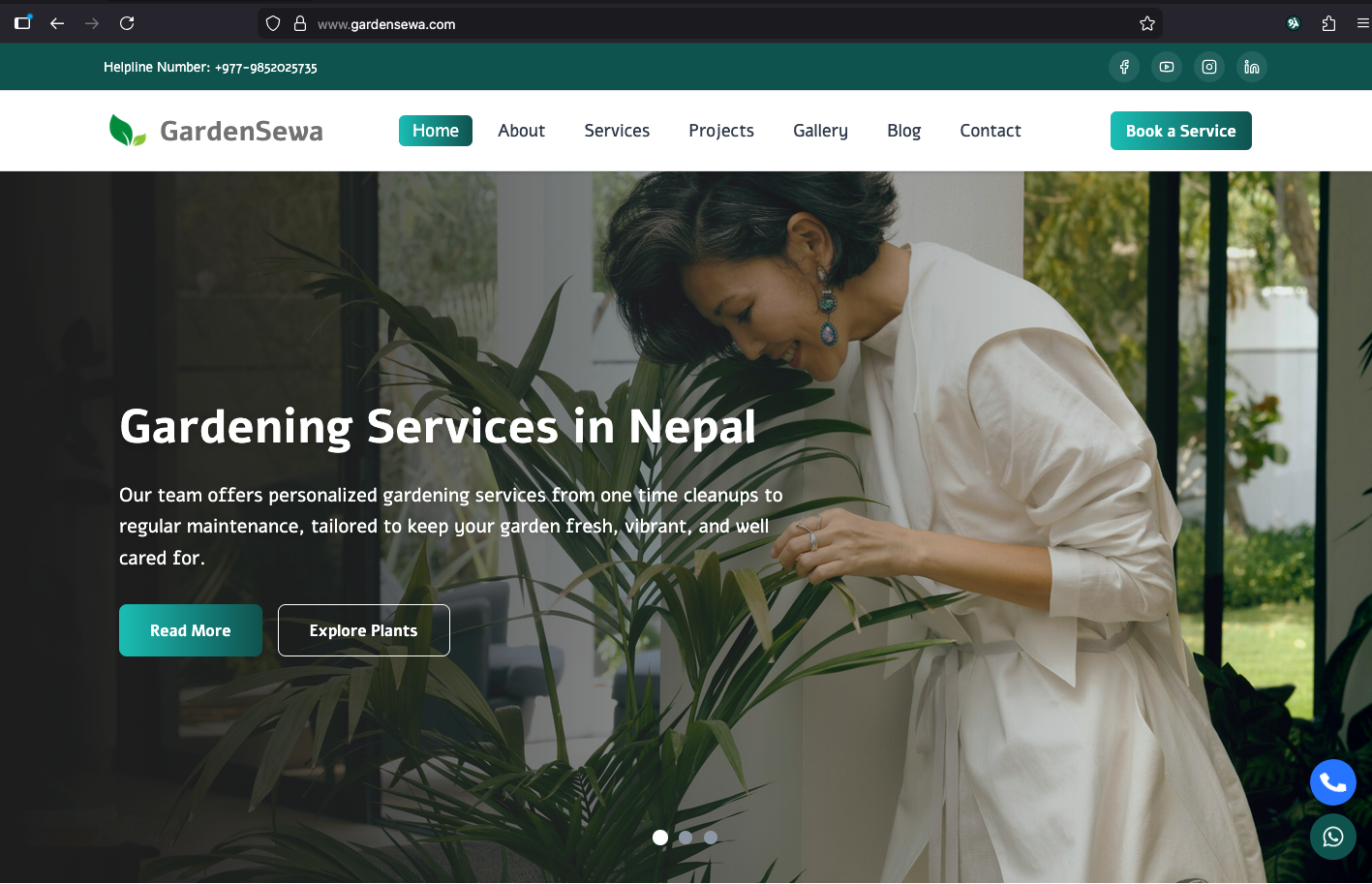
Content That Supports Conversion
Content is not just for SEO; it plays a major role in CRO. CRO-based content:
- Addresses user pain points
- Uses simple, clear language
- Highlights benefits over features
- Answers common objections
Good content reassures users and nudges them toward action.
Data-Driven Decision Making
CRO is not based on guesswork. In website development, this means using:
- Analytics to track user behavior
- Heatmaps to see where users click or scroll
- A/B testing to compare different designs or messages
Developers and marketers use this data to continuously improve the website’s performance.
Mobile Optimization
With most users browsing on mobile devices, CRO principles demand a mobile-first approach. Buttons must be easy to tap, text easy to read, and forms simple to complete on smaller screens.
CRO Is an Ongoing Process
CRO is not a one-time task. User behavior changes, markets evolve, and business goals grow. A CRO-focused website is regularly tested, analyzed, and improved to maintain high performance over time.
Conclusion
CRO (Conversion Rate Optimization) principles in website development focus on turning visitors into customers, leads, or users through better design, clearer messaging, and smoother user experiences. Instead of just building a website that looks good, CRO ensures the website works effectively for both users and business goals. When applied correctly, CRO leads to higher engagement, better ROI, and long-term digital success.