Tourism in Far-Western Nepal
Far-Western Nepal has hundreds of spiritually significant sites offering a profound experience to every visitor. Surma Sarovar in Bajhang—a hidden green lake above 4,000 meters—has linked legends, deities, and annual fairs enhancing its touristic importance.

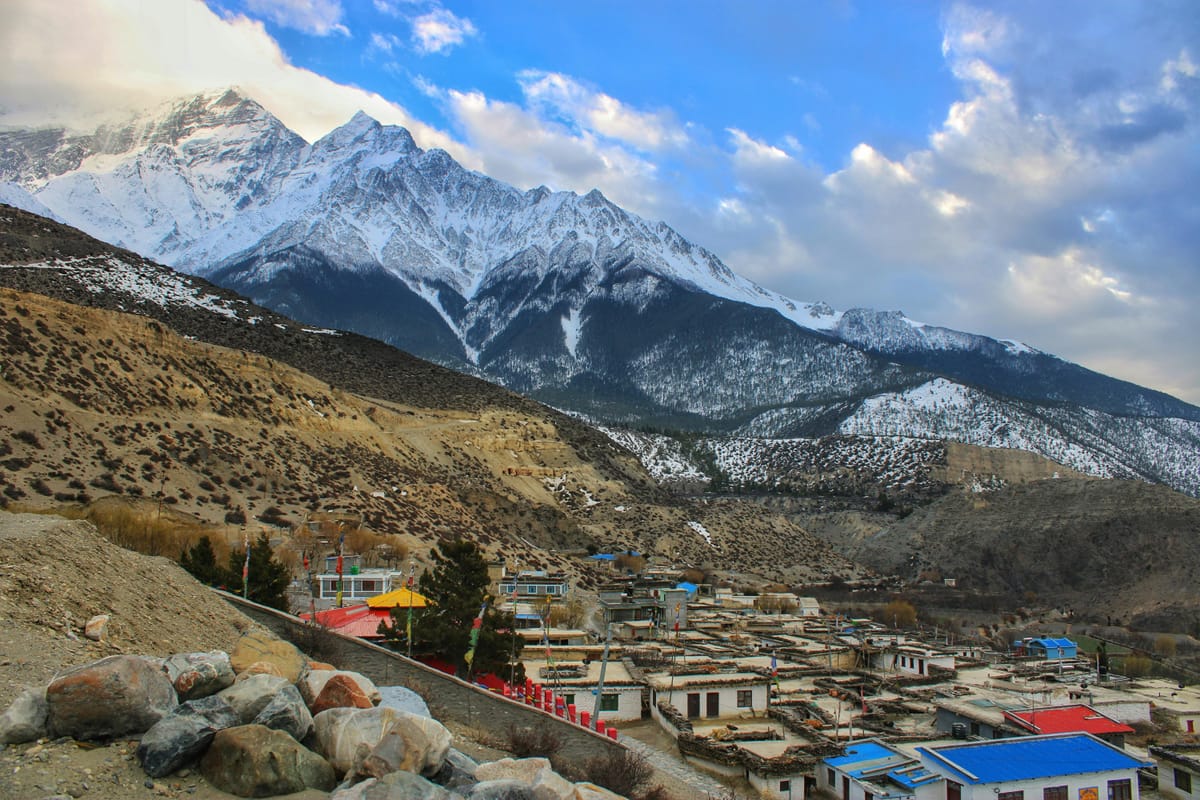
Nepal’s Far-Western region—comprising districts like Doti, Dadeldhura, Achham, Bajhang, Bajura, Baitadi, Darchula, Kailali, and Kanchanpur—is one of the country’s least explored yet highly promising tourism destinations. Its natural landscapes, linguistic diversity, traditions, cultures, religious beliefs, and unique lifestyles are captivating. Although the region has lagged in tourism development, this presents a fresh opportunity. Its biodiversity, traditional culture, historical sites, and trekking destinations position it as a potential major tourism hub of Nepal’s future.
In Far-Western Nepal, climate, geography, and culture change rapidly. From the Terai plains at a few hundred meters above sea level to Himalayan peaks over 7,000 meters, this region is a tourist map in itself. Visitors can experience the freshness of Taplejung, the greenery of Pokhara, the serenity of Mustang, and the spirituality of Lumbini—all in one day. Whether one seeks natural beauty, spiritual exploration, historical insight, or adventure, Far-Western Nepal has something for everyone.
The local people are simple, warm, and deeply hospitable. Their culture—including Deuda songs, Saili dances, Gaura festivals, and other religious traditions—offers tourists a blend of entertainment and learning. Linguistic diversity is another asset, with Doteli, Baitadeli, Tharu, Nepali, and Bhotiya languages widely spoken.
Key Destinations: Khaptad, Shuklaphanta, Api-Saipal, and Shaileshwari
Khaptad National Park – Spanning Doti, Bajura, Achham, and Baitadi, Khaptad is a highland biological park above 3,000 meters. Its greenery, flower-carpeted meadows, rare wildlife, medicinal plants, and spiritual sites like Khaptad Baba Ashram make it exceptional. Key attractions include Sahasralinga, Nagdhuni, Triveni, and the region’s hidden biodiversity. The ideal visiting season is from March to October, perfect for trekking.
Shuklaphanta National Park – Located in Kanchanpur, it is Nepal’s only protected sub-tropical grassland area. Home to the Barasingha (swamp deer), tigers, elephants, chital deer, rhinos, and rare bird species, this park covers 428 km². Nearby Tharu communities, their cultural programs, traditional cuisine, and homestays offer tourists a unique lifestyle experience.
Api-Saipal Himalayan Range – Stretching across the borders of Darchula, Bajhang, and Baitadi, this Himalayan area features the peaks Api (7,132 m) and Saipal (7,031 m). Though less climbed, these peaks are incredibly attractive to adventurers, mountaineers, and trekkers. The area is notable for Bhotiya culture, Himalayan village life, and pristine, pollution-free environments.
Shaileshwari Temple – A major religious site in Dadeldhura, it is the sacred abode of the goddess Shaileshwari Mata. With ancient architecture, the temple attracts thousands of devotees annually, especially during Dashain, Gahunto, and Maghi festivals. Surrounding views, Dadeldhura bazaar, and traditional culture enhance its tourism appeal.
Religious, Cultural, and Historical Sites
Far-Western Nepal has hundreds of spiritually significant sites offering a profound experience to every visitor. Surma Sarovar in Bajhang—a hidden green lake above 4,000 meters—has linked legends, deities, and annual fairs enhancing its touristic importance. Other notable religious sites include Briddhakali Temple in Bajhang, Durga Devi Temple in Darchula, Kunilek Dham in Achham, and Deval Temple in Baitadi.
Culturally, Deuda dance, Gaura festival, Holi, Maghi, Sanji celebrations, and local marriage traditions provide tourists with fresh experiences. Village fairs, local processions, Panchai Baja (traditional instruments), indigenous cuisine (like mustard greens, millet bread, and meat), and rural lifestyle are major attractions. Tharu cultural preservation in Kailali and Kanchanpur remains authentic with traditional homes, attire, food, and living practices intact.
Historically, places like Mastho Temple in Doti, Pandav Cave in Achham, Ranshila Fort in Bajhang, Ugratara Temple in Dadeldhura, and Gauriganga area in Kailali hold archaeological and cultural significance. These sites offer opportunities for educational tours, research, and photography.
 Amir Aryal
Future Potential and Tourism Promotion
Currently, Far-Western Nepal remains an under-promoted region, which helps preserve its authenticity, natural purity, and cultural heritage. To enhance tourism, the government can adopt strategies like infrastructure development (roads, bridges, hotels, guides), local workforce training, digital promotion, homestay management, and private sector participation. This can establish Far-Western Nepal as a model of sustainable tourism, where visitors enjoy themselves while energizing the local economy.
Tourism can be boosted through eco-trails, cultural trails, religious circuits, and photo-trekking routes. A 7–10 day “Far-Western Circuit Tour” covering Khaptad, Shuklaphanta, Api-Saipal, and Dadeldhura could attract domestic and international tourists. Community homestays can serve as bridges connecting tradition, culture, and economic opportunity. Social media and digital marketing can showcase the region’s scenic landscapes, videos, and stories, further promoting tourism.
Conclusion
Far-Western Nepal is ready to enter a new era of tourism, offering authenticity, biodiversity, adventure, and cultural richness in one package. For anyone who truly wants to explore Nepal, a trip to this region should be on the list. Its cleanliness, natural beauty, and simplicity will leave a lasting impression on your heart.