The Human Factor in Aviation Security: Why Training Matters More Than Technology
AI-powered scanners can identify suspicious shapes or density changes. Biometric systems can flag identity inconsistencies. Surveillance cameras can detect irregular movement patterns.

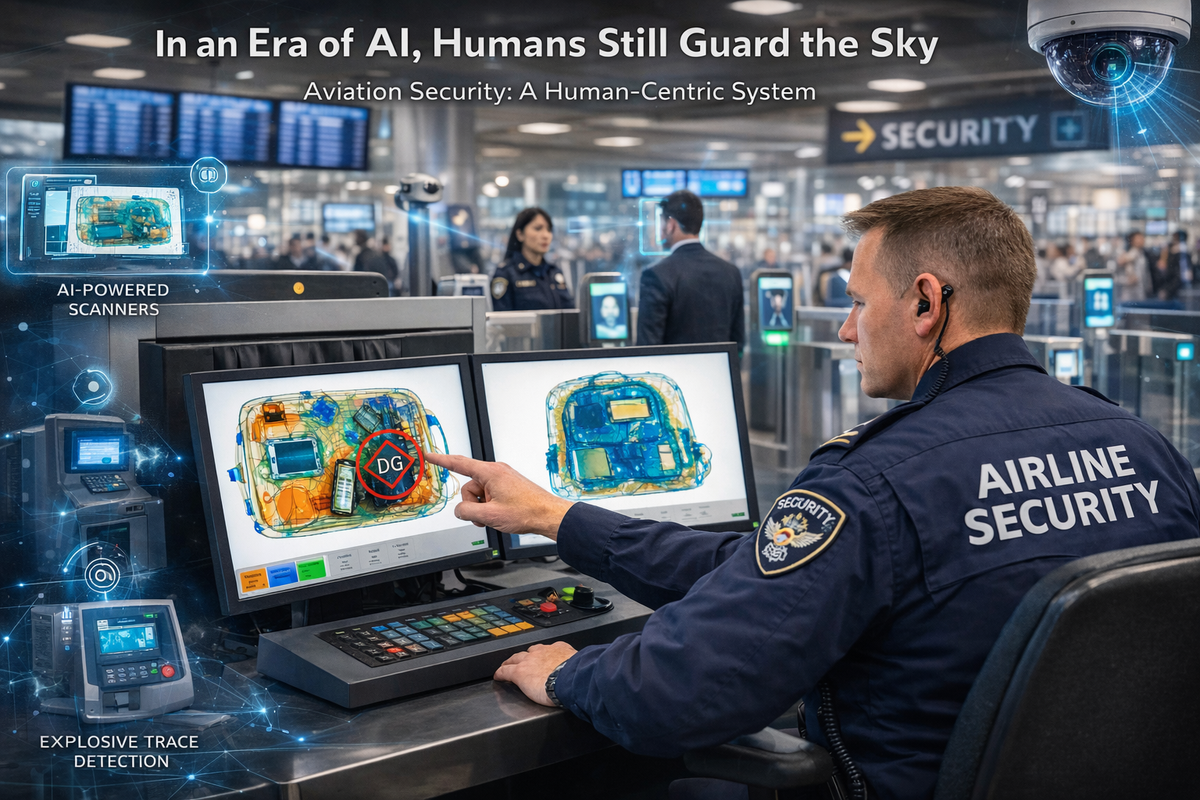
Aviation security today is often defined by technology. AI-powered scanners, biometric e-gates, explosive detection systems, facial recognition cameras, and automated access control networks dominate discussions about airport safety. Airports around the world have invested billions of dollars in advanced screening systems designed to protect passengers and aircraft from unlawful interference.
Yet despite these technological advancements, aviation security remains fundamentally dependent on the human professionals who operate, interpret, and validate these systems.
According to the International Air Transport Association (IATA), global air travel exceeded 4.5 billion passenger journeys annually before the pandemic and is steadily recovering toward that level. Each of those journeys passes through layered security systems intended to detect and prevent threats.
However, machines do not make final judgments.
Humans do.
Technology enhances capability.
Training ensures reliability.
People maintain security.
In aviation, the human factor is not secondary — it is paramount.
Aviation Security: A Human-Centric System
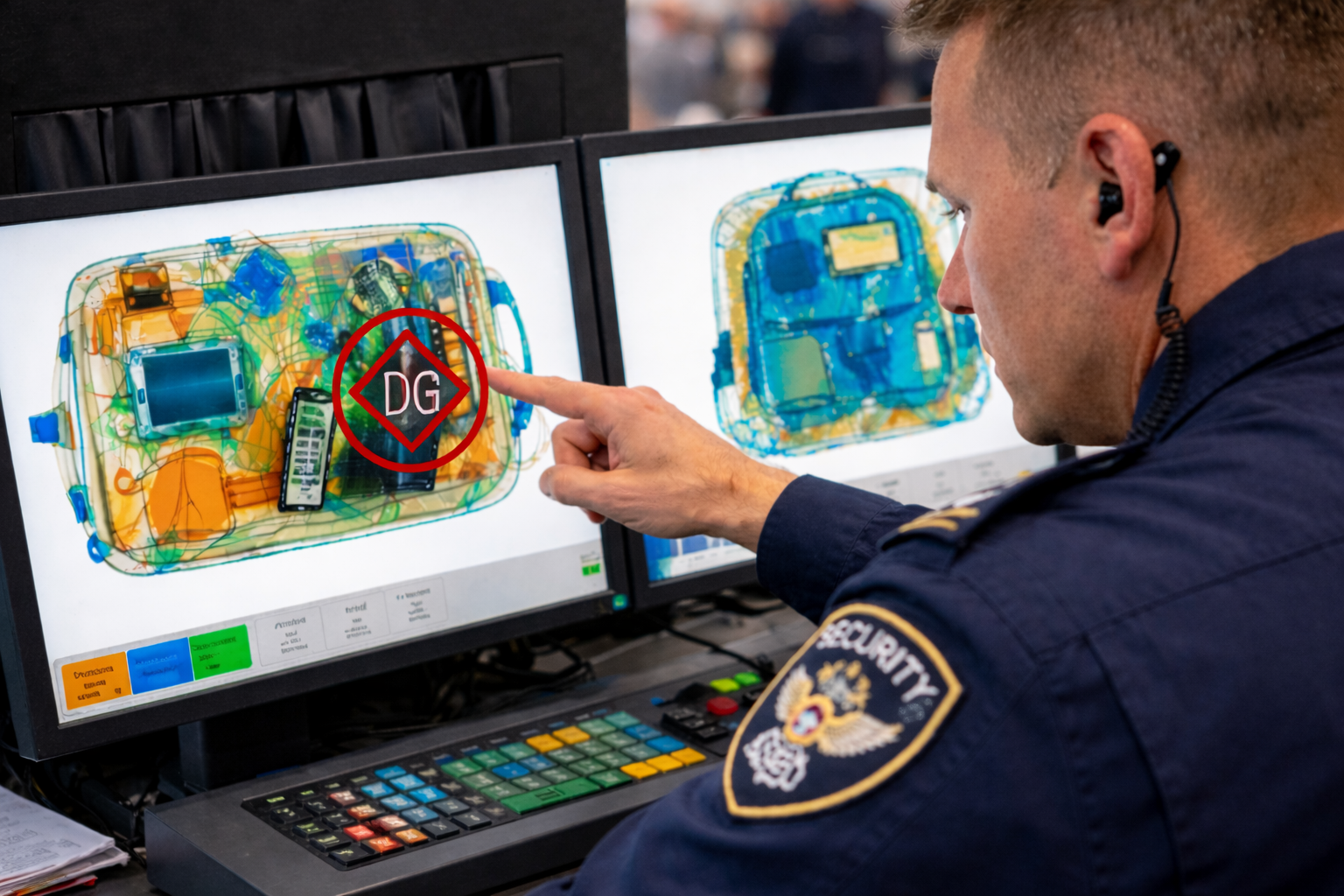
International aviation security requirements are established by the International Civil Aviation Organization (ICAO), particularly through Annex 17 of the Chicago Convention. These global standards emphasize:
- Competency-based training
- Recurrent evaluation
- Background verification
- Human performance management
The reason is clear.
Across aviation operations, research consistently shows that human factors contribute to approximately 60–80% of safety-related events when procedural compliance breaks down or performance declines. While these figures refer broadly to safety, the same vulnerabilities, fatigue, distraction, complacency, and communication failure directly affect aviation security.
Security systems may be technical.
Security execution is human.
The Principle of the Final Decision
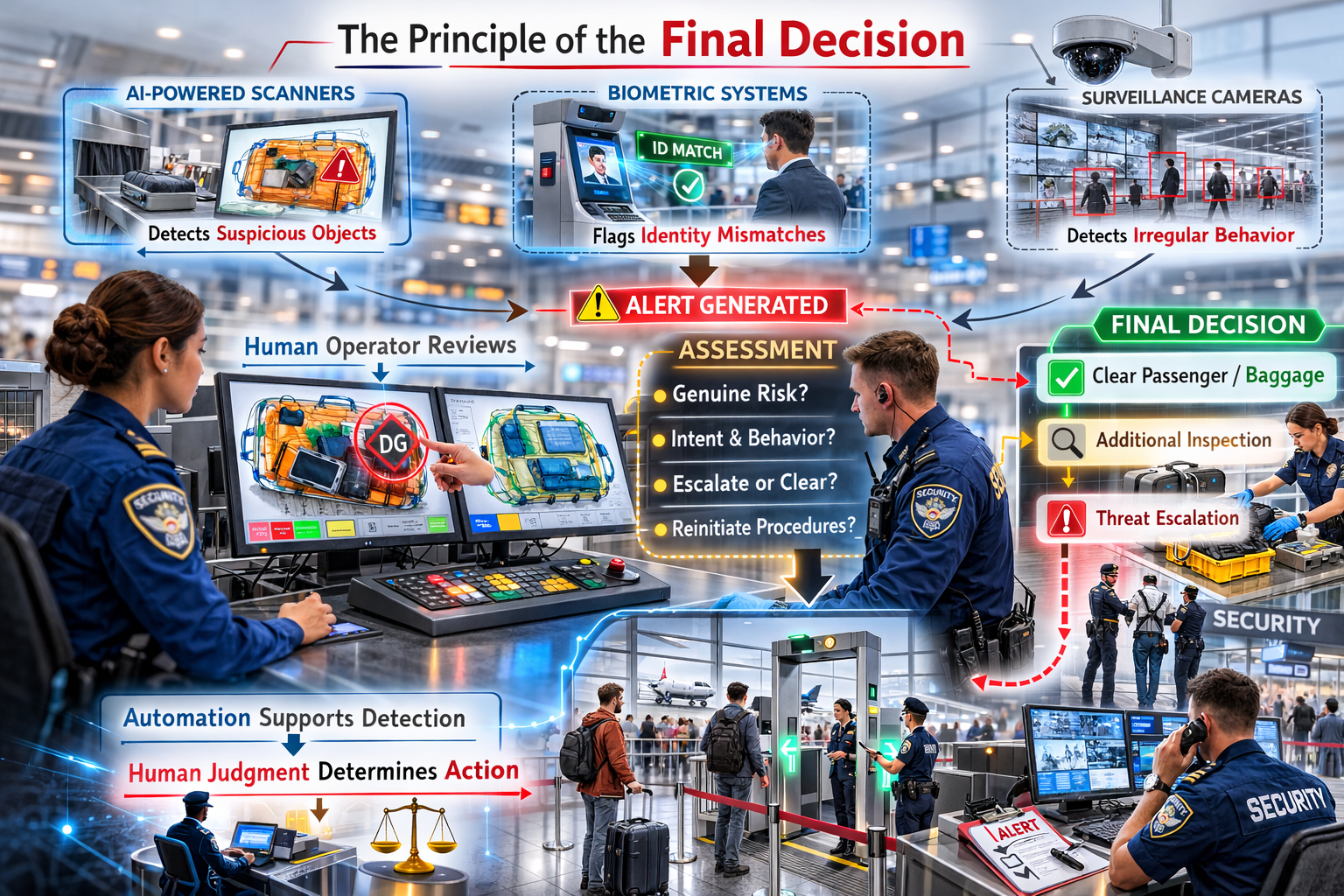
AI-powered scanners can identify suspicious shapes or density changes. Biometric systems can flag identity inconsistencies. Surveillance cameras can detect irregular movement patterns.
But none of these systems independently clear a passenger, authorize a crew member, or escalate a threat.
A trained officer does.
Every flagged bag, boarding discrepancy, or unusual observation must be assessed by a human operator who determines:
- Whether the object presents genuine risk
- Whether behavior indicates intent
- Whether escalation is necessary
- Whether procedures must be reinitiated
This is the defining principle of aviation security — the principle of the final decision.
Automation supports detection.
Human judgment determines action.
Without disciplined training, even the most advanced technology loses its effectiveness.
Technology Is Rigid -Threats Are Adaptive
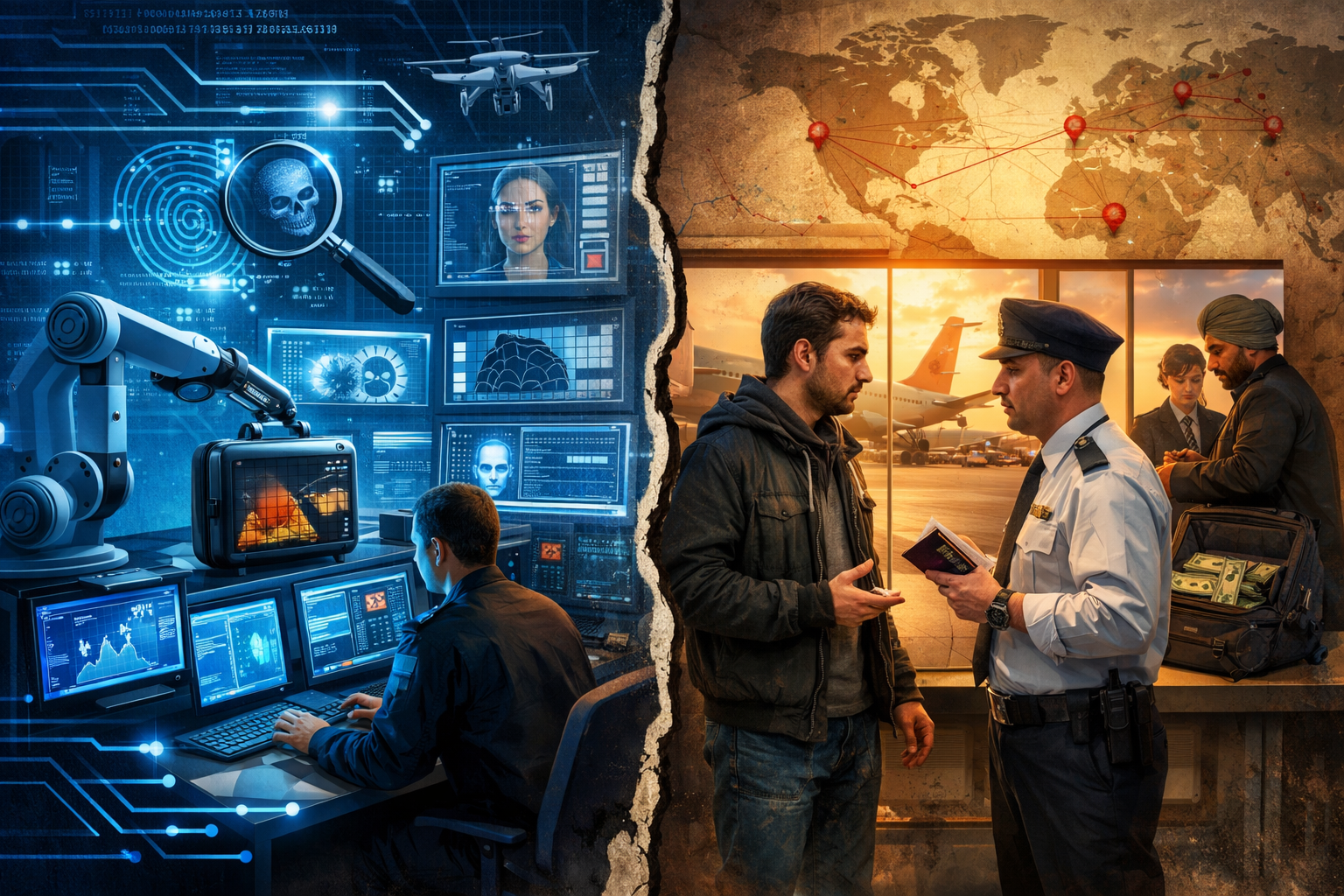
Security technology operates within programmed parameters. Threat actors do not.
Concealment methods evolve. Smuggling techniques adapt. Geopolitical tensions alter risk exposure. Insider threats exploit procedural gaps.
Algorithms process data according to predefined patterns. Trained professionals, however, can think critically, identify abnormal behavior, and respond to unexpected situations.
Technology responds to programmed logic.
Human intelligence adapts to reality.
This adaptability is the foundation of resilient aviation security.
Human Factors and the “Dirty Dozen”
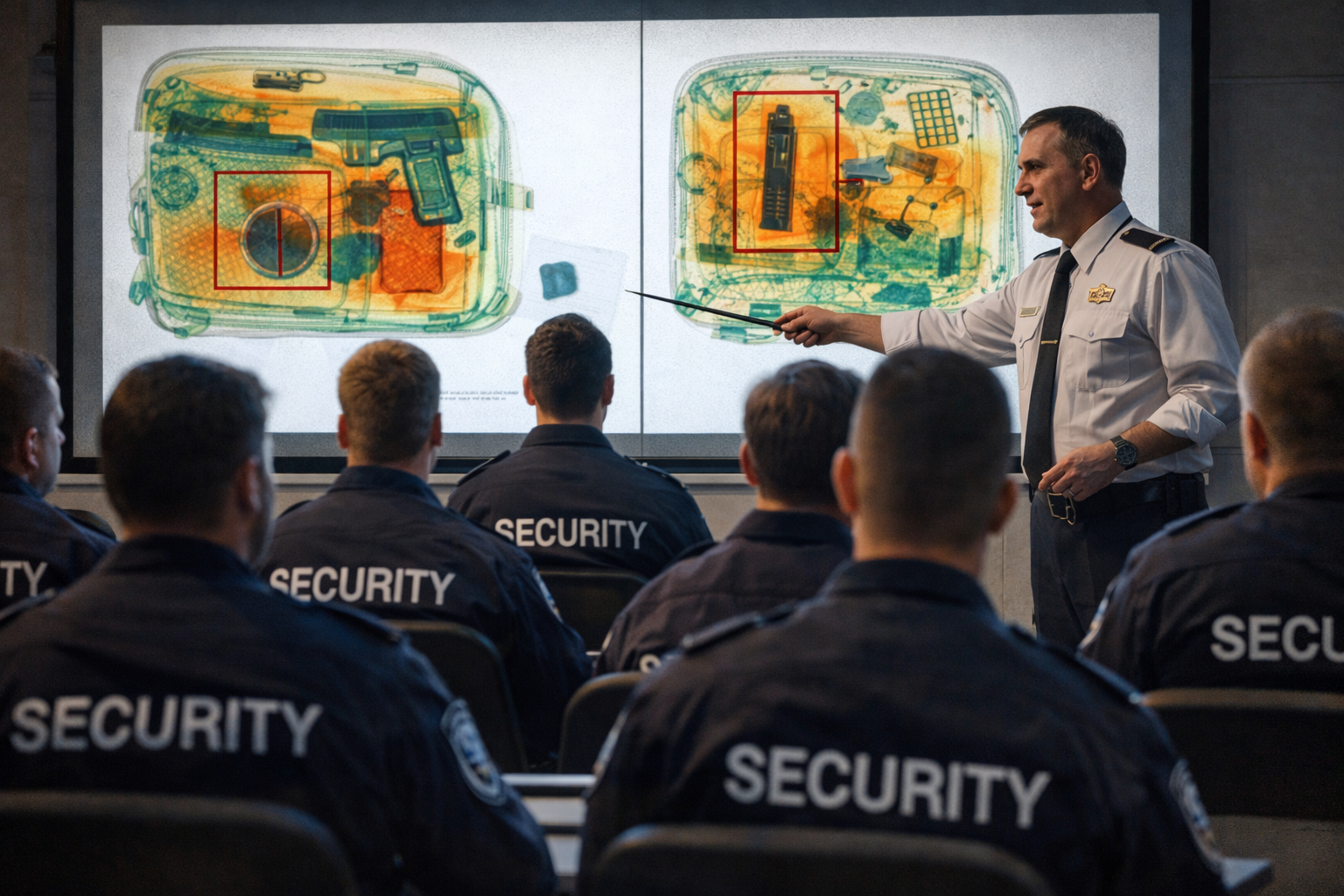
Human performance research in aviation identifies twelve common contributors to operational error, often called the “Dirty Dozen.” These include:
- Fatigue
- Complacency
- Lack of communication
- Distraction
- Pressure
- Lack of teamwork
- Norm deviation
- Lack of knowledge
Security officers frequently perform repetitive tasks under time pressure. During peak travel waves, thousands of passengers may pass through checkpoints within short timeframes.
Fatigue reduces vigilance.
Complacency weakens adherence to procedure.
Pressure encourages shortcuts.
Human factors training programs directly address these vulnerabilities by reinforcing discipline, communication, and cognitive awareness.
Recurrent Training and Performance Sustainability
Security competence is not permanent.
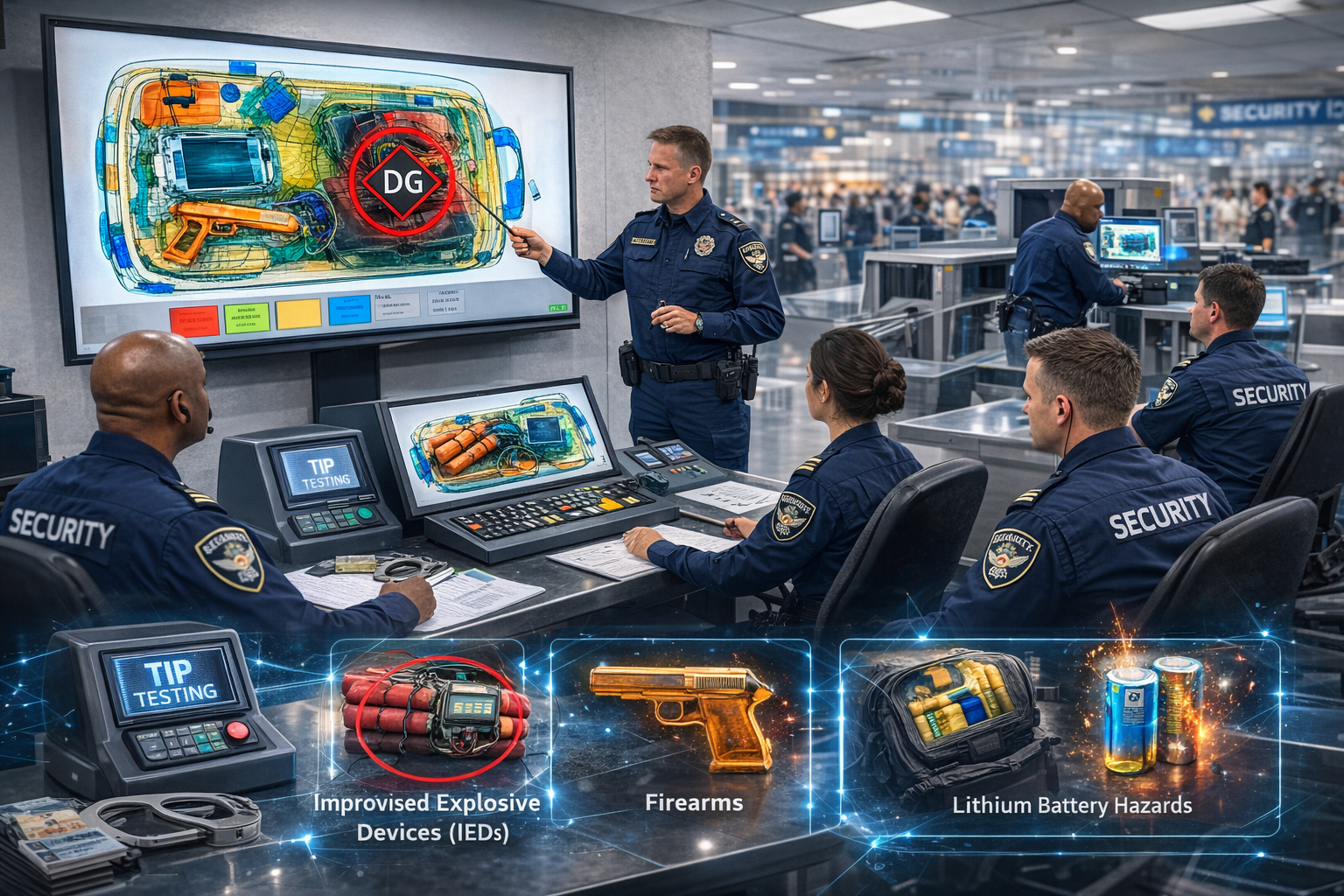
Studies on screening performance demonstrate that detection accuracy declines without recurrent training reinforcement. Threat Image Projection (TIP) systems which insert simulated prohibited items into X-ray images have been shown to significantly improve detection rates for:
- Improvised explosive devices (IEDs)
- Firearms
- Lithium battery hazards
The Federal Aviation Administration (FAA) and European aviation regulators increasingly emphasize fatigue risk management and competency-based training frameworks across all aviation sectors, including security.
The lesson is consistent:
Without practice, skill deteriorates.
Without reinforcement, vigilance fades.
Investment in people sustains security performance.
Operational Insight: Experience from the Field
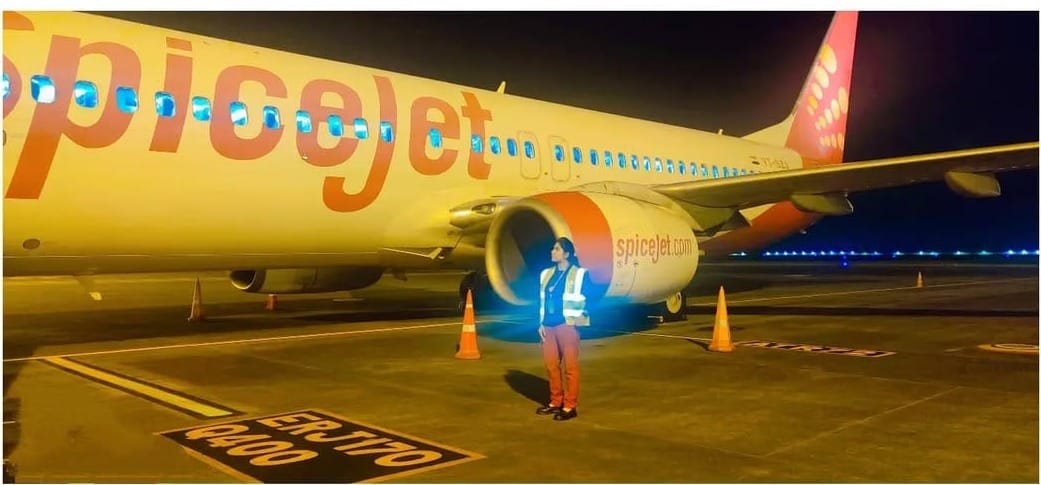
During my tenure in aviation security operations with SpiceJet, I observed firsthand how aviation security is implemented through disciplined human coordination rather than reliance on machines alone. My responsibilities covered the entire operational security cycle: enforcing SLPC (Security of Last Point of Contact) procedures, conducting aircraft surveillance prior to departure, overseeing baggage reconciliation, performing boarding pass reconciliation before and after flights, supervising aircraft loading checks, verifying captain and crew identities, maintaining FSL and security registers, conducting counter-surveillance across terminal and airside areas, and monitoring arrival baggage belts.
Each aircraft turnaround required precise documentation, constant vigilance, and seamless coordination between security teams, ground staff, and flight crew. Baggage reconciliation demanded that every loaded bag correspond to a boarded passenger; any discrepancy required immediate identification and removal. Aircraft surveillance required perimeter checks and cabin verification to ensure no unauthorized items or access breaches occurred. Maintaining registers ensured traceability and compliance with standard operating procedures.
These operational experiences reinforced a fundamental truth: technology assists in detection, but accountability and procedural enforcement depend entirely on trained professionals capable of making responsible, real-time decisions under operational pressure.
Counter-Surveillance and Behavioral Detection
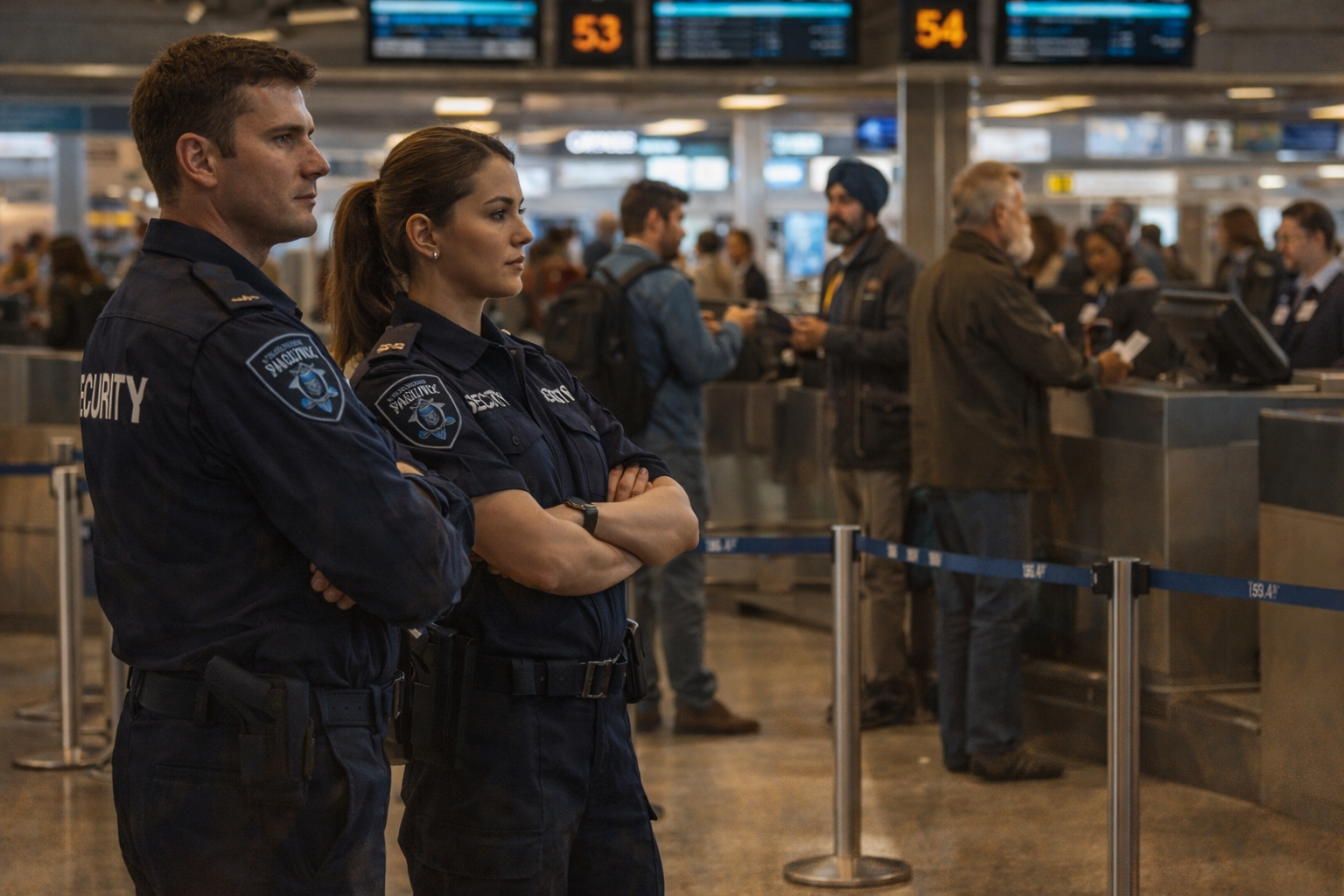
Behavioral analysis remains one of the most complex aspects of aviation security.
Security personnel observe:
- Unusual travel patterns
- Inconsistent responses
- Suspicious loitering
- Irregular access attempts
While AI systems can detect movement patterns, they cannot fully interpret intent.
Behavioral detection relies on contextual awareness, psychological insight, and professional experience. Human intuition, shaped by training and exposure, remains irreplaceable.
Insider Threats and Access Control
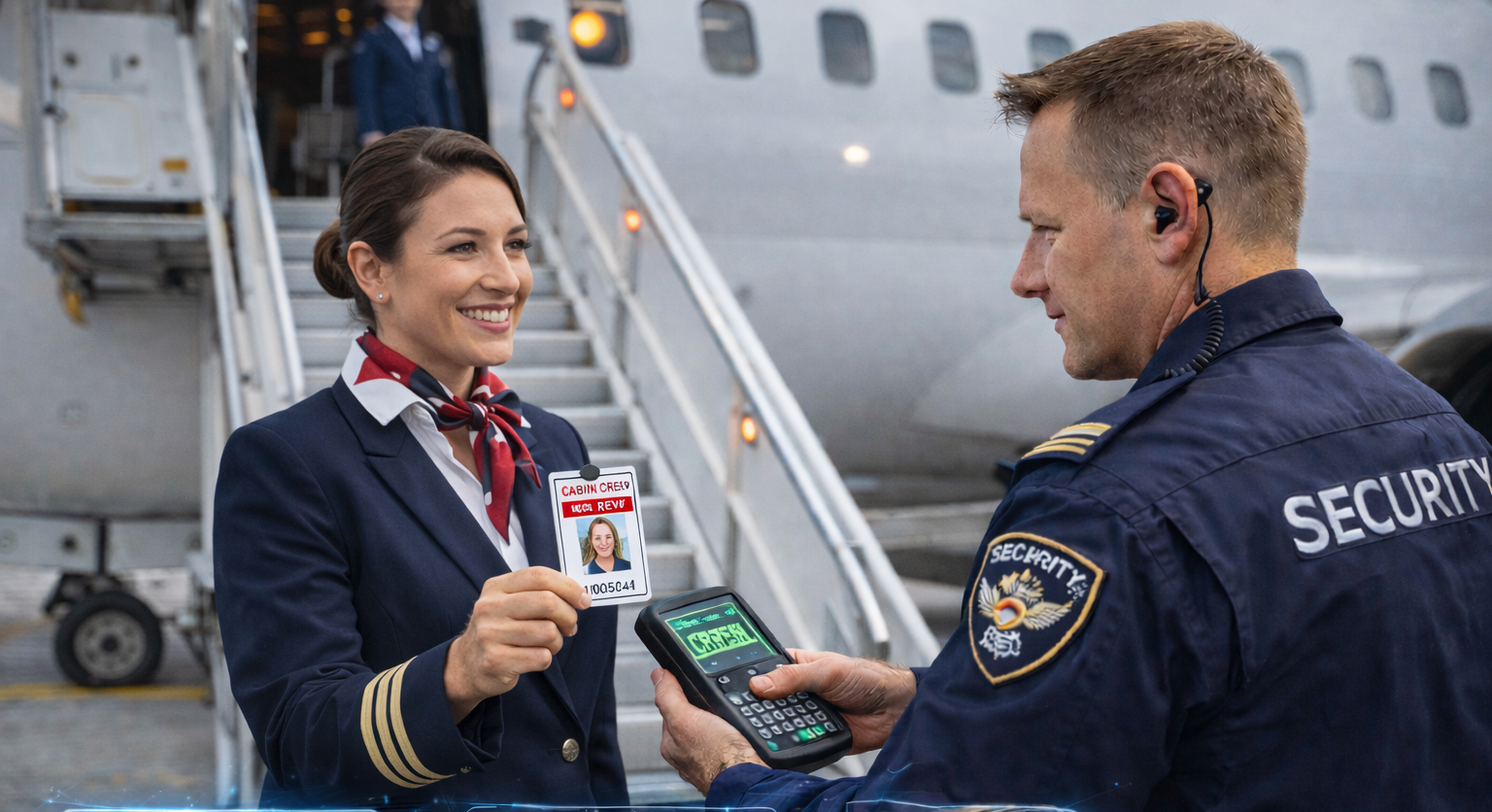
Aviation security is not limited to passengers.
Airports employ thousands of personnel with authorized access to restricted areas. Insider threats are recognized by ICAO as one of the most complex security risks.
Mitigation measures include:
- Continuous identity verification
- Background screening
- Access card control
- Random staff inspections
- Strict register maintenance
Documentation accuracy, including flight security logs and load verification records, ensures accountability.
Technology stores records.
Humans validate them.
Fatigue and High-Pressure Operations
Airports operate around the clock. Security personnel manage early departures, late-night arrivals, and tight turnaround schedules.
Scientific research on fatigue shows measurable cognitive impairment when rest cycles are inadequate — comparable to mild alcohol impairment.
Modern fatigue management programs include:
- Structured shift scheduling
- Rest period guidelines
- Stress management training
- Rotational task allocation
Because exhausted personnel are more vulnerable to oversight — regardless of technological support.
AI Requires Human Oversight
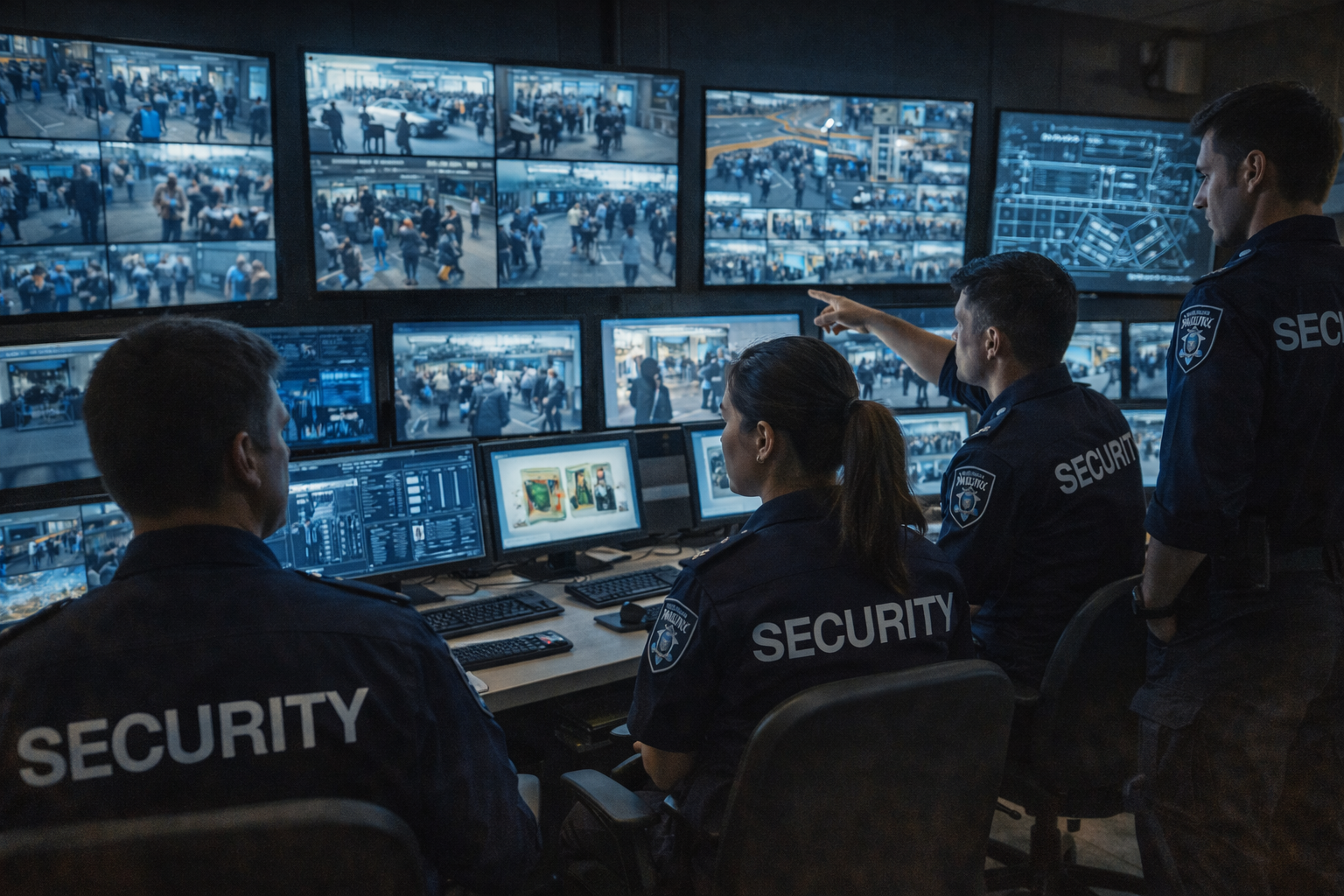
AI-powered screening systems improve detection probability and reduce manual workload. However:
- Algorithms require human validation
- False positives must be cleared by trained officers
- Machine learning systems require continuous refinement
Automation changes roles — it does not eliminate them.
In fact, advanced systems increase the demand for skilled operators capable of responsibly interpreting alerts.
Building a Security Culture
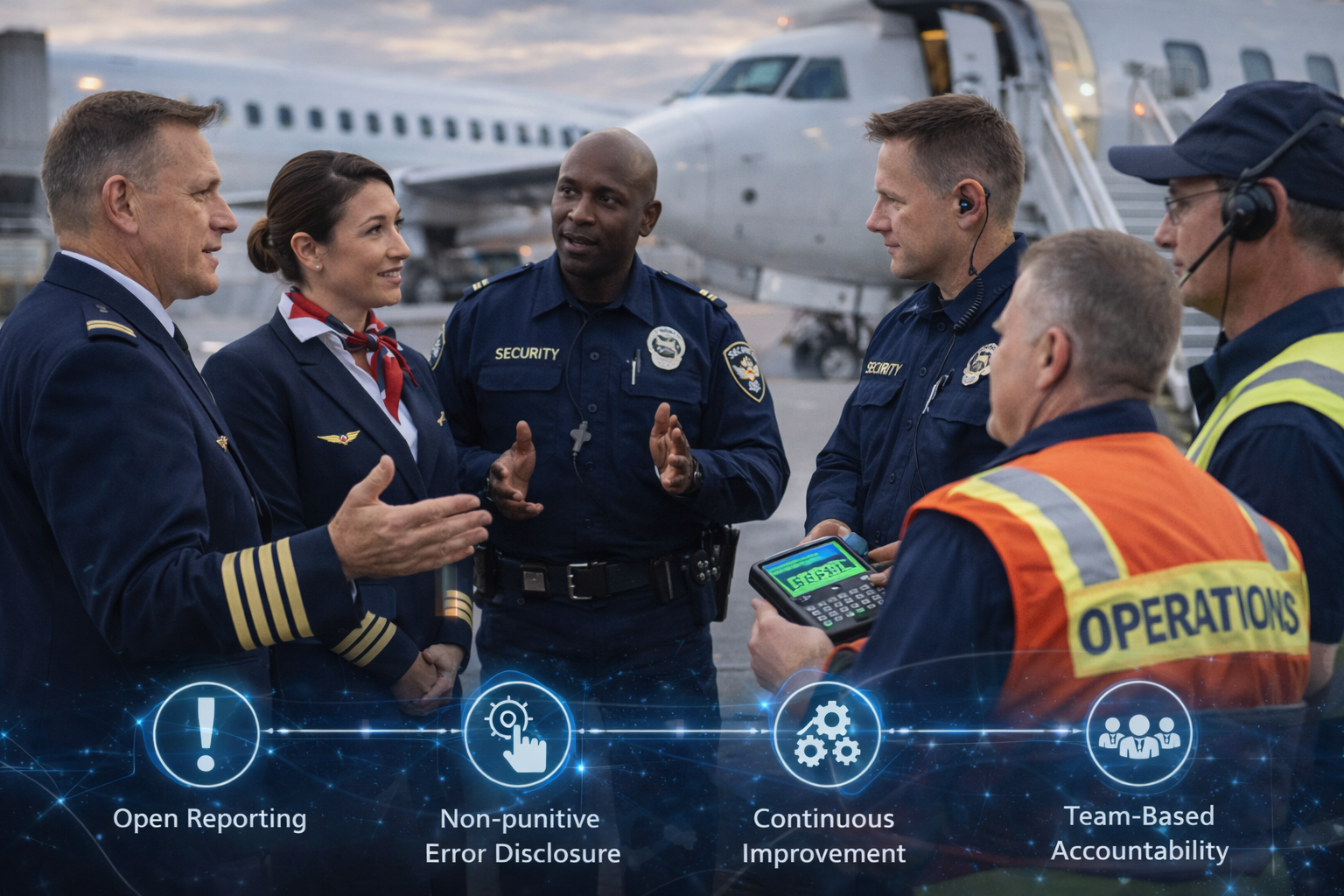
Security effectiveness extends beyond equipment and procedures — it depends on culture.
A strong aviation security culture promotes:
- Open reporting
- Non-punitive error disclosure
- Continuous improvement
- Team-based accountability
A blame culture hides vulnerabilities.
A learning culture strengthens resilience.
Coordination between security teams, ground operations, and flight crew creates a layered defense architecture.
Security is systemic — not individual.
Economic and Strategic Stakes
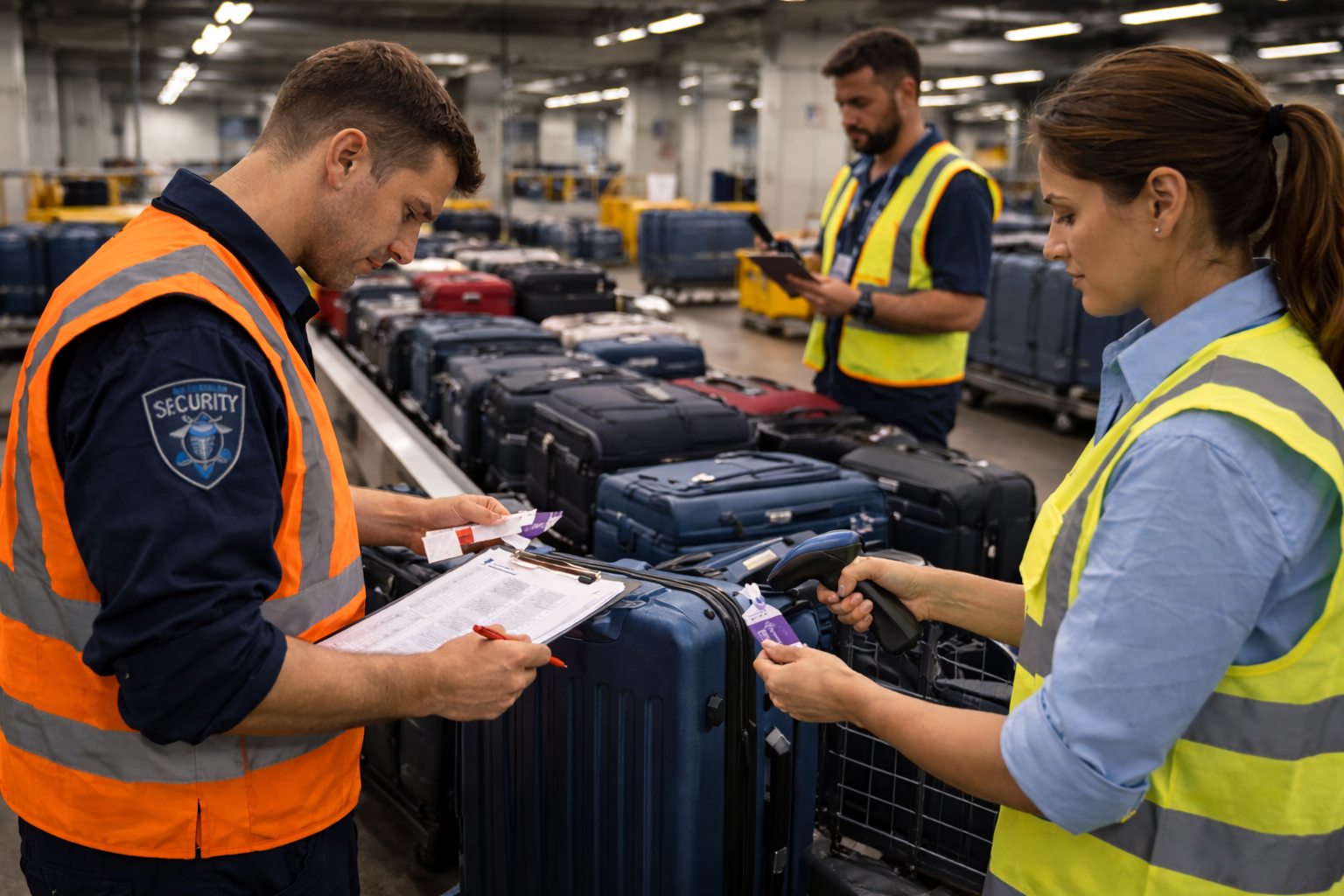
Aviation supports trillions of dollars in global economic activity. A security failure can lead to:
- Airspace shutdowns
- Regulatory intervention
- Severe financial losses
- Erosion of public confidence
The global air transport system is interconnected. One failure can have international consequences.
That is why ICAO mandates recurrent training and competency validation — because human reliability safeguards economic stability.
Why Training Must Lead to Investment
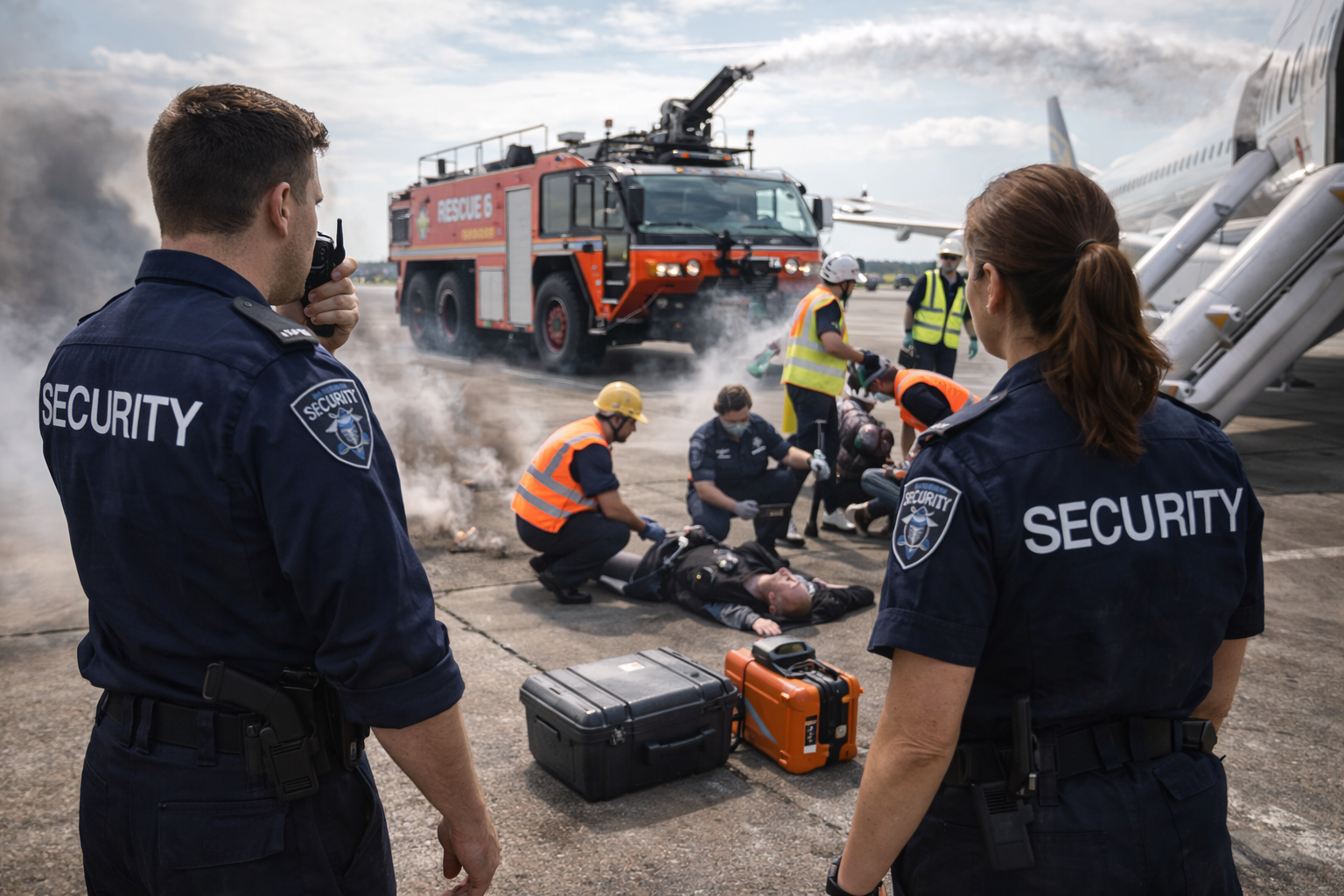
Airports worldwide continue investing heavily in hardware upgrades. However, security effectiveness depends equally and often more on human preparedness.
Effective aviation security requires:
- Skilled personnel
- Recurrent training
- Fatigue management
- Psychological awareness
- Procedural discipline
- Ethical accountability
Technology provides tools.
Training provides resilience.
People provide protection.
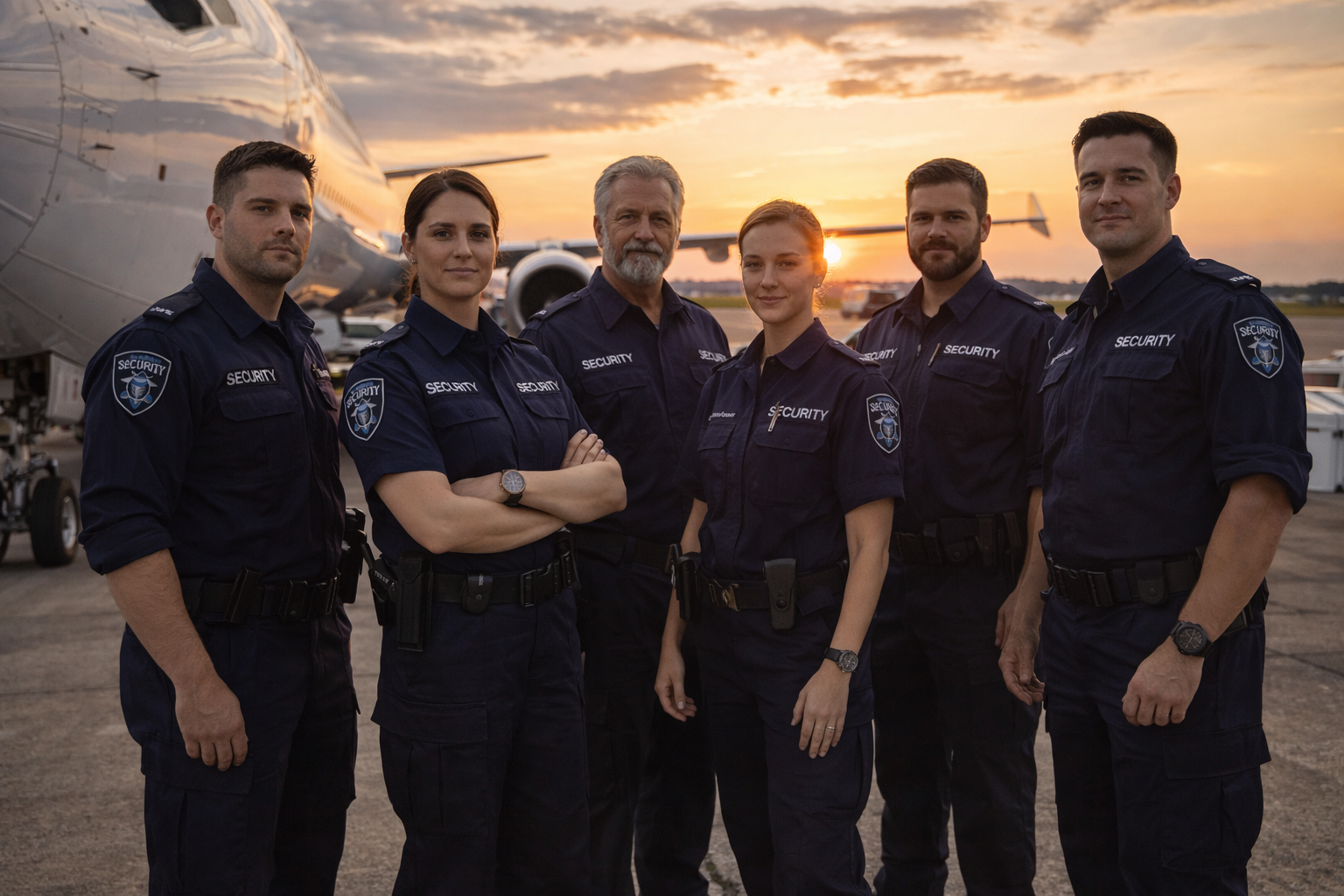
Conclusion: The Human Shield Behind Every Safe Departure
From SLPC enforcement and aircraft surveillance to baggage reconciliation and counter-surveillance, aviation security depends on disciplined human execution. My operational experience has confirmed what global regulatory frameworks consistently emphasize: security is not automated, it is executed. Advanced scanners, AI analytics, and biometric systems certainly enhance operational capability, but professionalism is what ensures integrity.
In an increasingly dynamic threat environment, sustained investment in people through continuous training, proper fatigue management, and a strong security culture remains far more critical than simply upgrading to the newest technology. Technology strengthens aviation security, but human beings protect it.