Smart Strategies for Debt Recovery
The event in Dhangadhi underscored the importance of regional engagement. Strengthening financial literacy and recovery expertise outside major metropolitan hubs ensures inclusive development and balanced institutional growth.

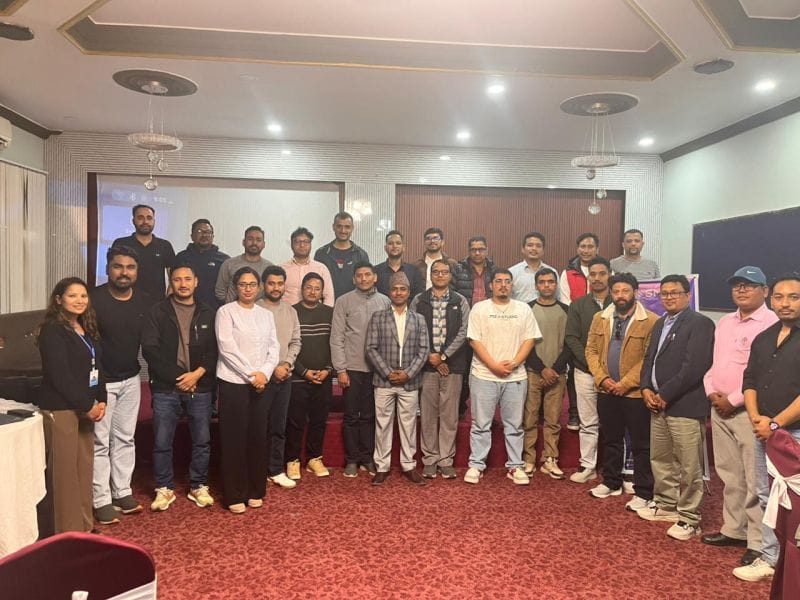
Today marked the successful conclusion of a highly impactful workshop on “Smart Strategies for Debt Recovery”held at Hotel Devotee in Dhangadhi. The session brought together banking and financial professionals for a deep, practical exploration of Non-Performing Loan (NPL) management, legal enforcement strategies, and effective negotiation techniques aimed at strengthening Nepal’s financial ecosystem.
In recent years, rising delinquent accounts and growing NPL portfolios have posed serious challenges for banks, financial institutions, cooperatives, and microfinance institutions across Nepal. Addressing these issues requires not only regulatory compliance but also strategic thinking, ethical governance, and field-level expertise.
The workshop was designed precisely with this objective: to equip participants with smart, actionable strategies to enhance debt recovery performance while maintaining regulatory integrity.
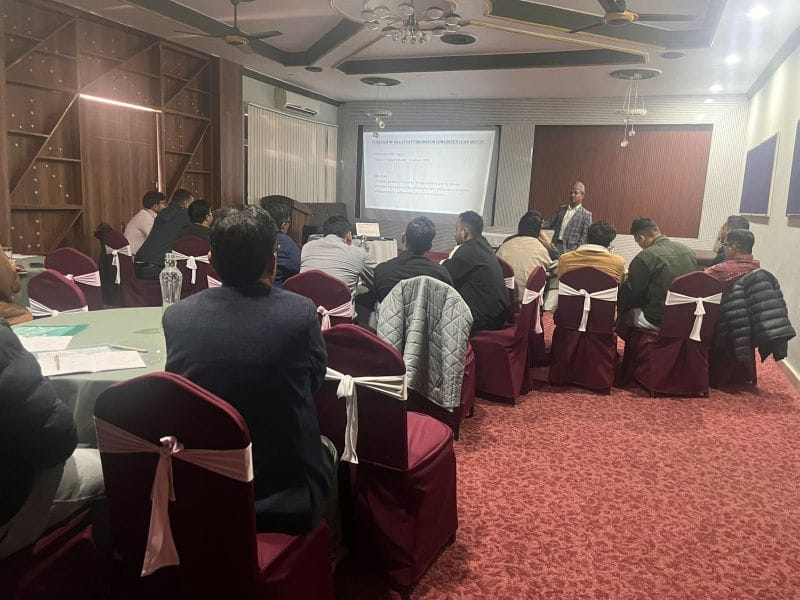
A central theme of the program was NPL management. Participants engaged in comprehensive discussions on identifying early warning signals, categorizing risk profiles, and implementing structured recovery plans.
Rather than focusing solely on theoretical frameworks, the training emphasized real-world applications. Case-based discussions allowed attendees to analyze practical scenarios, evaluate recovery options, and design tailored action plans for different borrower segments.
One of the most engaging segments of the workshop addressed the detection and prevention of misuse of subsidized loans. Subsidized lending programs play a crucial role in promoting entrepreneurship, agriculture, and small businesses. However, misuse or diversion of funds can significantly undermine both financial institutions and the broader economic system.
The session provided practical tools for monitoring loan utilization, strengthening due diligence processes, and implementing internal control mechanisms that reduce risk exposure.
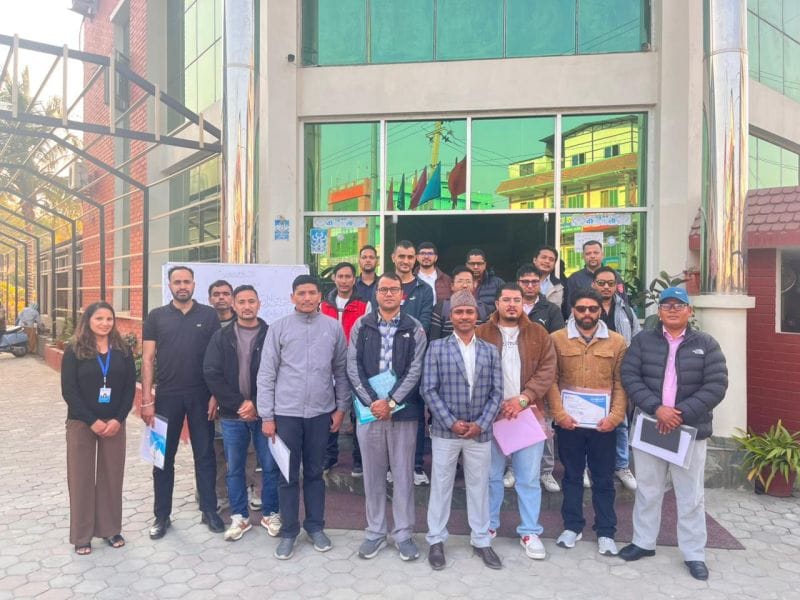
Legal enforcement mechanisms were another key area of focus. Participants explored available legal remedies under Nepal’s banking and financial regulations and discussed strategies for improving documentation, evidence collection, and procedural compliance.
Emphasis was placed on ensuring that recovery processes align with the regulatory framework of the Nepal Rastra Bank (NRB), the central regulatory authority overseeing Nepal’s financial system. By aligning recovery practices with NRB-compliant frameworks, institutions can protect themselves from regulatory risks while enhancing transparency and accountability.
Negotiation tactics for handling delinquent accounts formed an essential component of the workshop. Effective recovery is not always about aggressive enforcement; it often requires skillful communication, empathy, and strategic restructuring.
Participants learned techniques for conducting productive negotiations, understanding borrower psychology, and designing win-win repayment plans that safeguard institutional interests while offering feasible solutions to clients. The emphasis on ethical recovery practices reinforced the importance of maintaining long-term customer relationships and institutional reputation.
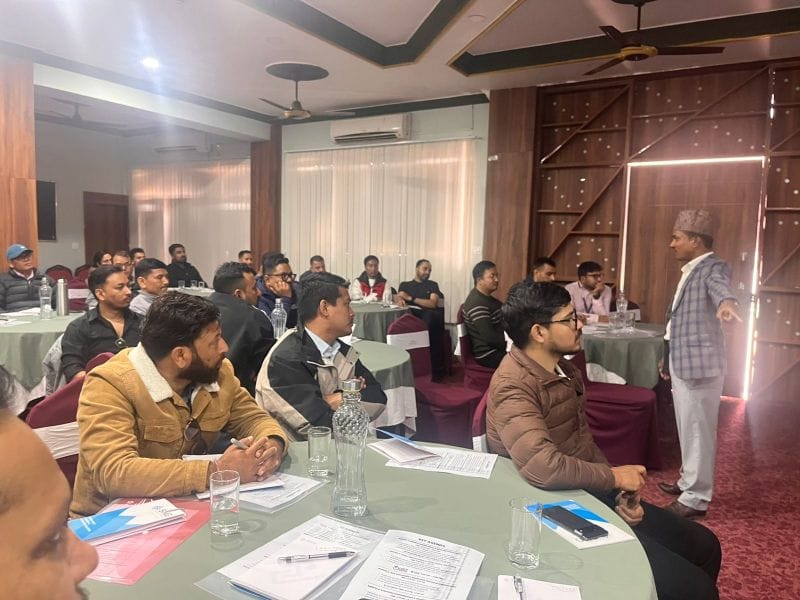
A highlight of the workshop was the invaluable guidance shared by the expert NRB Executive facilitator. Drawing from extensive field-level experience, the facilitator provided practical insights into the operational realities faced by financial institutions.
His experience-based recommendations on documentation standards, regulatory reporting, recovery audits, and risk mitigation strategies added tremendous value to the sessions. Participants appreciated the clarity and depth of his explanations, particularly regarding evolving regulatory expectations and compliance benchmarks.
The workshop also fostered vibrant interaction among professionals from various banks, financial institutions, cooperatives, and microfinance institutions. The diversity of participants enriched the discussions, as attendees shared institutional experiences, challenges, and success stories.
This collaborative environment allowed participants to learn not only from the facilitator but also from one another, building a shared understanding of best practices in debt recovery.
Capacity building remains a cornerstone for ensuring financial stability in Nepal. As economic activities expand and credit portfolios grow, the need for structured recovery systems and robust governance becomes even more critical. Workshops like “Smart Strategies for Debt Recovery” play a vital role in strengthening institutional resilience.
By enhancing technical skills, promoting regulatory awareness, and encouraging proactive recovery measures, such programs contribute directly to a healthier financial sector.
The event in Dhangadhi underscored the importance of regional engagement. Strengthening financial literacy and recovery expertise outside major metropolitan hubs ensures inclusive development and balanced institutional growth.
bringing advanced training programs to regions like Dhangadhi, stakeholders are empowering local financial professionals with the tools necessary to address emerging credit risks effectively.
As the workshop concluded, there was a shared sense of commitment among participants to implement the strategies discussed. The collective goal is clear: reduce NPL levels, improve governance standards, and contribute to a more stable and transparent financial system in Nepal.