Rooftop Gardening in San Francisco
The cost of rooftop gardening in San Francisco varies depending on factors such as rooftop size, design complexity, plant selection, irrigation systems, and materials. Basic container gardens may be relatively affordable.

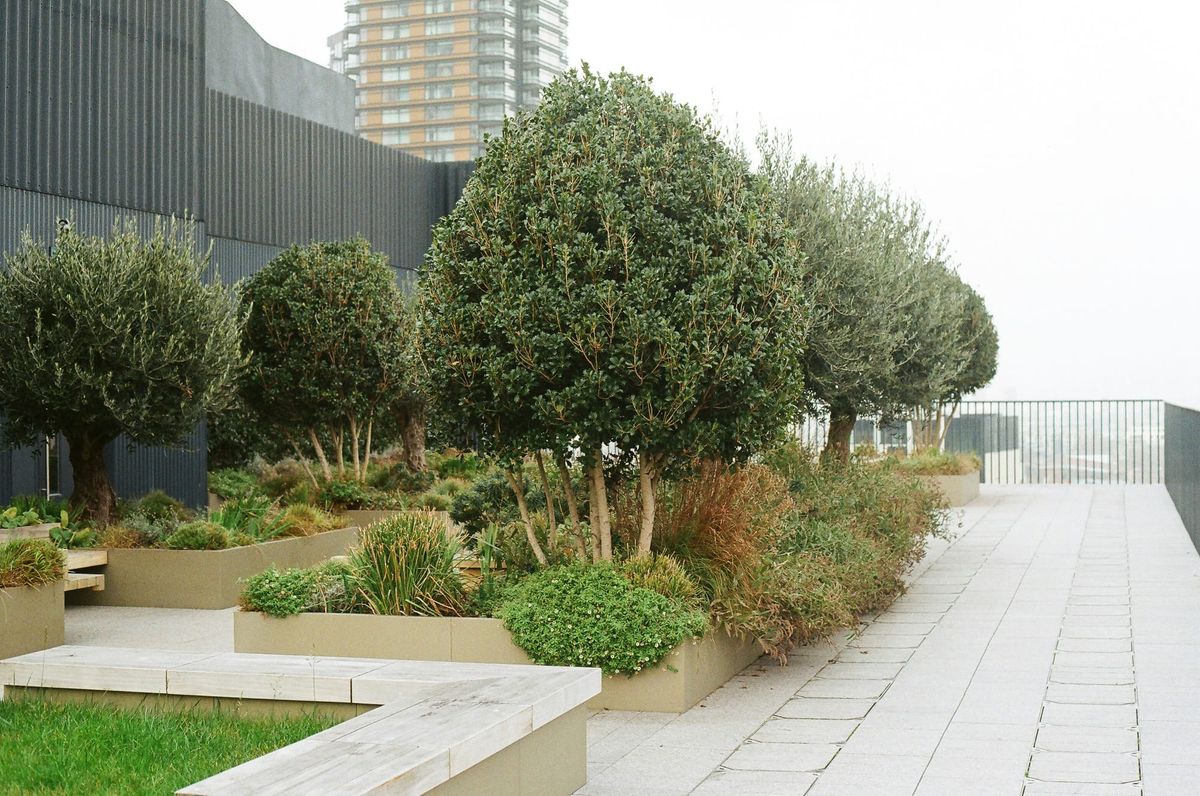
Rooftop gardening has become an increasingly popular trend in San Francisco as urban density rises and residents seek creative ways to introduce greenery into compact living spaces. With limited yard space in many neighborhoods, rooftops offer a valuable opportunity to create private green retreats above the city. Rooftop gardens provide numerous benefits, including visual appeal, improved insulation, fresh herbs and vegetables, and a peaceful escape from the fast-paced urban environment. With thoughtful design and proper maintenance, even small rooftops can be transformed into vibrant, functional gardens.

The first step in building a rooftop garden in San Francisco is evaluating the structural capacity of the building. Rooftops must support the combined weight of soil, containers, plants, and water—especially important in a city with strict building codes and safety standards. Consulting a structural engineer or licensed contractor is highly recommended. Waterproofing and proper drainage systems are essential to prevent leaks and protect the building from moisture damage, particularly given San Francisco’s coastal climate and seasonal rains.
Container gardening is the most practical and widely used approach for rooftop gardens in the city. Using pots, planters, and raised beds allows flexibility and prevents excessive load on the structure. Lightweight materials such as fiberglass, composite, or high-grade plastic are ideal for reducing weight while ensuring durability. Arranging containers in clusters or zones helps improve aesthetics and accessibility, while also making it easier to rotate plants seasonally.
Vertical gardening is another highly effective solution, especially for maximizing limited rooftop space. Trellises, wall-mounted planters, and hanging baskets allow plants to grow upward instead of outward. This method is perfect for growing herbs, leafy greens, succulents, and climbing plants like ivy or jasmine. Vertical gardens also contribute to insulation, helping reduce heat absorption and keeping indoor spaces cooler during warmer months.

San Francisco’s mild Mediterranean climate is well-suited for a wide range of plants, but it also comes with microclimates—some areas are foggy and cool, while others receive more sun. Choosing climate-appropriate and drought-tolerant plants is key. Native California plants are an excellent choice as they adapt well to local conditions, require less water, and support local biodiversity. Succulents, ornamental grasses, lavender, and herbs are particularly popular in rooftop gardens across the city.
Irrigation plays a crucial role in maintaining a rooftop garden. Drip irrigation systems or smart watering setups are highly recommended for efficiency and water conservation—an important factor in California. Watering schedules should be adjusted based on sun exposure and weather conditions, typically early morning or evening to minimize evaporation. Adding mulch helps retain soil moisture, regulate temperature, and reduce maintenance.
 Peace Opoggen
Beyond aesthetics, rooftop gardens in San Francisco often serve functional and lifestyle purposes. Many homeowners use them to grow organic vegetables and herbs, promoting sustainable living and reducing grocery costs. Rooftops can also be designed as outdoor living spaces, featuring seating areas, fire pits (where permitted), pergolas, and ambient lighting. These spaces are ideal for relaxation, small gatherings, yoga sessions, or simply enjoying city views.
Maintenance is essential to keep a rooftop garden healthy and thriving. This includes regular pruning, fertilizing, pest management, and seasonal plant care. Due to the unique rooftop environment—wind exposure, sun intensity, and limited soil—plants may require more attention than ground-level gardens. Hiring professional gardening services in San Francisco can significantly simplify maintenance and ensure optimal plant health throughout the year.
How to Hire a Gardener in San Francisco
Hiring a professional gardener or landscaping service in San Francisco involves a few key steps:
1. Define Your Needs
Determine whether you need full rooftop garden design, installation, or ongoing maintenance. Some gardeners specialize in urban gardening, rooftop systems, or sustainable landscaping.
2. Look for Licensed & Insured Professionals
Due to local regulations, it’s important to hire licensed contractors or gardening professionals who understand building codes, irrigation standards, and safety requirements.
3. Check Experience & Portfolio
Review past projects, especially rooftop gardens or small urban landscapes. Experience with similar projects ensures better results.
4. Ask About Sustainable Practices
Many San Francisco gardeners focus on eco-friendly solutions such as drought-resistant plants, rainwater systems, and organic fertilizers.
5. Get Multiple Quotes
Compare pricing, scope of work, and maintenance plans. Costs can vary widely depending on design complexity and materials.
6. Read Reviews & References
Platforms like Yelp, Thumbtack, and Angi are popular for finding and reviewing local gardening professionals.
7. Discuss Maintenance Plans
Ensure the gardener offers ongoing care services, including seasonal adjustments, irrigation checks, and plant health monitoring.
Cost Considerations
The cost of rooftop gardening in San Francisco varies depending on factors such as rooftop size, design complexity, plant selection, irrigation systems, and materials. Basic container gardens may be relatively affordable, while custom-designed rooftop landscapes with seating areas, lighting, and irrigation systems can require a higher investment. Labor costs in San Francisco are also relatively high compared to other cities, making professional services more expensive—but often worth the quality and compliance with regulations.
Conclusion
Rooftop gardening in San Francisco is an innovative and sustainable way to enhance urban living. With careful planning, lightweight systems, vertical gardening techniques, and efficient irrigation, rooftops can be transformed into beautiful, functional spaces. Beyond aesthetics, these gardens contribute to environmental sustainability, improve well-being, and increase property value. By hiring experienced professionals and maintaining the garden properly, homeowners can turn underutilized rooftops into thriving green sanctuaries in the heart of the city.