People with a Magnetic Ability to Conquer Everest
Arjun Uprety
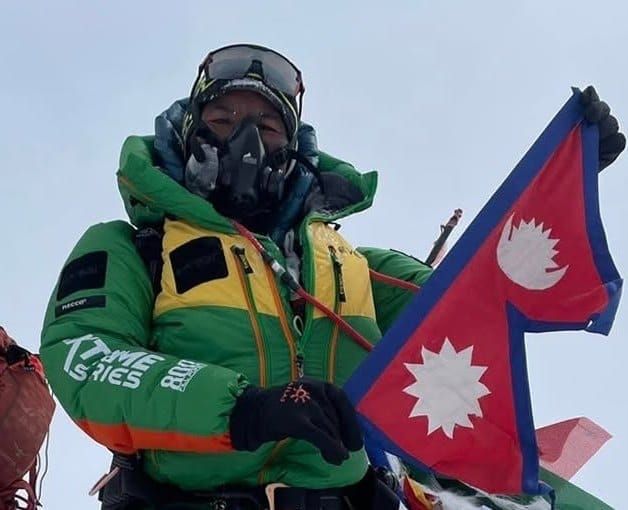
Reaching the base camp of Mount Everest is a dream for people around the world. However, Nepal is home to extraordinary individuals who have astonished the world by climbing the highest point on Earth—Mount Everest—not once, but 31 and 32 times. With their ascents on May 17, 2026, Nepali Sherpas Kami Rita and Pasang Dawa Sherpa have become known as people who seem almost magnetically attached to Everest.
During the 2026 spring climbing season, Pasang Dawa Sherpa successfully summited Everest twice, securing her place as the second-most frequent Everest climber. Meanwhile, Kami Rita Sherpa proved himself unique among the world's 8.5 billion people by becoming the only person to have successfully climbed Everest 32 times.
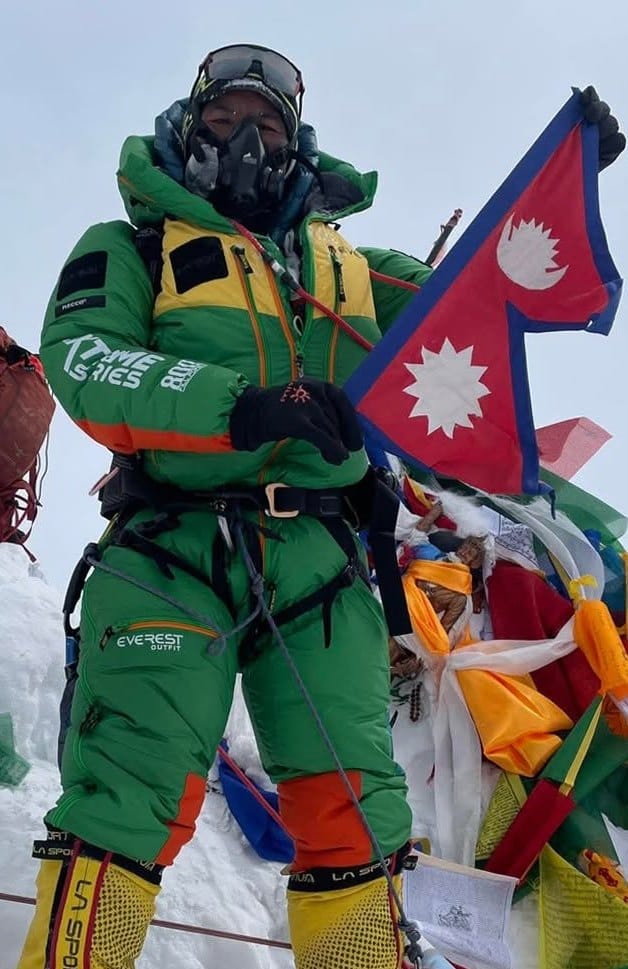
Mount Everest (also known as Chomolungma), the world's highest mountain, stands at an elevation of 8,848.8 meters (29,032 feet) above sea level. By reaching its summit more times than anyone else, Kami Rita has also earned a place in the Guinness World Records.
The record-holding 56-year-old Kami Rita Sherpa completed his 32nd successful ascent of Everest this year. He recalled that he first climbed Everest in 1994 at the age of 24.
The closest challenger to Kami Rita's record is another Nepali mountain guide, Pasang Dawa Sherpa. By summiting Everest twice in May this year, he increased his total number of successful ascents to 31, making him the second-most successful Everest climber in history.
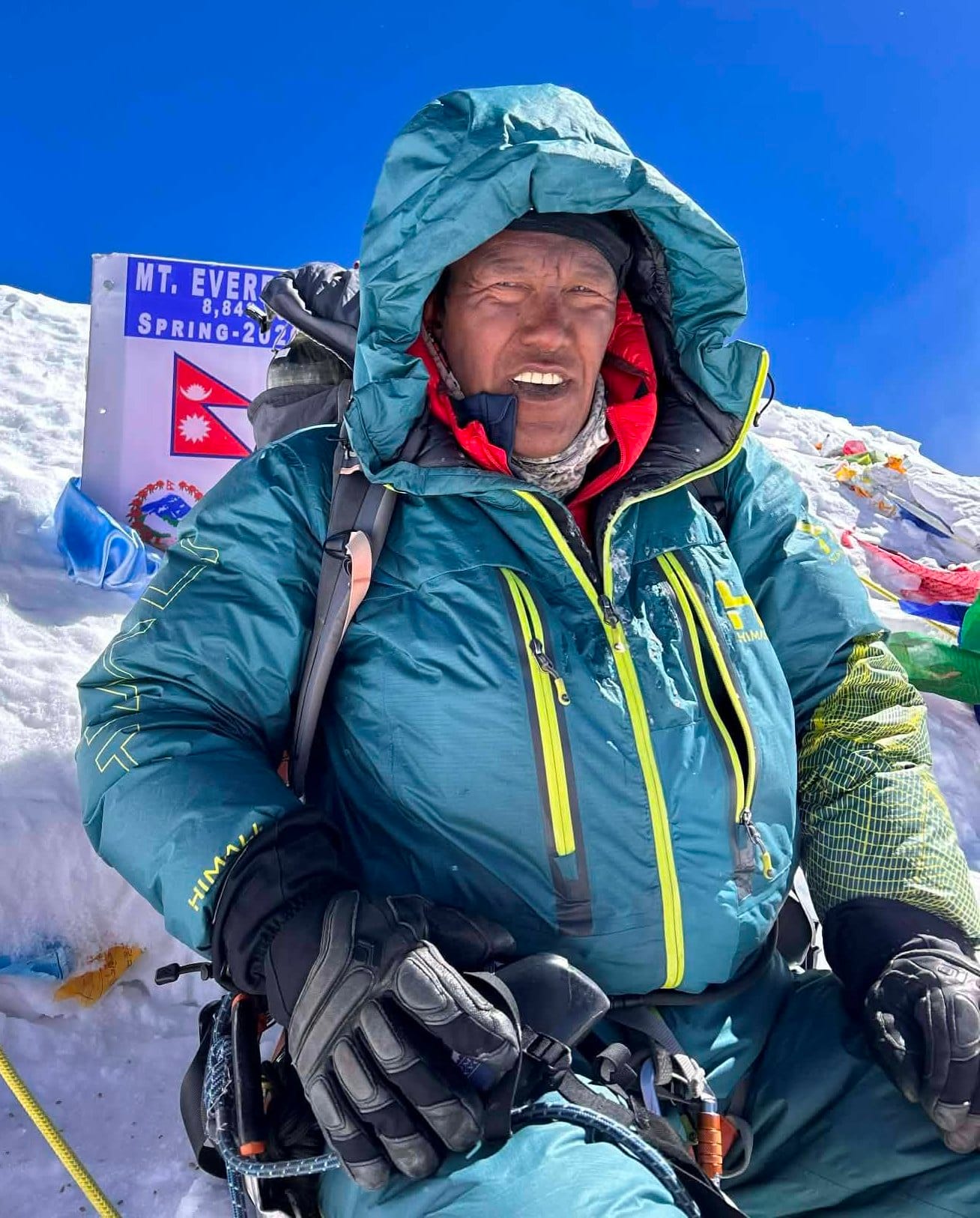
Among women, Lhakpa Sherpa broke her own record by reaching the summit of Everest for the 11th time, surpassing her previous record of 10 ascents. She reached the summit at 9:30 a.m. and recalled that she first began climbing Everest in 2000.
Her other nine ascents—most recently in 2022—were all completed via the northern route through Tibet, China. In fact, after her sixth successful ascent, she retired from mountaineering. However, after a ten-year break, she returned in 2016 and went on to achieve five more successful ascents.
Despite being the woman who has reached the summit of Everest more times than anyone else, Lhakpa has never allowed herself to become complacent.
Having observed the mountain closely through her many expeditions, she expressed her thoughts about Everest:
“Each time, I am guiding different climbers, so every experience feels different. The ice has melted significantly, especially in areas like the South Col. The mountain has changed. But my feelings remain the same. I love this mountain.”
The local Sherpa community regards Everest as a sacred deity and worships it. The name Sagarmatha means “Goddess of the Sky,” and it is considered a symbol of purity. For the Sherpa people, Everest holds profound religious, cultural, and historical significance. Their culture, history, religion, traditions, beliefs, and customs are deeply intertwined with Everest, the Himalayas, and the surrounding environment. Even their biological adaptations are closely linked to the high-altitude lifestyle of the Himalayan region.