Is Jeff Bezos selling the Washington Post?

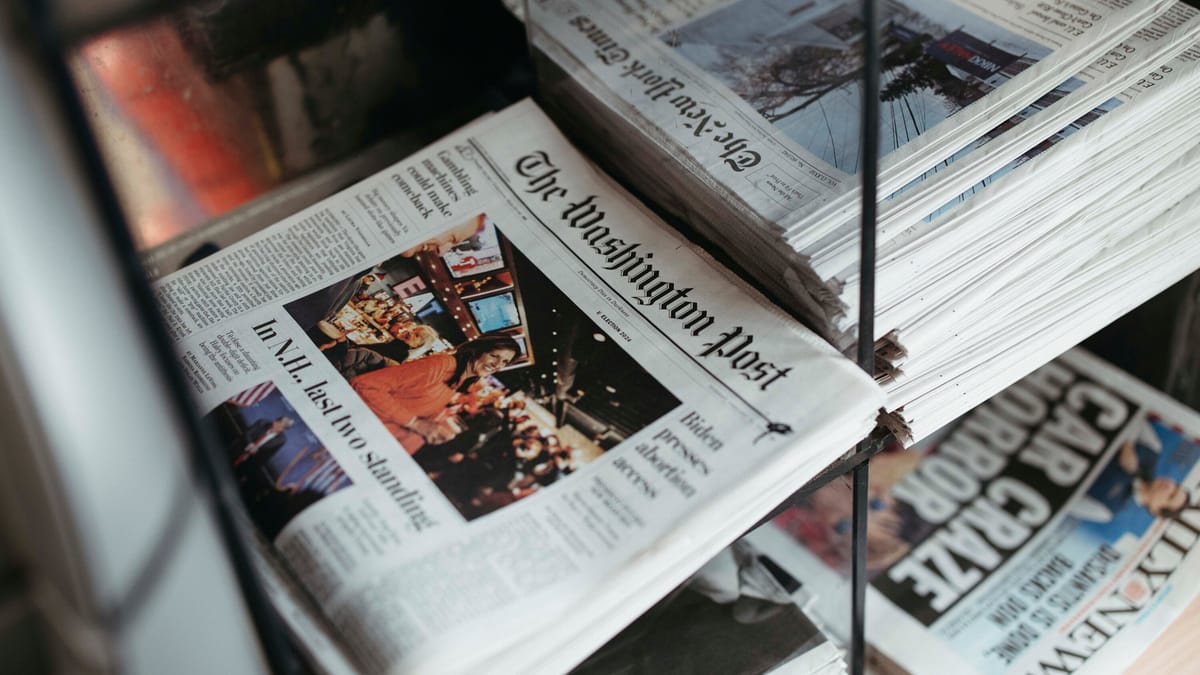
During Donald Trump’s first presidency, The Washington Post staged a remarkable comeback. Its aggressive, fact-driven coverage of an unpredictable administration attracted millions of readers, boosted subscription revenue, and restored the paper to profitability. The message was clear: fearless journalism that challenged power was not only essential to democracy—it was also good business.
That success makes the Post’s current crisis during Trump’s second term especially troubling. The paper is now losing money, shedding subscribers, and shrinking its newsroom at an alarming pace. This reversal is not just a financial failure. It reflects a deeper moral and leadership breakdown—one that points directly to the newspaper’s owner, Jeff Bezos.
Across the world, the rise of authoritarian politics has followed a familiar pattern. Independent media is weakened through intimidation, lawsuits, arrests, and economic pressure. The United States is no longer immune to these tactics. Journalists have been detained while covering protests, their devices seized, and media organizations targeted with massive legal actions designed to silence scrutiny.
When Bezos bought The Washington Post in 2013, he appeared prepared to resist such threats. Despite Amazon’s extensive dealings with the federal government, he maintained a strict separation between ownership and newsroom operations. Former executive editor Martin Baron documented how Trump repeatedly attacked both Bezos and Amazon during his first term—yet Bezos never interfered with editorial decisions. That independence helped make the Post a trusted watchdog.
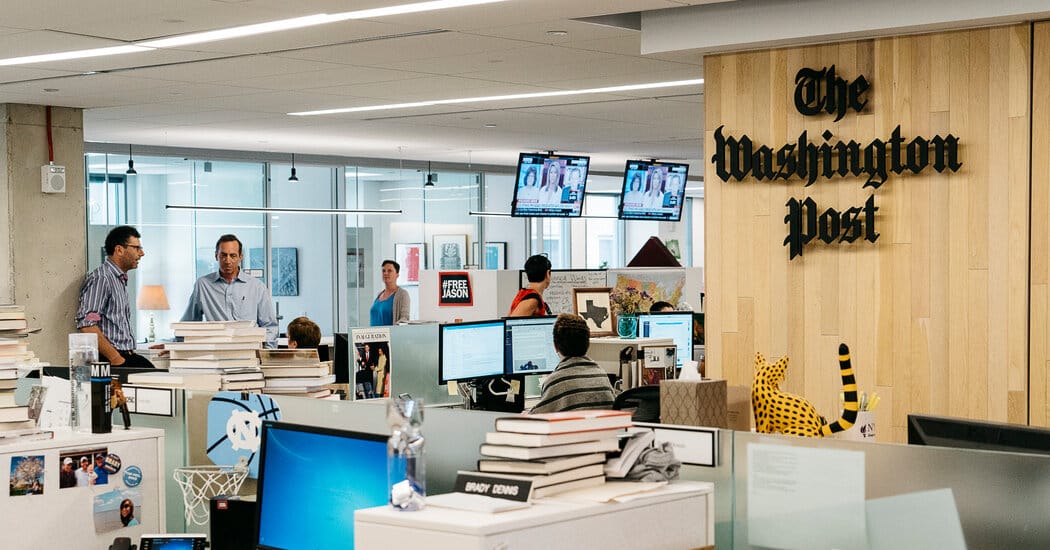
In the days before the 2024 election, Bezos abruptly canceled the Post’s planned editorial endorsement of Kamala Harris. Following Trump’s reelection, Bezos attended the inauguration, while Amazon donated $1 million toward the event. Editorial shifts narrowed the scope of the opinion section, signaling a new willingness to shape and constrain the paper’s voice.
Compounding these concerns are Bezos’s growing conflicts of interest. Amazon has reportedly invested heavily in a film centered on Melania Trump, while Bezos has publicly engaged with senior administration officials through his other ventures. Together, these moves have left readers questioning whether business considerations are now outweighing journalistic principles.
The audience response has been swift and severe. Hundreds of thousands of subscribers have reportedly canceled their subscriptions, accelerating an already fragile financial situation. That erosion of trust set the stage for one of the most damaging decisions in the paper’s modern history.
In a sweeping move, Post leadership cut more than one-third of the newsroom, reducing staff from roughly 800 journalists to fewer than 500. This followed earlier buyouts that eliminated hundreds more roles across the organization. While executives have promised continued focus on politics, national affairs, and national security, such assurances ring hollow given the scale of the losses.
High-quality journalism depends on people—experienced reporters, editors, and institutional memory. Once dismantled, those capabilities cannot be easily rebuilt. The Post has continued to produce important reporting despite managerial turbulence, but the latest cuts threaten its ability to sustain that work.
Ironically, Bezos once described his stewardship of the Post in moral terms. He said he never wanted to look back on his life and feel uneasy about what he had done with the paper. That standard now stands in stark contrast to current reality.
If Bezos is no longer willing to protect the Post from political pressure or invest in its independence, then the responsible path forward is clear. The paper should be placed in the hands of owners prepared to defend its mission without compromise.
At a moment when democratic norms face extraordinary strain, strong and fearless journalism is not optional—it is essential. If ever the Washington Post was needed to hold power accountable, it is now. And if ever it needed leadership equal to that responsibility, that moment has arrived.