Digital Branding Solutions for Small Business


In today's digital-first marketplace, your brand is often encountered online long before a customer walks through your door or picks up the phone. For small business owners, building a strong digital brand presence isn't just about having a nice logo or a Facebook page, it's about creating a cohesive, authentic identity that resonates with your target audience across every digital touchpoint.
Whether you're launching a new venture or refreshing an established business, understanding and implementing effective digital branding solutions can be the difference between blending into the background and standing out in a crowded market.
The foundation of any successful digital brand starts with clarity about who you are and what you stand for. Before diving into website design or social media campaigns, take time to define your brand's core identity.
This means articulating your mission, values, and unique value proposition in a way that's genuine and differentiated. What problems do you solve for your customers? What makes your approach different from competitors? What personality traits should your brand embody?

These aren't just abstract questions, they inform everything from the tone of your social media posts to the colors on your website. Small businesses often have an advantage here: you can be more personal, more authentic, and more nimble than larger competitors.
Your digital brand should reflect the real passion and expertise behind your business, not try to mimic the polished corporate feel of Fortune 500 companies.
Once you've clarified your brand identity, your website becomes your digital headquarters. For most small businesses, this is where potential customers will form their first impression and make crucial decisions about whether to engage with you.
Your website needs to be more than functional—it should be a reflection of your brand personality while being easy to navigate and optimized for mobile devices. Fortunately, platforms like WordPress, Squarespace, and Wix have made it possible to create professional-looking websites without enormous budgets or technical expertise.
Focus on clean design, clear messaging, and fast loading times. Include compelling visuals that align with your brand aesthetic, whether that's minimalist and modern, warm and approachable, or bold and creative.
Most importantly, ensure your website clearly communicates what you do, who you serve, and how visitors can take the next step with you.
Visual consistency across all digital platforms strengthens brand recognition and builds trust. This means developing a cohesive visual identity system that includes your logo, color palette, typography, and image style, then applying it consistently everywhere your brand appears online.
When someone moves from your Instagram profile to your website to your email newsletter, they should immediately recognize it's all part of the same brand experience. Tools like Canva have democratized design, allowing small business owners to create professional-looking graphics, social media posts, and marketing materials that maintain visual consistency without hiring a full-time designer.
Create templates for your most common needs—social media posts, email headers, promotional graphics—so maintaining that consistency becomes easier over time.
Social media is where your brand comes to life and builds relationships with customers. However, you don't need to be everywhere at once. Choose platforms where your target customers actually spend time and where your type of content naturally fits.

A local restaurant might thrive on Instagram and Facebook with mouthwatering food photography and community engagement, while a B2B consulting firm might find more traction on LinkedIn with thought leadership content. The key is consistency in both posting and voice.
Your social media presence should reflect the same brand personality you've established elsewhere, whether that's professional and informative, playful and entertaining, or inspiring and aspirational.
Engage authentically with your audience by responding to comments, sharing user-generated content, and participating in relevant conversations rather than just broadcasting promotional messages.
Content marketing offers small businesses a powerful way to build authority and attract customers organically. By creating valuable content, blog posts, videos, podcasts, or guides, that addresses your audience's questions and challenges, you position your brand as a helpful expert rather than just another seller.
This doesn't require a massive content factory. Even one well-crafted blog post per month that genuinely helps your target customers can drive traffic, improve search engine visibility, and build trust over time.
The content should align with your brand voice and values while demonstrating your expertise. A financial advisor might share practical budgeting tips, while a yoga studio could offer wellness advice and beginner tutorials.
The goal is to be genuinely useful, which builds goodwill and keeps your brand top-of-mind when customers are ready to buy.
Email marketing remains one of the highest-ROI digital branding tools available to small businesses. Building an email list gives you direct access to interested customers without relying on social media algorithms or paid advertising.
Your email communications should maintain the same brand voice and visual identity as your other channels while offering real value, exclusive offers, helpful tips, behind-the-scenes glimpses, or early access to new products.
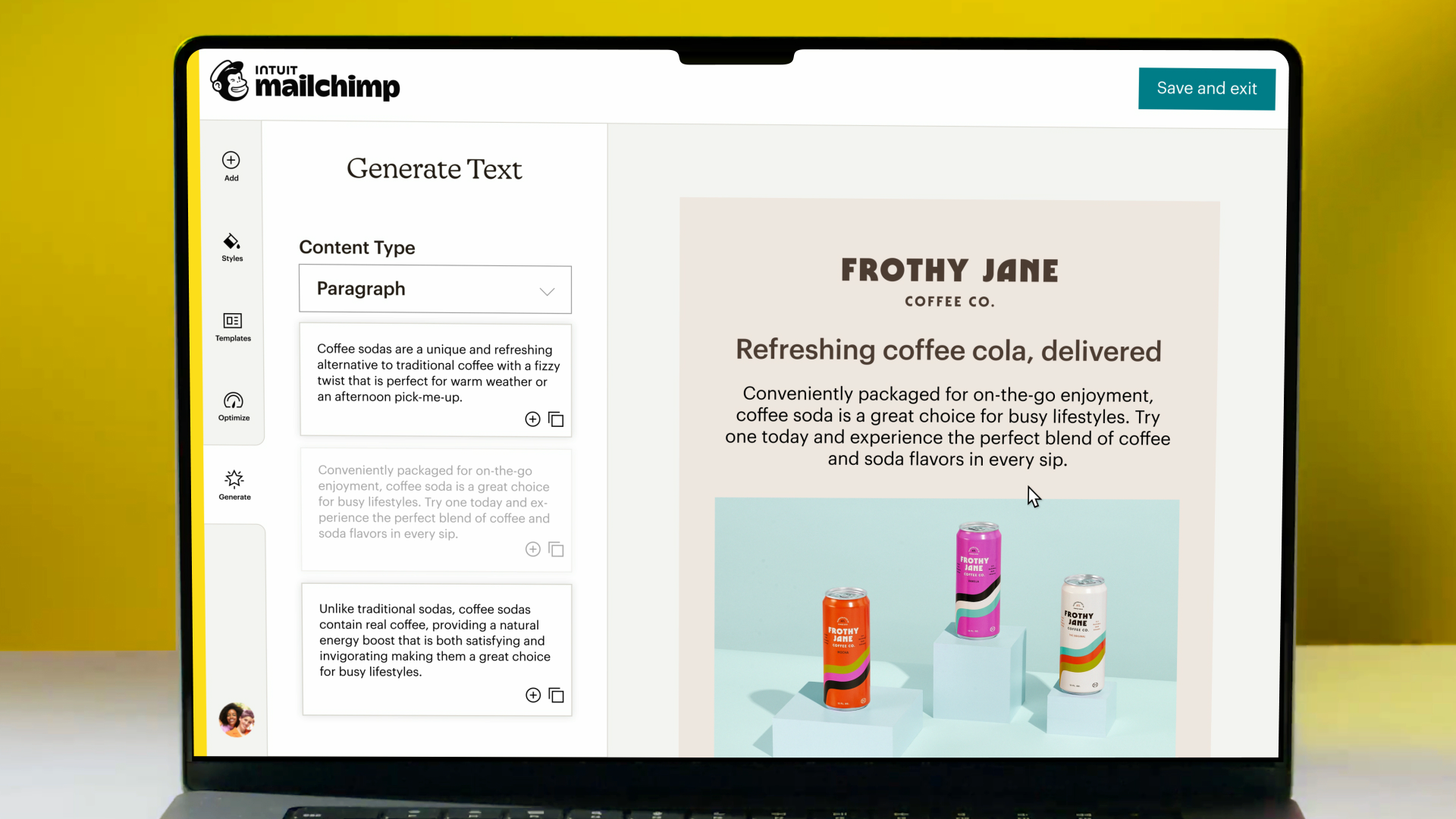
Platforms like Mailchimp, Constant Contact, or ConvertKit make it easy to design branded emails and automate campaigns without technical expertise.
Finally, remember that digital branding is an ongoing process, not a one-time project. As your business evolves and you learn more about what resonates with your audience, your digital brand can evolve too.
Pay attention to what content performs well, what messages connect with customers, and where you're seeing engagement. Use free tools like Google Analytics and social media insights to understand what's working.
The beauty of digital branding for small businesses is that you can test, learn, and adjust in real-time without the massive costs associated with traditional branding campaigns.
Stay authentic to who you are, remain consistent in how you show up, and keep your customers' needs at the center of everything you create. With patience and persistence, your digital brand will become a valuable asset that attracts the right customers and sets your small business apart.