Data Cleaning Techniques Every Aspiring Data Analyst Must Know
Data cleaning is a crucial part of data analytics because it improves accuracy, consistency, and reliability. Without clean data, even the best analysis can lead to wrong conclusions.


Data cleaning is one of the most important steps in data analysis.
Raw data is often messy, incomplete, or inconsistent, and it cannot be trusted until it is cleaned properly. If an analyst works with bad data, the results can be inaccurate and misleading. That is why data cleaning is often called one of the most essential parts of the analytics process. This article explains the most important data cleaning techniques every aspiring data analyst should know and why they matter.
Removing duplicates
The first step in data cleaning is removing duplicate records. Duplicates happen when the same data is entered more than once, which can affect the accuracy of analysis. If duplicates are not removed, they may make totals, counts, or averages incorrect.
For example, if the same customer appears twice in a sales file, the analyst may think there are more customers than there actually are. Removing duplicates helps create a more reliable dataset. It is one of the simplest but most important cleaning tasks.
Handling missing values
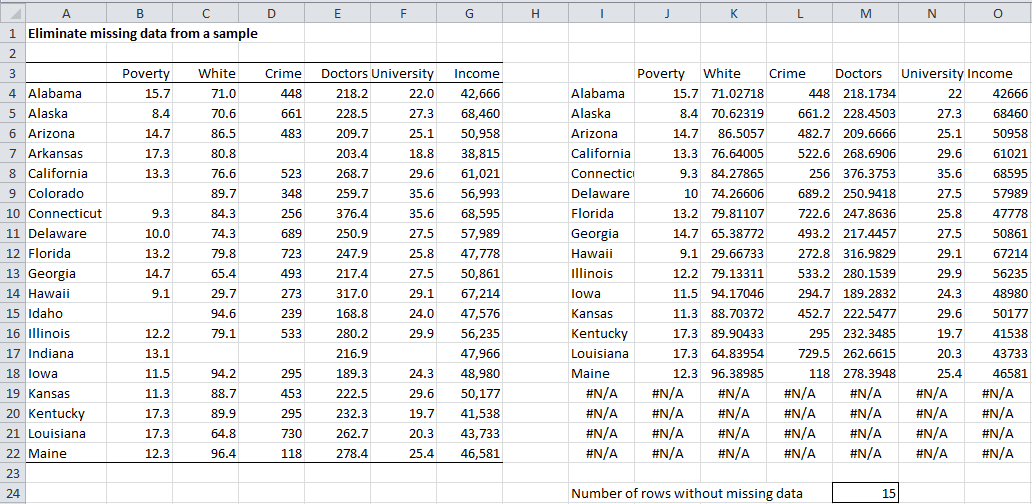
Missing values are one of the most common problems in real datasets. A value may be missing because of a data entry mistake, a system error, or an incomplete form. Before analysis, the analyst must decide how to deal with these gaps.
There are several ways to handle missing values. You can remove the rows, fill values with an average or median, or replace them with a default value depending on the situation. The method you choose depends on the importance of the missing data and the type of analysis you are doing. Handling missing values properly helps maintain data quality.
Fixing data types
Sometimes data is stored in the wrong format. For example, numbers may be saved as text, or dates may not be recognized correctly. If data types are incorrect, formulas and analysis may not work properly.
Fixing data types ensures that each column is treated correctly. Dates should be stored as dates, numbers should be stored as numbers, and text should remain as text. This makes calculations easier and prevents errors during analysis. Correct data types are necessary for clean and usable data.
Removing extra spaces and formatting issues
Another common cleaning task is removing extra spaces and formatting problems. Sometimes data contains leading spaces, trailing spaces, or inconsistent capitalization. These small issues can cause problems when sorting, filtering, or matching data.
For example, "Kathmandu" and " Kathmandu " may look the same to a person but not to a computer. Cleaning these formatting issues makes the data more consistent. It also improves accuracy when comparing or merging datasets.
Standardizing values
Standardizing means making data follow one common style or format. In real datasets, the same information may appear in different ways. For example, one record may say "Male," another may say "M," and another may say "male."
If values are not standardized, analysis can become confusing. The analyst must make sure that similar values are written in the same format. Standardization helps group data correctly and makes reporting much easier. It is a very important step in preparing data for analysis.
Handling outliers
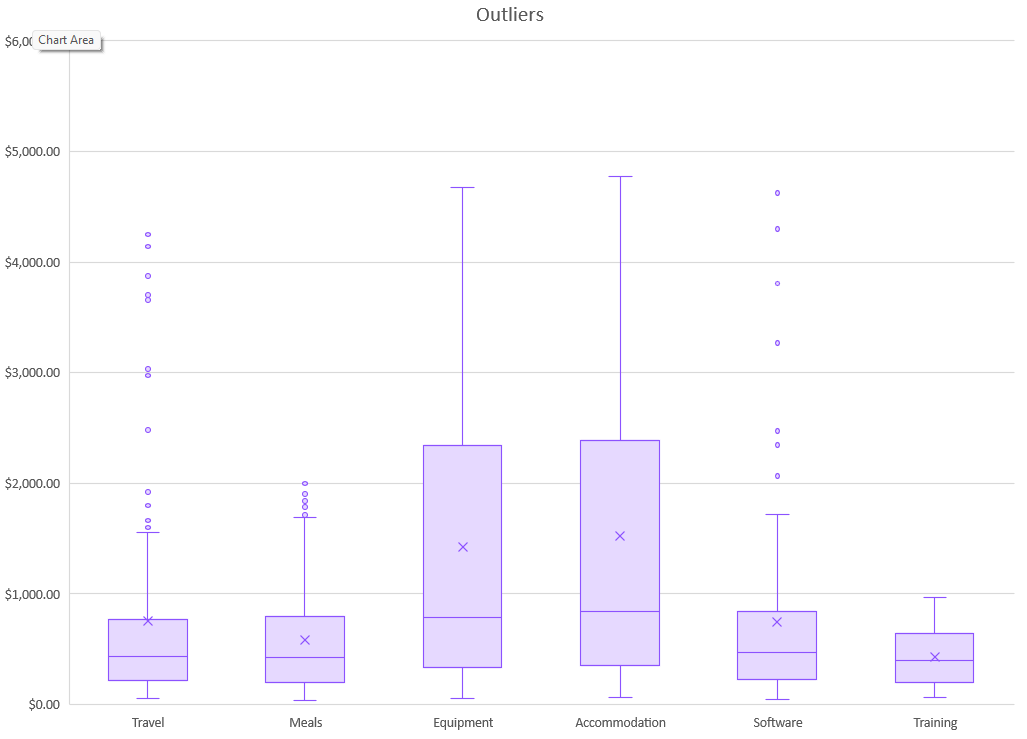
Outliers are values that are very different from the rest of the data. They may be caused by errors, unusual events, or real exceptions. Outliers can strongly affect averages and trends, so they should be checked carefully.
For example, if most salaries are between 20,000 and 80,000 but one record shows 1,000,000, that value should be examined. The analyst must decide whether the outlier is correct or should be removed. Handling outliers carefully helps make analysis more accurate and meaningful.
Correcting inconsistent entries
Inconsistent entries happen when the same thing is written in different ways. For example, "New York," "NY," and "NewYork" may all refer to the same place. This can create confusion when grouping data or creating reports.
Cleaning inconsistent entries is important because it helps combine similar values into one category. Once the data is consistent, analysis becomes clearer and more reliable. This is especially useful when working with large datasets from different sources.
Splitting and merging columns
Sometimes data is stored in one column when it should be divided into two or more columns. For example, a full name may need to be split into first name and last name. In other cases, two columns may need to be combined into one.
Splitting and merging columns helps organize data in a better structure. This makes analysis easier and more useful. It is a common task when preparing data for reporting or visualization.
Validating data quality
Data validation means checking whether the data is correct, complete, and reasonable. This step helps catch errors before the analysis begins. It is important to check for impossible values, empty fields, and incorrect entries.
For example, if an age column contains negative numbers, the data is clearly wrong. Checking data quality helps the analyst trust the results. Good validation practices reduce mistakes and improve confidence in the final analysis.
Preparing data for analysis
The final step of data cleaning is making sure the dataset is ready for analysis. At this stage, the data should be organized, consistent, and free from major errors. This makes it easier to use tools like Excel, SQL, Python, or Power BI.
Clean data saves time and improves the quality of insights. If the data is not prepared properly, the analysis may be weak or incorrect. That is why data cleaning is one of the most important skills for any data analyst. It creates the foundation for all later steps in the analytics process.
CONCLUSION
Data cleaning is a crucial part of data analytics because it improves accuracy, consistency, and reliability. Without clean data, even the best analysis can lead to wrong conclusions. Skills like removing duplicates, handling missing values, fixing formats, and standardizing entries are essential for every aspiring analyst. The more carefully you clean data, the more useful and trustworthy your results will be. For beginners, learning data cleaning is one of the best ways to build a strong foundation in analytics.