Countries Taking Action to Ban Social Media for Children to Protect Young Users
Issues such as cyberbullying, digital addiction, mental health problems, and exposure to online predators have pushed policymakers to rethink how children interact with digital platforms.

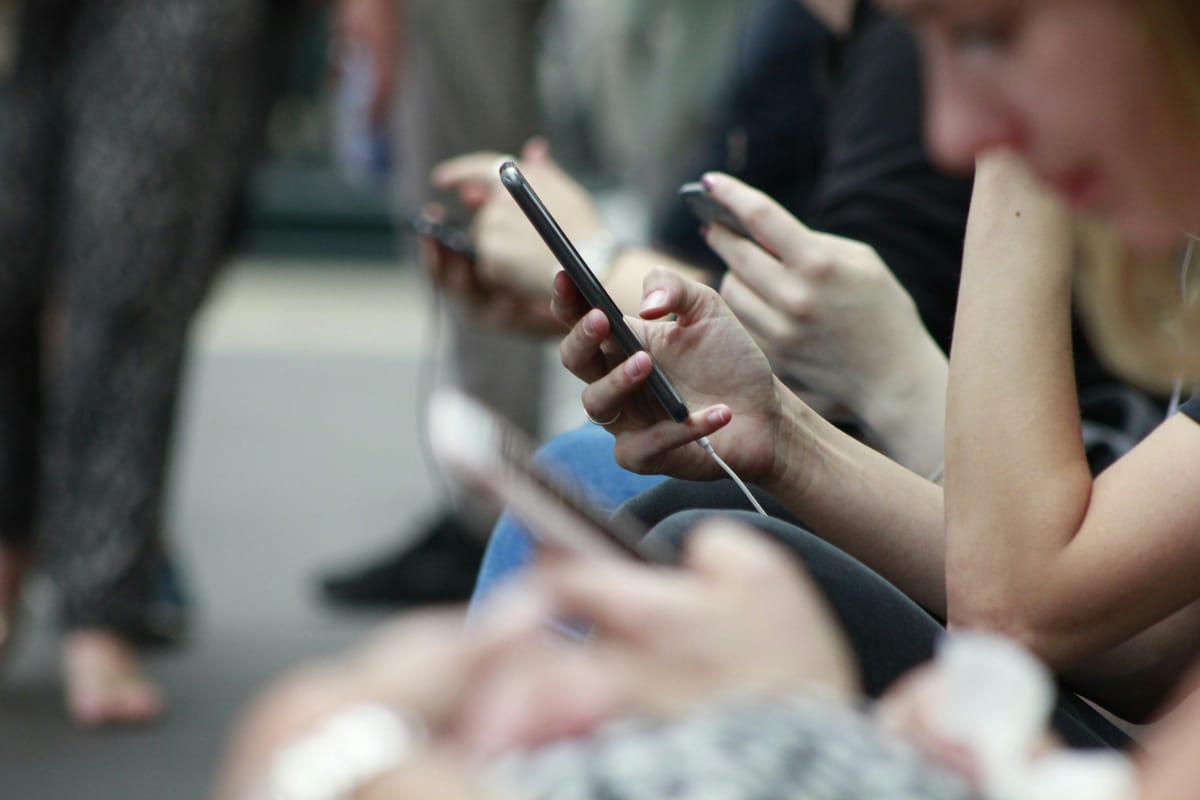
In recent years, concerns about the impact of social media on children and teenagers have grown significantly. Governments around the world are now taking steps to regulate or restrict access to social media platforms for younger users. Issues such as cyberbullying, digital addiction, mental health problems, and exposure to online predators have pushed policymakers to rethink how children interact with digital platforms. As a result, several countries are considering or implementing laws to ban or limit social media usage for minors. These developments mark a major shift in global digital policy and could reshape how the next generation experiences the internet.
Why Governments Are Moving to Restrict Social Media
The rise of social media platforms has transformed communication, entertainment, and information sharing. However, studies and growing public concern suggest that excessive social media use can negatively affect children's mental and emotional well-being. Young users often face cyberbullying, social comparison pressure, online harassment, and addictive scrolling behavior.
Governments argue that children and teenagers may not yet have the emotional maturity to handle these challenges. Social media algorithms are designed to maximize engagement, often encouraging endless scrolling and frequent notifications that keep users online for extended periods. For younger audiences, this can lead to unhealthy digital habits and reduced real-world interaction.
Another major concern is online safety. Children can be exposed to harmful content, misinformation, and potentially dangerous individuals. Lawmakers believe that stricter regulations and age restrictions could help reduce these risks and encourage healthier digital environments for young people.
Despite these motivations, critics warn that banning social media may not be the most effective solution. Privacy advocates have raised concerns about invasive age verification systems and government overreach. Organizations like Amnesty International have argued that bans may fail to address the root causes of online harm and could ignore the digital realities of modern youth.
Nevertheless, many governments are moving forward with legislation.
Australia: The First Country to Implement a Ban
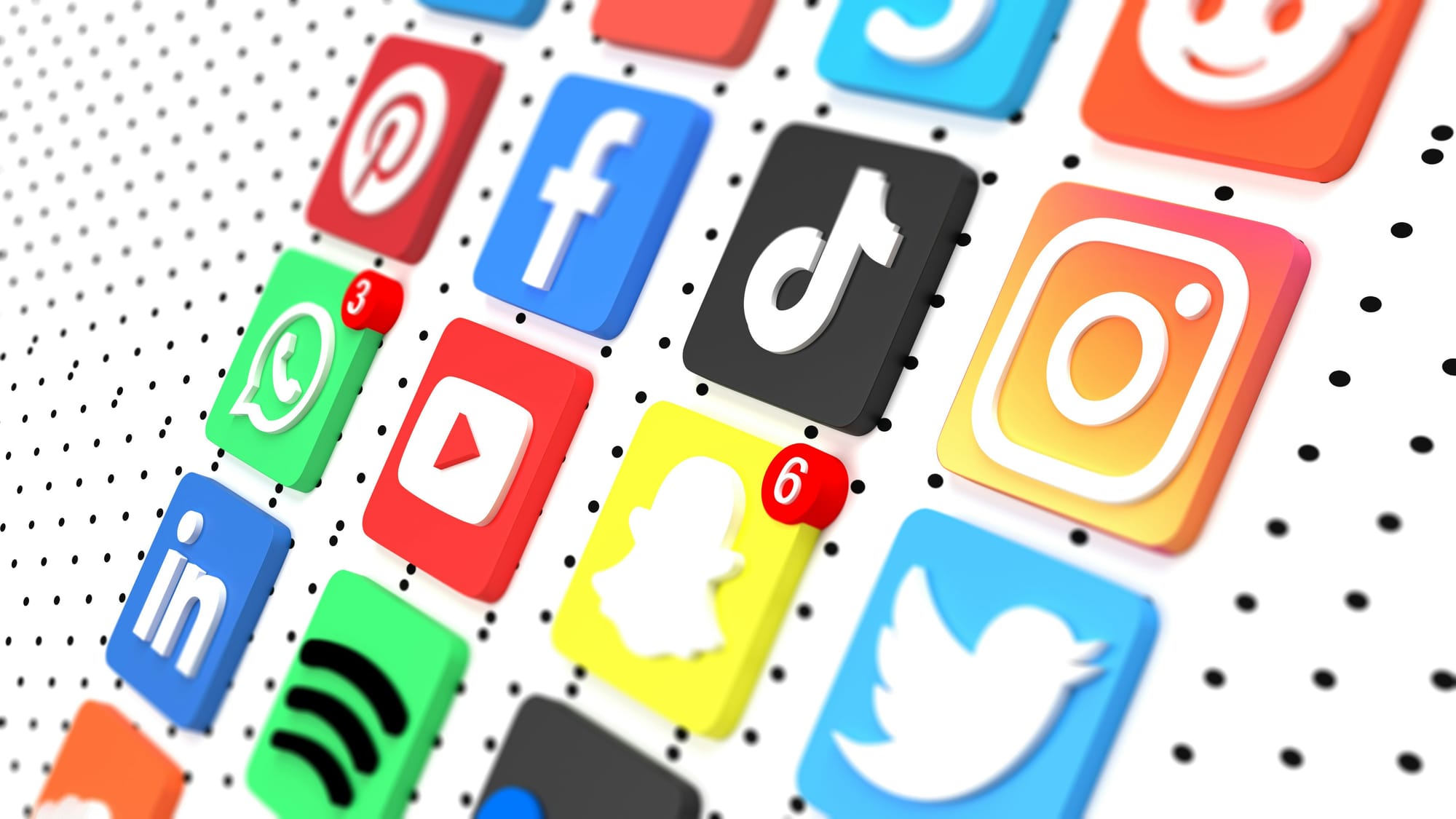
Australia made history in December 2025 by becoming the first country to officially ban social media access for children under the age of 16. The regulation blocks minors from using major platforms including Facebook, Instagram, Snapchat, Threads, TikTok, X, YouTube, Reddit, Twitch, and Kick.
Interestingly, messaging services like WhatsApp and child-focused platforms such as YouTube Kids are excluded from the ban.
Under the law, social media companies are required to implement strong age verification systems to ensure that users are at least 16 years old. Platforms cannot rely on users simply entering their birth date. Companies that fail to comply may face penalties of up to 49.5 million Australian dollars (approximately 34.4 million USD).
This move by Australia has set a global precedent and encouraged other nations to consider similar measures.
European Countries Following the Trend
Several European countries are actively exploring similar restrictions.
Denmark has announced plans to ban social media access for children under 15. The proposal received support from both coalition and opposition parties in parliament, increasing the likelihood that it will become law by mid-2026. The Danish government is also developing a “digital evidence” application that could help verify users’ ages online.
 Birat Info
In France, lawmakers passed a bill in early 2026 that would ban children under 15 from accessing social media platforms. The measure has been strongly supported by Emmanuel Macron, who argues that limiting screen time is essential for protecting children’s mental health. The bill still needs approval from the Senate before becoming law.
Meanwhile, discussions are underway in Germany. The conservative government led by Friedrich Merz has proposed banning social media for users under 16. However, some coalition partners have expressed hesitation about implementing a full ban.
Greece and Slovenia are also preparing legislation that would restrict social media access for children under 15. Slovenian officials have specifically mentioned regulating platforms such as TikTok, Snapchat, and Instagram.
Similarly, Spain is considering a ban on social media for users under 16. In addition to the age restriction, the Spanish government is proposing a law that would hold social media executives personally accountable for hate speech on their platforms.
Asia’s Growing Focus on Digital Safety
Asian countries are also taking strong steps to regulate children’s access to social media.
Indonesia has announced plans to ban social media use for children under 16. The restriction could apply to popular platforms such as YouTube, TikTok, Facebook, Instagram, Threads, X, Bigo Live, and Roblox. Malaysia is also preparing to implement a similar ban for children under 16, with plans to enforce the regulation within the year.
These initiatives highlight the growing recognition that digital safety for young users is a global challenge, not limited to any single region.
The United Kingdom’s Careful Approach
Unlike some countries moving quickly toward bans, the United Kingdom is taking a more cautious approach. The government is currently consulting parents, young people, and civil society organizations to determine whether banning social media for users under 16 would be effective.
 Swami Devraj
Officials are also exploring alternative strategies. One option under consideration is requiring platforms to modify addictive features such as endless scrolling and algorithm-driven content feeds that encourage compulsive usage.
The Future of Social Media Regulation
The global movement to restrict social media access for children reflects growing concern about the digital well-being of younger generations. While supporters believe that age limits and bans can protect children from online harm, critics argue that education, digital literacy, and better platform design may be more effective solutions.
What is clear, however, is that governments, technology companies, and families are entering a new phase of debate about the role of social media in young people’s lives. As more countries experiment with regulations, the world will closely watch the outcomes to determine whether these policies truly create safer online spaces for the next generation.