Breaking bad habits
Breaking bad habits requires awareness, discipline, and consistency. By understanding triggers, practicing mindfulness, and replacing negative behaviors with positive actions, you can gradually rewire your mind and create lasting, life-enhancing habits.

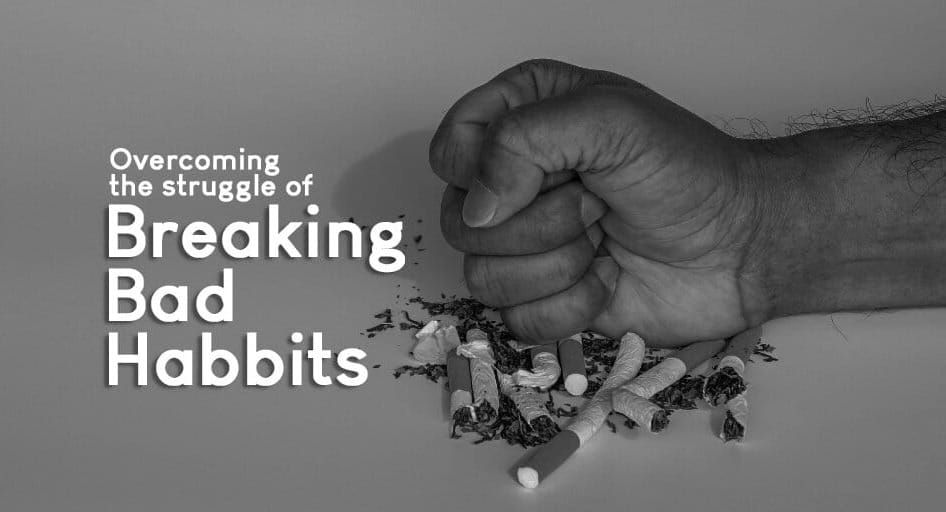
Habits are the invisible architects of our lives. They shape how we think, behave, and respond to the world around us. While some habits propel us forward, others hold us back, creating invisible chains that limit our potential. Breaking bad habits is not just a matter of willpower; it is a structured process of rewiring your mind, practicing discipline, and consciously replacing negative patterns with positive ones.
Many of us recognize the habits that are holding us back. Whether it’s procrastination, overspending, overeating, or excessive use of mobile phones, these habits can feel impossible to break. We often tell ourselves, “I need to change,” yet the pattern persists. Why is that? The answer lies in the subconscious mind. Most habits are deeply ingrained, operating below our conscious awareness. Simply deciding to change is rarely enough; sustained effort and consistency are essential.
How Habits Influence Our Lives
It is estimated that up to 95% of our daily actions are governed by habits rather than conscious decisions. This explains why we may start the day with good intentions but find ourselves slipping back into old routines by evening. Habits act like autopilot, steering our thoughts, behaviors, and decisions. Positive habits can increase productivity, improve health, and enhance relationships, while negative habits can drain energy, create stress, and limit opportunities.
Habits form when we repeatedly act on a thought or behavior with focus and intention. Our mind begins to treat these repeated actions as a pattern, embedding them into our subconscious. Over time, these patterns feel automatic and effortless, whether they benefit us or not.
Negative Habits and Their Impact
Bad habits are behaviors that negatively affect our health, relationships, or personal growth. They may seem harmless at first, but their cumulative effect can be significant. Examples include:
- Nail-biting or skin picking
- Smoking or excessive drinking
- Overeating or unhealthy eating patterns
- Late-night sleeping and irregular morning routines
- Excessive use of mobile phones or social media
- Speaking rudely or using vulgar language
- Littering or neglecting public cleanliness
Each of these habits may interfere with personal and professional life. Smoking or drinking, for example, can harm health and reduce life expectancy, while procrastination and distraction can undermine career growth. Recognizing the negative impact of a habit is often the first step toward breaking it.
Breaking Bad Habits: Where to Begin
The process of breaking a bad habit requires awareness, intention, and disciplined action. Here are essential steps to start the journey:
1. Awareness and Acceptance
You cannot change what you do not recognize. Observe your behavior without judgment. Identify the triggers that lead to your habit—stress, boredom, or social pressure. Acceptance means acknowledging that the habit exists and is affecting your life.
2. Discipline and Consistency
Breaking a habit is less about willpower and more about consistent effort. Your conscious mind cannot override a habit entrenched in the subconscious overnight. You need structured repetition, patience, and small incremental changes. Discipline becomes the framework that allows you to act despite temporary discomfort or lack of motivation.
3. Environmental Changes
Sometimes, habits persist because our environment encourages them. Simple adjustments, like visiting a park instead of staying home, joining social events, or spending time in libraries, can reduce exposure to triggers. Engaging with positive surroundings supports your efforts to replace bad habits.
4. Meditation and Mindfulness
Meditation helps strengthen awareness and self-control. Regular practice allows you to observe your thoughts without automatically reacting to them. Mindfulness creates a pause between impulse and action, giving you the space to choose healthier responses.
The Crux of Change: 21 Days Rule
A common framework for habit transformation is the “21-day rule.” While science suggests that complete habit change may take longer, committing to focused effort for 21 days can create a foundation for new patterns. Dedicate yourself fully to a chosen activity or practice, whether it’s meditation, exercise, journaling, or creative work. When performed with focus and dedication, repeated actions gradually imprint new pathways in the brain, weakening the old habit.
Types of Bad Habits
Bad habits can be broadly categorized into physical, behavioral, and cognitive types:
- Physical Habits: Nail-biting, overeating, substance abuse, poor sleep patterns
- Behavioral Habits: Procrastination, excessive phone use, social withdrawal
- Cognitive Habits: Negative thinking, pessimism, criticizing oneself or others
Identifying the category of a habit helps in tailoring strategies for breaking it. For instance, physical habits may require replacement behaviors, whereas cognitive habits may benefit more from mindfulness or cognitive restructuring.
Replacing Bad Habits with Better Habits
Breaking a habit is easier when you replace it with a positive alternative. For example:
- Swap late-night scrolling with reading or meditation
- Replace junk food with healthier snacks
- Substitute smoking with deep-breathing exercises
- Transform negative self-talk into affirmations or gratitude journaling
The goal is not just to stop the negative behavior but to redirect energy toward a positive habit that fulfills the same need—stress relief, social connection, or mental stimulation.
Practical Tips to Overcome Bad Habits
Here are practical steps to help reinforce new habits:
- Set Clear Goals: Define what you want to change and why.
- Start Small: Focus on manageable changes rather than overhauling your entire life at once.
- Track Progress: Keep a journal or use apps to monitor your habits and celebrate small victories.
- Seek Support: Friends, family, or support groups can provide accountability and encouragement.
- Practice Patience: Habit change takes time; setbacks are part of the process, not failure.
Visiting parks, libraries, or public spaces can keep your mind engaged and distracted from old habits. Social engagement and meditation also provide structure and focus.
Conclusion
We are the sum of our thoughts, beliefs, and habits. While negative habits may feel like chains, they are not unbreakable. Awareness, discipline, consistency, and mindful practice are the keys to transformation. By dedicating yourself to positive alternatives, creating supportive environments, and following a structured approach, you can gradually rewire your mind and replace harmful behaviors with beneficial ones.
Habits shape our lives, but with conscious effort, patience, and perseverance, we can regain control. Remember, the mind is like a field, and repeated actions are the seeds. Plant positive seeds consistently, and over time, you will harvest a life of healthier, more fulfilling habits.