100 Years of Finnair: How Finland’s Flag Carrier Evolved from Seaplanes to a Global Aviation Leader

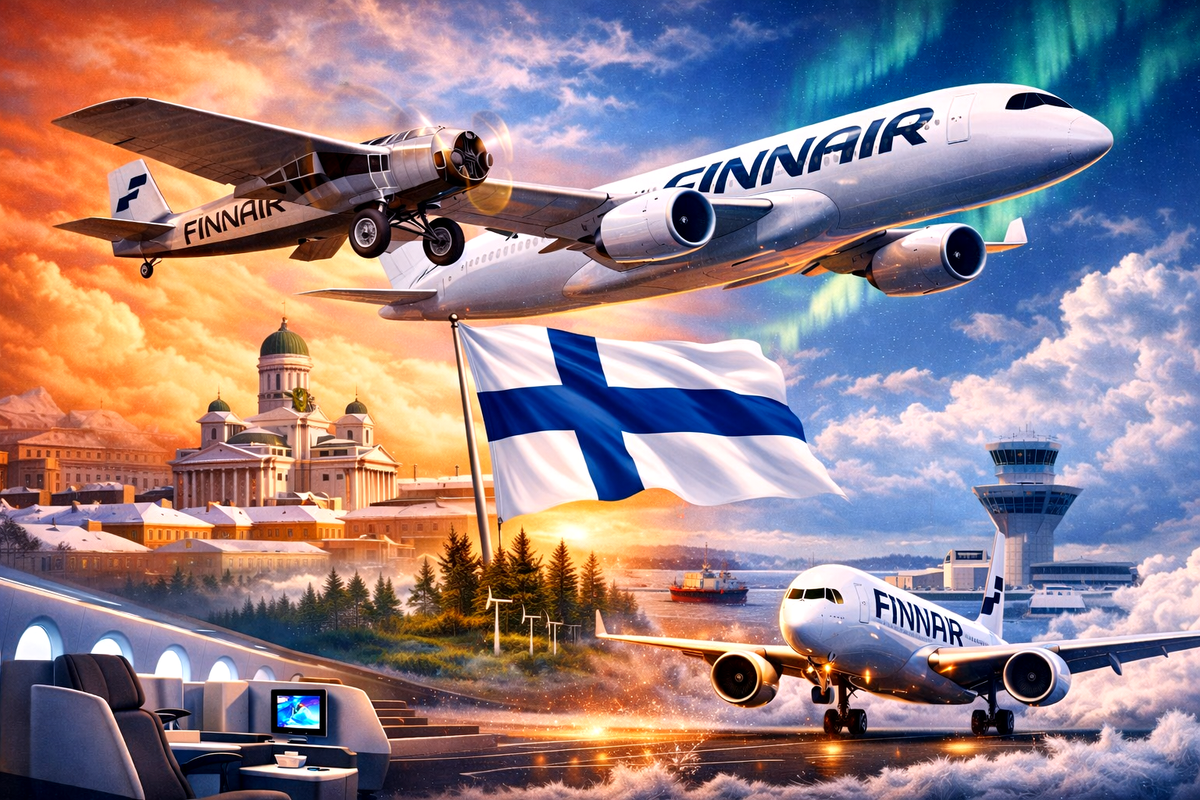
Aviation is often seen as a symbol of progress, a bridge that connects nations, cultures, and economies. Few airlines reflect this journey as clearly as Finnair. Founded in 1923, Finnair is one of the oldest continuously operating airlines in the world.
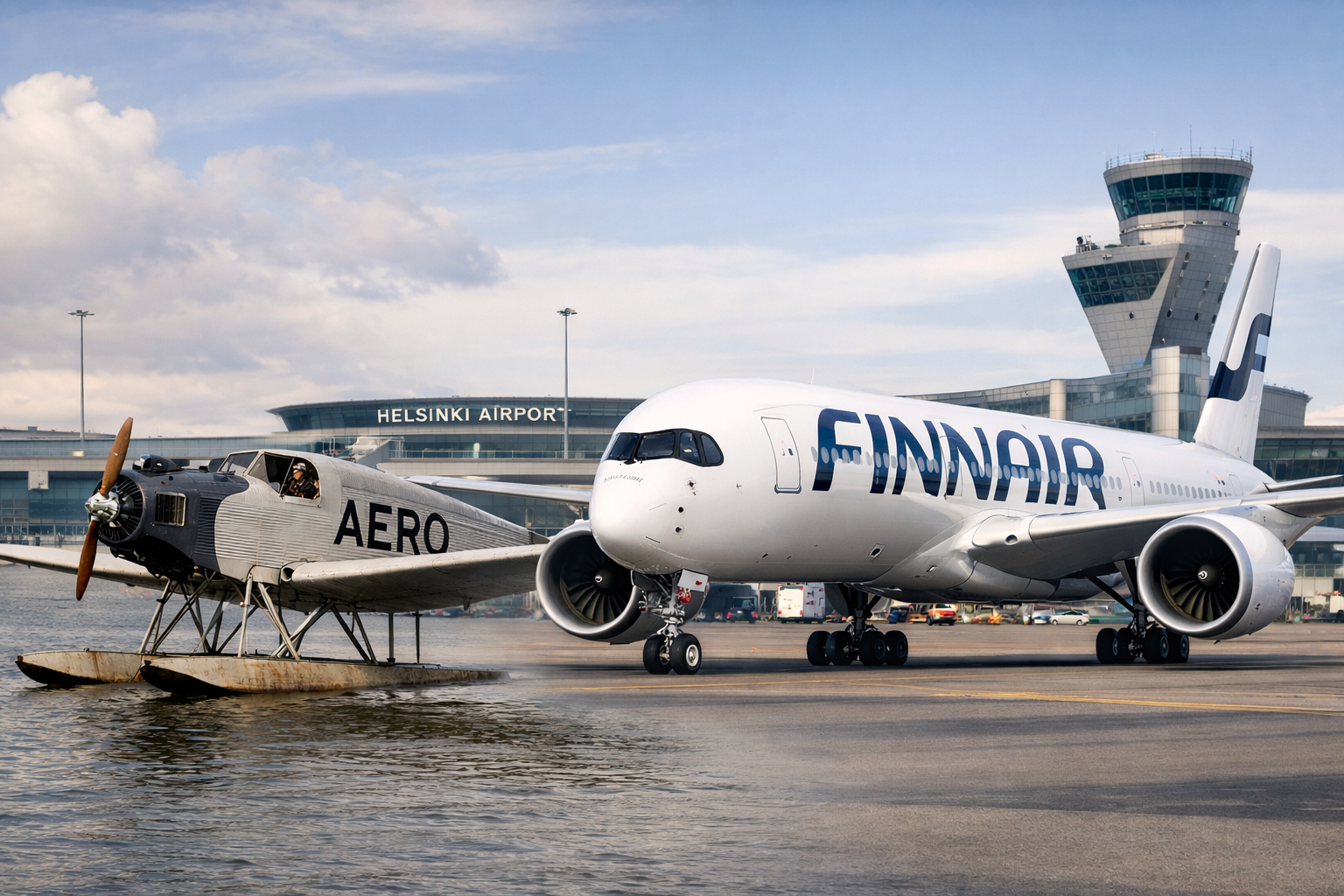
Over the past century, it has evolved from a small Nordic operator flying seaplanes into a modern international carrier connecting Europe, Asia, and North America.
Its story is not merely about aircraft and destinations. It is a story of resilience, strategic thinking, and adaptability in an industry that is constantly changing.
The Early Years: Flying Without Airports
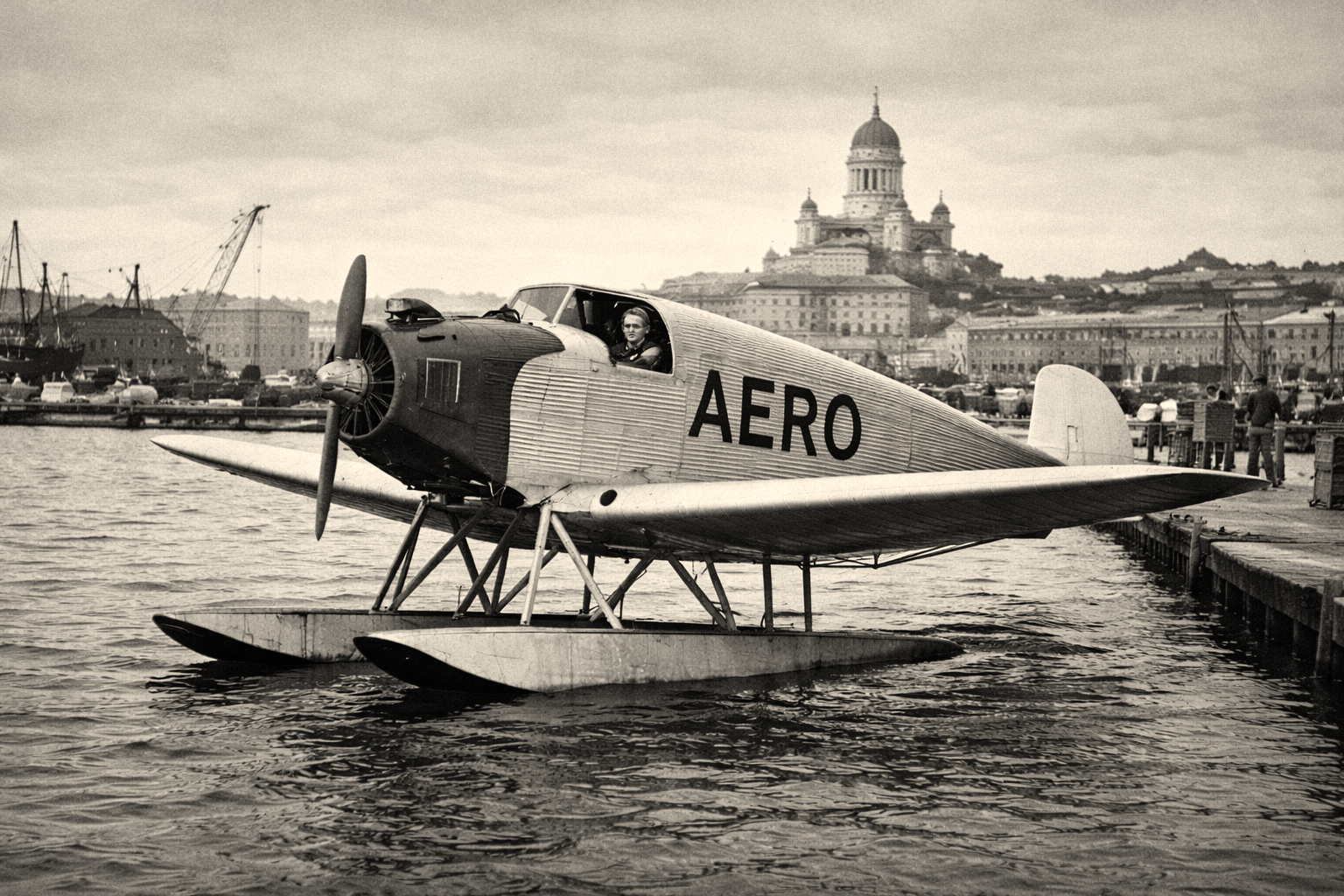
When Finnair was established as Aero O/Y on 1 November 1923, commercial aviation in Finland was still in its early stages.
The airline’s first aircraft, a Junkers F 13, operated as a seaplane because Finland did not yet have proper commercial airfields.
The flights departed from Katajanokka Harbour in Helsinki. The first commercial route connected Helsinki and Tallinn, initially transporting mail before expanding to passenger services. During its first year of operation, Aero carried just 269 passengers.
At that time, aviation was not about convenience. It was about connection in a country defined by long distances and harsh winters.
By 1936, Finland had developed suitable land-based airfields, and seaplane operations ended. The airline transitioned fully to ground operations, marking an important step toward modernization.
Growth Through Challenge
The Winter War and the Continuation War placed civil aviation under military control. Operations were disrupted, and routes were relocated when necessary. Despite these challenges, the airline endured.
In 1946, the Finnish state became the majority shareholder, recognizing aviation as a matter of national importance. The introduction of the Douglas DC-3 aircraft marked the beginning of systematic growth and modernization.
The 1950s and 1960s were transformative decades. In 1960, Finnair entered the jet age with Caravelle aircraft. By 1967, most of its scheduled flights were already operated with jets, an impressive achievement for a relatively small airline at the time.
In 1969, Finnair launched its first flights to New York, marking its entry into long-haul international aviation.
The Strategic Asia Connection
One of the defining elements of Finnair’s identity has been its Asia strategy. In 1976, the airline launched direct flights to Bangkok. In 1983, it introduced non-stop flights to Tokyo via the North Pole, highlighting Finland’s geographic advantage.
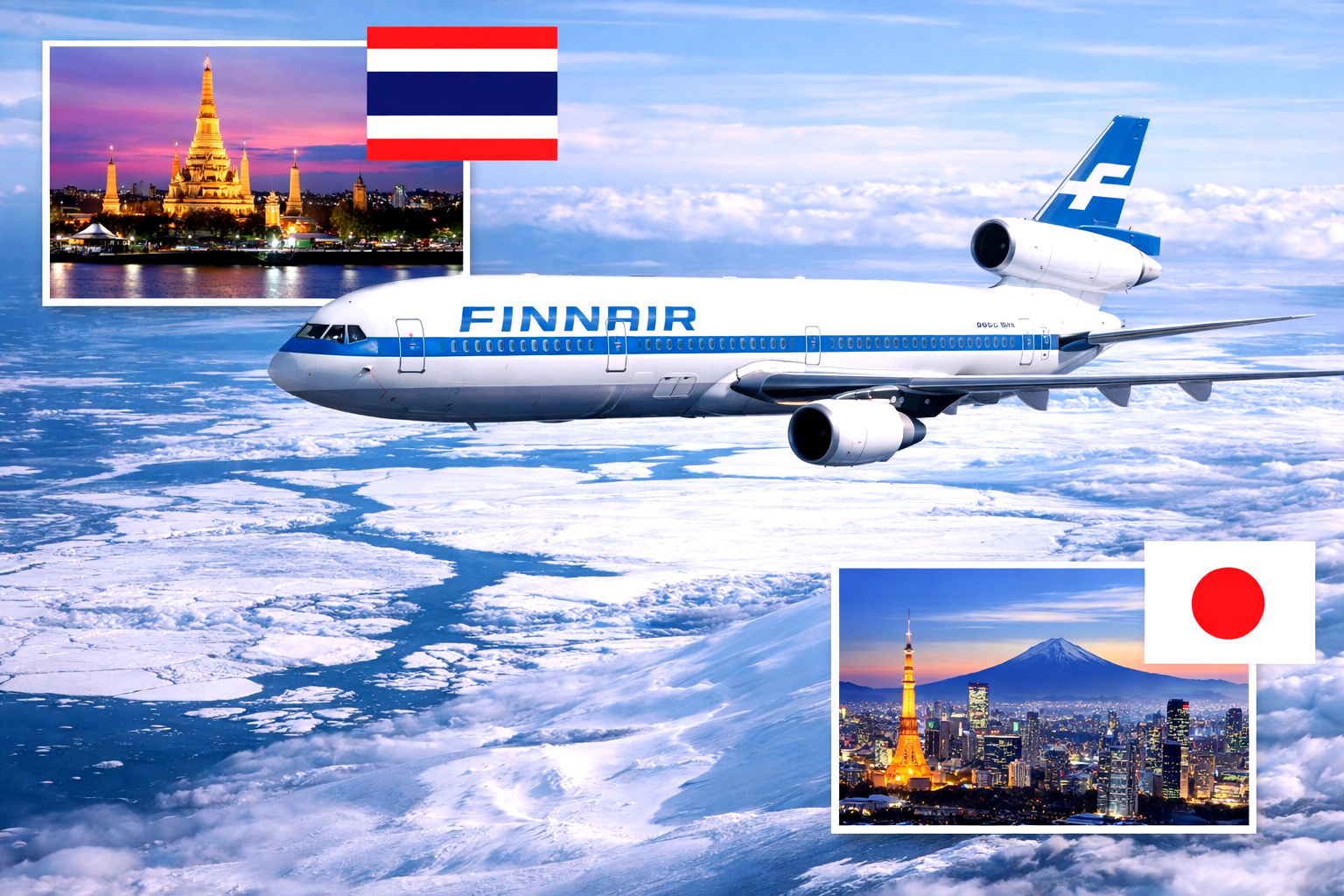
Helsinki lies along one of the shortest great-circle routes between Western Europe and East Asia. Over time, Finnair expanded its Asian network to include cities such as Beijing, Shanghai, Hong Kong, and Osaka.
This strategic positioning transformed Helsinki into a key transfer hub between Europe and Asia, strengthening Finland’s global connectivity.
Modern Fleet and Digital Transformation
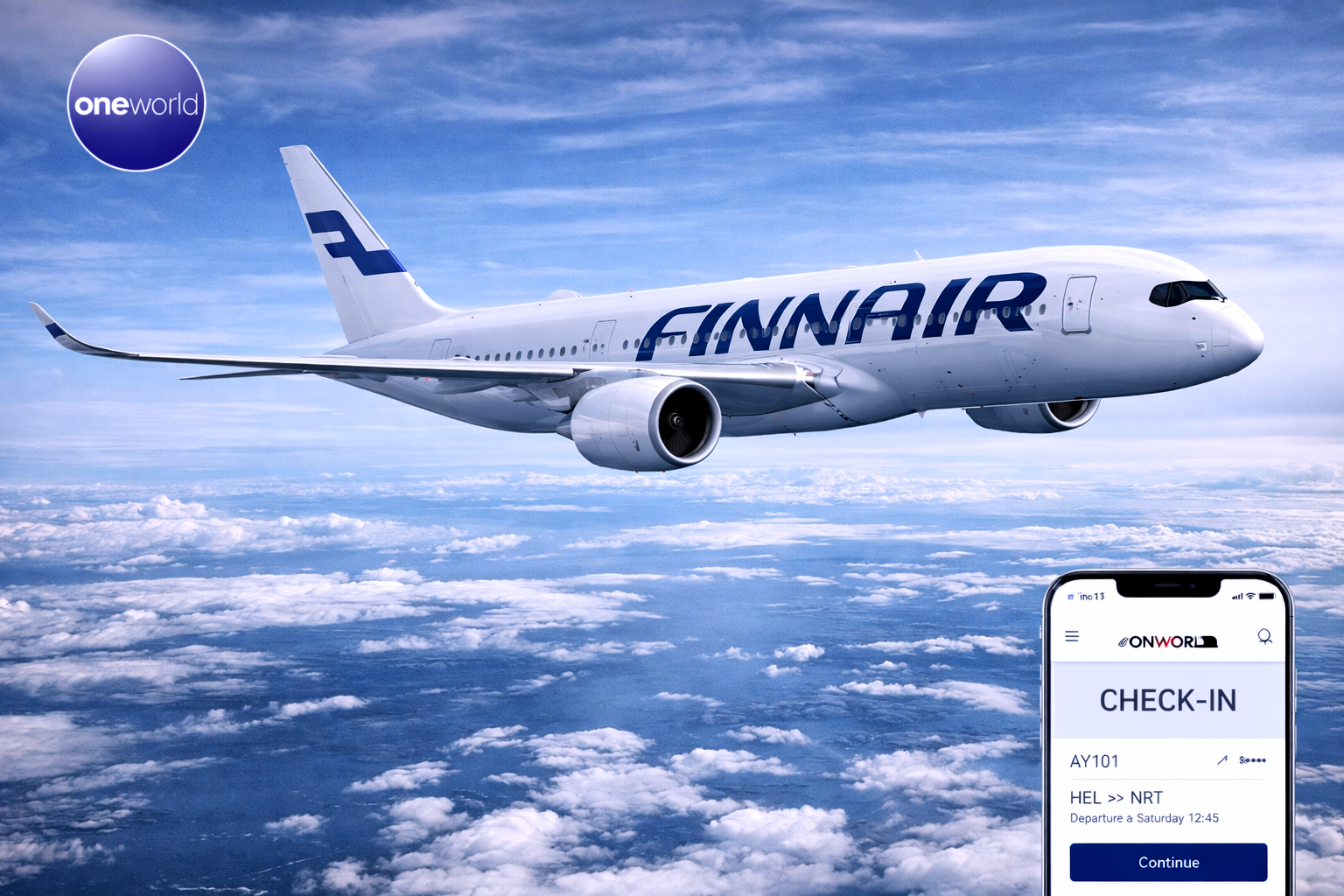
In 1999, Finnair joined the oneworld alliance, enhancing international cooperation and expanding its network reach.
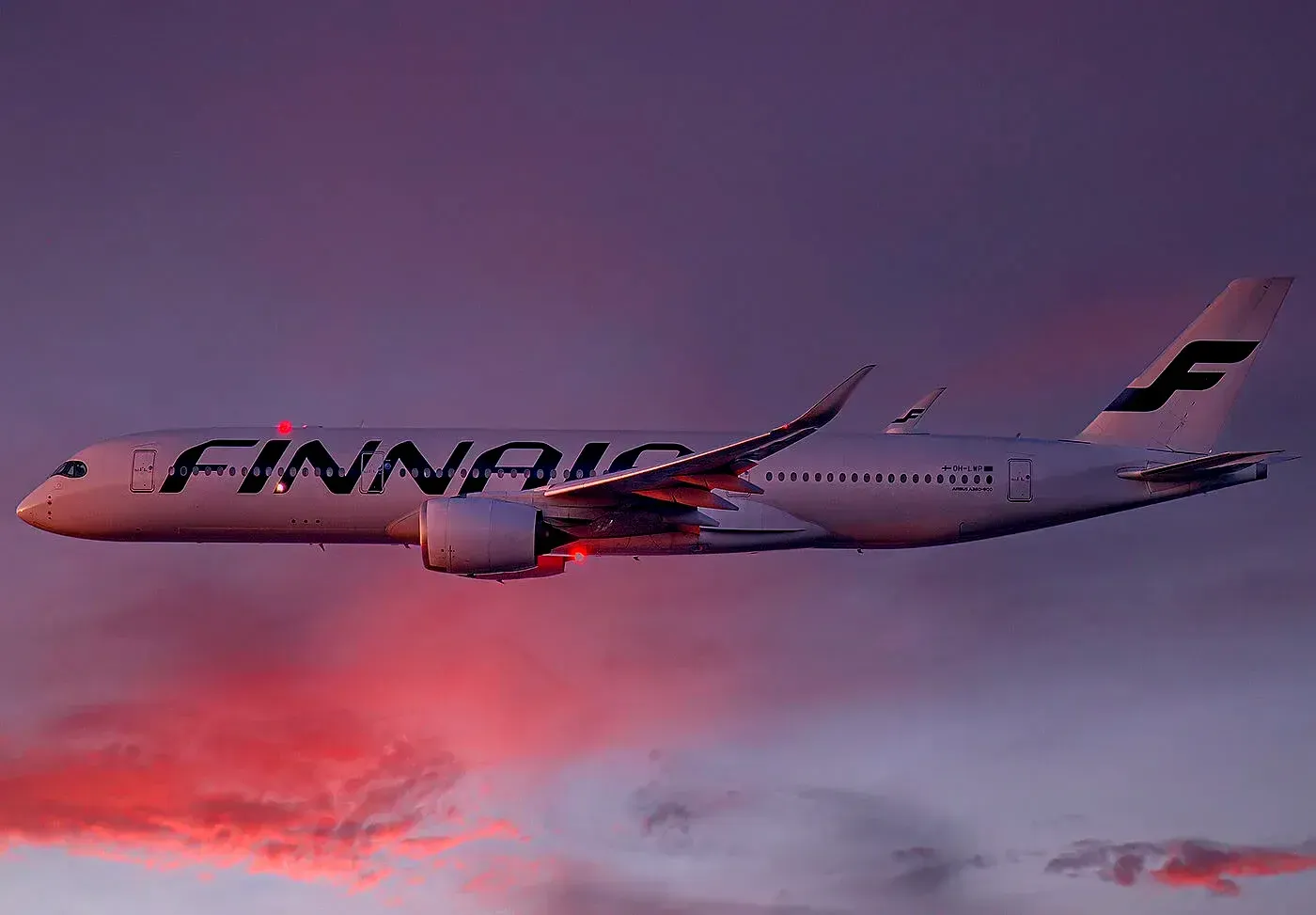
Fleet modernization has remained a continuous priority. In 2015, Finnair became the first European airline to operate the Airbus A350-900, a next-generation aircraft known for fuel efficiency and improved passenger comfort. The A350 continues to play a central role in Finnair’s long-haul operations.
Digital innovation has also shaped the airline’s development. Finnair launched its website in 1995 and introduced online check-in in the early 2000s. Over the years, digital tools, mobile services, and customer loyalty programs have strengthened the passenger experience.
Sustainability and Industry Responsibility
As environmental awareness has increased globally, aviation has faced growing pressure to reduce emissions. Finnair has committed to achieving carbon neutrality by 2045. Fleet renewal, operational efficiency, and the gradual adoption of sustainable aviation fuel are central to this long-term vision.
For a century-old airline, adapting to sustainability expectations represents another important stage in its evolution.
Managing Global Disruptions
Like most airlines, Finnair experienced unprecedented disruption during the COVID-19 pandemic. Operations were drastically reduced, and financial restructuring became necessary.
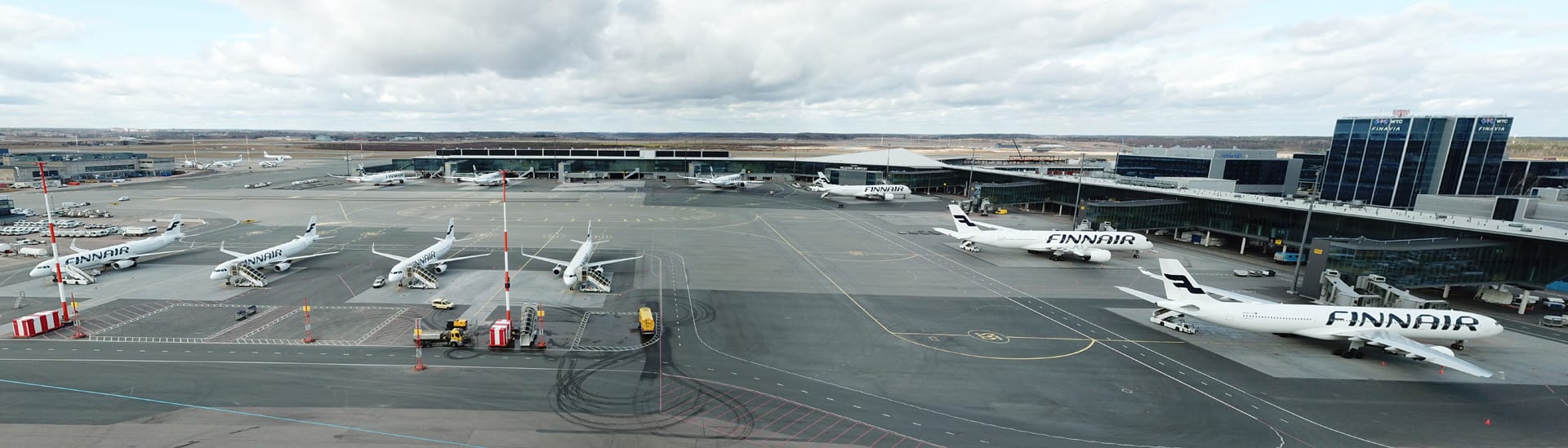
As recovery began, the 2022 closure of Russian airspace created additional operational challenges, particularly for Finnair’s Asia-focused routes. In response, the airline adjusted its network strategy and strengthened services within Europe and North America.
This flexibility demonstrates that aviation is not only about engineering and aircraft performance, it is also about strategic resilience.
A Century of Connection
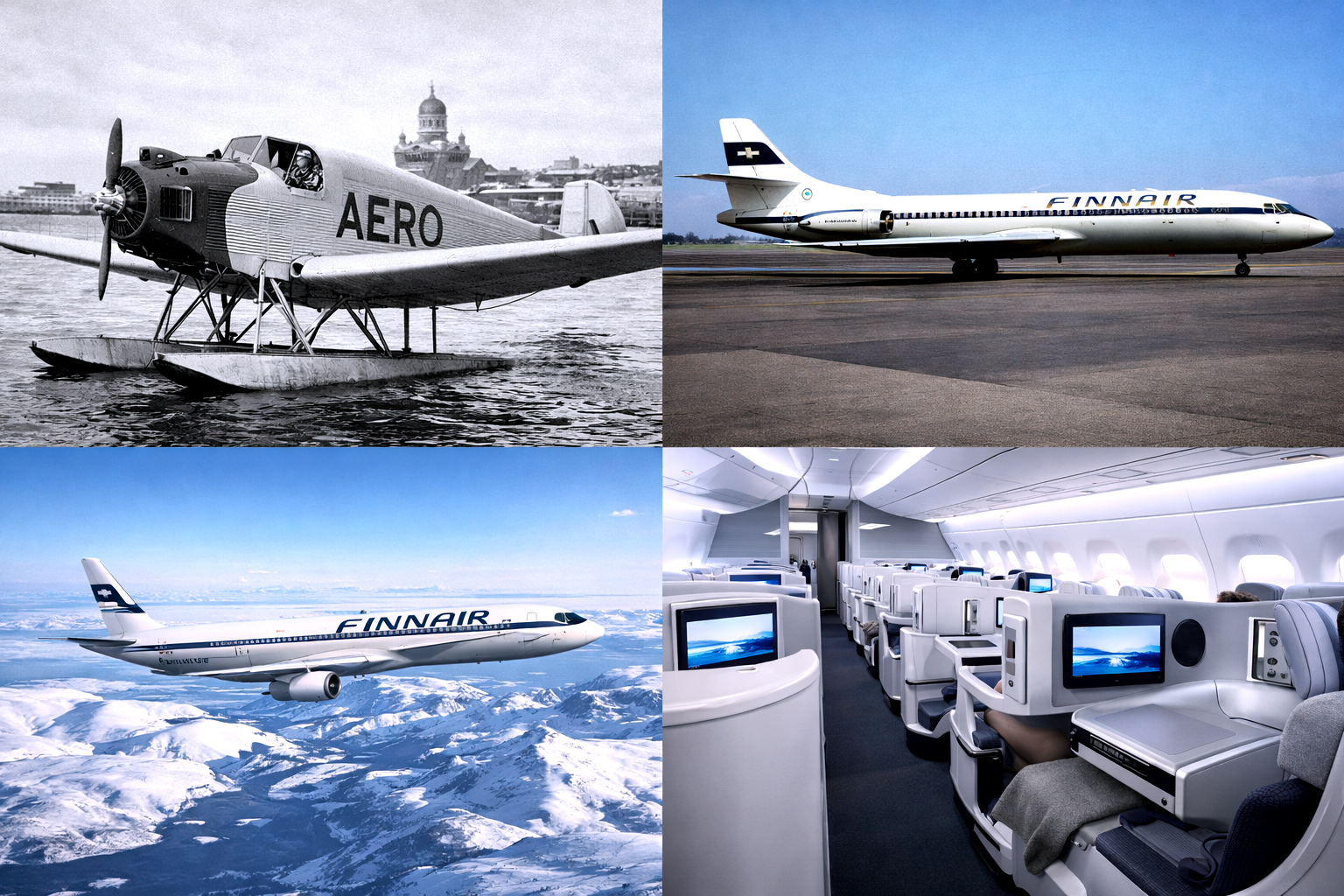
In November 2023, Finnair celebrated 100 years of continuous operations. Few airlines in the world can claim such longevity.
From seaplanes landing on Helsinki’s waterfront in the 1920s to Airbus A350 aircraft flying long-haul routes today, Finnair’s journey reflects the broader evolution of global aviation.
The years following its centenary have not been without challenge. The closure of Russian airspace significantly affected Finnair’s Asia-focused routing strategy, requiring longer flight paths and operational adjustments.
At the same time, the airline has continued strengthening its European and North American networks while maintaining key Asian destinations.
Fleet modernization remains central to Finnair’s strategy, with the Airbus A350 serving as the backbone of its long-haul operations.
Alongside operational adjustments, the airline has continued investing in customer experience, including updated long-haul cabin designs and enhanced premium offerings.
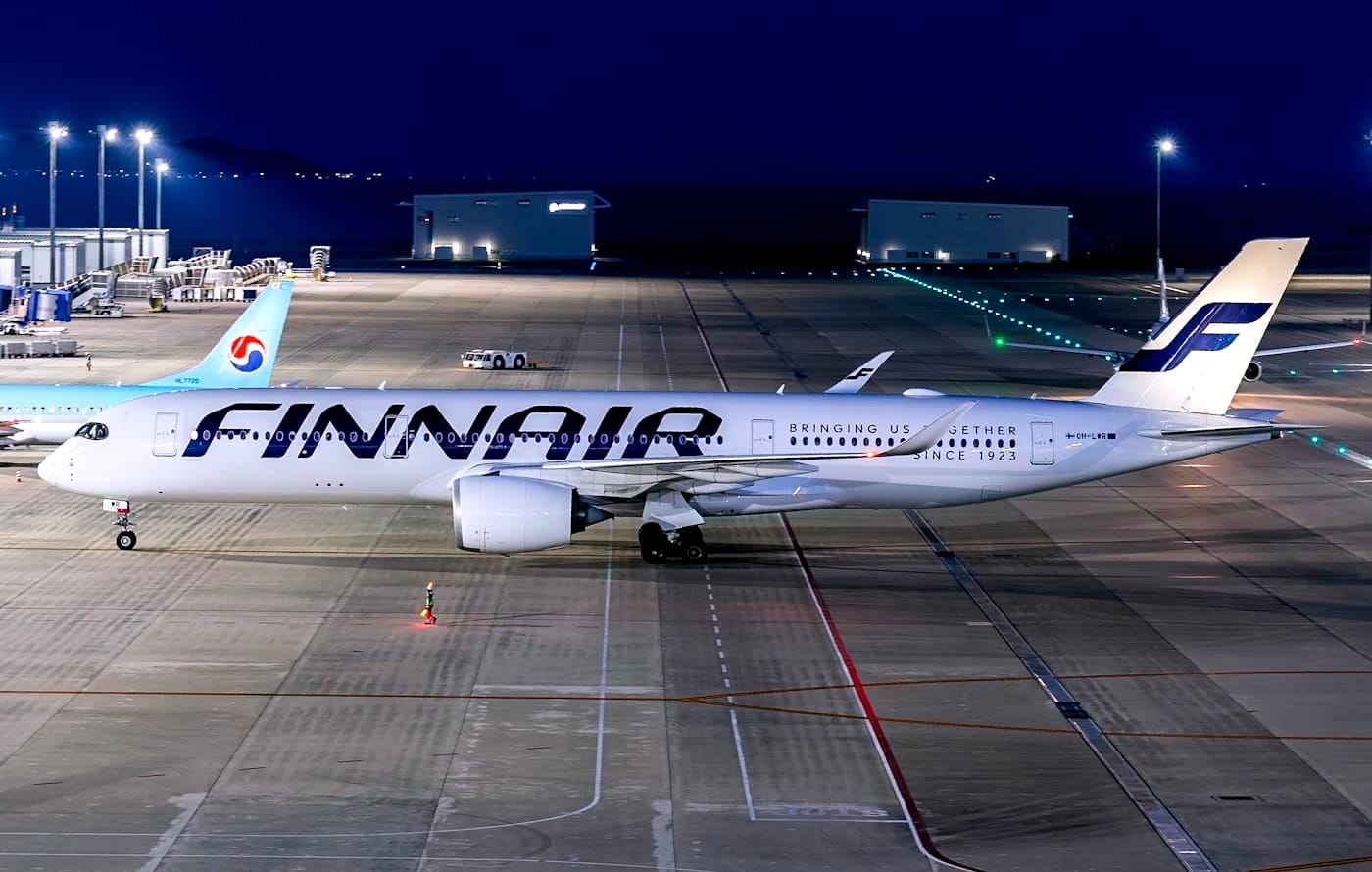
''Sustainability also remains a defining priority. With a long-term target of carbon neutrality by 2045, Finnair continues focusing on fleet efficiency, operational improvements, and sustainable fuel initiatives''
From an aviation perspective, Finnair represents strategic endurance. Aviation is one of the most volatile industries in the world, influenced by economic cycles, fuel prices, technological advancements, global crises, and geopolitical shifts.
Yet Finnair has navigated wars, economic downturns, a global pandemic, and airspace restrictions and continues flying.

As it moves into its second century, Finnair balances tradition with innovation, operational efficiency with environmental responsibility, and national identity with global connectivity.
Longevity in aviation is never accidental. It is built on careful strategy, disciplined management, and the willingness to adapt when circumstances demand change. Finnair’s first hundred years demonstrate that resilience in the skies comes not from standing still, but from evolving with purpose.