Women in Aviation: Breaking Barriers and Shaping the Future of Global Aviation
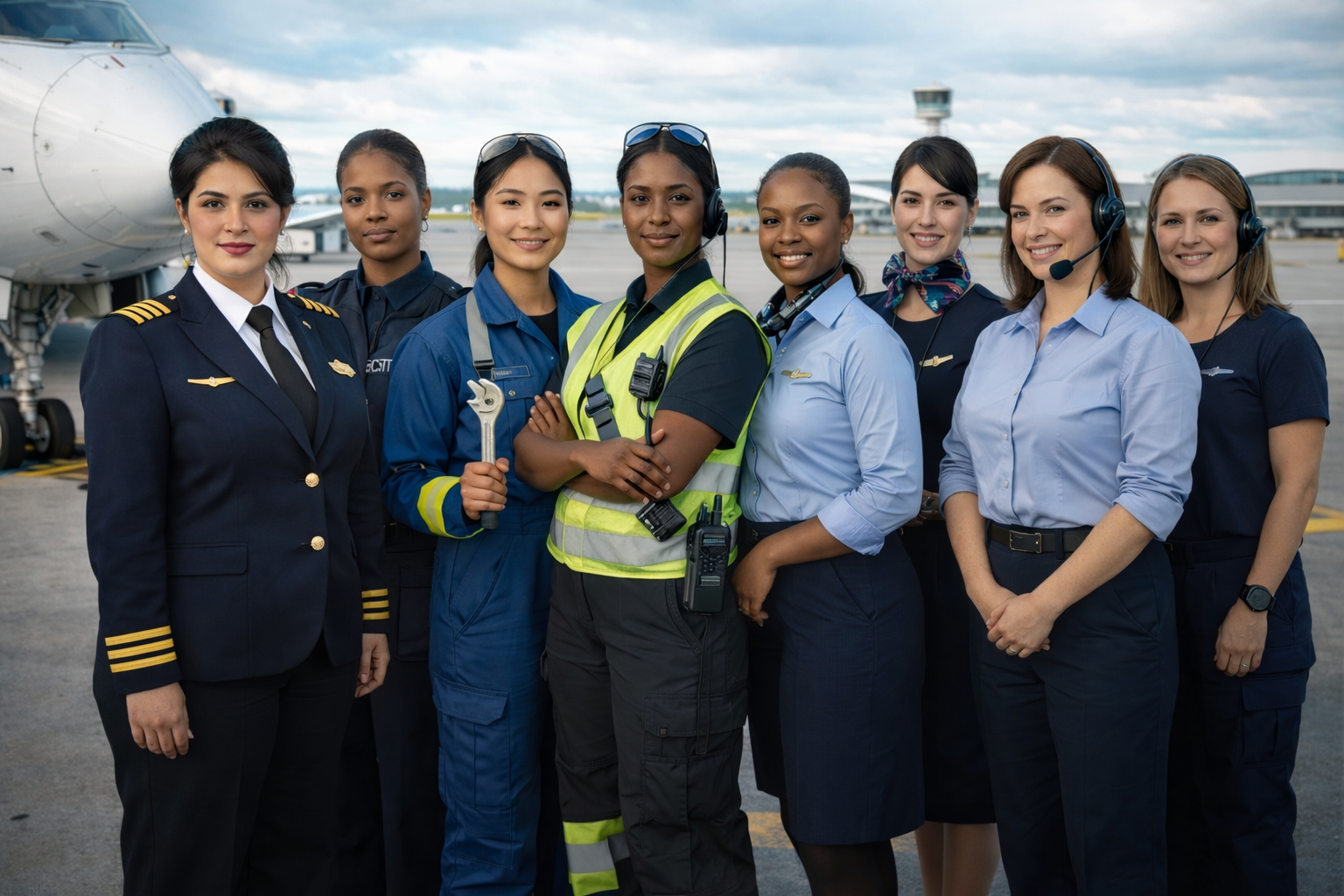
Behind every successful flight is a coordinated team ensuring safety and efficiency: pilots, aircraft engineers, aviation technicians, air traffic controllers, airport operations staff, airline ground handlers, safety specialists, and aviation managers.

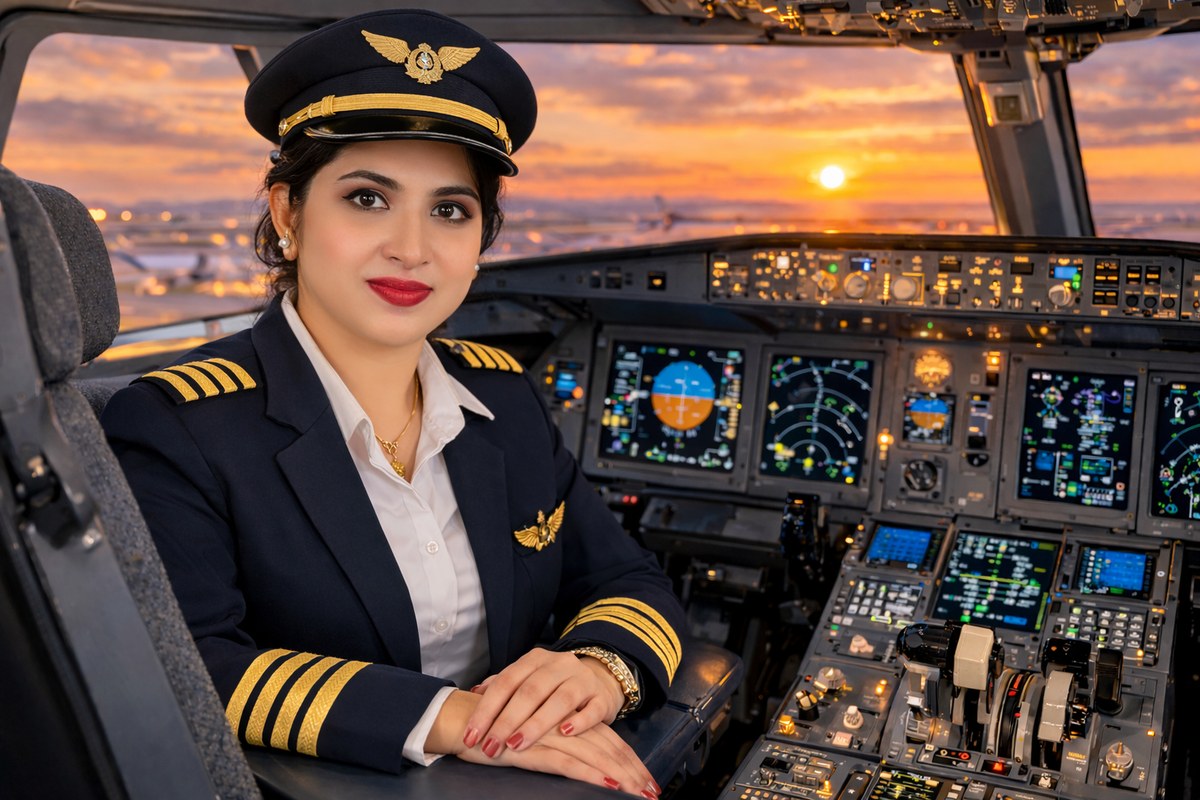
Aviation is one of the most efficient and globally connected industries in the modern world. It plays a crucial role in enabling international travel, facilitating global trade, and connecting economies across continents. Every day, thousands of aircraft operate across international airspace carrying millions of passengers and large volumes of cargo that support global mobility and economic development.
Behind every successful flight is a highly coordinated network of professionals working together to ensure safety, efficiency, and reliability. These professionals include pilots, aircraft engineers, aviation technicians, air traffic controllers, airport operations staff, airline ground handlers, safety specialists, and aviation managers. For many decades, most of these roles were dominated by men due to historical and social barriers within technical and operational industries.
However, over time women have gradually entered the aviation sector and demonstrated their capabilities across many different aviation professions. Today women contribute significantly not only as airline pilots but also as aircraft maintenance engineers, aviation technicians, airport operations specialists, airline ground staff, air traffic controllers, aviation managers, aerospace engineers, and military aviators.
Their increasing participation is helping transform the aviation industry and create a more diverse and inclusive workforce. Despite these positive developments, women are still underrepresented in many aviation professions. Increasing female participation is therefore essential for the long-term growth and sustainability of the global aviation industry.
On International Women’s Day, it is important to recognize the achievements of women in aviation and encourage more women and young girls to pursue careers in this exciting field.
Women in Aviation: Global Statistics
The representation of women in aviation has increased over the past several decades, yet the gender gap in many areas of the industry remains significant.
According to international aviation industry reports:
- Women represent approximately 5–6% of commercial airline pilots worldwide.
- Around 9–10% of licensed pilots globally are women, including private pilots, commercial pilots, and student pilots.
- Women account for roughly 20–21% of air traffic controllers worldwide.
- Women represent only 3–4% of aircraft maintenance engineers globally.
- Less than 6% of airline CEOs worldwide are women.
At the same time, global aviation demand continues to grow rapidly. According to the Boeing Commercial Market Outlook, the aviation industry will require more than 600,000 new pilots and hundreds of thousands of maintenance technicians by 2040 to meet increasing global travel demand.
Encouraging more women to pursue careers in aviation can help address this growing demand for skilled aviation professionals.
Women Airline Pilots and Captains
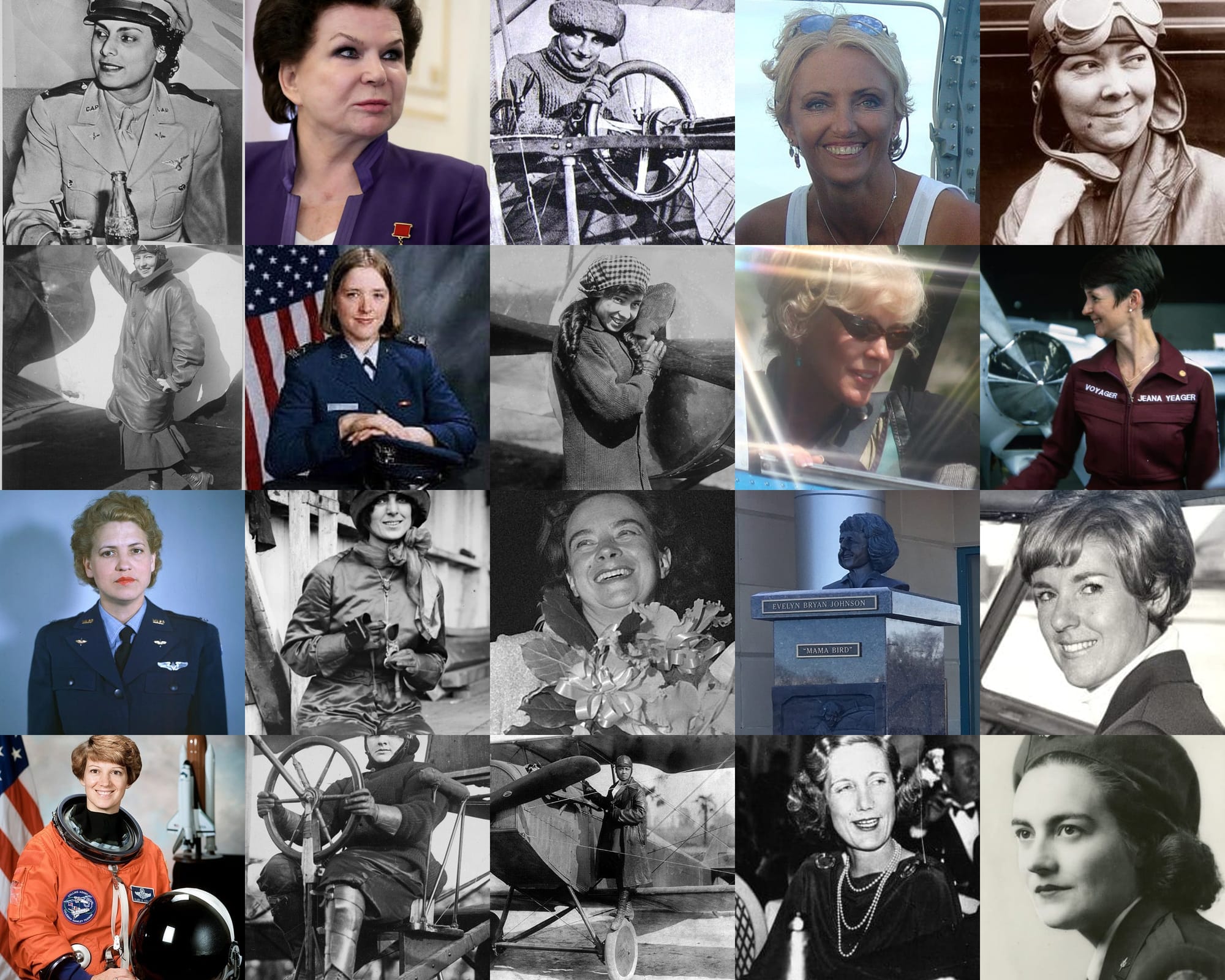
Women have achieved remarkable milestones in commercial aviation.
One of the earliest pioneers in aviation was Amelia Earhart, who became the first woman to fly solo across the Atlantic Ocean in 1932. Her achievements inspired generations of women around the world to pursue aviation careers.
Another important milestone occurred in 1984 when Beverly Burns became the first woman to command a Boeing 747 aircraft. This achievement demonstrated that women were capable of leading complex long-haul flight operations on some of the largest aircraft in the world.
Today, women serve as airline captains and first officers in major airlines across the globe. They operate some of the most advanced aircraft currently in service, including:
- Airbus A320
- Airbus A350
- Boeing 787 Dreamliner
- Boeing 777
A modern example of female leadership in aviation is Captain Zoya Agarwal, who commanded a historic long-distance flight over the North Pole with an all-women crew.
Despite this progress, female pilots still represent a relatively small percentage of the global pilot workforce.
Women in Air Traffic Control
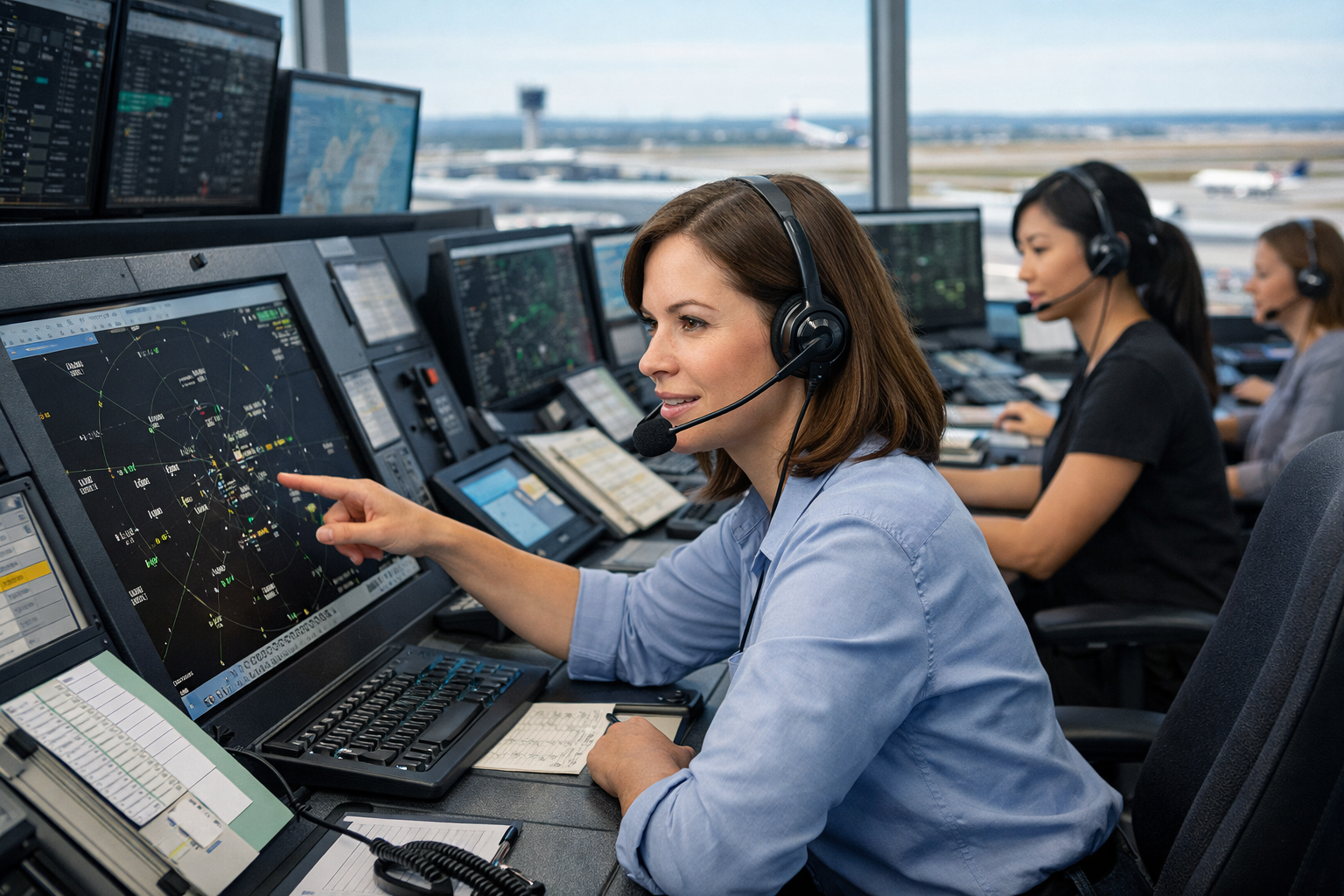
Air traffic controllers play one of the most critical roles in aviation safety. They are responsible for managing aircraft movements in both the air and on the ground while maintaining safe distances between aircraft.
This profession requires a high level of concentration, situational awareness, and excellent communication skills.
Globally, women represent approximately 20% of the air traffic control workforce, making it one of the aviation sectors where female representation is relatively higher compared to pilot and engineering roles.
Female air traffic controllers work in control towers and air navigation centers around the world, managing busy international airspace and coordinating hundreds of flights every day.
Their work is essential in maintaining the safety and efficiency of global aviation operations.
Women in Aviation Engineering and Maintenance
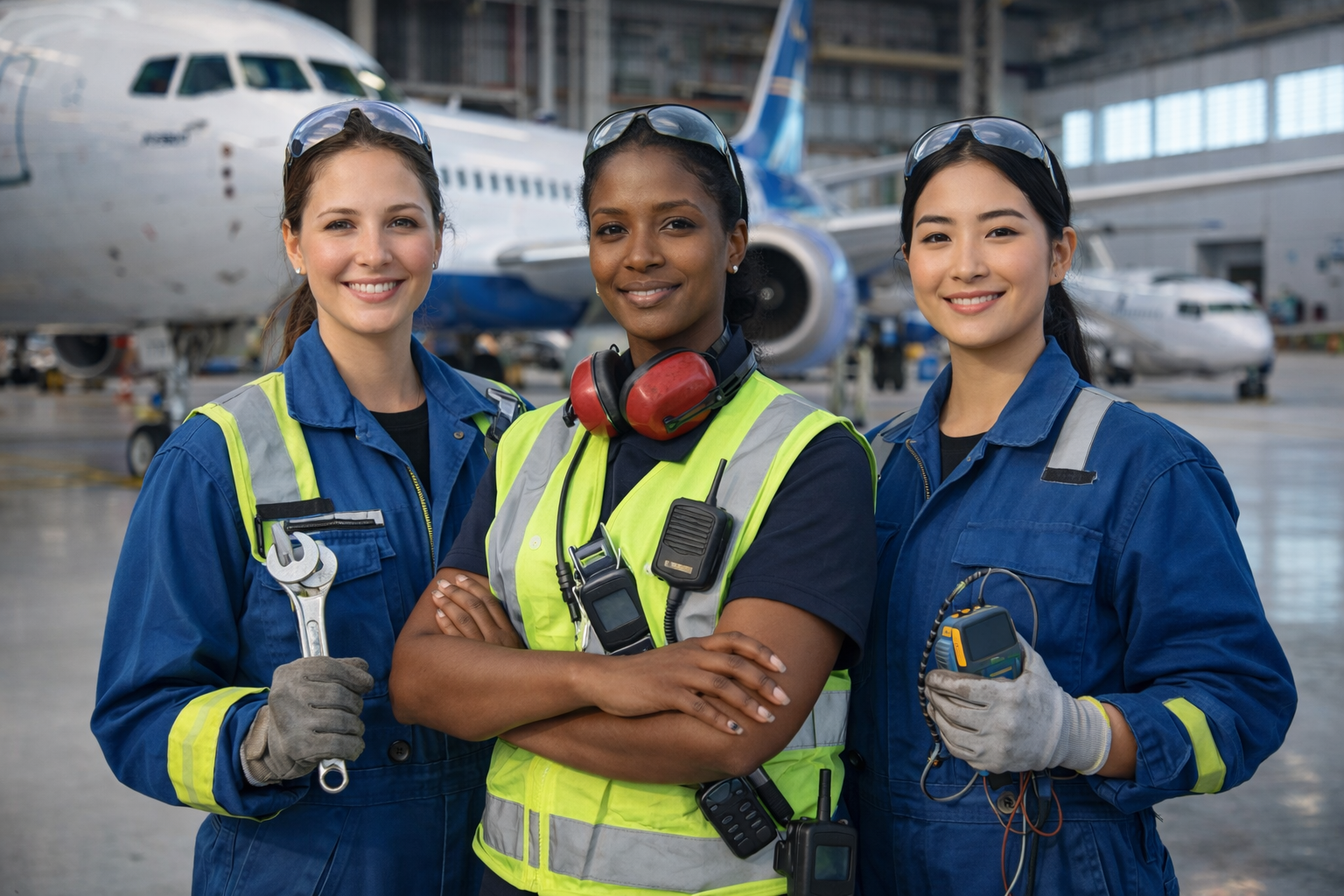
Aircraft maintenance engineers and aviation technicians play a vital role in ensuring aircraft safety and reliability. Their responsibilities include inspecting aircraft systems, repairing components, and performing routine maintenance checks.
Despite the importance of this profession, women represent only around 3–4% of aircraft maintenance engineers worldwide.
However, the number of women enrolling in aviation engineering and aircraft maintenance programs has been steadily increasing in recent years.
Women working as aviation technicians, aerospace engineers, and aircraft mechanics play a significant role in ensuring aircraft remain safe and reliable for flight operations.
Women in Airline Ground Operations
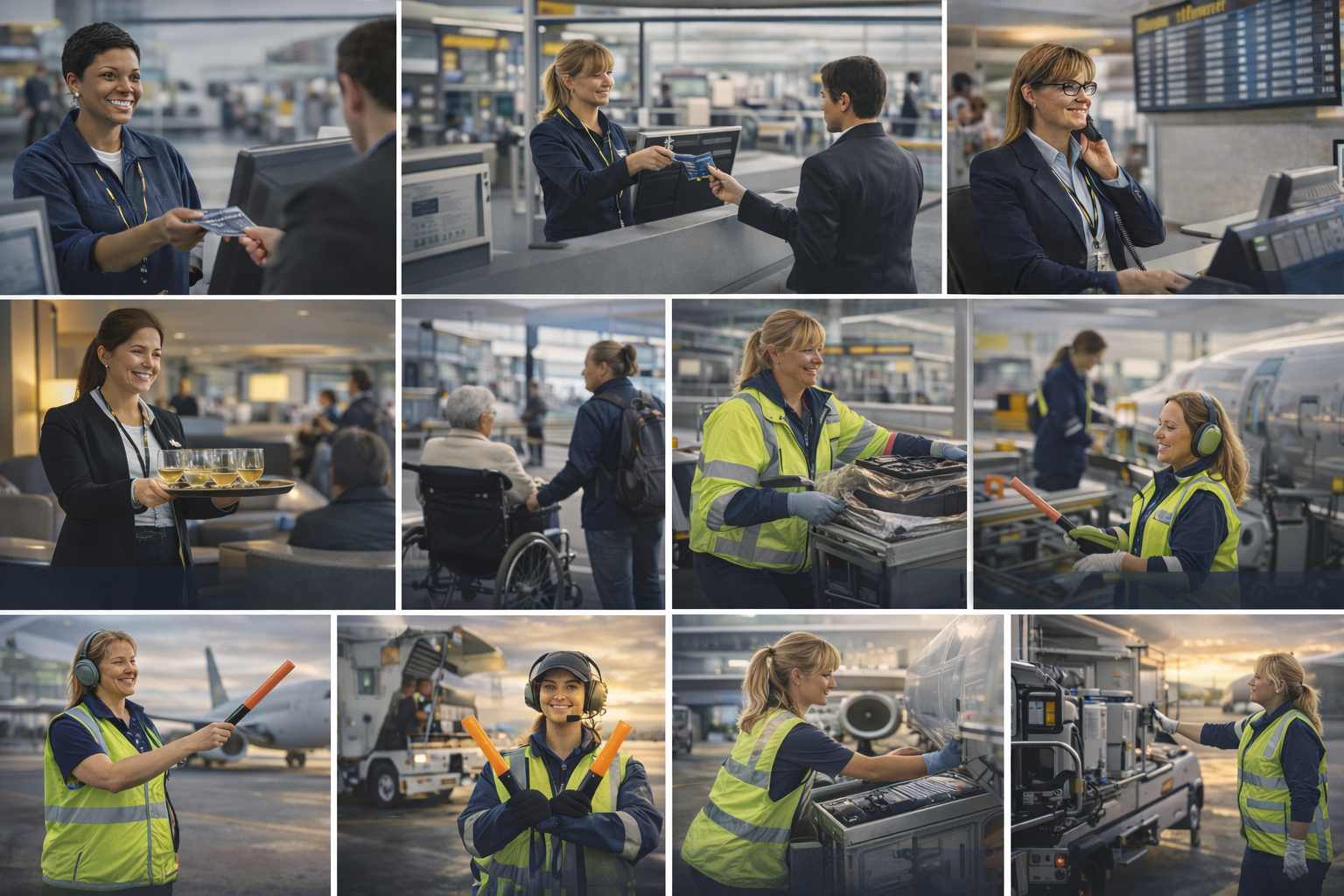
Airline ground operations are a crucial component of aviation. Ground staff perform a wide range of tasks that ensure flights operate safely and efficiently.
These roles include:
- Aircraft marshalling and ramp operations
- Passenger check-in and boarding assistance
- Cargo handling and logistics
- Aircraft dispatch coordination
- Airport operations control
Women are increasingly joining airline ground handling teams and airport operations departments worldwide. These roles require strong communication skills, coordination abilities, and operational knowledge.
Women working in ground operations play an important role in ensuring that aircraft departures and arrivals run smoothly and safely.
Women Fighter Pilots in Military Aviation
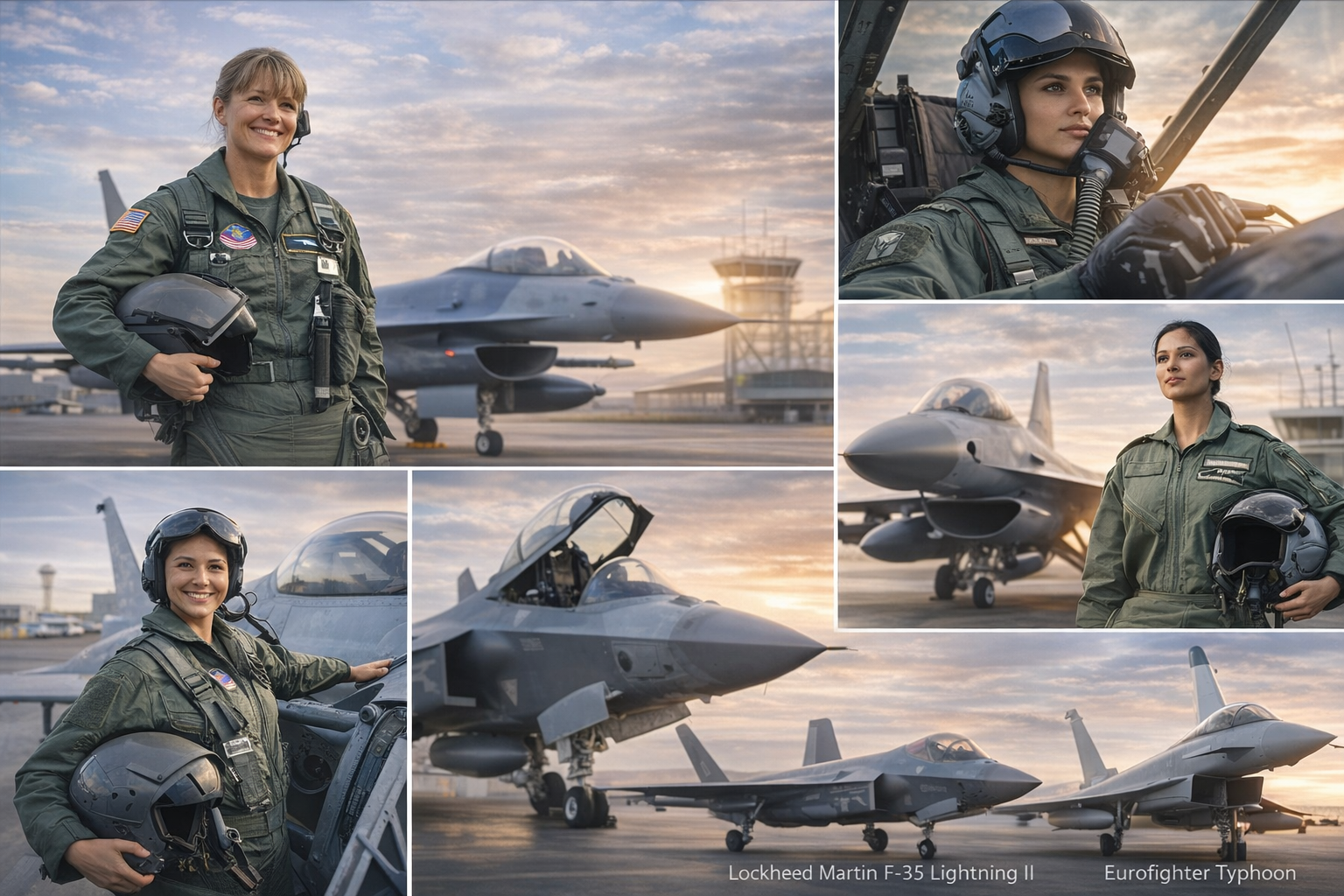
Military aviation represents one of the most challenging sectors within aviation. Fighter pilots must operate high-performance aircraft and carry out complex missions that require exceptional skill and discipline.
For many years, women were excluded from combat aviation roles. However, this situation has gradually changed in many countries.
In 1993, Jeannie Leavitt became the first female fighter pilot in the United States Air Force.
Similarly, Avani Chaturvedi became one of the first female fighter pilots in the Indian Air Force and successfully flew the MiG-21 fighter aircraft.
Today, female fighter pilots operate advanced combat aircraft such as:
- F-16 Fighting Falcon
- Lockheed Martin F-35 Lightning II
- Eurofighter Typhoon
These achievements demonstrate that women can succeed in even the most demanding aviation environments.
Finland’s Contribution to Women in Aviation
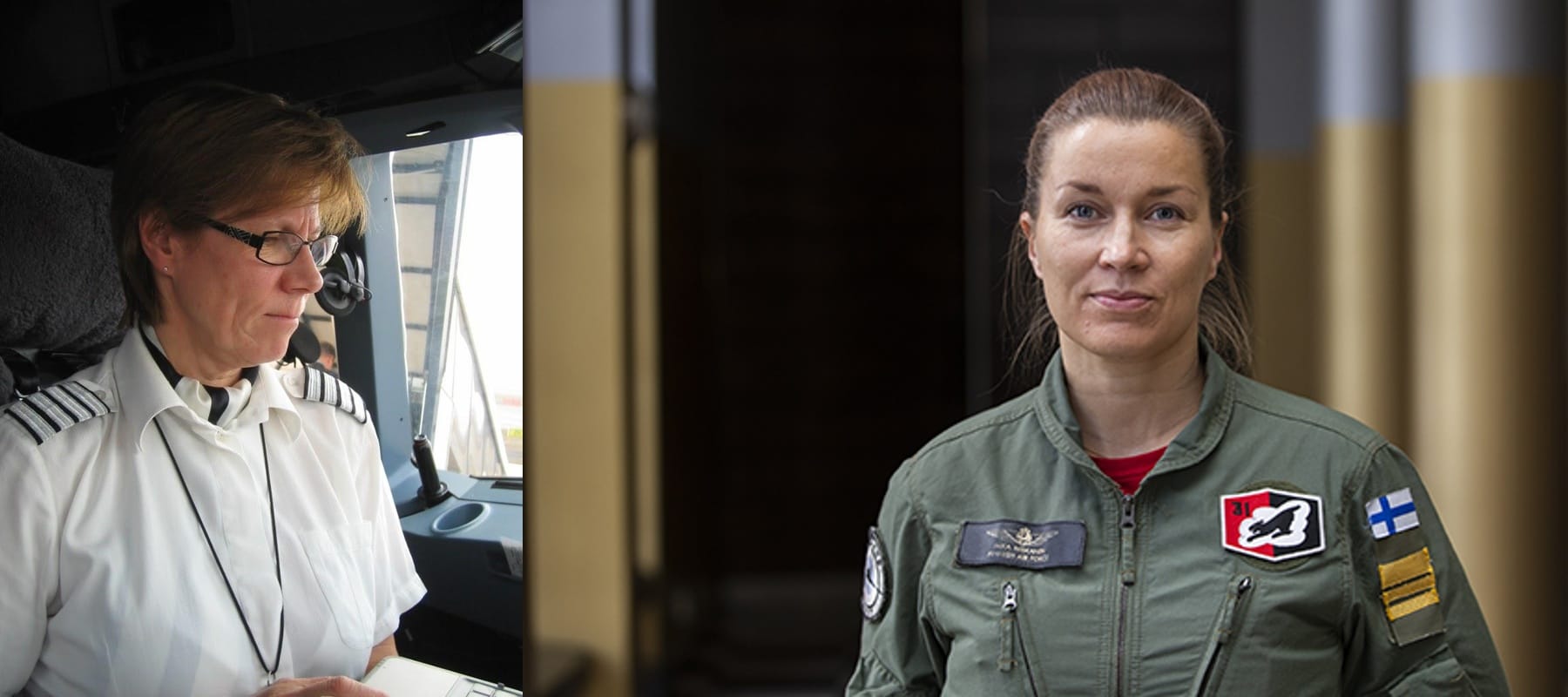
Finland has made significant progress in promoting gender equality across many professional sectors, including aviation.
One of the early pioneers in Finnish aviation was Kirsi Arvila, who joined Finnair as a co-pilot in 1983 and later flew aircraft such as the DC-9 and Airbus A320.
Finland has also achieved progress in military aviation. Inka Niskanen became one of the first female fighter pilots in the Finnish Air Force, flying the F/A-18 Hornet fighter aircraft.
Today, women in Finland work across many aviation professions including airline pilots, engineers, air traffic controllers, airport operations specialists, and aviation safety professionals.
Finland’s strong commitment to gender equality has helped create opportunities for women to build successful careers in aviation.
Why More Women Are Needed in Aviation
The aviation industry is expanding rapidly and requires a highly skilled workforce to support its future growth. Encouraging more women to pursue aviation careers offers several important benefits.
Workforce Expansion
The aviation industry needs more trained professionals to support the growing demand for global air travel.
Innovation and Diversity
Diverse teams bring different perspectives and innovative solutions to operational challenges.
Inspiring Future Generations
When young girls see successful female aviation professionals, they are more likely to pursue careers in aviation and STEM fields.
Inspiring the Next Generation
Several organizations around the world are working to encourage more women to enter aviation careers.
Organizations such as Women in Aviation International provide scholarships, mentorship programs, and networking opportunities for women pursuing aviation careers.
Events such as Women of Aviation Worldwide Week, held around International Women’s Day, encourage young girls to explore aviation careers and highlight the achievements of women in aviation.
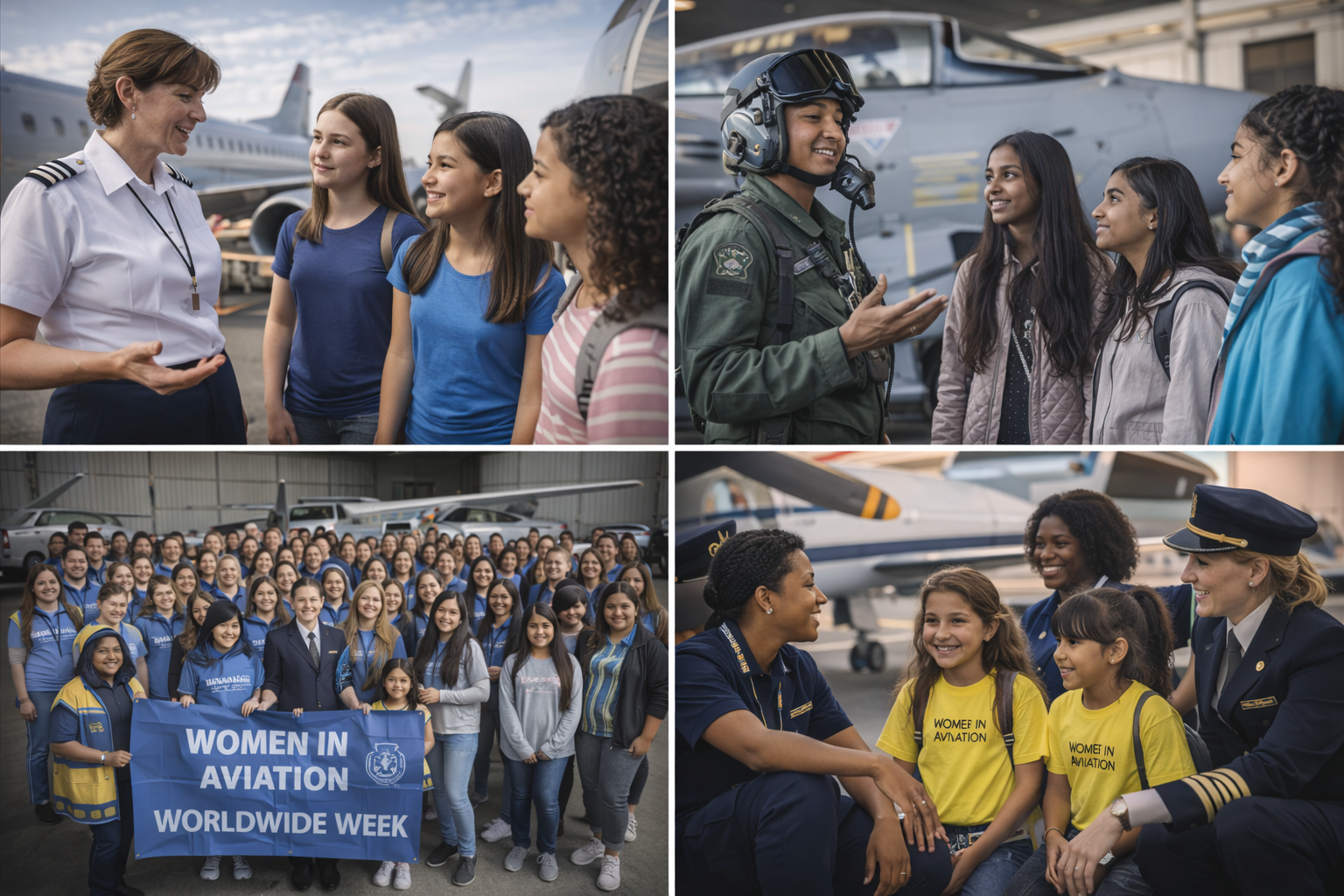
Educational institutions, aviation academies, and airlines also play an important role in supporting female aviation students and professionals.
Conclusion
Women have made significant contributions to the aviation industry over the past century. From early pioneers to modern airline captains, aviation engineers, technicians, and fighter pilots, women are increasingly shaping the future of global aviation.
However, female representation in aviation remains relatively low in many areas of the industry. Increasing the participation of women across all aviation professions will strengthen the aviation workforce, improve diversity, and help meet the growing global demand for skilled aviation professionals.
On International Women’s Day, recognizing and celebrating the achievements of women in aviation is an important step toward building a more inclusive industry. Encouraging more women to pursue aviation careers today will help create a stronger, more innovative, and more diverse aviation industry for the future.