Who was Ayatollah Ali Khamenei
Khamenei began his path toward religious scholarship at a young age. A lover of poetry and literature, he entered the clerical path at 11. He pursued theological studies first in Mashhad and later in Qom, the center of Shia religious learning in Iran.

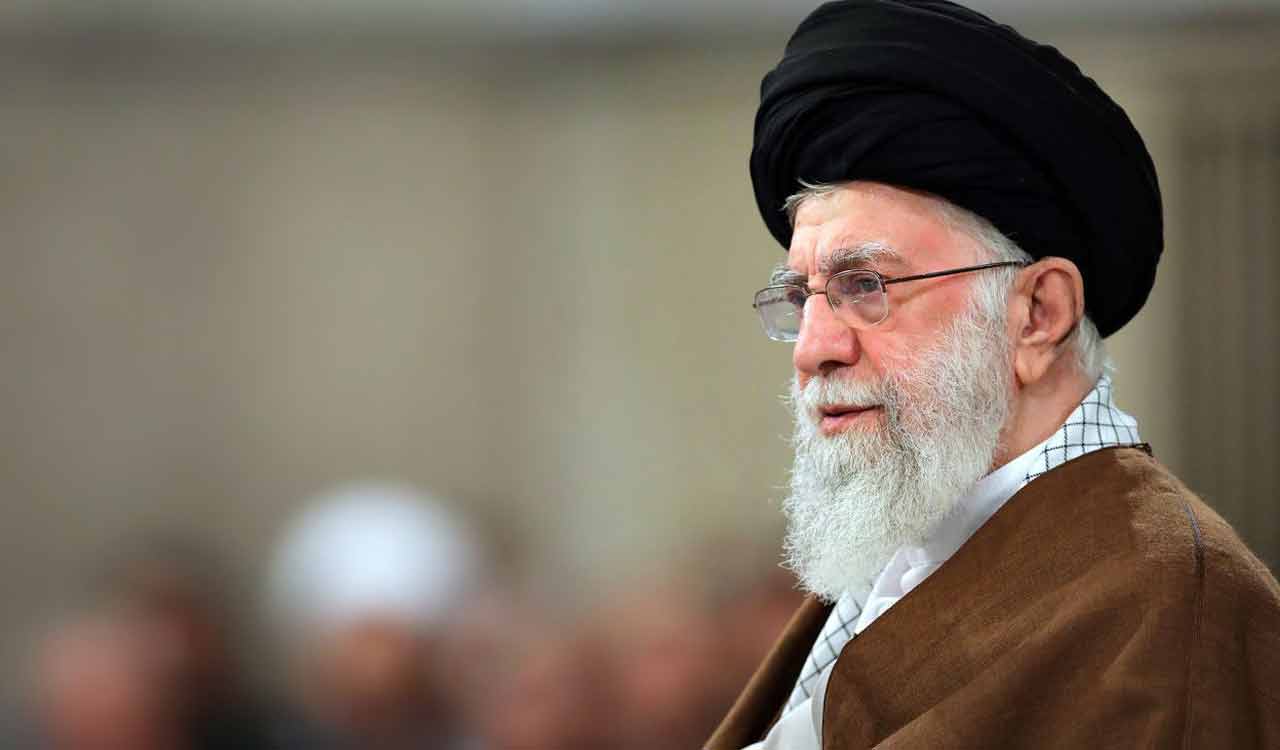
Ali Hosseini Khamenei was born in the northeastern Iranian holy city of Mashhad, the country’s second most populous city and home to the Imam Reza Shrine, a renowned site visited by millions of religious pilgrims each year. He was the second son among eight children born to a clerical father of Azeri descent.
The family lived modestly, and Khamenei later spoke with pride about his humble upbringing. He described growing up in a small house with only one room and a dark basement, where the family sometimes had nothing for supper except bread and raisins. Despite poverty, the household valued education and faith. He described his mother as highly knowledgeable in religion, history, literature, and poetry, and deeply committed to educating her children. He credited his close family environment and their shared love for Islam and literature with shaping his early worldview.
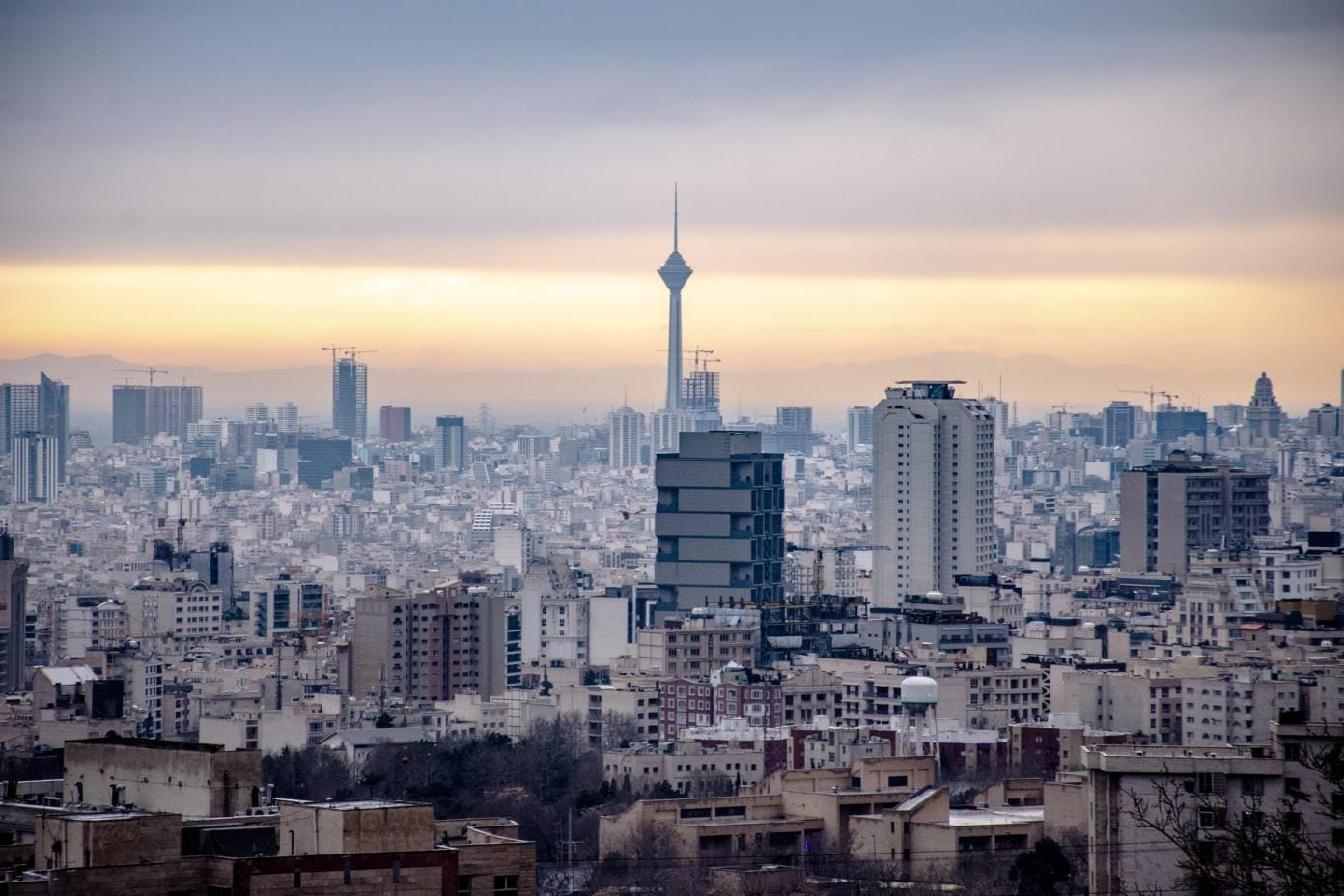
Khamenei began his path toward religious scholarship at a young age. A lover of poetry and literature, he entered the clerical path at 11. He pursued theological studies first in Mashhad and later in Qom, the center of Shia religious learning in Iran. Between 1958 and 1964, he continued advanced studies under prominent scholars such as Ayatollah Borujerdi, Imam Khomeini, Ayatollah Haeri Yazdi, and Allamah Tabatabai. During this period, he came under the influence of Ruhollah Khomeini, a relationship that would shape his future political and religious life.
Resistance, Arrests, and the Road to Revolution
Khamenei became involved in religious and political opposition to Shah Mohammad Reza Pahlavi. His activism led to repeated arrests and periods of exile before the 1979 Islamic Revolution. The Shah’s intelligence agency, SAVAK, monitored him closely. On one occasion, he was arrested and flown to Tehran, where he spent two months in solitary confinement and was subjected to torture.
Even after his release, he continued underground activities, holding religious classes and delivering speeches that attracted young Iranians to revolutionary ideas. In the winter of 1976, he was arrested again and sentenced to three years of exile. This period ended in late 1978 as the revolution gained momentum. He returned to Mashhad shortly before the Islamic Revolution succeeded in February 1979.
In total, Khamenei was arrested six times and exiled once under the Shah’s regime. Each imprisonment strengthened his resolve. By the time the monarchy collapsed, he had established himself as a committed revolutionary figure.
Rise Within the Islamic Republic
After the revolution, Khamenei quickly rose through the ranks of the new Islamic Republic. He joined the Revolutionary Council, served as deputy minister of defence, and acted as Khomeini’s representative on the Supreme Defence Council. He also helped organize the Islamic Revolutionary Guard Corps, which later became one of the most powerful institutions in Iran.
In 1981, he survived an assassination attempt that left his right arm permanently paralyzed. Despite this injury, he remained active in leadership. That same year, following assassinations of senior officials, he was elected President of Iran.
Khamenei served two terms as president from 1981 to 1989. His presidency coincided with the Iran-Iraq War, an eight-year conflict that deeply affected the country. During this time, he played a significant role in wartime leadership and governance, strengthening his position within the ruling establishment.
Becoming Supreme Leader
The death of Ayatollah Khomeini in June 1989 created uncertainty over succession. Khamenei’s appointment as Supreme Leader surprised many observers. At the time, he was considered a mid-ranking cleric and did not hold the highest religious rank required under the constitution. The constitution was amended to allow his selection.
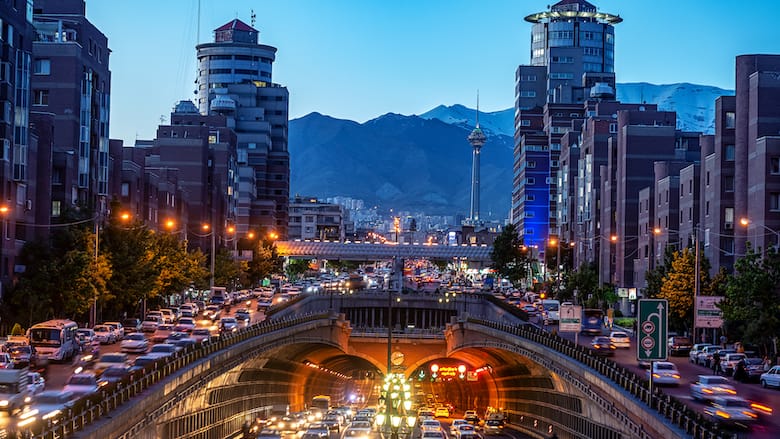
With the backing of influential allies, including Ali Akbar Hashemi Rafsanjani, he was appointed Supreme Leader. Some initially believed he would be a weak figure. However, over time, he consolidated authority and proved to be a central power in Iran’s political system.
As Supreme Leader, he gained control over the armed forces, judiciary, state media, and major policy directions. He strengthened the role of the Islamic Revolutionary Guard Corps, expanding its influence in military, political, and economic spheres.
Foreign Policy and Regional Strategy
Khamenei’s foreign policy emphasized opposition to the United States and Israel while promoting Iranian influence across the Middle East. He supported regional allies such as Hezbollah and other groups aligned with Tehran.
Under his leadership, Iran became a key supporter of what was known as the Axis of Resistance. Iran provided backing in conflicts including the Syrian civil war, the war in Iraq, the Yemeni civil war, and the Gaza conflict. Iran also strengthened ties with Russia during the Russo-Ukrainian war.
Khamenei consistently maintained that Iran’s nuclear program was peaceful, despite international sanctions and pressure. He framed Iran’s regional strategy as a defensive shield intended to prevent foreign aggression.
Domestic Rule and Human Rights
Domestically, Khamenei’s rule was marked by strict political control. Opposition movements and protests were met with security crackdowns. Major protest waves occurred in 1999, 2009, 2011 to 2012, 2017 to 2018, 2019 to 2020, and during the Mahsa Amini protests of 2022 to 2023, as well as unrest in 2025 to 2026.
Human rights organizations frequently criticized Iran’s record during his leadership. Journalists, activists, and political opponents faced imprisonment. Supporters argued that strong control was necessary to preserve stability and protect the Islamic Republic from internal and external threats. Critics described his governance as authoritarian and repressive.
Death and Aftermath
By early 2026, Iran faced significant economic and political pressure, including sanctions and domestic unrest. On February 28, 2026, Khamenei was reportedly killed in a joint United States and Israeli airstrike on Tehran, ending his 37-year tenure as Supreme Leader. Iranian state media confirmed his death and declared 40 days of national mourning.
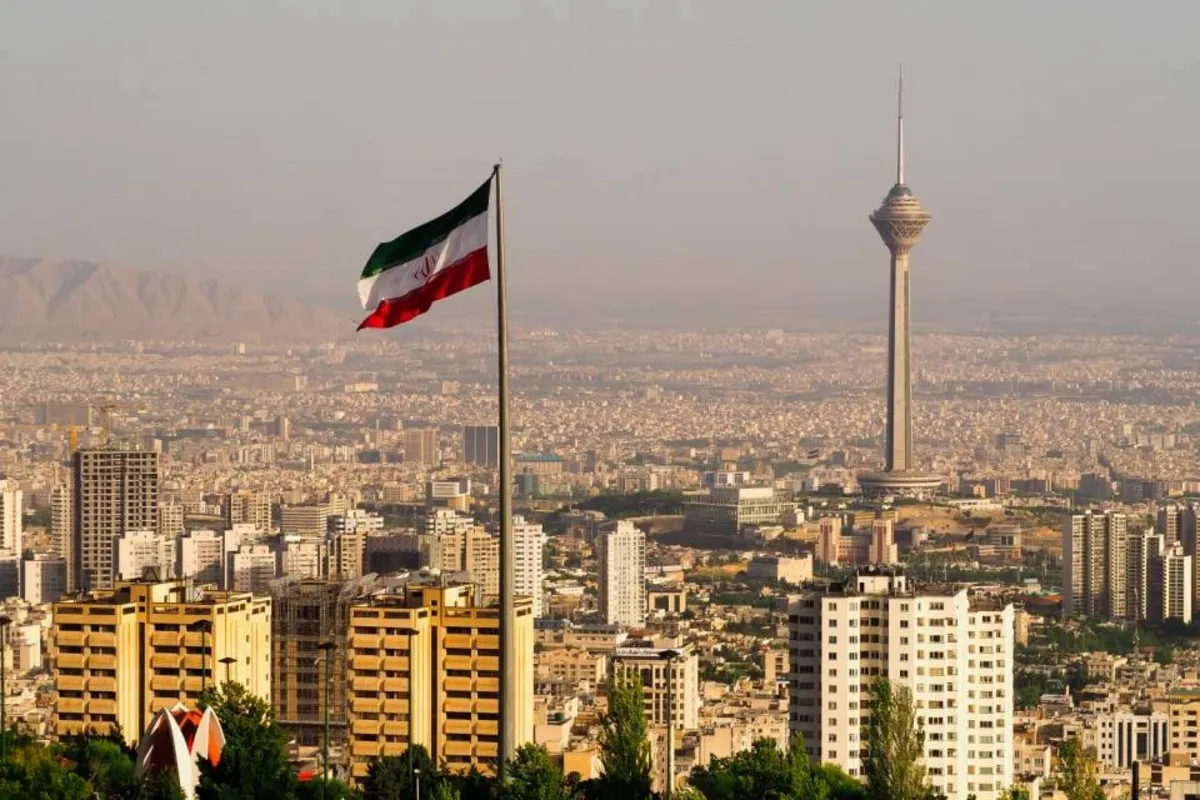
According to Article 111 of Iran’s constitution, a Provisional Leadership Council assumed authority until a new Supreme Leader could be selected. The Interim Leadership Council, formed on March 1, 2026, included President Masoud Pezeshkian, Chief Justice Gholam-Hossein Mohseni-Ejei, and Ayatollah Alireza Arafi.
Legacy
From the 1979 Islamic Revolution until his death in 2026, Ali Khamenei stood at the center of Iran’s political system. He oversaw the consolidation of power in the office of the Supreme Leader and played a decisive role in shaping Iran’s domestic and foreign policies.
To supporters, he was a defender of Iranian sovereignty and Islamic values under sustained foreign pressure. To critics, he was an authoritarian leader whose policies led to repression and hardship.
His influence was profound. He became one of the longest-serving heads of state in the Middle East, outlasting wars, sanctions, and waves of protest. For nearly four decades, his leadership defined the Islamic Republic. His death marked the end of a significant chapter in modern Middle Eastern history and left Iran facing an uncertain future.