What Makes an Airport Experience Truly “Stress-Free”?
Long queues, confusing layouts, time pressure, and lack of clear communication often turn what should be an exciting journey into an exhausting experience. However, some airports have successfully transformed this experience.

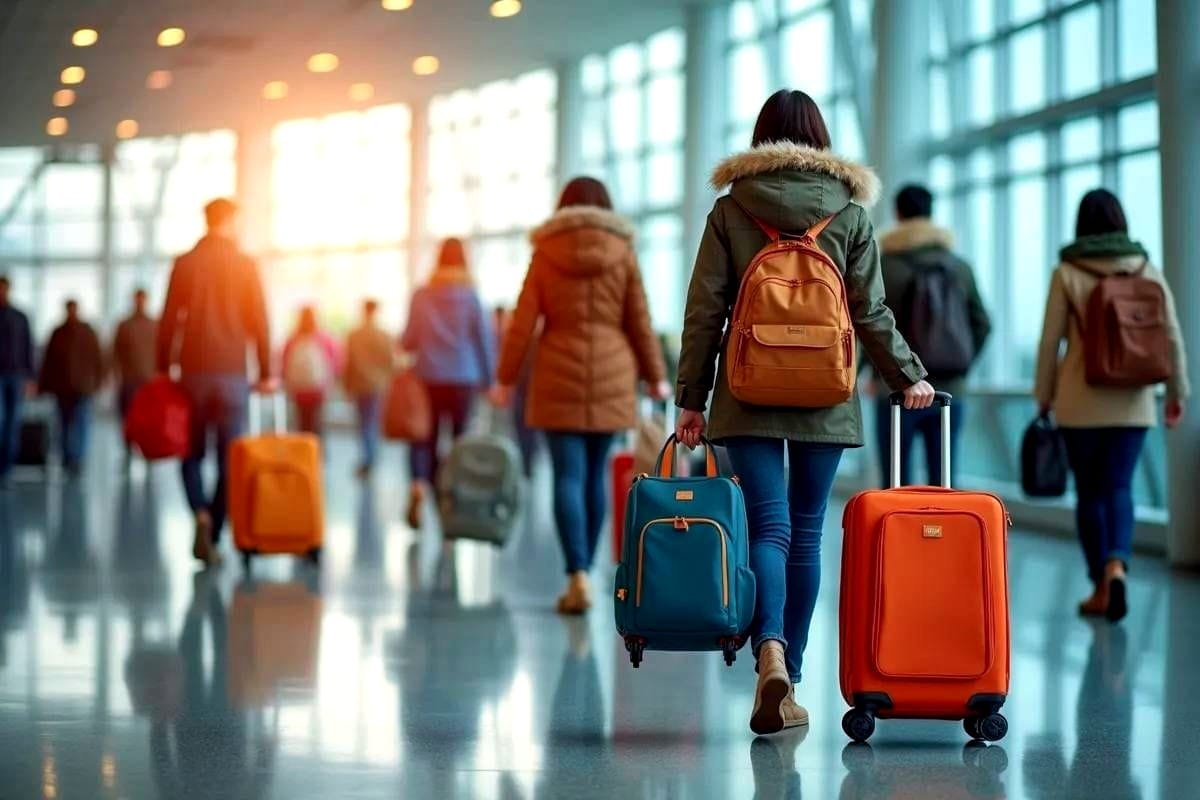
Air travel has evolved dramatically over the past two decades. Aircraft are faster, routes are more connected, and technology is more advanced than ever. Yet for many passengers, the most stressful part of the journey is not the flight, it is the airport. Long queues, confusing layouts, time pressure, and lack of clear communication often turn what should be an exciting journey into an exhausting experience. However, some airports have successfully transformed this experience. They are calm, intuitive, and efficient places where passengers move with ease rather than anxiety.
So what exactly makes an airport experience truly “stress-free”?
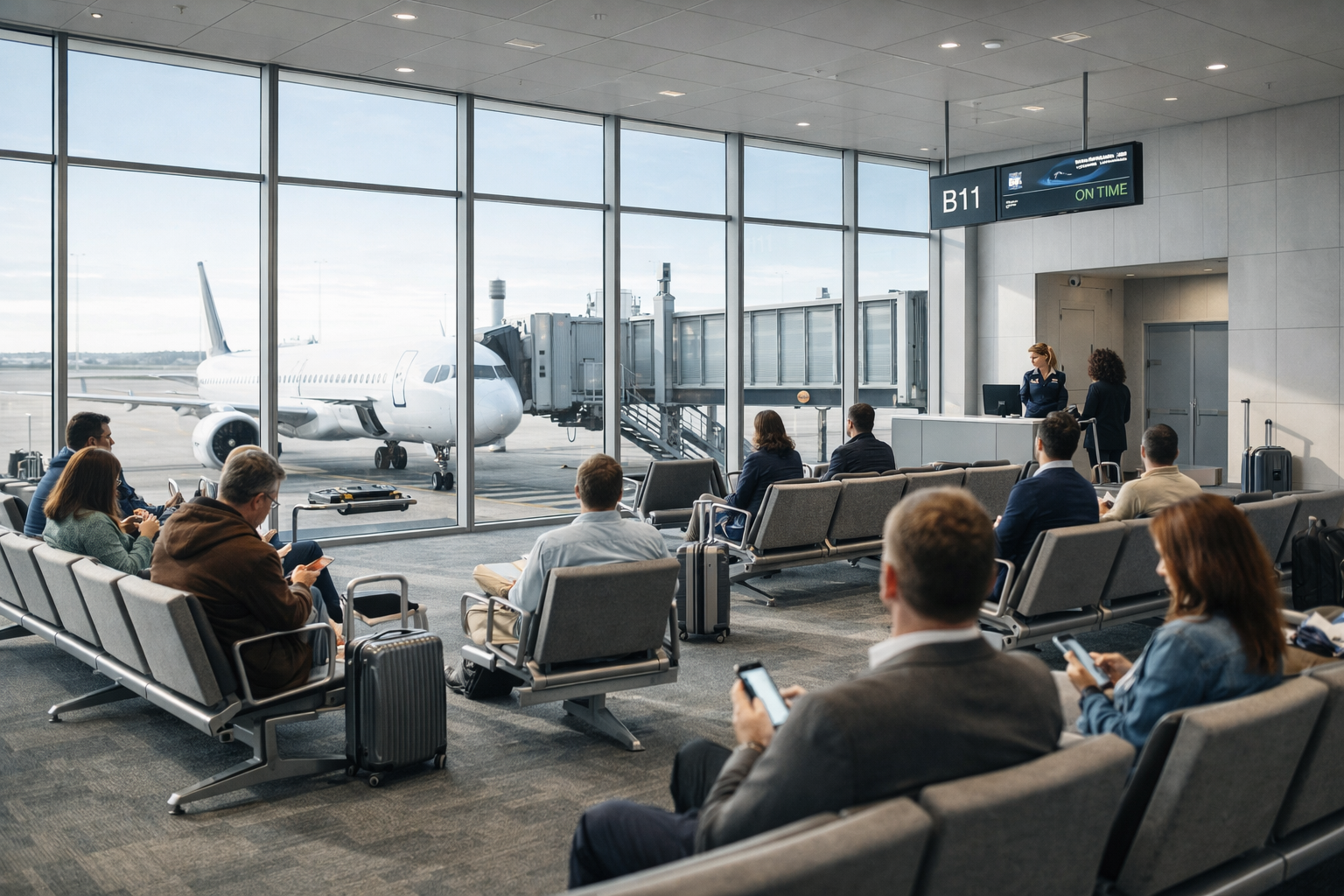
The Power of First Impressions
The airport experience begins the moment a passenger enters the terminal.
A stress-free airport immediately communicates:
Where to go
What to do
How long will things take
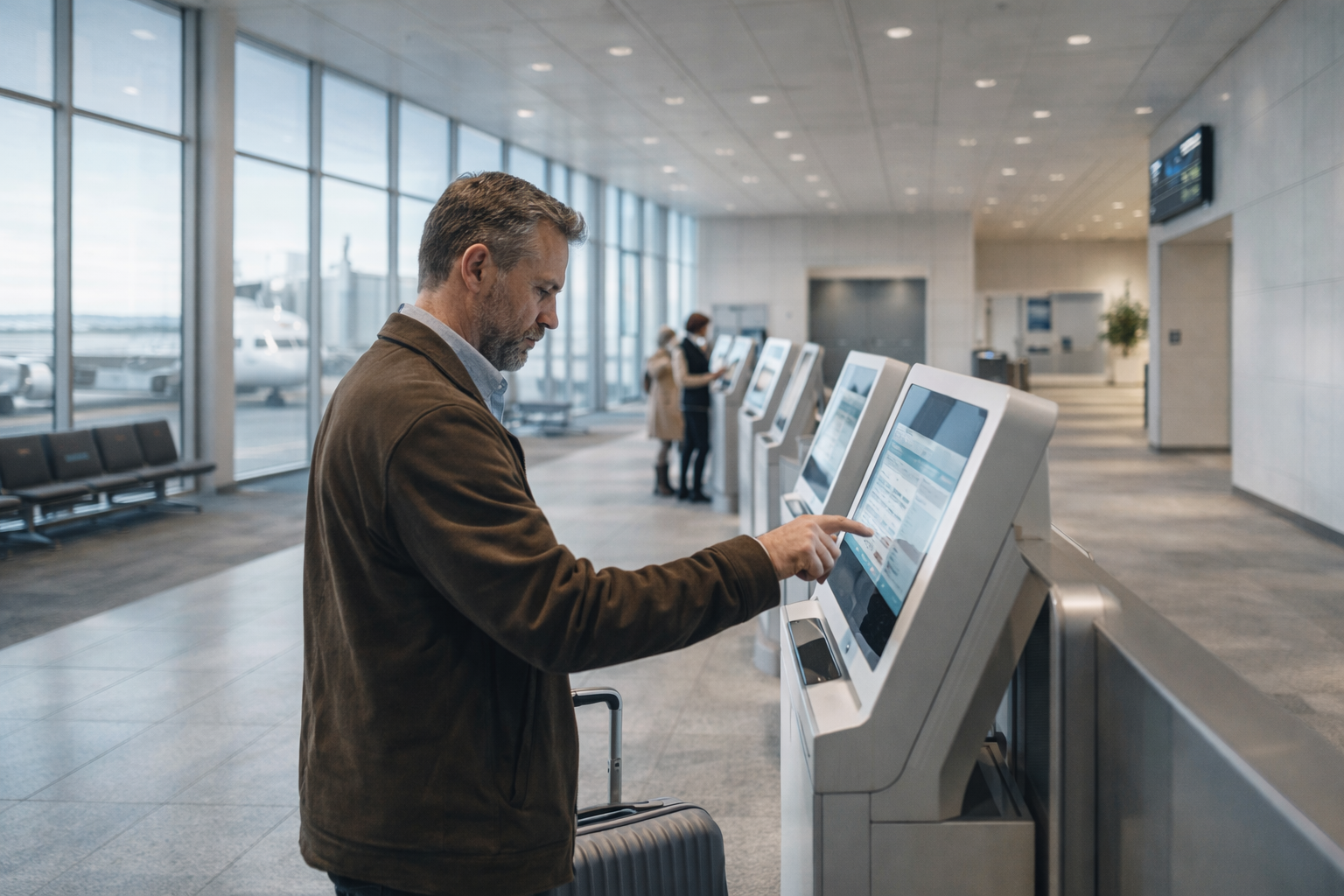
Wide entrances, visible check-in counters, and clear digital displays reduce uncertainty.
This first impression sets the emotional tone for the entire journey. When passengers feel oriented from the start, their stress levels drop significantly.
Intuitive Design and Wayfinding
One of the biggest causes of airport stress is confusion.
Airports that prioritize intuitive navigation use:
Consistent signage
Universal symbols
Logical spatial flow
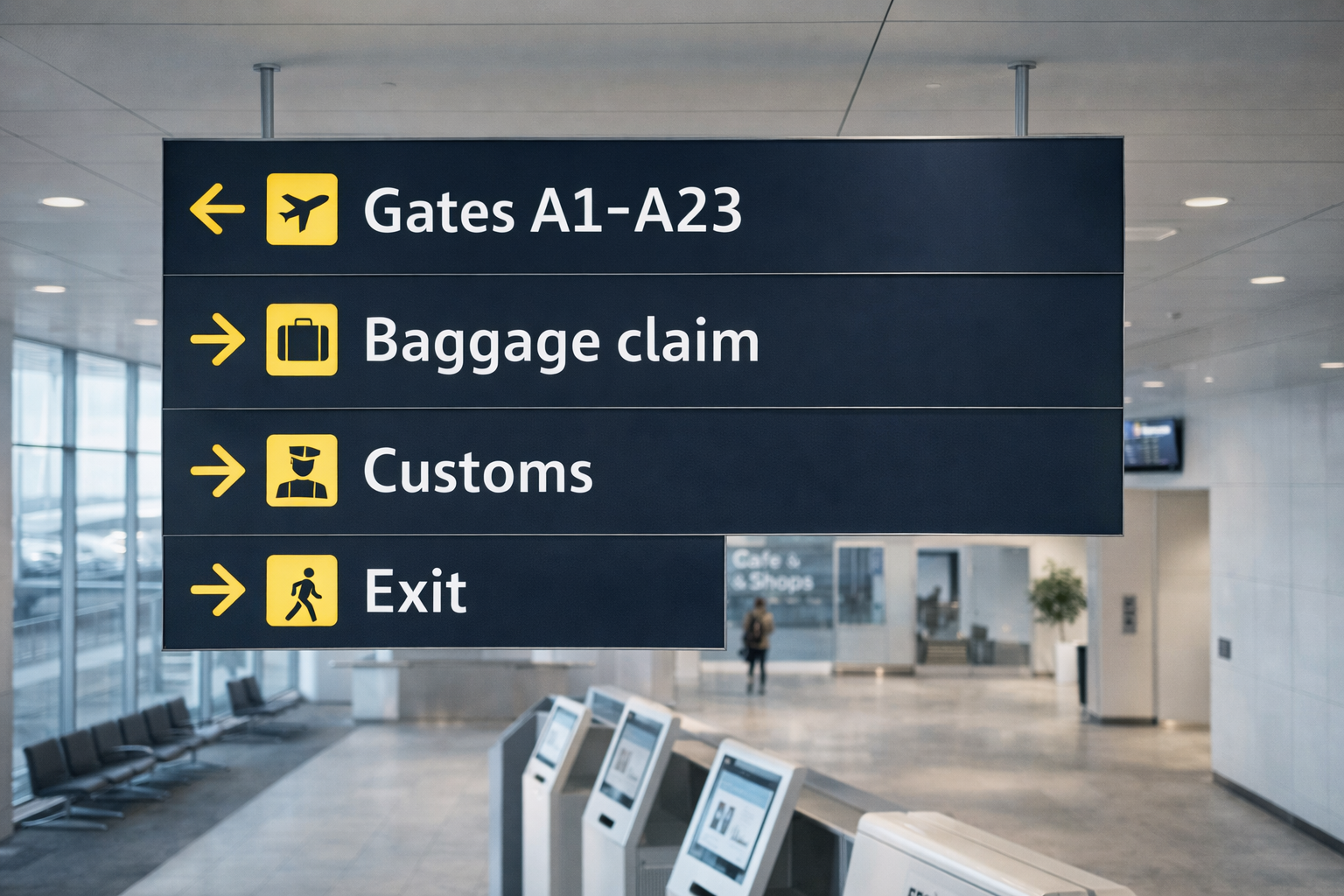
Passengers should not need to stop and think at every step. Movement should feel natural.
Good design answers questions before passengers even ask them.
Seamless Check-In and Baggage Drop
Efficiency at check-in is critical.
Modern airports are shifting toward:
Self-service kiosks
Mobile check-in
Automated baggage drop
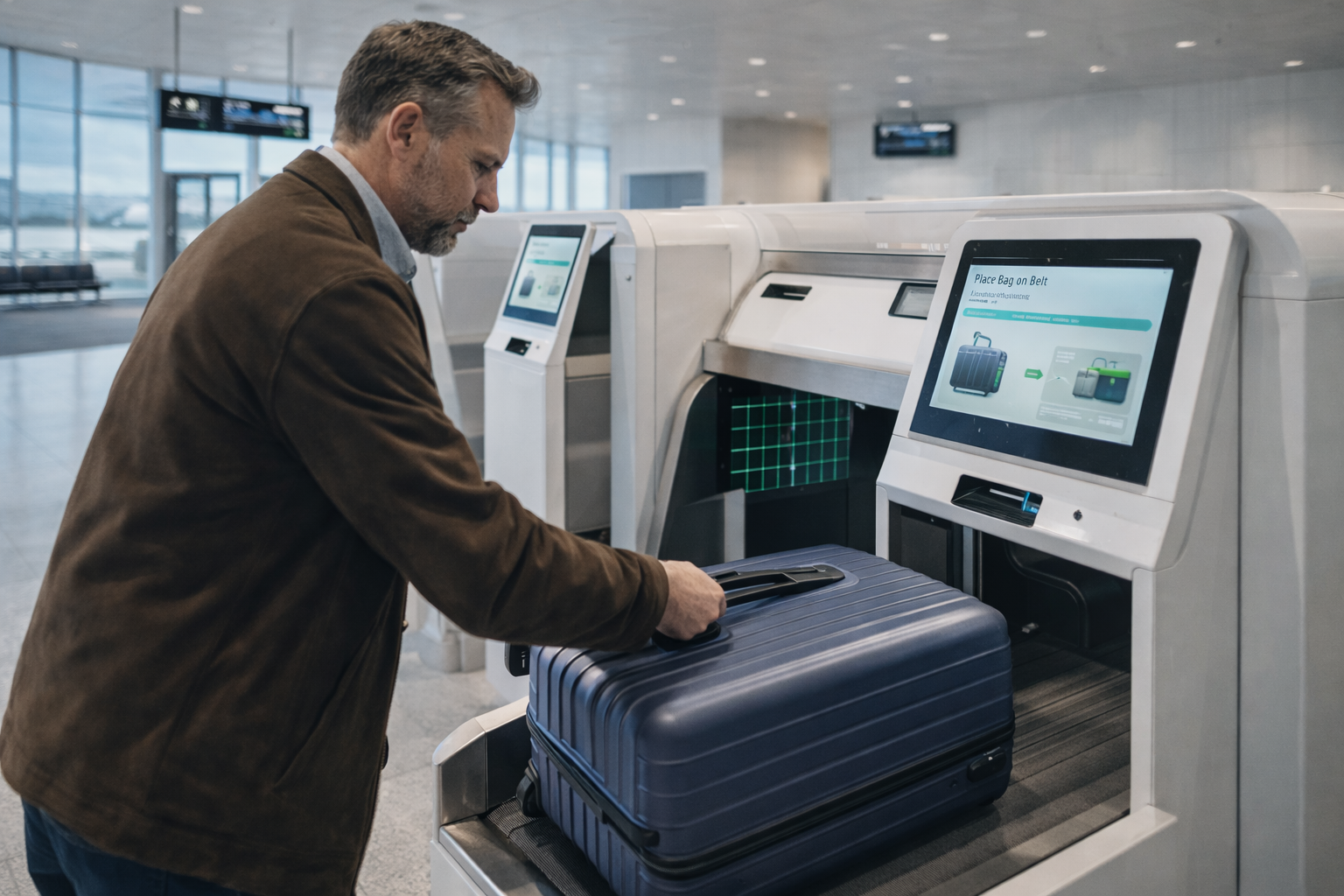
These systems reduce queues and give passengers control over their journey. But more importantly, they create predictability; passengers know what to expect and how long it will take.
Smart Security Without Stress
Security is often the most stressful part of the airport experience.
The difference between a chaotic and calm airport lies in how security is managed:
Organized queue systems
Clear instructions
Trained staff guiding passengers
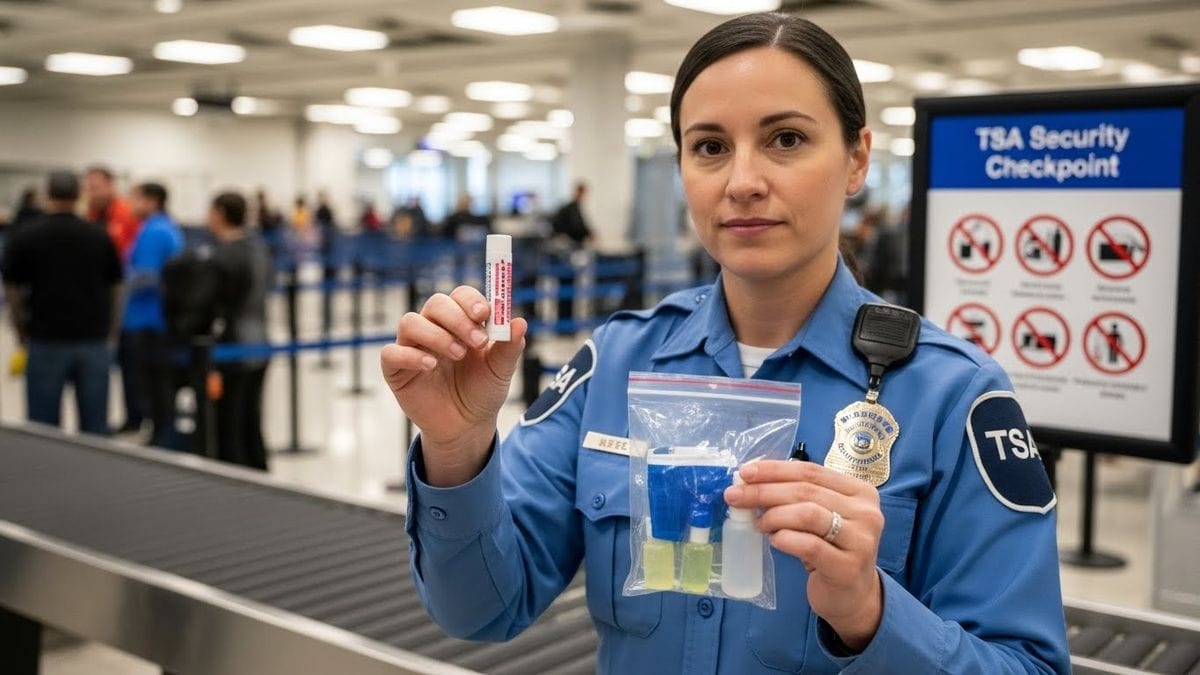
Airports that integrate smart screening technologies and improve queue design significantly reduce waiting anxiety.
Passengers are not just looking for speed; they want clarity and fairness.
Passenger Flow: The Invisible Experience
One of the most important elements of a stress-free airport is something passengers rarely notice: flow.
Well-designed airports ensure:
No bottlenecks
Smooth transitions between zones
Balanced distribution of passengers
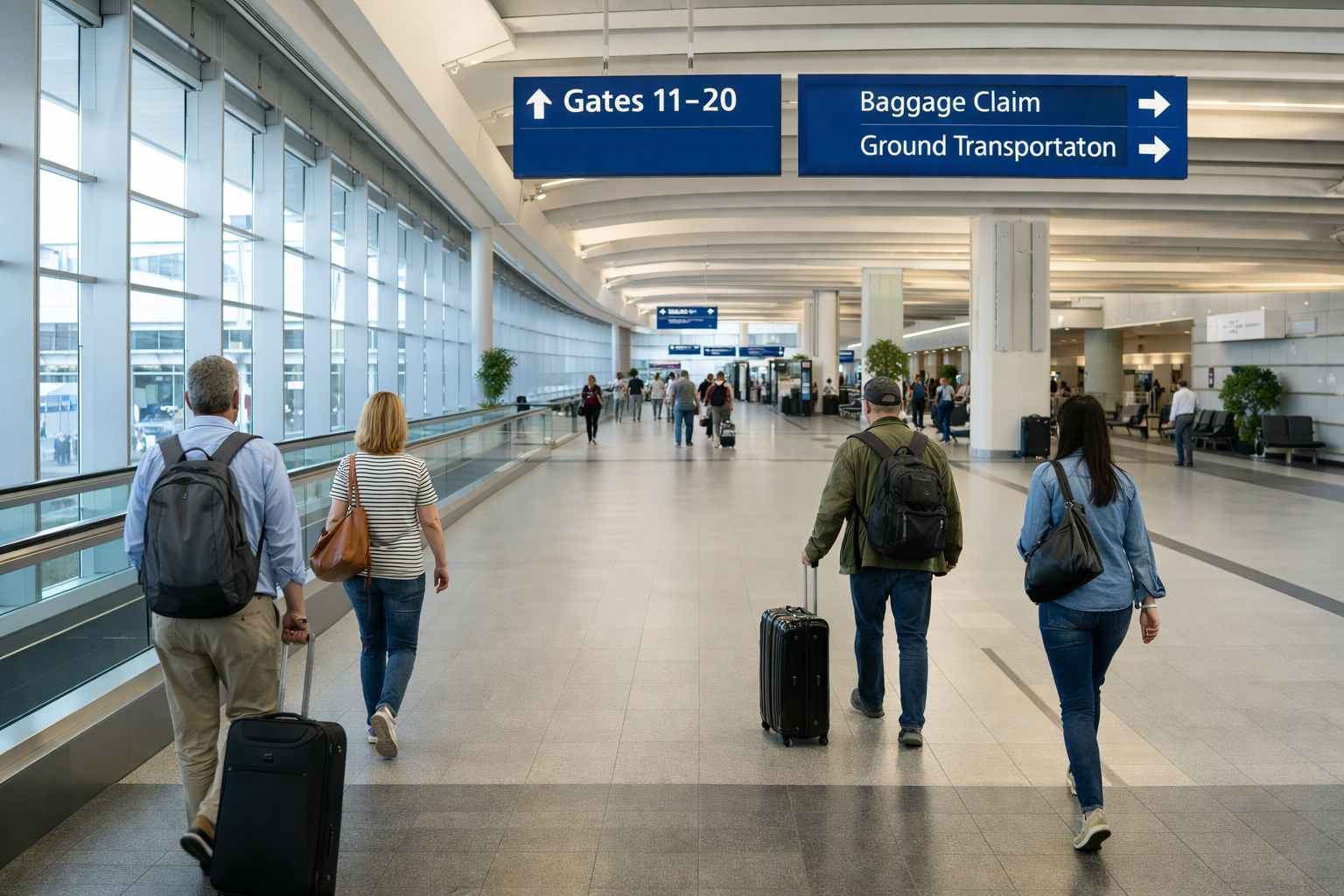
This creates a continuous movement experience, where travelers never feel stuck or overwhelmed.
Flow is what separates chaotic airports from peaceful ones.
The Role of Space and Comfort
Crowded spaces increase stress instantly.
Stress-free airports prioritize:
Spacious seating
Wide walkways
Less visual clutter
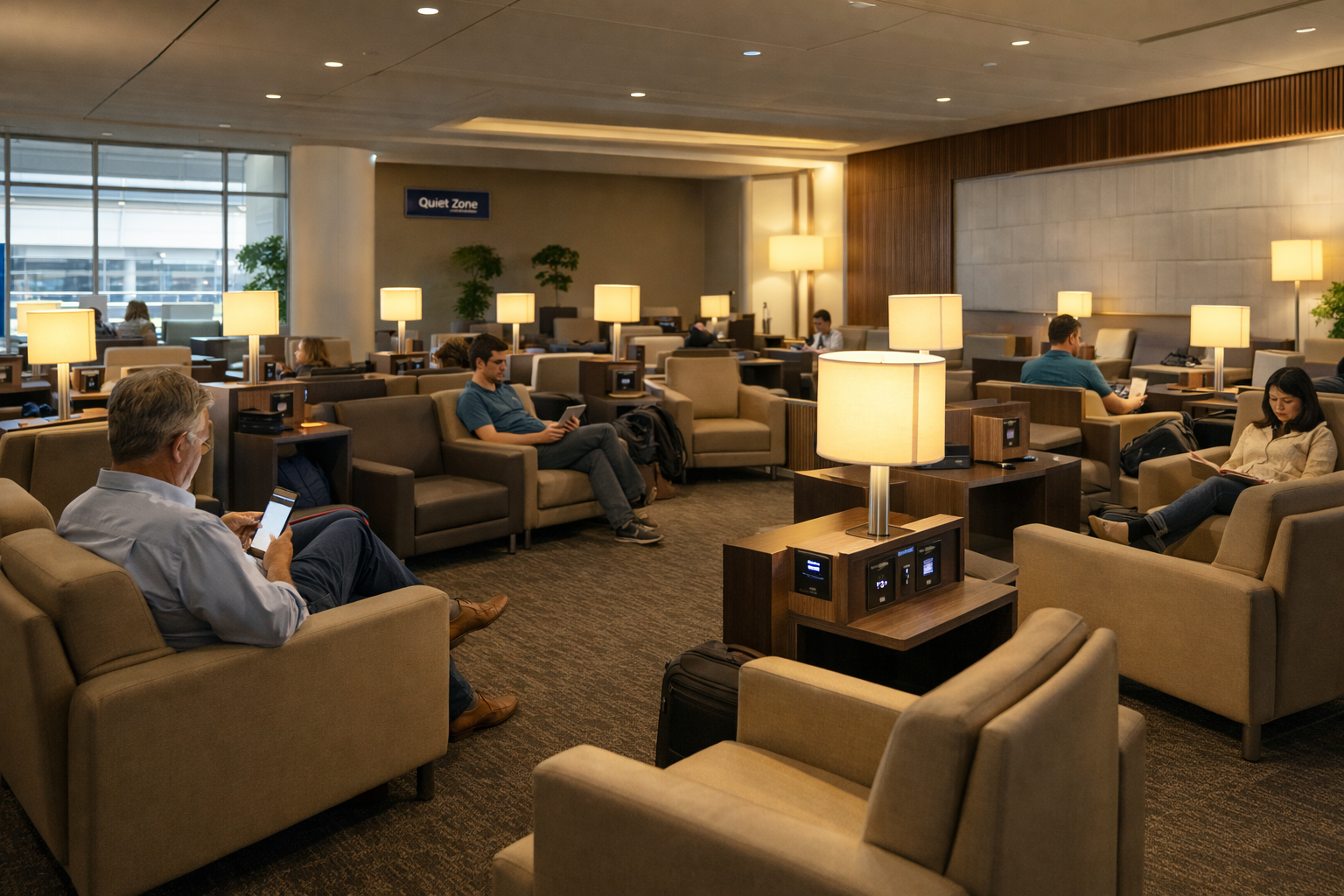
Comfortable waiting areas with ergonomic seating, charging stations, and quiet zones transform waiting into relaxation.
Passengers feel less rushed and more in control of their time.
Natural Light and Environmental Psychology
Lighting plays a powerful role in human psychology.
Airports with:
Large glass windows
Natural daylight
Open architectural design
Create a calming environment.
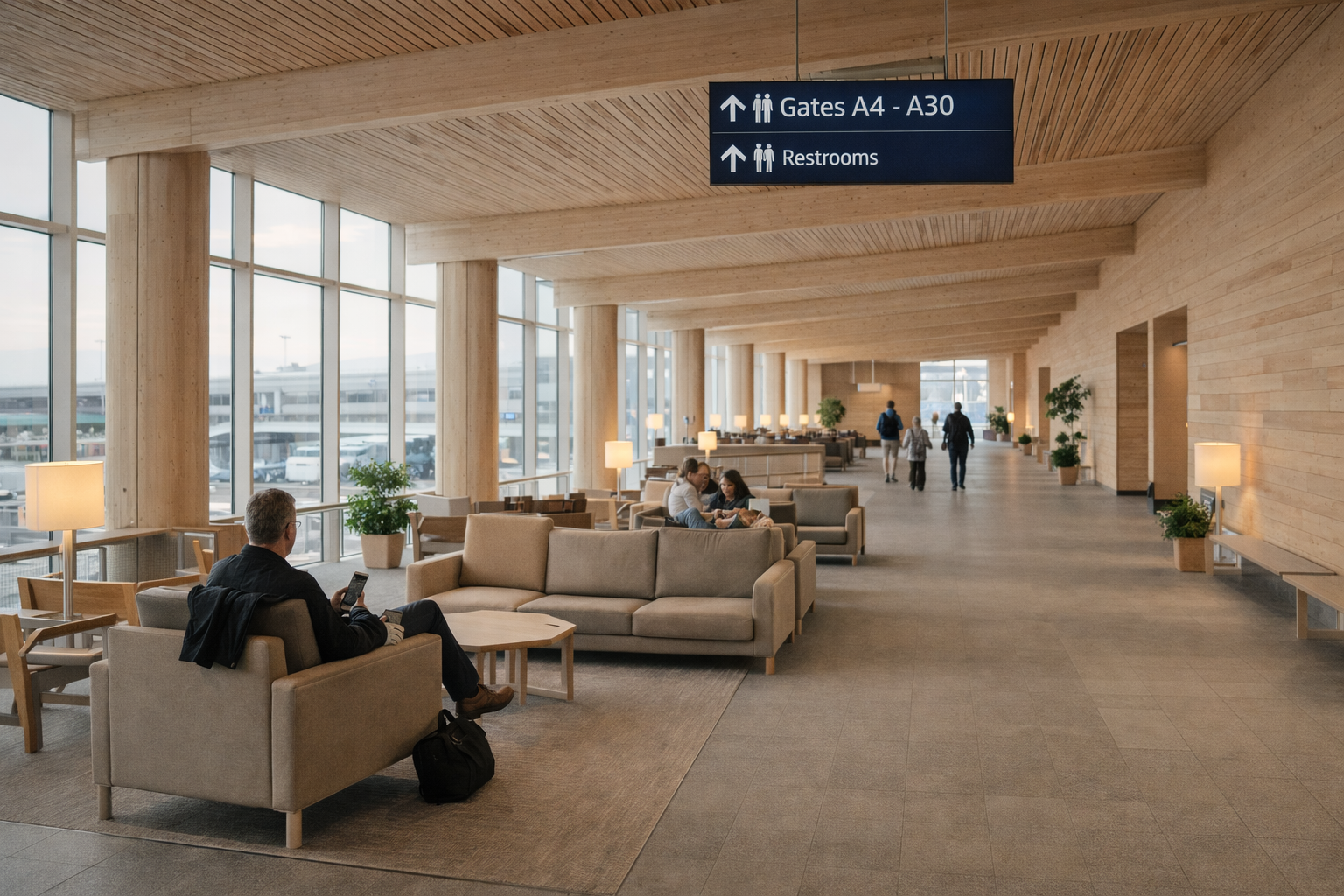
Studies in environmental psychology show that natural light reduces anxiety, improves mood, and enhances overall well-being.
This is why many modern airports resemble open, airy spaces rather than enclosed terminals.
DIGITAL TRANSFORMATION AND PASSENGER CONTROL
Technology is reshaping the airport journey.
From mobile boarding passes to biometric gates, digital systems:
Reduce human dependency
Speed up processes
Minimize errors
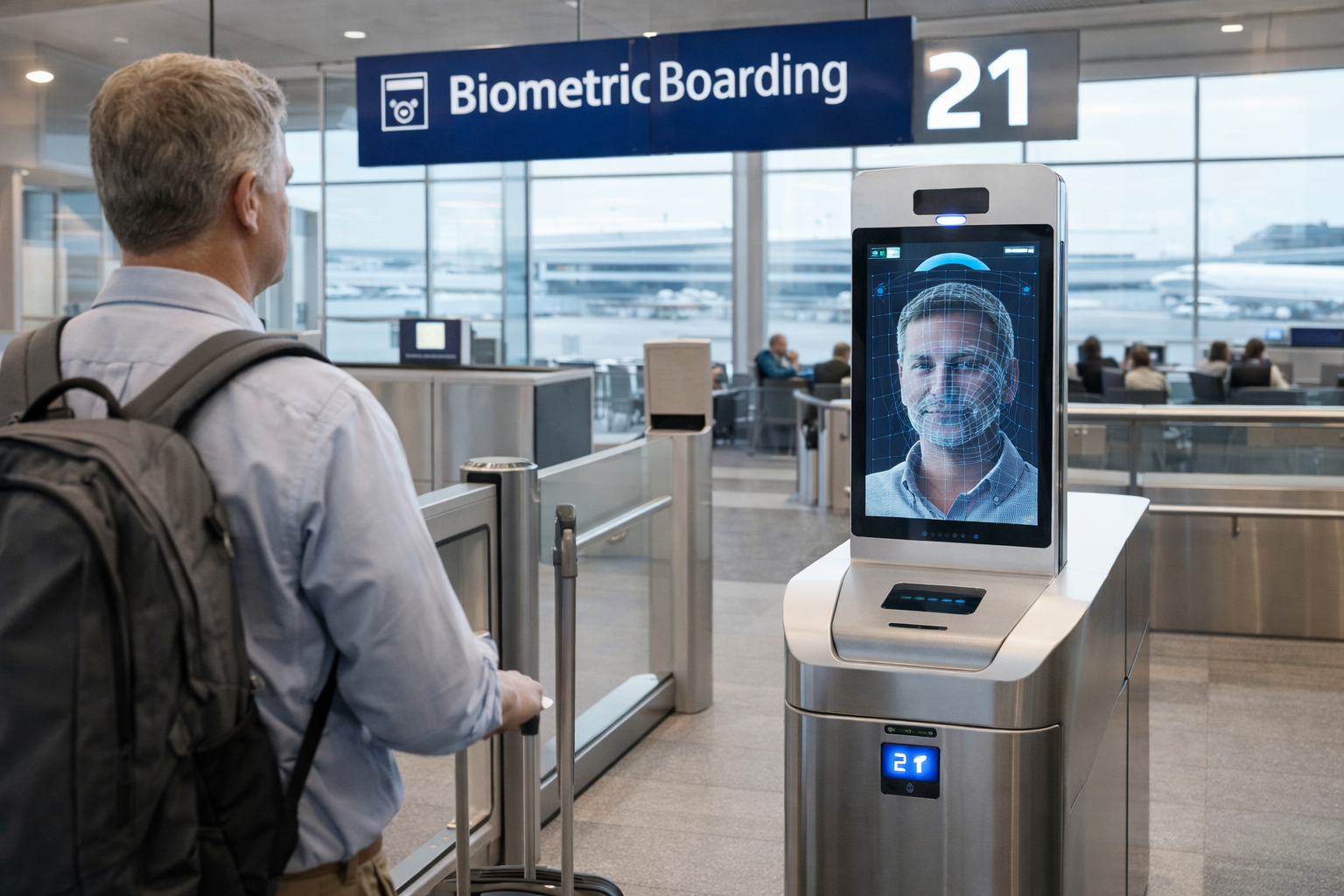
Passengers gain more control over their journey, which directly reduces stress.
However, the best airports balance automation with human support to ensure accessibility for all passengers.
Human Interaction Still Matters
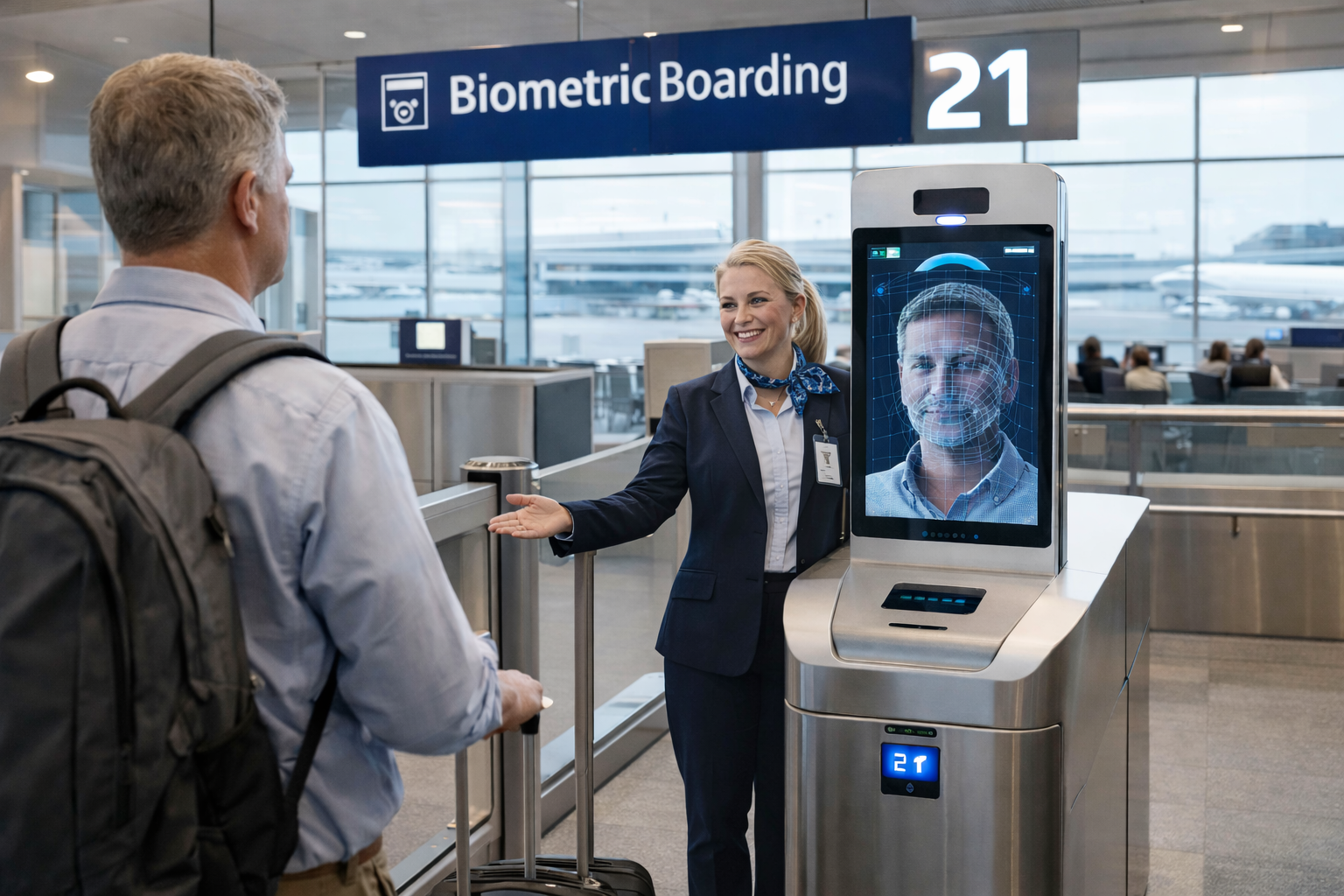
Despite digital advancements, human interaction remains critical.
Friendly, calm, and well-trained staff:
Reduce confusion
Provide reassurance
Improve emotional experience
A simple smile or clear guidance can change how passengers perceive the entire journey. Airports are not just systems; they are human environments.
Predictability: The Ultimate Stress Reducer
At the core of every stress-free airport is predictability.
Passengers feel calm when:
Processes are consistent
Timelines are clear
Information is transparent
Uncertainty creates anxiety. Predictability creates confidence.
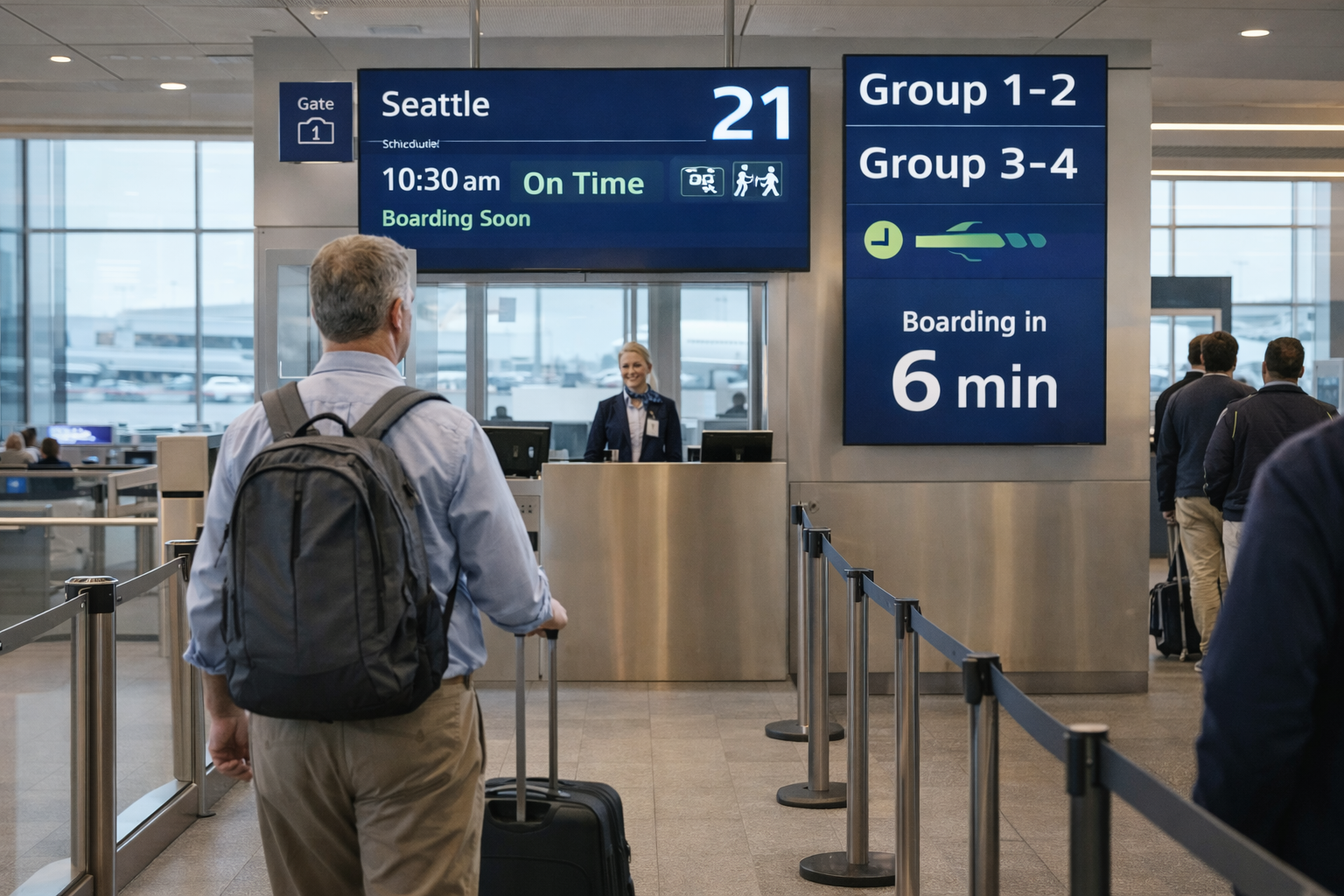
Airports that master this principle deliver a seamless and enjoyable experience.
The Future of Stress-Free Airports
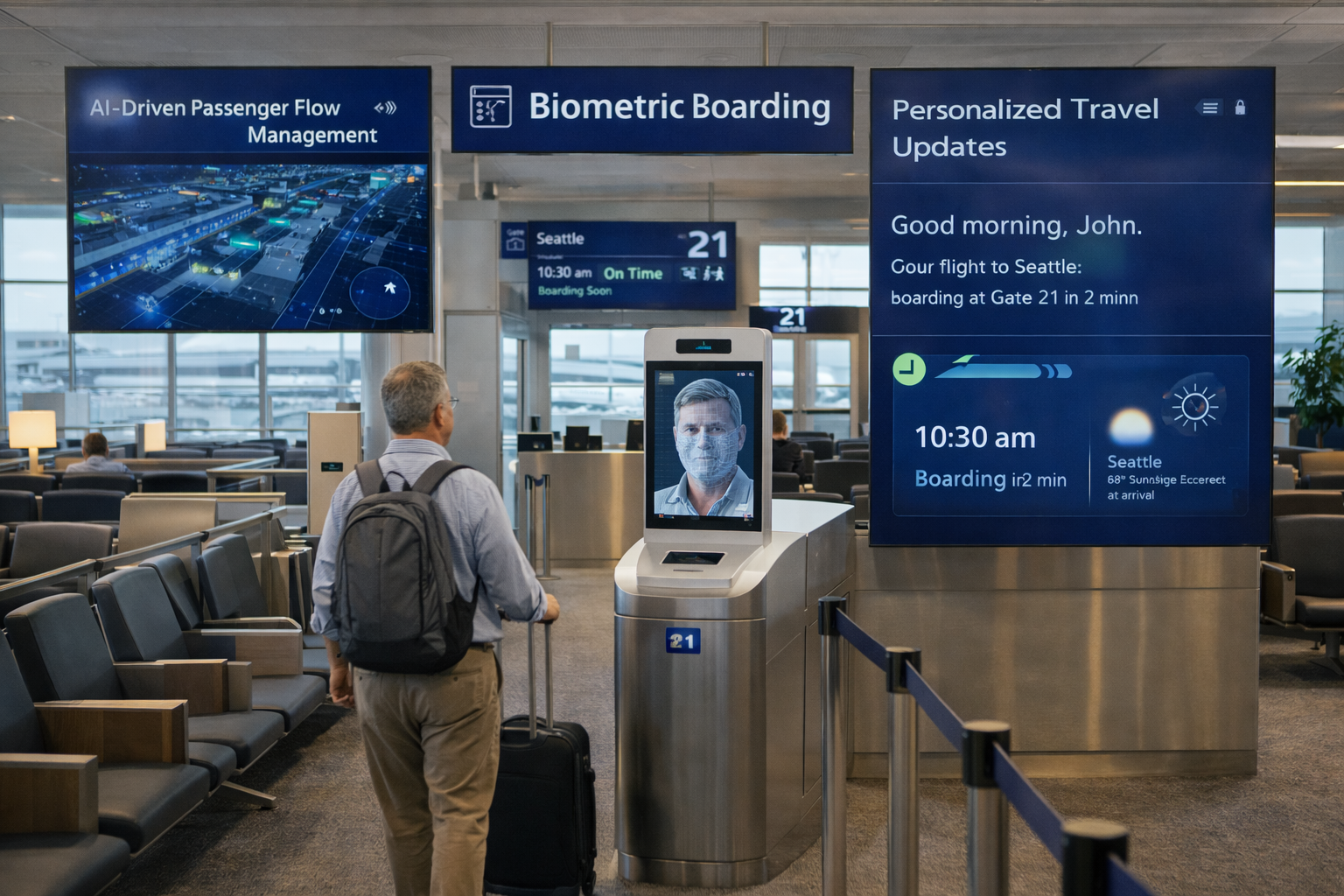
The next generation of airports will go even further by integrating:
AI-driven passenger flow management
Fully biometric journeys
Personalized travel updates
Smart infrastructure
But the goal remains the same: reduce friction and enhance comfort.
FINAL THOUGHTS
A stress-free airport is not defined by luxury or size, it is defined by experience.
It is a place where passengers:
Move effortlessly
Feel informed
Stay calm throughout their journey
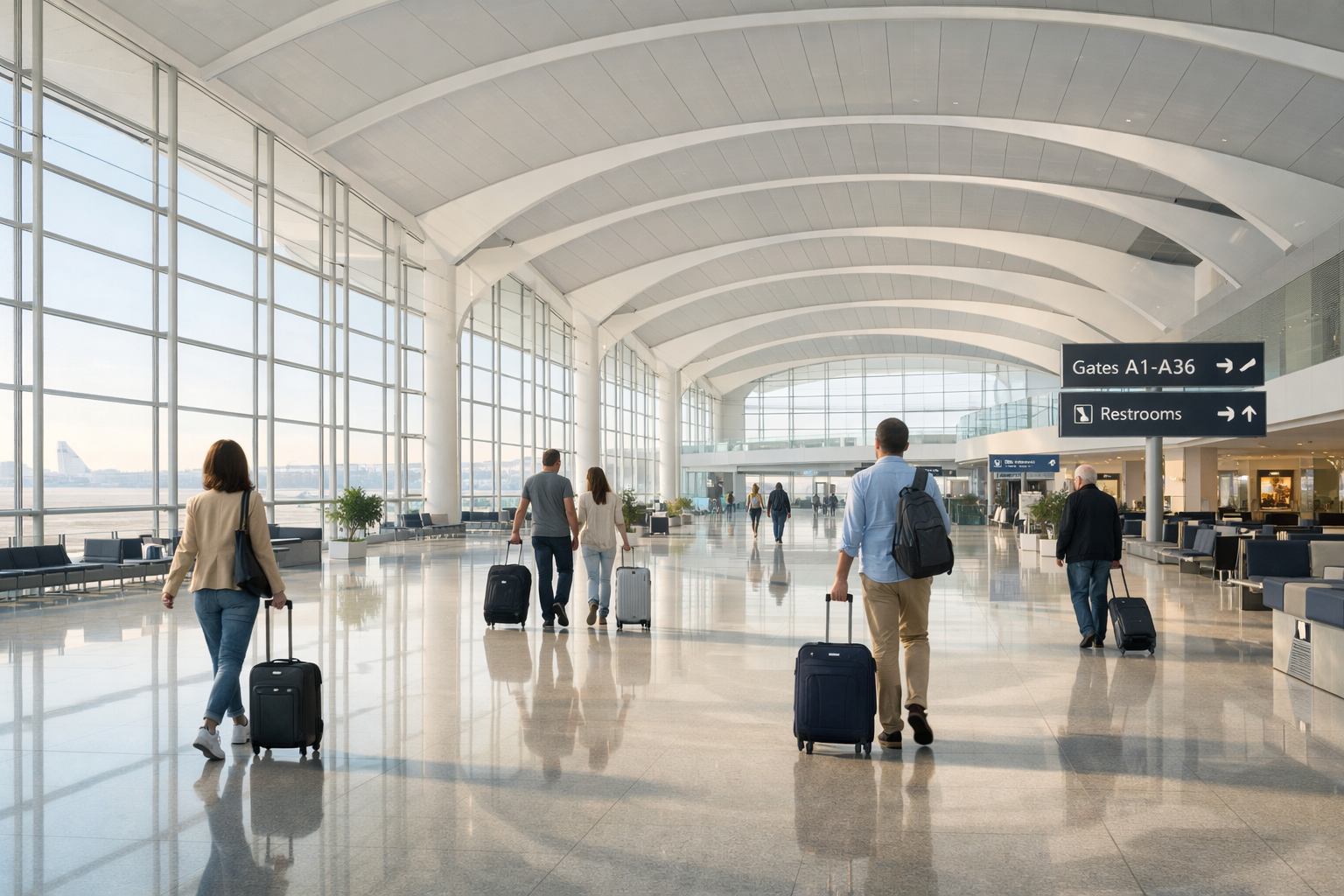
As global air travel continues to grow, airports that prioritize human-centered design, smart technology, and emotional comfort will lead the future of aviation.