What Is Phishing and How It Works?

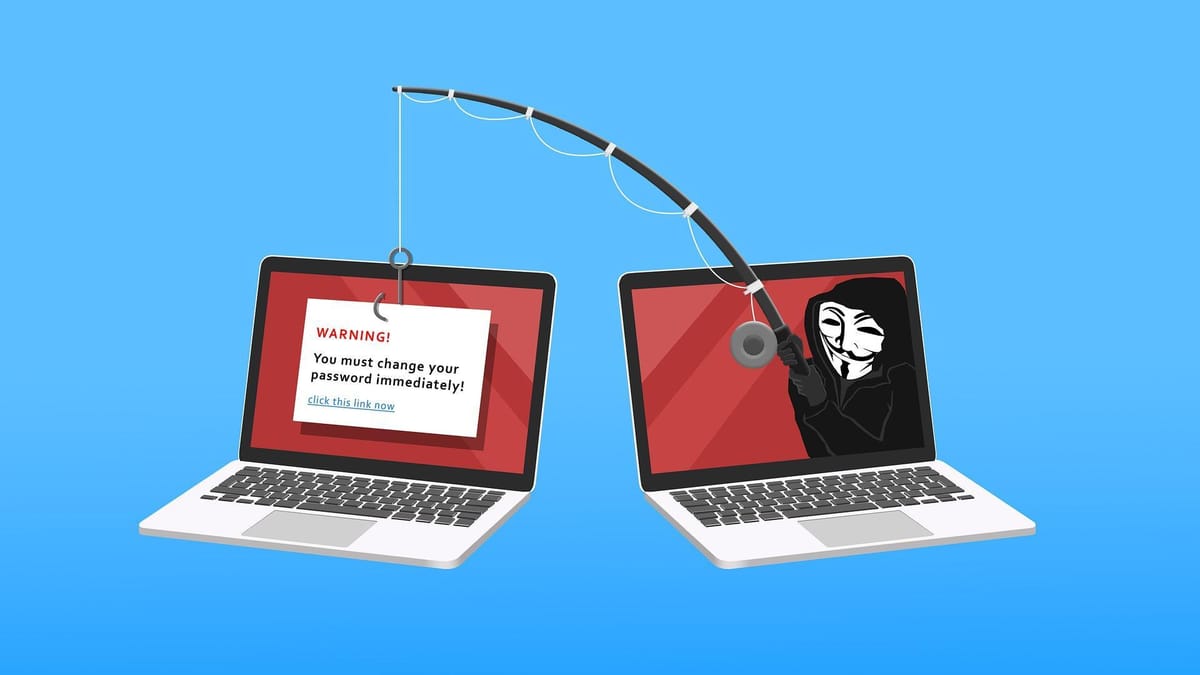
In today’s digital world, cybercrime is increasing at a rapid pace, and phishing has become one of the most common online threats. Every day, people receive fake emails, messages, and phone calls designed to steal personal and financial information. Understanding phishing and how it works is essential for staying safe online.
Phishing is a type of cyber attack where criminals pretend to be trusted organizations or individuals to trick people into sharing sensitive information. This information may include usernames, passwords, bank details, credit card numbers, or one-time passwords. The attackers rely on human trust and emotions rather than technical hacking methods.
The phishing process usually begins with the creation of a fake identity. Cybercriminals design messages that appear to come from banks, government offices, delivery companies, social media platforms, or well-known brands. These messages look real because they use official logos, familiar language, and professional formatting.
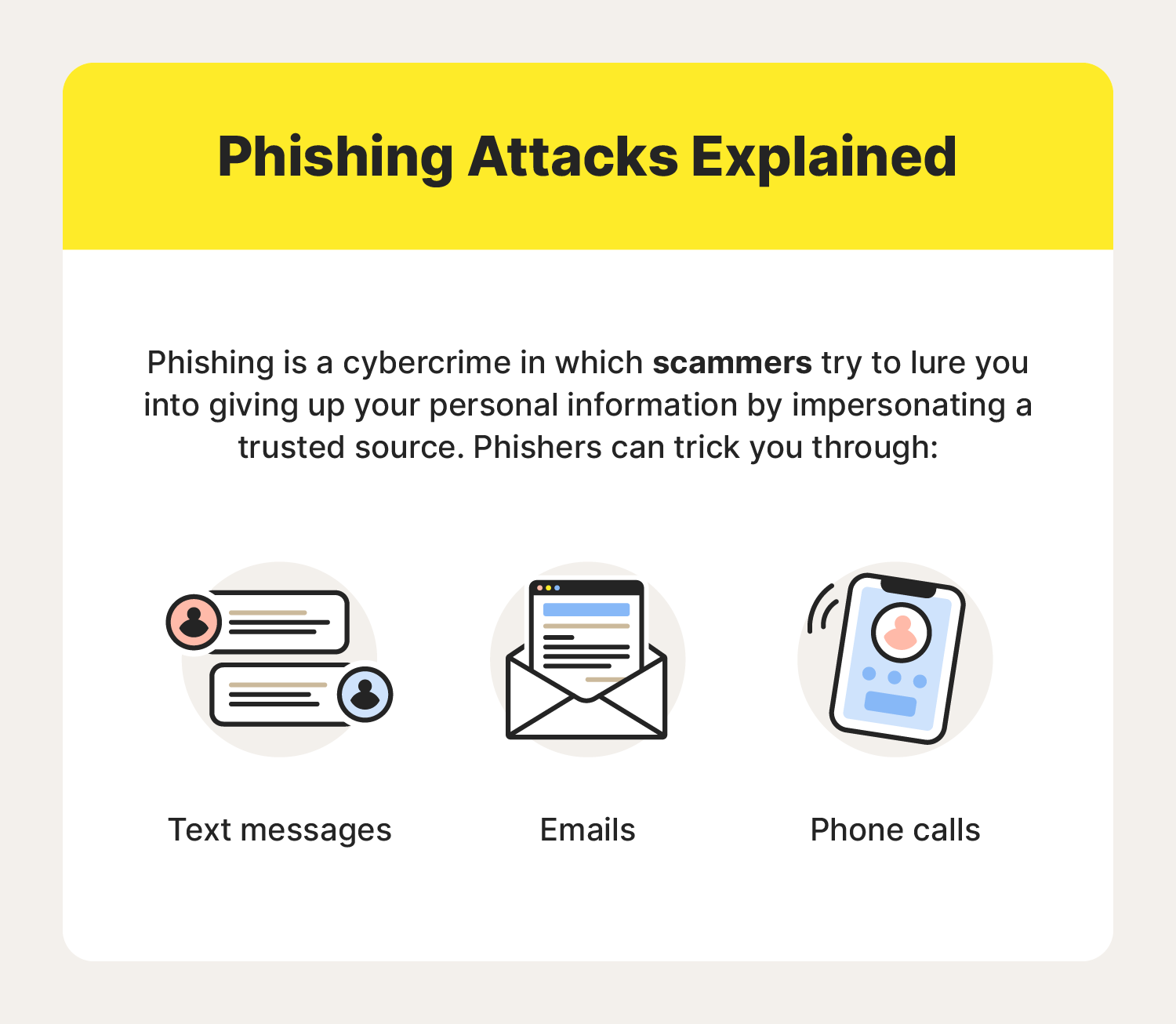
Once the fake message is ready, it is sent to the victim through email, SMS, WhatsApp, social media platforms, or phone calls. The message often contains an urgent warning such as account suspension, suspicious activity, failed payments, or prize announcements. The urgency is intentional and meant to pressure the victim into acting quickly.
The message typically includes a link or attachment. When the victim clicks the link, they are redirected to a fake website that looks almost identical to the original one. If the victim enters login credentials or personal information, that data is immediately captured by the attacker. In some cases, downloading an attachment may install malicious software on the device.
After collecting the information, attackers use it to steal money, take control of online accounts, commit identity fraud, or launch further cyber attacks. Many victims only realize they have been targeted after noticing unauthorized transactions or locked accounts.
There are several types of phishing attacks. Email phishing is the most common form and involves fake emails that appear to come from trusted sources. Spear phishing is more targeted and uses personal details to make messages more convincing.
Smishing refers to phishing attacks through SMS or messaging apps, while vishing involves scam phone calls. Clone phishing copies legitimate emails and replaces the original links with malicious ones.
Phishing is particularly dangerous because it targets human psychology rather than system vulnerabilities. Even secure systems can be compromised if users unknowingly share their credentials. For individuals and businesses, phishing can lead to financial loss, data breaches, reputational damage, and legal issues.
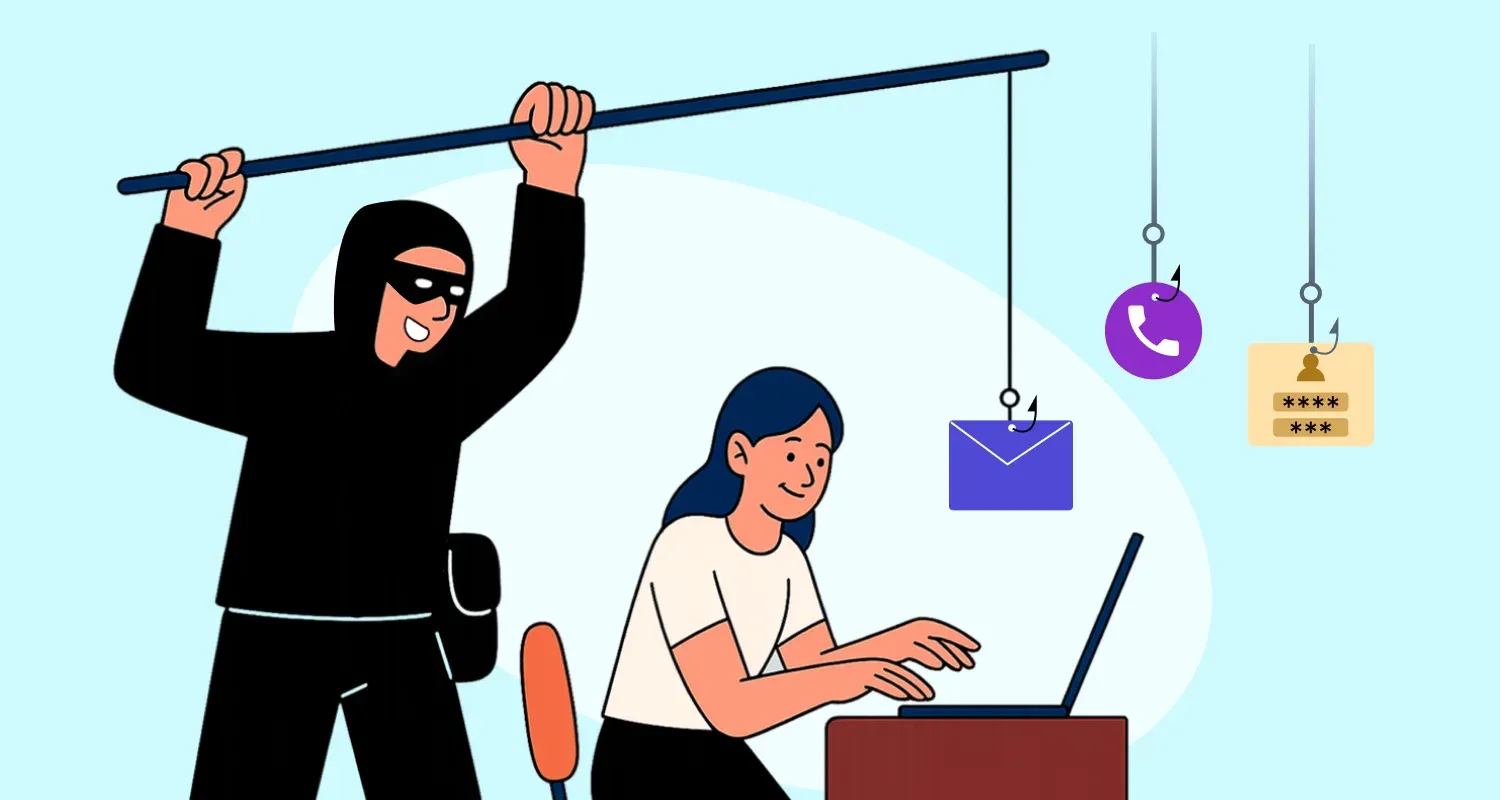
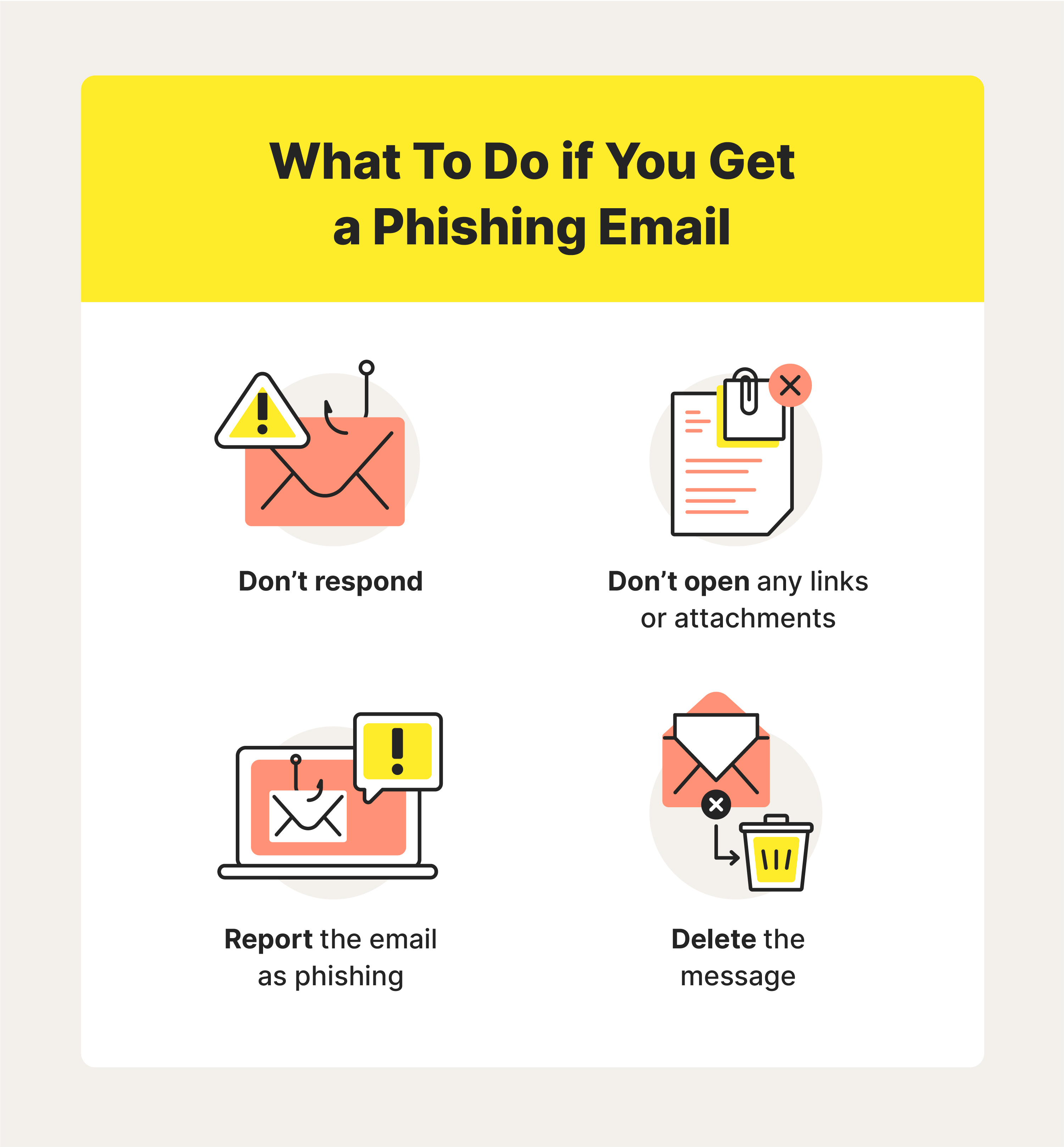
Recognizing phishing attempts is key to prevention. Suspicious sender addresses, spelling or grammar mistakes, urgent or threatening language, and unfamiliar links are common warning signs. Legitimate organizations never ask for passwords, PINs, or one-time passwords through email or messages.
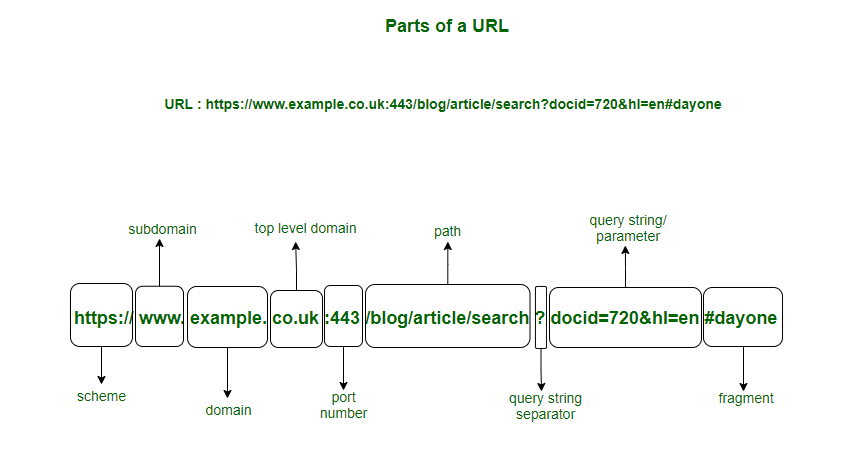
Protecting yourself from phishing requires basic digital awareness. Always verify the sender before clicking links or opening attachments. Never share sensitive information through messages or phone calls. Check website URLs carefully before entering personal data. Enabling two-factor authentication adds an extra layer of security, and keeping software updated helps protect against known threats.
Phishing continues to evolve as more services move online. By understanding how phishing works and staying cautious, individuals and organizations can reduce the risk of falling victim to these attacks. Awareness and careful online behavior remain the strongest defenses against phishing.