What is Gallstone Disease?
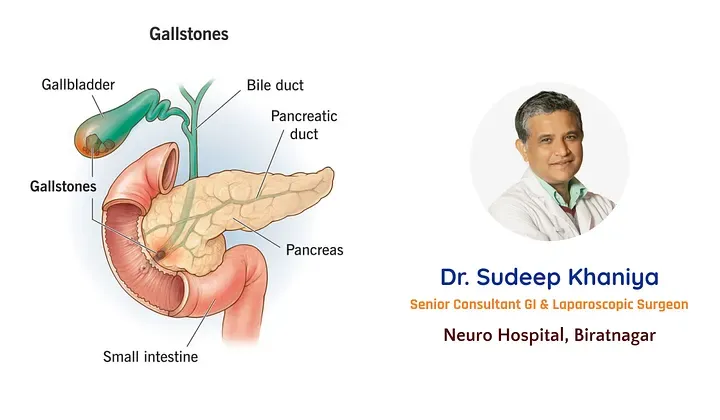
Gallstones are solid particles that form in the gallbladder, a small organ beneath the liver. The gallbladder stores bile, a digestive fluid produced by the liver, and releases it into the small intestine to aid in the digestion of fats.
Gallstones can vary in size and composition, and they are classified into different types based on their composition:
Cholesterol Stones: These are the most common type of gallstones and are primarily composed of cholesterol. An imbalance in the components of bile, such as an excess of cholesterol or a lack of bile salts, can lead to the formation of cholesterol stones.
Pigment Stones: These stones are composed of bilirubin, a pigment that forms when the body breaks down red blood cells. They are less common than cholesterol stones and are often associated with conditions such as cirrhosis, biliary tract infections, and blood disorders.
Gallstones can range in size from small particles to large stones that can cause significant blockages. While some people may have gallstones without experiencing any symptoms, others may develop complications such as inflammation of the gallbladder (cholecystitis), obstruction of the bile ducts, or infection.
Gallstone disease, also known as cholelithiasis, refers to the formation of solid particles or stones in the gallbladder, a small organ located beneath the liver. The gallbladder plays a role in the digestion of fats by storing bile produced by the liver and releasing it into the small intestine when needed.
Gallstones can vary in size and composition. They may be made up of cholesterol, bilirubin (a product of red blood cell breakdown), or a combination of both. Gallstones can develop when there is an imbalance in the substances that make up bile, leading to the formation of crystals that eventually become stones.
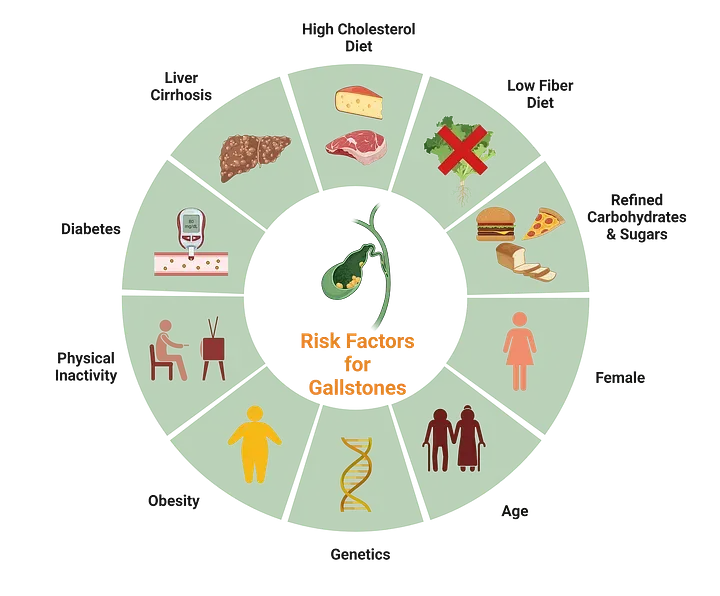
Risk factors for gallstone formation include:
Age and gender: Gallstones are more common in older adults and in women, particularly those who are pregnant or taking birth control pills.
Obesity: Being overweight or obese increases the risk of gallstones.
Rapid weight loss: Losing weight quickly, whether through dieting or surgery, can increase the risk of gallstone formation.
Pregnancy: The hormonal changes during pregnancy can increase the risk of gallstones.
Certain medical conditions: Conditions such as diabetes and certain liver diseases can increase the risk of gallstones.
Genetics: A family history of gallstones may increase the likelihood of developing them.
Gallstones don’t always cause symptoms, but when they do, the symptoms can include:
Pain: The most common symptom is pain in the upper abdomen or right upper quadrant, often after eating fatty foods.
Nausea and vomiting: These symptoms may occur with the pain.
Jaundice: If a gallstone blocks the bile duct, it can lead to jaundice, which causes yellowing of the skin and eyes.
Fever and chills: If there is an infection in the gallbladder, it can cause fever and chills.

Treatment options for gallstone disease may include lifestyle changes, medications, or surgery. If gallstones are causing symptoms or complications, the most common treatment is the removal of the gallbladder (cholecystectomy). This procedure is often done laparoscopically, which is less invasive than traditional open surgery.
It’s important for individuals experiencing symptoms suggestive of gallstones to seek medical attention for proper diagnosis and appropriate management.
It’s important for individuals experiencing symptoms suggestive of gallstones to seek medical attention for proper diagnosis and appropriate management.