What is domain name propagation?

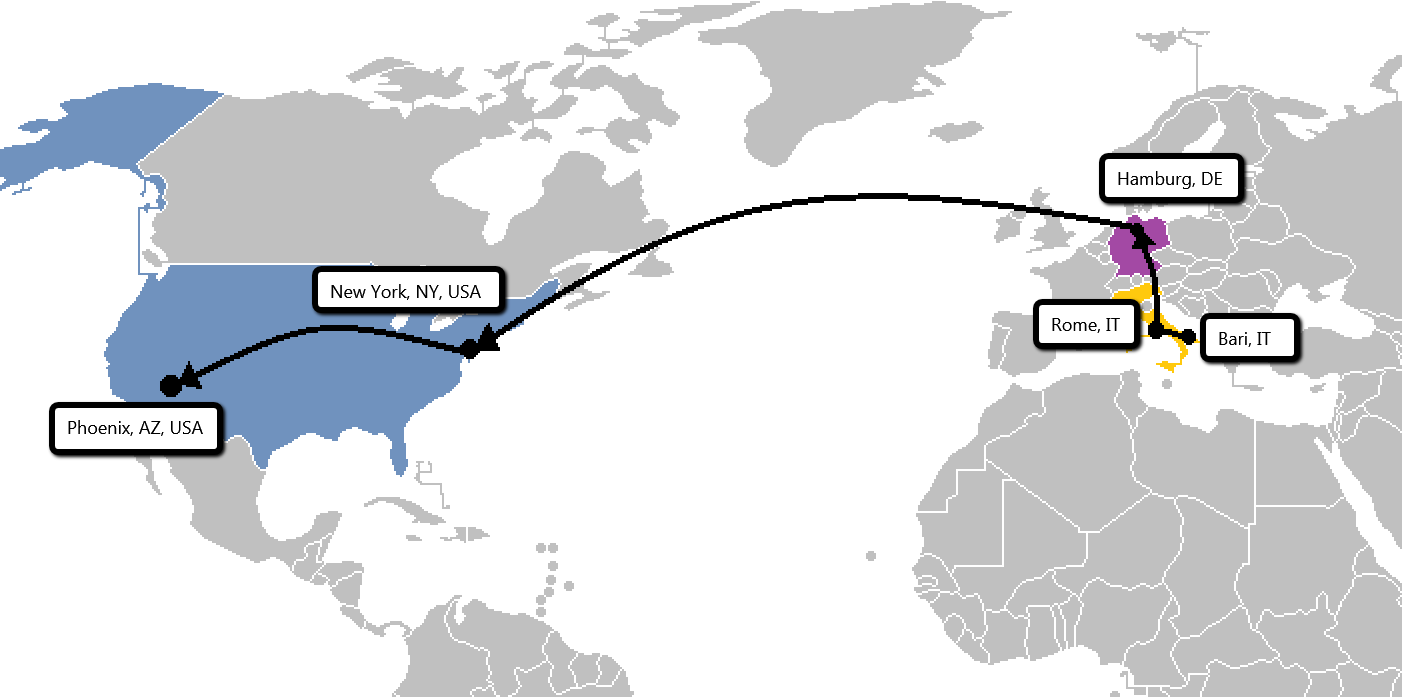
If you've ever updated your website's DNS settings or switched web hosting providers, you've likely encountered the phrase "DNS propagation may take 24-48 hours." But what exactly is domain name propagation, and why does it take so long? Understanding this process can help you plan website migrations more effectively and troubleshoot issues when they arise.
What is Domain Name Propagation?
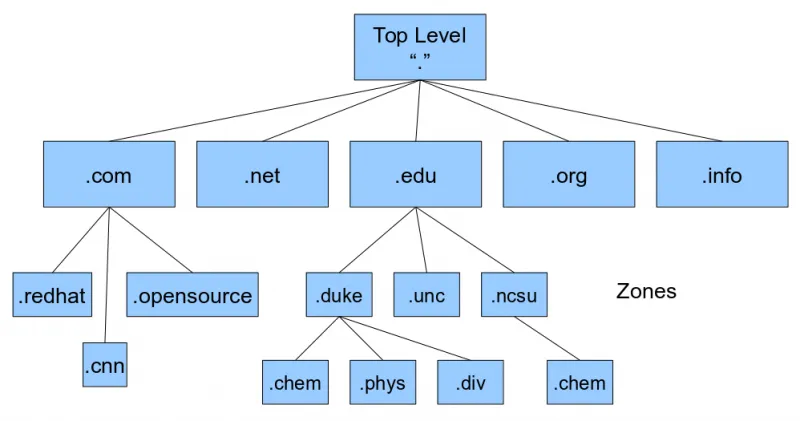
Domain name propagation is the process by which changes to your domain's DNS (Domain Name System) records spread across the internet. Think of DNS as the internet's phonebook—it translates human-readable domain names like "example.com" into IP addresses that computers use to locate servers.
When you make changes to your DNS records—whether you're pointing your domain to a new web host, updating email server settings, or modifying nameservers—these updates need to reach DNS servers worldwide. This distribution process is what we call propagation.
Why Doesn't It Happen Instantly?
You might wonder why DNS changes can't update everywhere at once. The answer lies in how the DNS system is designed for efficiency and speed.

DNS servers around the world cache (temporarily store) DNS information to reduce the number of queries they need to make. Instead of checking the authoritative DNS server every single time someone visits your website, they store the information locally for a set period. This caching dramatically improves internet performance and reduces server load.
Understanding Domain Name Propagation: What It Is and Why It Matters
The duration of this caching is determined by the TTL (Time To Live) value in your DNS records. A TTL of 86400 seconds (24 hours) means DNS servers will cache your information for a full day before checking for updates. When you make a change, servers that recently cached your old information won't check for the update until their cached version expires.
How Long Does Propagation Actually Take?
The commonly cited "24-48 hours" is actually a conservative estimate. In reality, propagation time varies significantly:
Typical timeframe: Most DNS changes propagate within 2-6 hours for the majority of users worldwide.
Complete propagation: Full global propagation usually completes within 24 hours, though some remote or slower-updating DNS servers might take longer.
Factors affecting speed: Your TTL settings, the efficiency of DNS servers involved, and your ISP's caching policies all influence propagation time.
Many modern DNS providers use shorter TTL values (like 300 seconds or 5 minutes) which allow for much faster propagation when you need to make changes.
What Happens During Propagation?
During the propagation period, the internet is essentially in a mixed state. Some users will see your website at the new location, while others still see the old one, depending on which DNS server their device queries.
This can create some confusing scenarios. You might see your new website while your colleague across town still sees the old version. Neither of you is wrong—you're simply getting information from different DNS servers at different stages of updating.
Best Practices for Managing DNS Changes
To minimize disruption during DNS propagation, consider these strategies:
Lower your TTL in advance: If you're planning significant DNS changes, reduce your TTL to 300-600 seconds a day or two before making the actual changes. This ensures DNS servers check for updates more frequently.
Make changes during low-traffic periods: Schedule DNS updates during times when your website receives less traffic to minimize the impact on users.
Keep both old and new servers running: If possible, maintain your website on both the old and new servers during propagation to ensure visitors reach a working site regardless of which DNS information they receive.
Test before switching: Use tools like "What's My DNS" to check propagation status across different global locations.
Use a staging domain: For major migrations, set everything up under a temporary domain first, then switch your main domain over once you've confirmed everything works.
Conclusion
Domain name propagation is simply a waiting game inherent to how the internet's DNS system functions. While it can feel frustrating to wait for changes to take effect globally, understanding the process helps you plan accordingly and set realistic expectations for website migrations or DNS updates.
The good news is that propagation times continue to improve as DNS infrastructure evolves, and with proper planning, you can minimize any disruption to your website visitors during the transition period.