What is Deepfake
The dark web hosts illegal activities, including deepfake pornography. Criminals create fake pornographic content using women’s faces and sell it online. Some adult websites also host deepfake videos, causing victims severe psychological distress.

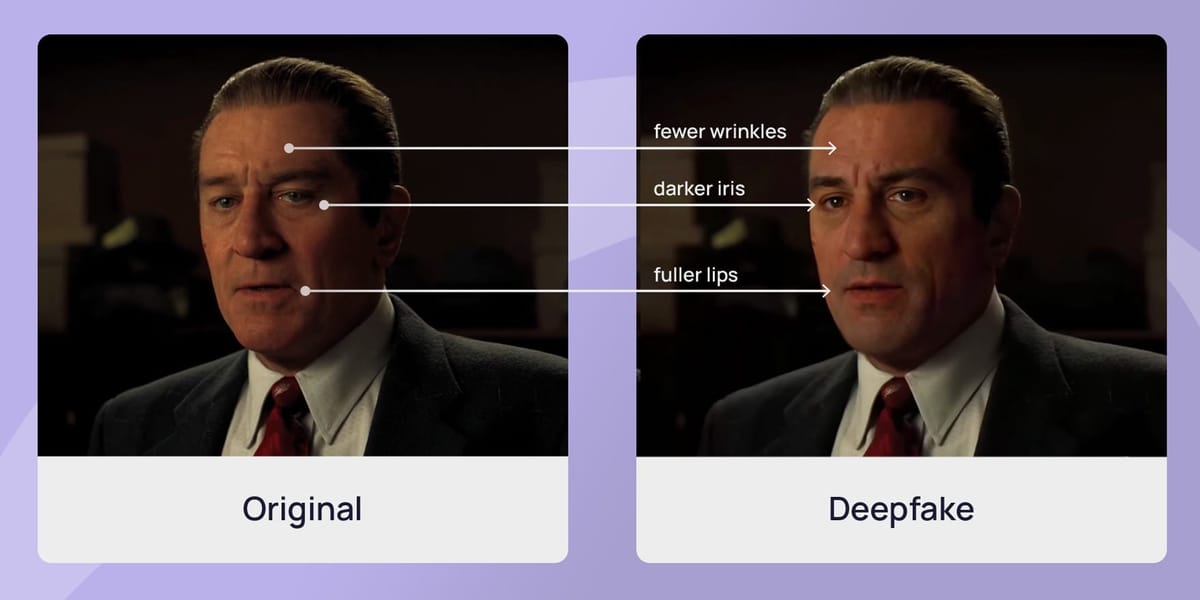
With the rapid advancement of digital technology, new challenges and risks have also emerged. The term “Deepfake”has become widely recognized in today’s digital age. Deepfake refers to a technology that uses Artificial Intelligence (AI) and Machine Learning (ML) to create videos, audio, or images that appear real but are entirely fabricated. This technology can superimpose someone’s face, voice, or expressions onto another person’s body or video, making it extremely difficult for the average viewer to distinguish reality from fake.
Origins and Misuse
Initially, deepfake technology was developed for entertainment and enhancing special effects (VFX) in films. However, in recent years, its misuse has increased significantly. Without a person’s consent, deepfakes have been used to create offensive videos, spread false news, or damage someone’s reputation.
How Deepfakes Work
The core of deepfake technology is based on neural networks and deep learning. These systems analyze thousands of images and video clips to learn the patterns of a person’s face or voice. Once learned, these patterns can be applied to another video or audio to create highly realistic content. Nowadays, even ordinary users can create deepfakes easily using mobile apps or software, making the technology more dangerous.
Reputation Damage
One of the greatest risks of deepfakes is damage to personal reputation. Political leaders, celebrities, or social figures have been targeted to spread false or harmful content. Sharing unethical or explicit content with someone’s face on social media can seriously affect their personal and professional life.
For today’s youth, online image and social reputation are crucial. Publicly circulated deepfake videos can destroy a person’s self-esteem, career, and future. Victims have experienced depression, mental stress, and social ostracism due to such content.
 Erik Hapke
Blackmail and Financial Exploitation
Deepfake technology is increasingly used as a tool for blackmail. Criminal groups create explicit videos using a person’s face and demand money to prevent them from being shared. Deepfakes are also used in personal disputes or breakups to defame or extort individuals, often targeting women and minors.
Deepfakes on the Dark Web and Porn Websites
The dark web hosts illegal activities, including deepfake pornography. Criminals create fake pornographic content using women’s faces and sell it online. Some adult websites also host deepfake videos, causing victims severe psychological distress. Once uploaded, these videos are nearly impossible to remove completely. Such misuse has introduced a new dimension of cybercrime and violence against women. Victims often face great difficulty seeking legal justice because deepfake content is distributed across servers worldwide.
Misinformation in News and Politics
Deepfakes can fabricate false speeches or statements of political leaders and public figures. When these videos spread on social media, they can mislead the public, create confusion, and increase social divisions. In several countries, deepfakes have been used for election misinformation, posing a threat to democratic systems.
How to Protect Yourself
Being vigilant is crucial to prevent deepfake abuse. If a video or audio seems suspicious or extraordinary, verify its authenticity immediately. Deepfake content often shows subtle irregularities in facial expressions or voice patterns.
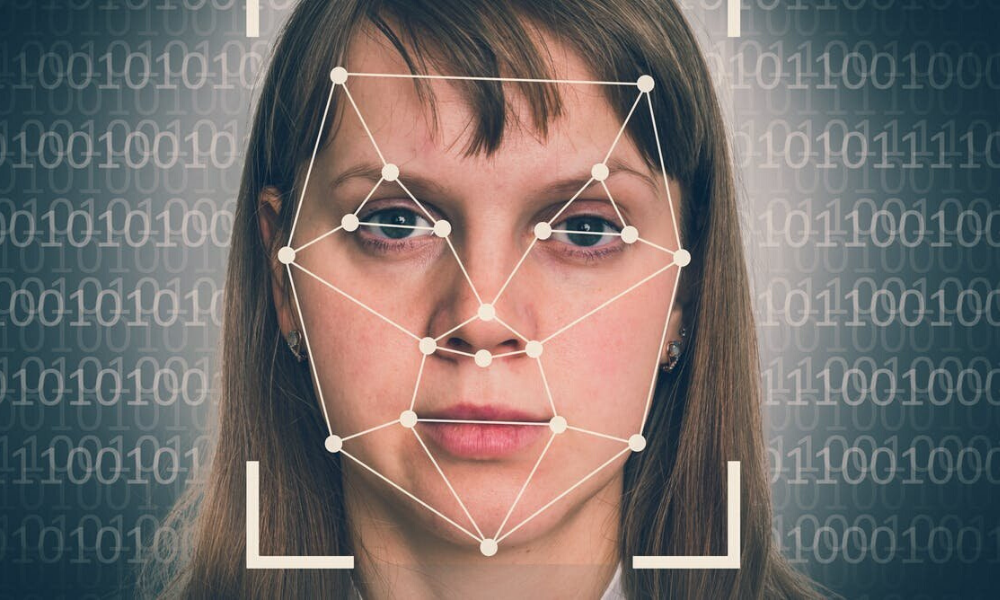
Avoid posting personal photos or videos unnecessarily on public platforms, and protect sensitive data. Governments and tech companies are developing algorithms and software to detect deepfakes by analyzing pixel data and facial movements.
Legal Perspective
Many countries have strengthened laws against deepfake crimes. Creating or distributing explicit deepfake content can result in fines or imprisonment. In Nepal, efforts are underway to classify deepfake as a cybercrime under existing laws. However, legal action is challenging since many perpetrators operate from foreign countries, requiring international cooperation to enforce the law.
Future of Deepfake Technology
Deepfakes are not entirely negative. When used responsibly, they can revolutionize filmmaking, video games, and education. For example, recreating historical figures’ faces for educational content is a positive application.
However, strict laws, public awareness, and technological safeguards are necessary to prevent misuse. Without these measures, deepfakes could undermine social trust, personal reputation, and democratic institutions.
Conclusion
Deepfake technology is a powerful but dangerous tool. It is being used to damage reputations, blackmail victims, and distribute fake videos on the dark web and adult sites. Controlling and using it responsibly is one of the key challenges of today’s digital era. Everyone must use the internet responsibly and remain vigilant against the harmful effects of deepfakes.