Tree Cutting Services in Nepal

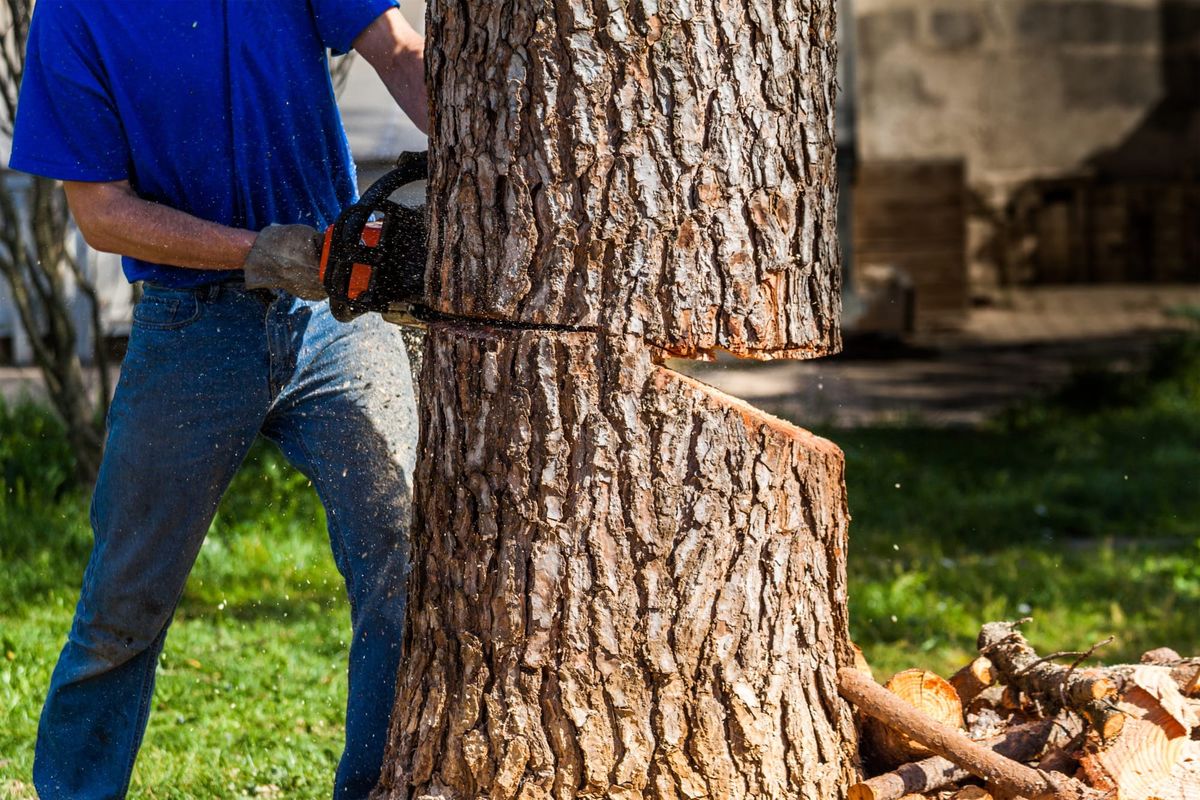
Tree cutting, also known as tree felling, is a necessary activity in Nepal for infrastructure development, agriculture, urban expansion, and safety management. However, due to Nepal’s rich biodiversity and strong environmental protection policies, tree cutting is strictly regulated.
Whether for private land, community forests, or government projects, understanding the legal framework, safety procedures, and environmental responsibilities is essential.
 Cleaning Sewa
This article explores the key aspects of tree cutting services in Nepal, including things to consider before cutting trees, the process involved, legal provisions, permissions, and safety measures.
1. Importance of Tree Cutting Services in Nepal
Tree cutting services are required in several situations:
- Removal of dead, diseased, or hazardous trees
- Clearing land for construction or infrastructure projects
- Managing forests for sustainable timber production
- Preventing damage to property or power lines
Professional tree cutting services ensure that trees are removed safely, efficiently, and in compliance with environmental laws.
2. Things to Consider Before Cutting Trees
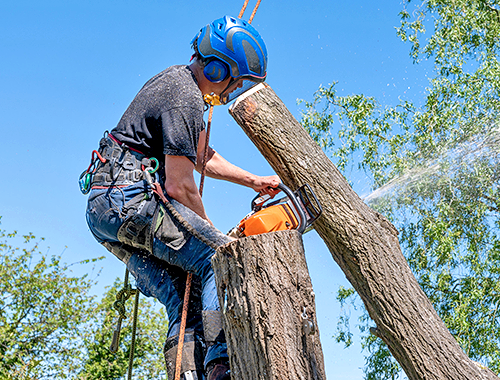
Before cutting any tree in Nepal, several important factors must be evaluated:
a. Environmental Impact
Trees play a crucial role in maintaining ecological balance. Cutting trees can lead to:
- Soil erosion
- Loss of biodiversity
- Climate change impacts
Nepal is known for its conservation efforts, so unnecessary tree cutting should always be avoided.
b. Tree Condition
Assess whether the tree is:
- Dead or diseased
- Structurally unstable
- Interfering with infrastructure
If a tree is healthy, alternatives like pruning or relocation should be considered.
c. Location of the Tree
The legal requirements differ based on where the tree is located:
- Private land
- Community forest
- Government forest
- Protected areas or national parks
Trees in protected forests have stricter regulations.
d. Ownership and Rights
Even if a tree is on private land, ownership rights do not always grant unrestricted cutting. Certain species and locations still require approval.
e. Social and Community Impact
In Nepal, many forests are managed by local communities. Cutting trees without community consent can lead to disputes.
3. Tree Cutting Process in Nepal
Tree cutting is not simply about chopping down a tree. It involves a systematic and technical process:

Step 1: Inspection and Assessment
- Experts evaluate the tree’s condition, size, and surroundings
- Risks to nearby structures and people are identified
Step 2: Obtaining Permission
- Required permits must be secured before any cutting begins
- Trees may need to be marked, measured, and approved by authorities
Step 3: Planning the Cutting Method
- Decide the direction of fall
- Identify escape routes for workers
- Choose appropriate tools (chainsaws, ropes, cranes)
Step 4: Tree Cutting (Felling)
- Trees are often cut in sections from the top down in urban areas to avoid damage
- In open areas, directional felling is used

Step 5: Removal and Disposal
- Logs are transported to designated locations
- Waste is cleared responsibly
Step 6: Replantation (if required)
- In many cases, authorities require planting new trees to compensate for loss
4. Legal Framework Governing Tree Cutting in Nepal
Tree cutting in Nepal is governed by several laws and policies, primarily:
a. Forest Act, 2076 (2019)
The Forest Act 2076 is the main legal framework regulating forests. It emphasizes:
- Conservation and sustainable use of forest resources
- Prohibition of unauthorized tree cutting
- Strict penalties for illegal logging
b. Key Legal Rules
- Cutting trees without permission is generally illegal
- Transporting or selling timber without authorization is prohibited
- Forest land cannot be used for other purposes without government approval
c. Older Legal Provisions
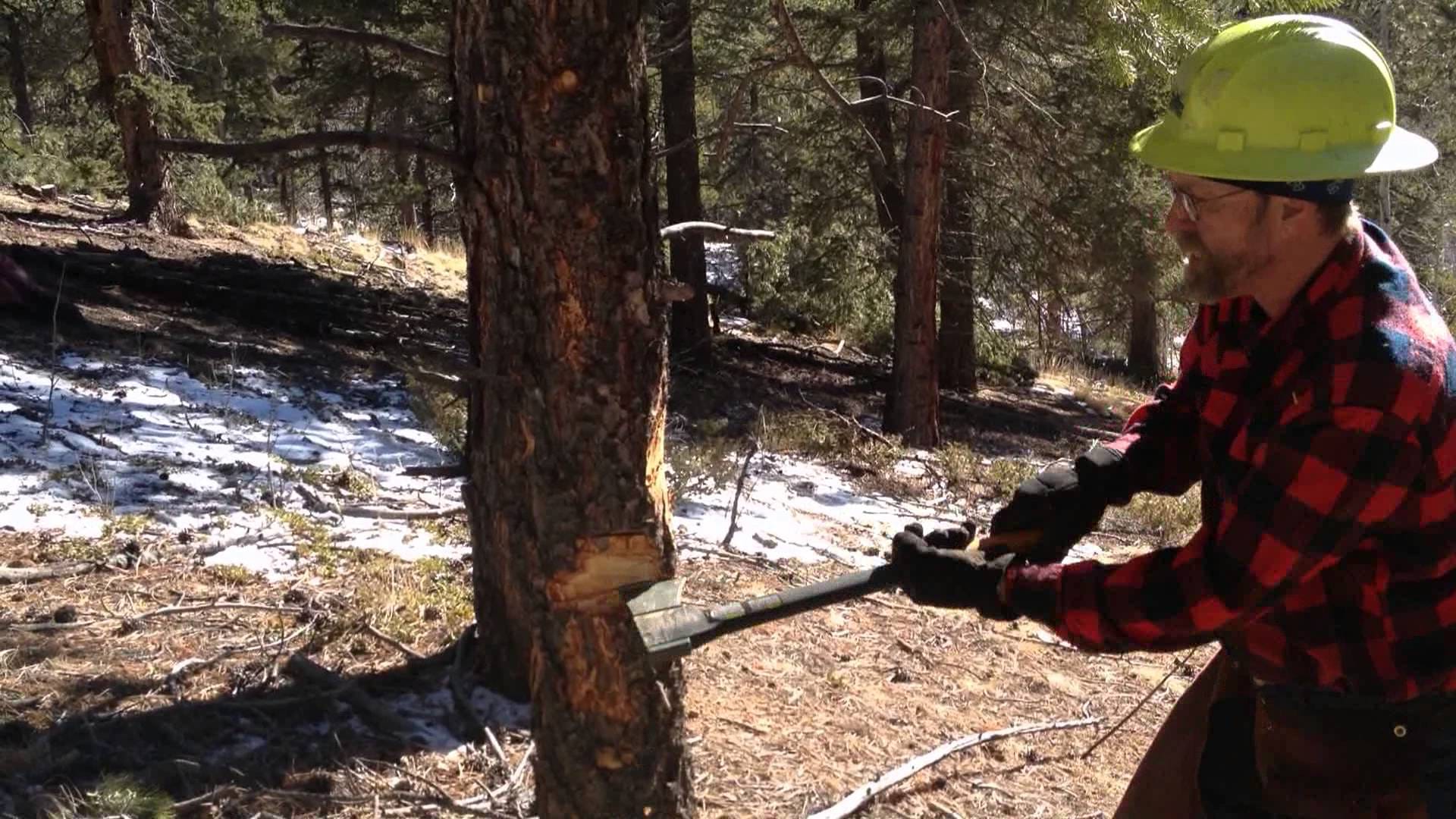
Earlier laws like the Forest Act 1993 also prohibited tree felling in national forests without government approval
d. Special Cases
- Some private forest owners may cut certain species without permission under specific regulations
- However, this does not apply universally and depends on species and classification
5. Permission Requirements
Obtaining permission is one of the most critical steps in tree cutting in Nepal.
a. Authorities Involved
- District Forest Office (DFO)
- Local municipalities or ward offices
- Ministry of Forests and Environment
b. Application Process
Typical steps include:
- Submit a written application
- Provide details of tree species, number, and location
- Site inspection by officials
- Approval and marking of trees
In many cases, trees must be numbered and marked before cutting begins
c. Challenges in Approval
Getting permission can sometimes be time-consuming due to environmental concerns and bureaucratic procedures. Large projects often face delays due to strict clearance requirements

d. Community Forest Permissions
If the tree is in a community forest:
- Approval from the community forest user group is required
- Local committees play a major role in decision-making
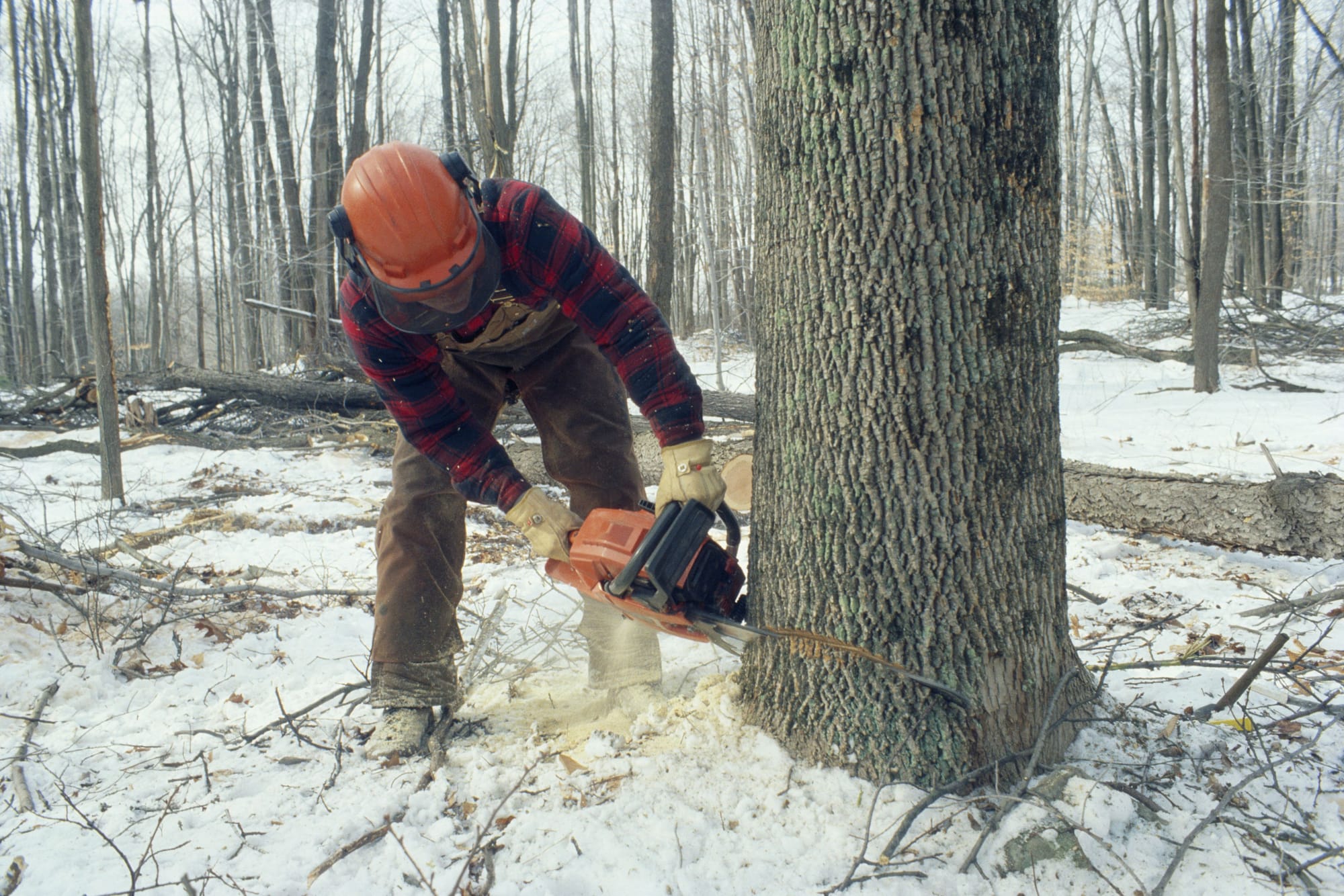
6. Safety Measures in Tree Cutting
Tree cutting is a high-risk activity. Proper safety measures are essential to prevent accidents.
a. Personal Safety Equipment
Workers should use:
- Helmets
- Safety gloves
- Eye protection
- Chainsaw-resistant clothing
- Safety boots
b. Site Safety
- Clear the surrounding area
- Keep people at a safe distance
- Use warning signs
c. Technical Safety Practices
- Cut trees in sections in urban areas
- Control falling direction
- Use ropes and cranes when necessary
d. Protection of Property
Contractors must ensure no damage to nearby structures, roads, or utilities during cutting
e. Emergency Preparedness
- First aid kits must be available
- Workers should be trained in emergency response
7. Environmental Responsibilities
Tree cutting must be balanced with environmental protection.
a. Reforestation
In many development projects, authorities require planting multiple trees for every tree cut.
b. Sustainable Forestry
Nepal promotes scientific forest management to ensure long-term sustainability
c. Wildlife Protection
Cutting trees in habitats of endangered species may be restricted or prohibited.
8. Penalties for Illegal Tree Cutting
Illegal tree cutting is a serious offense in Nepal. Consequences may include:
- Heavy fines
- Confiscation of timber
- Imprisonment
- Legal action against individuals or companies
Strict enforcement aims to prevent deforestation and protect biodiversity.
9. Role of Professional Tree Cutting Services
Hiring professional services is highly recommended because they:
- Understand legal requirements
- Ensure safety compliance
- Use proper equipment
- Handle permits and documentation
- Minimize environmental damage
Untrained individuals cutting trees can cause accidents, legal issues, and environmental harm.
Conclusion
Tree cutting in Nepal is a regulated and sensitive activity due to the country’s commitment to environmental conservation and sustainable development. Before cutting any tree, individuals and organizations must carefully consider ecological impacts, legal requirements, and safety precautions.
The process involves proper assessment, obtaining necessary permissions, following technical procedures, and ensuring safety at every stage. Laws such as the Forest Act 2076 strictly prohibit unauthorized tree cutting, making compliance essential.
Ultimately, responsible tree cutting—combined with reforestation and sustainable practices—ensures that Nepal can balance development needs with environmental protection for future generations.