The History of Meditation and Powerful Practices for Inner Transformation
Osho believed that traditional silent methods were difficult for modern individuals who carry suppressed emotions, stress, and mental restlessness. He argued that before silence, there must be catharsis. Before stillness, there must be release.
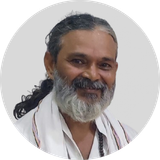

Meditation is not a modern trend. It is not merely a relaxation technique or a fashionable wellness practice. Meditation is one of humanity’s oldest methods of self-discovery. Across civilizations and centuries, people have turned inward to understand the mind, calm emotions, and explore deeper dimensions of consciousness. Today, meditation is practiced in homes, temples, monasteries, and even corporate offices around the world. Yet its roots stretch back thousands of years.
Understanding meditation fully requires looking at its history, its philosophical meaning, and how modern spiritual teachers like Osho redefined it for contemporary life. Meditation has evolved, but its essence remains the same: awareness.
The Ancient Origins of Meditation
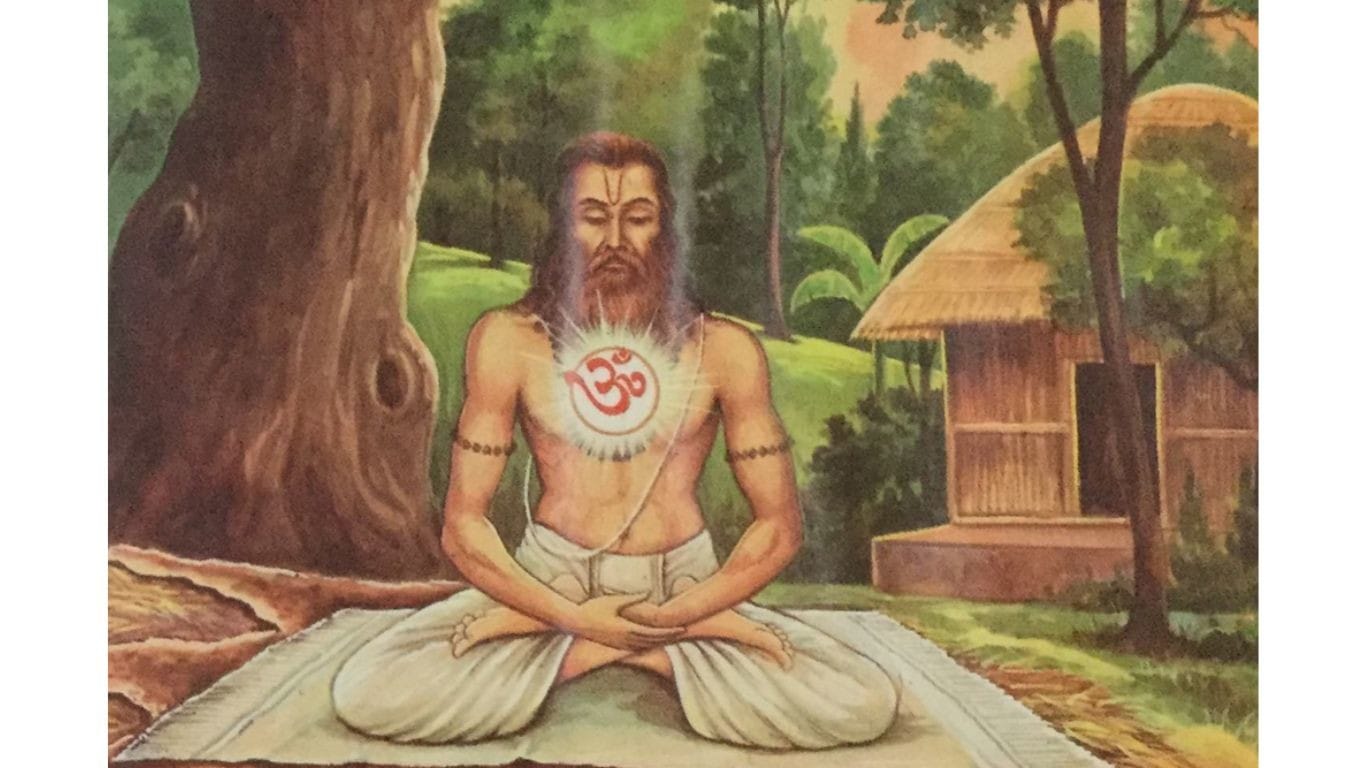
The earliest records of meditation are found in ancient India. The Vedic texts, written more than 3,000 years ago, describe practices of contemplation and deep inward focus. In these early traditions, meditation was a spiritual discipline aimed at understanding the true nature of the self and the universe.
Later, meditation became central to Buddhism through the teachings of Gautama Buddha. The Buddha emphasized mindfulness and awareness of breathing as pathways to liberation from suffering. Meditation in Buddhism was not about belief but direct experience like observing thoughts, sensations, and emotions without attachment.
In China, meditation developed through Taoist practices focused on harmony with nature. In Japan, Zen Buddhism emphasized seated meditation, or “Zazen,” where silence and simplicity became the doorway to insight. Across cultures, despite differences in style and philosophy, meditation always pointed toward inner stillness and self-awareness.
Meditation in the Modern World

In the twentieth century, meditation gradually moved from monasteries into mainstream society. Scientists began studying its psychological and physiological effects. Research showed that meditation reduces stress, improves concentration, enhances emotional regulation, and supports overall well-being.
However, modern life presents unique challenges. Fast-paced routines, constant digital stimulation, and emotional pressure make it difficult for many people to sit silently and immediately experience peace. This is where Osho introduced a revolutionary perspective.
How Osho Defined Meditation

According to Osho, meditation is not concentration, not prayer, and not repeating mantras mechanically. He defined meditation as a state of pure awareness, being fully present without judgment. In his view, meditation is not something you “do”; it is something that happens when you become silent inside.
Osho believed that traditional silent methods were difficult for modern individuals who carry suppressed emotions, stress, and mental restlessness. He argued that before silence, there must be catharsis. Before stillness, there must be release.
He often said that meditation is the art of watching. Watching your thoughts. Watching your emotions. Watching your body. Without trying to change anything. This witnessing, according to Osho, is transformative. When awareness deepens, the mind naturally becomes quiet.
Unlike rigid spiritual systems, Osho’s approach was experimental. He encouraged people to experience meditation directly rather than accept any belief blindly. For him, meditation was a science of consciousness.
Osho’s Active Meditation Techniques
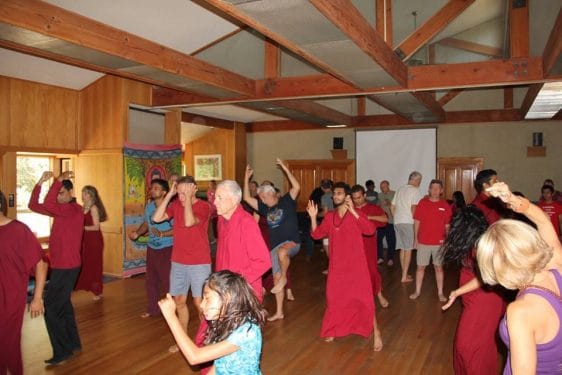
One of Osho’s major contributions was the creation of Active Meditation techniques. These methods were designed specifically for modern individuals.
Dynamic Meditation, perhaps the most well-known, involves intense breathing, emotional expression, jumping, silence, and celebration. The purpose is to release suppressed tension and mental clutter before entering stillness.
Kundalini Meditation includes shaking, dancing, sitting silently, and resting. It allows the body to discharge accumulated stress and prepares the mind for awareness.
Nadabrahma Meditation uses humming and gentle hand movements to create inner balance. It harmonizes the nervous system and encourages subtle awareness.
Osho believed that through movement and expression, the mind’s accumulated chaos dissolves more easily than through forced silence.
The Core Principle: Witnessing

At the heart of both ancient traditions and Osho’s teachings lies one central principle: witnessing. Witnessing means observing everything that happens inside without identifying with it.
Thoughts arise. Emotions arise. Sensations arise. Instead of saying, “I am angry,” witnessing allows you to notice, “Anger is present.” This subtle shift creates distance. In that distance, clarity appears.
 Swami Devraj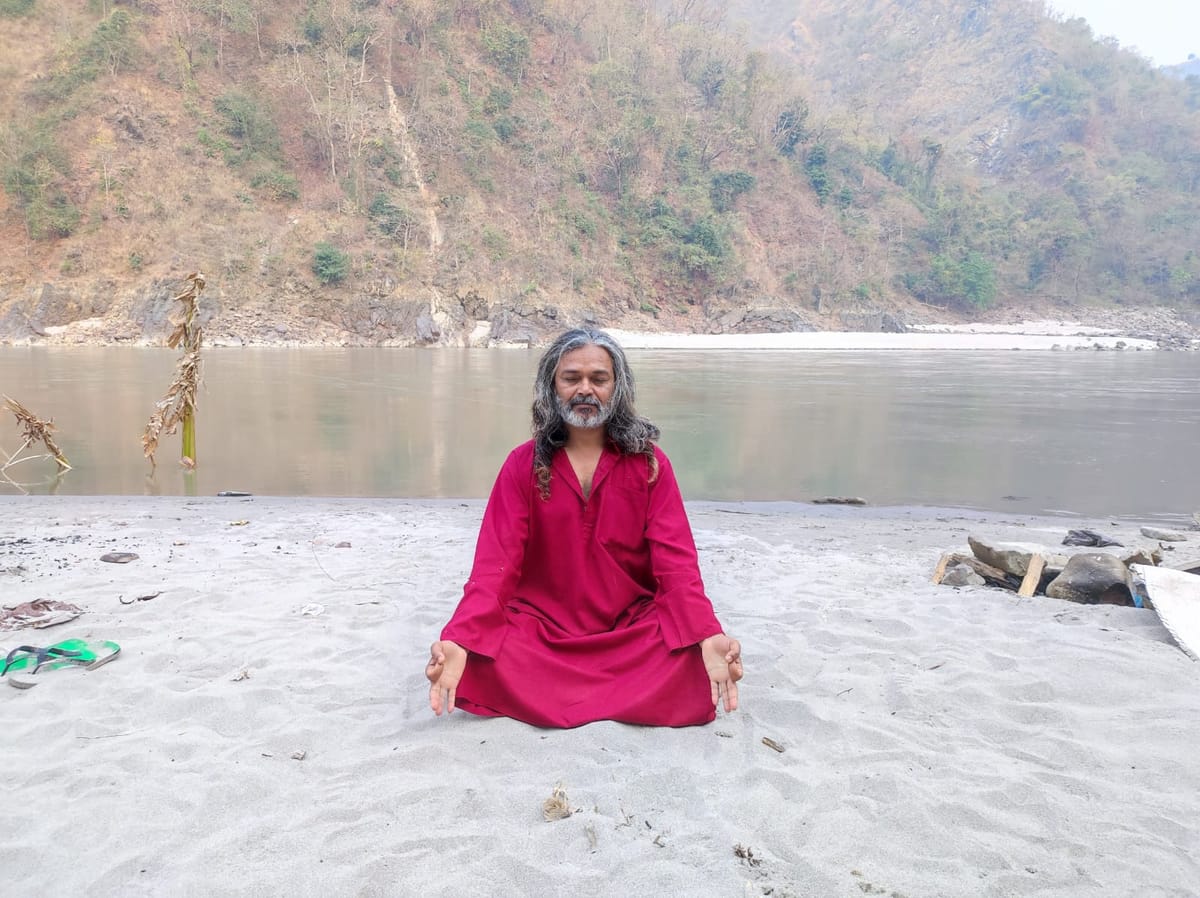
According to Osho, when you watch the mind without interference, it gradually slows down. Silence is not forced; it emerges naturally. In that silence, deeper awareness unfolds.
Meditation as a Daily Practice
Meditation does not require special conditions. It can begin with simple awareness of breathing for ten minutes a day. It can continue while walking, eating, or listening. The key is consistency.
Regular meditation strengthens attention, emotional balance, and resilience. Over time, awareness becomes a natural state rather than an effort. The mind remains active, but it no longer dominates.
The Transformation Meditation Offers

Meditation transforms the relationship with oneself. Fear becomes something observed rather than something controlling. Stress becomes manageable. Emotional pain becomes understandable rather than overwhelming.
Historically, meditation aimed at enlightenment or spiritual liberation. In modern times, it also supports mental health and personal growth. Through teachers like Osho, meditation evolved into an accessible practice for ordinary life.
The journey of meditation is not about becoming someone else. It is about discovering who you truly are beneath layers of thought and conditioning. Across centuries, cultures, and philosophies, this remains the essence.
From ancient caves in the Himalayas to modern urban apartments, meditation continues to guide individuals inward. And whether approached through traditional silence or Osho’s dynamic methods, its purpose remains the same: awakening awareness.