The four core principles behind successful companies
When Amazon invested heavily in infrastructure, cloud computing, and logistics, many critics questioned its profitability. However, these long-term bets eventually led to transformative platforms such as Amazon Web Services (AWS), which became one of the company’s most profitable divisions.

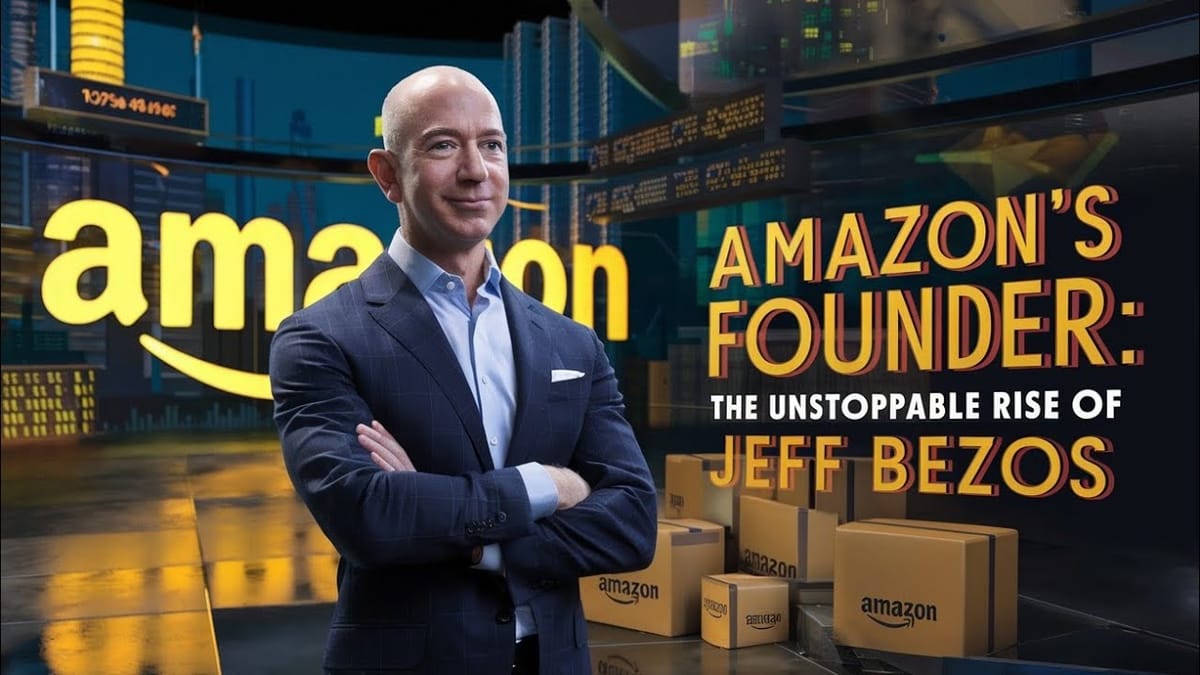
When Jeff Bezos speaks about business, entrepreneurs and corporate leaders listen carefully. As the founder of Amazon and one of the most influential business figures of the modern era, Bezos has consistently emphasized that long-term success is not built on luck, hype, or short-term gains—but on disciplined principles.
Over the years, Bezos has revealed four core principles that he believes define successful companies: customer obsession, long-term thinking, innovation and experimentation, and operational excellence. These pillars have not only shaped Amazon’s rise from an online bookstore to a global technology powerhouse but also serve as a blueprint for startups, enterprises, and even public institutions seeking sustainable growth.
1. Customer Obsession Over Competitor Focus
Bezos often distinguishes between being “competitor-focused” and “customer-obsessed.” While many companies design strategies around outperforming rivals, Bezos argues that enduring businesses obsess over customers instead.
Customer obsession means deeply understanding customer pain points, anticipating their needs, and continuously improving their experience—even when customers themselves may not explicitly ask for it. Amazon’s relentless focus on lower prices, faster delivery, easy returns, and personalized recommendations stems from this philosophy.
For Bezos, customer trust is the most valuable asset a company can build. Once trust is earned, loyalty follows. Companies that prioritize short-term profits over customer experience may see temporary gains, but they risk losing credibility. In contrast, customer-obsessed companies build long-term relationships.
This principle is particularly relevant in emerging digital markets like Nepal, where digital transformation is accelerating. Businesses that prioritize user experience—whether in e-commerce, fintech, healthcare, or IT services—will likely outperform those focused purely on margins.
2. Long-Term Thinking as a Strategic Advantage
Another principle Bezos consistently highlights is long-term thinking. In his annual shareholder letters, he repeatedly emphasized the importance of making decisions that may not yield immediate profits but create durable value over time.
When Amazon invested heavily in infrastructure, cloud computing, and logistics, many critics questioned its profitability. However, these long-term bets eventually led to transformative platforms such as Amazon Web Services (AWS), which became one of the company’s most profitable divisions.
Bezos believes that in a world obsessed with quarterly earnings and short-term stock performance, companies willing to think five to ten years ahead gain a significant competitive edge. Long-term thinking allows businesses to invest in innovation, build capabilities, and weather temporary setbacks.
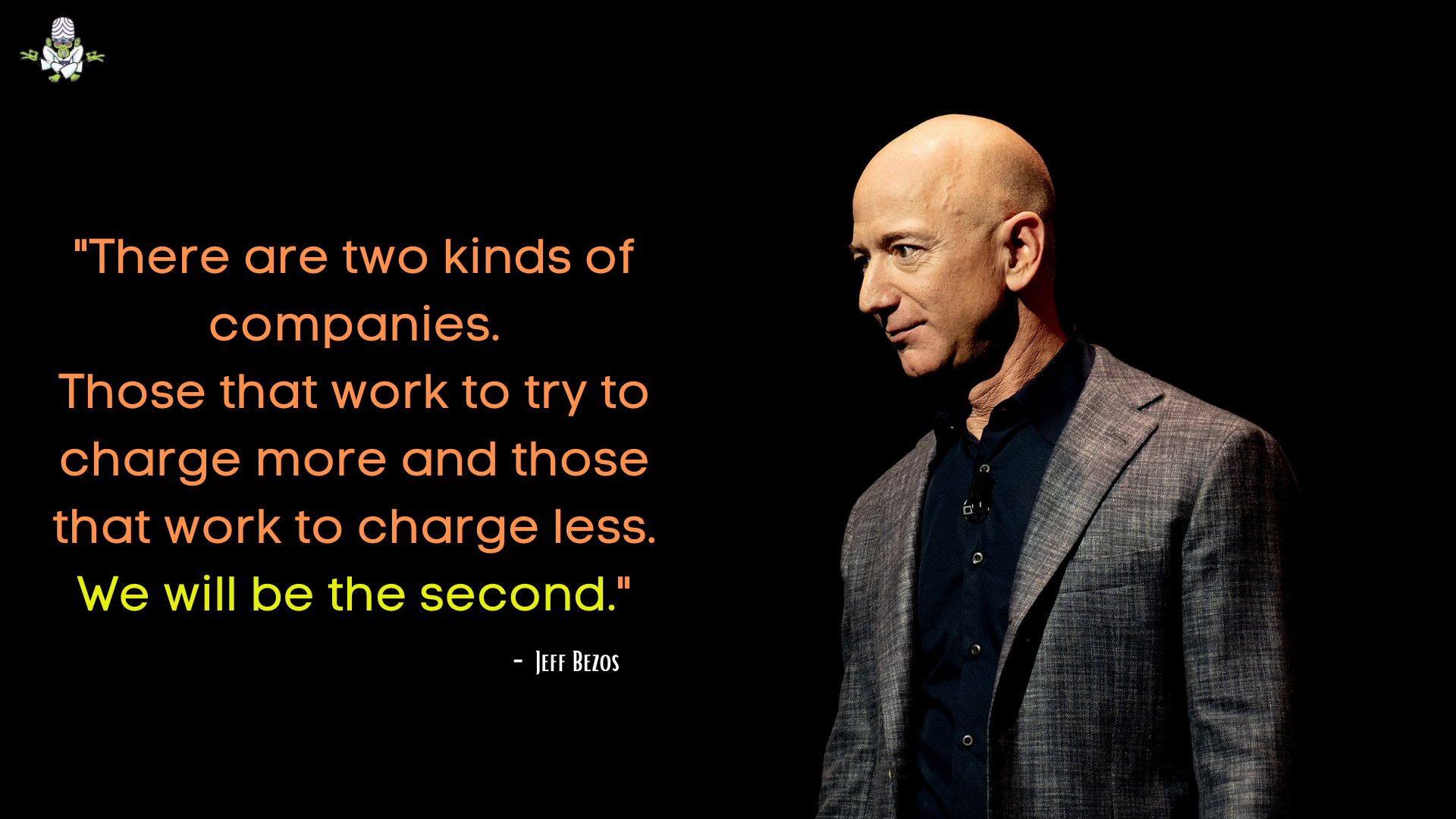
This mindset is crucial for startups and institutions aiming to build sustainable ecosystems rather than chasing quick wins. It also aligns with broader economic transformation strategies, where policy frameworks and digital infrastructure must be built with a generational perspective.
3. Relentless Innovation and Willingness to Experiment
Bezos is known for encouraging experimentation—even when it leads to failure. He has repeatedly stated that innovation requires risk, and risk inevitably brings failure. However, companies that avoid risk in fear of failure often stagnate.
Amazon experimented with numerous products and services, some of which failed publicly. Yet, the willingness to test ideas, learn quickly, and scale successful ones created a culture of continuous innovation.
 Michael Ojobo
Bezos often refers to this as maintaining a “Day 1” mentality—approaching business with the energy, curiosity, and urgency of a startup, even as the company grows. In his view, “Day 2” represents stagnation, irrelevance, and eventual decline.
Innovation is not limited to product development; it includes business models, logistics, technology integration, and organizational culture. Successful companies build systems that allow rapid experimentation, data-driven decisions, and quick iteration.
For entrepreneurs and IT-driven initiatives, this principle reinforces the importance of agility. Markets evolve rapidly, especially in digital sectors. Organizations that experiment intelligently—while managing risk—are more likely to remain competitive.
4. Operational Excellence and High Standards
While innovation and long-term thinking are essential, Bezos emphasizes that execution is equally critical. Operational excellence ensures that ideas translate into consistent results.
Amazon’s culture is famously data-driven and performance-oriented. Bezos insists on high standards across teams, believing that excellence is contagious. Leaders must not only set ambitious goals but also create systems that support accountability, efficiency, and measurable outcomes.
Operational excellence involves optimizing supply chains, reducing inefficiencies, maintaining quality control, and leveraging technology to improve processes. It also includes building strong leadership frameworks and empowering teams to make informed decisions.
Bezos argues that high standards are not static; they evolve. What is considered excellent today may be average tomorrow. Therefore, companies must continuously raise their benchmarks.
For businesses in developing and transitioning economies, this principle underscores the importance of governance, digital tools, and process optimization. Sustainable growth requires not just bold ideas but disciplined execution.
The Integrated Impact of the Four Principles
What makes Bezos’ philosophy powerful is not any single principle in isolation, but the integration of all four. Customer obsession drives purpose. Long-term thinking shapes strategy. Innovation fuels growth. Operational excellence ensures delivery.
Together, these principles create a resilient business model capable of adapting to technological disruption and market volatility.
 PRACAS Upreti
Even beyond the corporate world, these ideas offer insights for policymakers, digital transformation leaders, and entrepreneurs working to uplift regional economies. A customer-first approach can guide public service reforms. Long-term thinking can shape infrastructure and education policies. Innovation can stimulate employment and digital ecosystems. Operational excellence can strengthen institutional credibility.
Lessons for Emerging Entrepreneurs
For founders and startup leaders, Bezos’ framework provides a practical checklist:
- Are we truly solving a meaningful problem for customers?
- Are we making decisions based on long-term value?
- Do we encourage experimentation and accept intelligent failure?
- Are our systems and teams aligned for operational excellence?
Companies that can answer “yes” to these questions are more likely to build enduring value rather than temporary momentum.
Conclusion
The journey of Jeff Bezos and the evolution of Amazon demonstrate that sustainable success is built on principles, not shortcuts. In an increasingly competitive and fast-changing global economy, businesses that embrace customer obsession, long-term vision, continuous innovation, and operational discipline position themselves for lasting impact.
Whether you are launching a startup, leading a technology initiative, or transforming a traditional enterprise, these four core principles offer a timeless roadmap for building companies that not only grow—but endure.