The End of Diesel/Petrol Vehicles
In urban areas of Nepal, cities like Kathmandu and Pokhara regularly face smog and poor air quality, largely due to emissions from diesel and petrol vehicles. The shift to EVs offers a way to dramatically reduce these emissions, improving air quality and public health.


The world is at a turning point in transportation. For over a century, diesel and petrol vehicles have dominated roads across the globe, powering economies, connecting cities, and shaping lifestyles. Yet, the era of internal combustion engines is drawing to a close. Electric vehicles (EVs) are emerging as the future of clean, efficient, and sustainable transportation, and countries like Nepal are embracing this revolution with increasing enthusiasm.
The Environmental Cost of Fossil Fuels
Diesel and petrol vehicles rely on fossil fuels, which are finite resources formed over millions of years from ancient organic matter. When burned, they release carbon dioxide (CO₂) and other greenhouse gases into the atmosphere, contributing to global warming, air pollution, and health problems. In urban areas of Nepal, cities like Kathmandu and Pokhara regularly face smog and poor air quality, largely due to emissions from diesel and petrol vehicles. The shift to EVs offers a way to dramatically reduce these emissions, improving air quality and public health.
Economic Incentives for EV Adoption
Electric vehicles are not just environmentally friendly—they are economically advantageous in the long run. In Nepal, the government has introduced tax reductions, subsidies, and incentives for EV buyers, making them more affordable. Unlike petrol and diesel vehicles, which require constant fuel purchases, EVs are powered by electricity, which is abundant and cheap in Nepal thanks to the country’s vast hydropower resources. This allows EV owners to save thousands of rupees every year on fuel costs.
Maintenance costs are also lower. EVs have fewer moving parts compared to internal combustion engines, which reduces the frequency of repairs and servicing. Batteries, once considered a limitation, are improving in lifespan and efficiency, making EVs more practical and cost-effective than ever before.
Government and Policy Support
Recognizing the environmental and economic benefits, the Nepalese government is actively promoting EV adoption. Policies such as reduced import taxes, exemptions on registration fees, and incentives for EV infrastructureencourage both consumers and businesses to make the switch. Additionally, the government is supporting charging infrastructure development across major highways and cities, making EVs more convenient for daily use.

Global trends also support this shift. Countries worldwide are setting targets to phase out petrol and diesel vehiclesover the next decade. European nations, India, and China are leading the charge, pushing for a future where electric vehicles dominate the roads. Nepal, with its growing EV market and policy support, is positioning itself to be part of this global transformation.
Technological Advancements
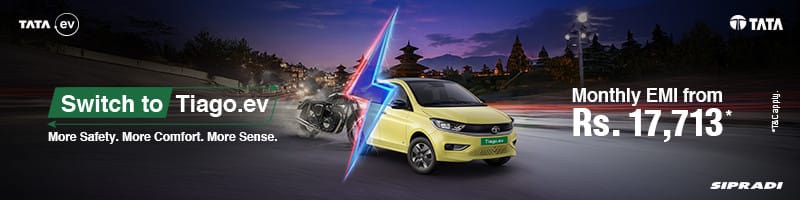
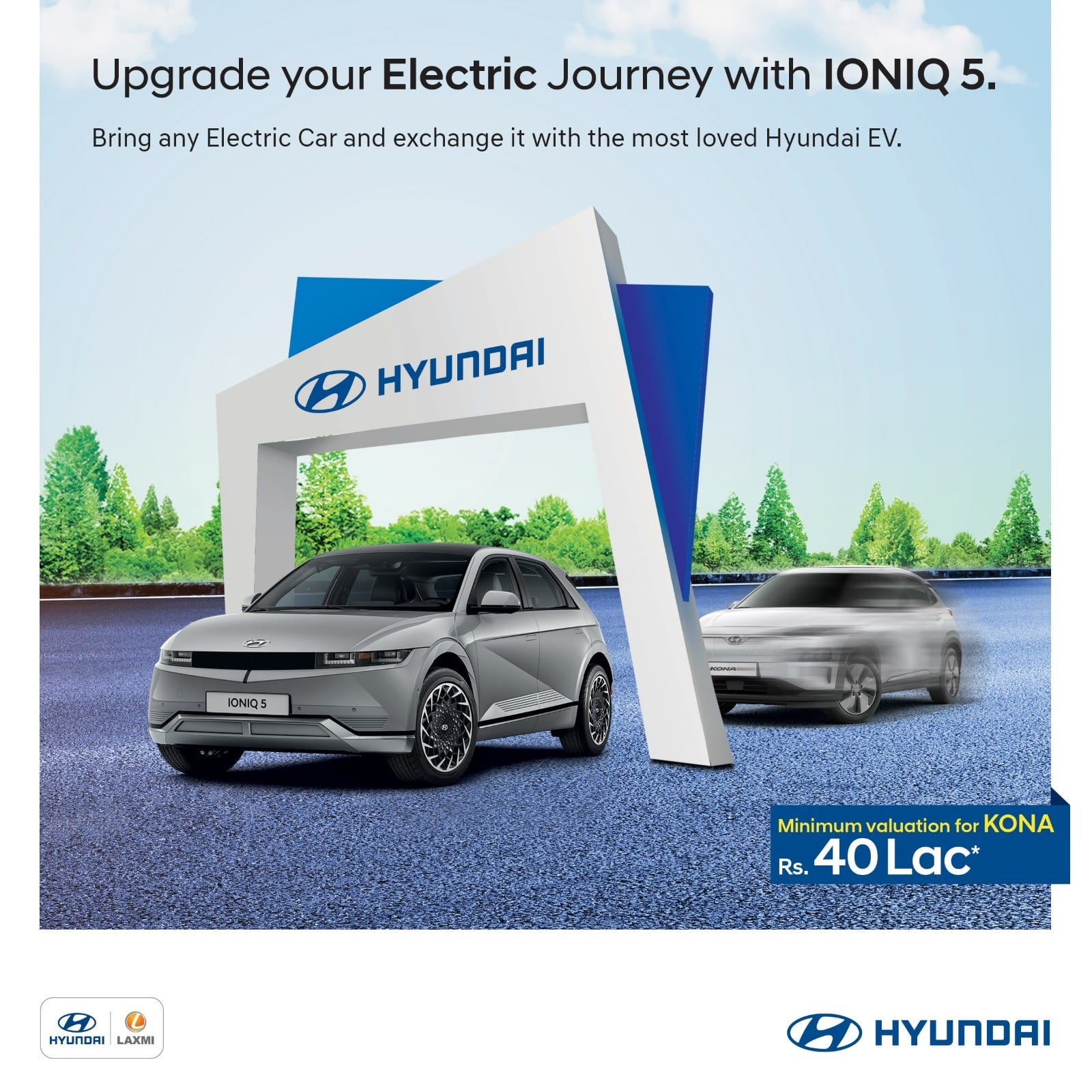
Technological innovation has accelerated the rise of EVs. Modern EVs now offer longer battery ranges, faster charging times, and advanced safety features, addressing the concerns many had about early models. Popular EV brands in Nepal such as Tata Motors, BYD, MG Motor, Hyundai, and Kia offer vehicles that are both practical and stylish, catering to city commuters, families, and even commercial transport.
Charging infrastructure is improving rapidly. Public charging stations, home chargers, and workplace charging are becoming more accessible. With advancements in battery technology, EVs are now capable of covering hundreds of kilometers on a single charge, rivaling the convenience of diesel and petrol vehicles.
Societal and Health Benefits
Switching from fossil fuel vehicles to EVs also brings health and societal benefits. Reduced air pollution means fewer respiratory illnesses and a cleaner urban environment. Noise pollution is lower as EVs operate almost silently compared to combustion engines. This contributes to better quality of life in congested cities and towns.
The adoption of EVs also creates new job opportunities in manufacturing, sales, service, and infrastructure development. Nepal’s growing EV market encourages local entrepreneurship and strengthens the economy while fostering innovation in sustainable technology.
Challenges and the Path Forward
While the advantages of EVs are clear, challenges remain. Charging infrastructure must expand further to support widespread adoption, battery disposal and recycling need attention, and public awareness campaigns are essential to shift perceptions. However, the momentum is undeniable. With government incentives, falling battery costs, and increasing availability of EV models, the transition away from diesel and petrol vehicles is gaining speed.
Conclusion
The age of diesel and petrol vehicles is coming to an end. Electric vehicles represent a cleaner, smarter, and more efficient future. They offer environmental benefits, economic savings, health improvements, and technological advancement—all while aligning Nepal with the global trend toward sustainable transportation.
For individuals, businesses, and governments, the choice is clear: embrace EVs now to enjoy lower costs, reduced pollution, and a sustainable future. The roads of Nepal—and the world—are gradually shifting from fossil fuels to electricity, marking a historic change in the way we move. Those who adopt EVs today are not just investing in a vehicle; they are investing in a cleaner, healthier, and brighter tomorrow.
The end of diesel and petrol vehicles is not a distant future—it is happening now. And Nepal is ready to lead the charge into this exciting new era of electric mobility.