Sustainability & Future Aviation Carbon Offsetting: Real Impact or Just Smart Marketing?
Aviation contributes approximately 2–3% of global carbon dioxide (CO₂) emissions, and with passenger numbers expected to grow significantly in the coming decades, the environmental impact of flying is under increasing scrutiny.


Air travel has become an essential part of modern life, connecting people, economies, and cultures across the globe. However, this connectivity comes with a cost. Aviation contributes approximately 2–3% of global carbon dioxide (CO₂) emissions, and with passenger numbers expected to grow significantly in the coming decades, the environmental impact of flying is under increasing scrutiny.
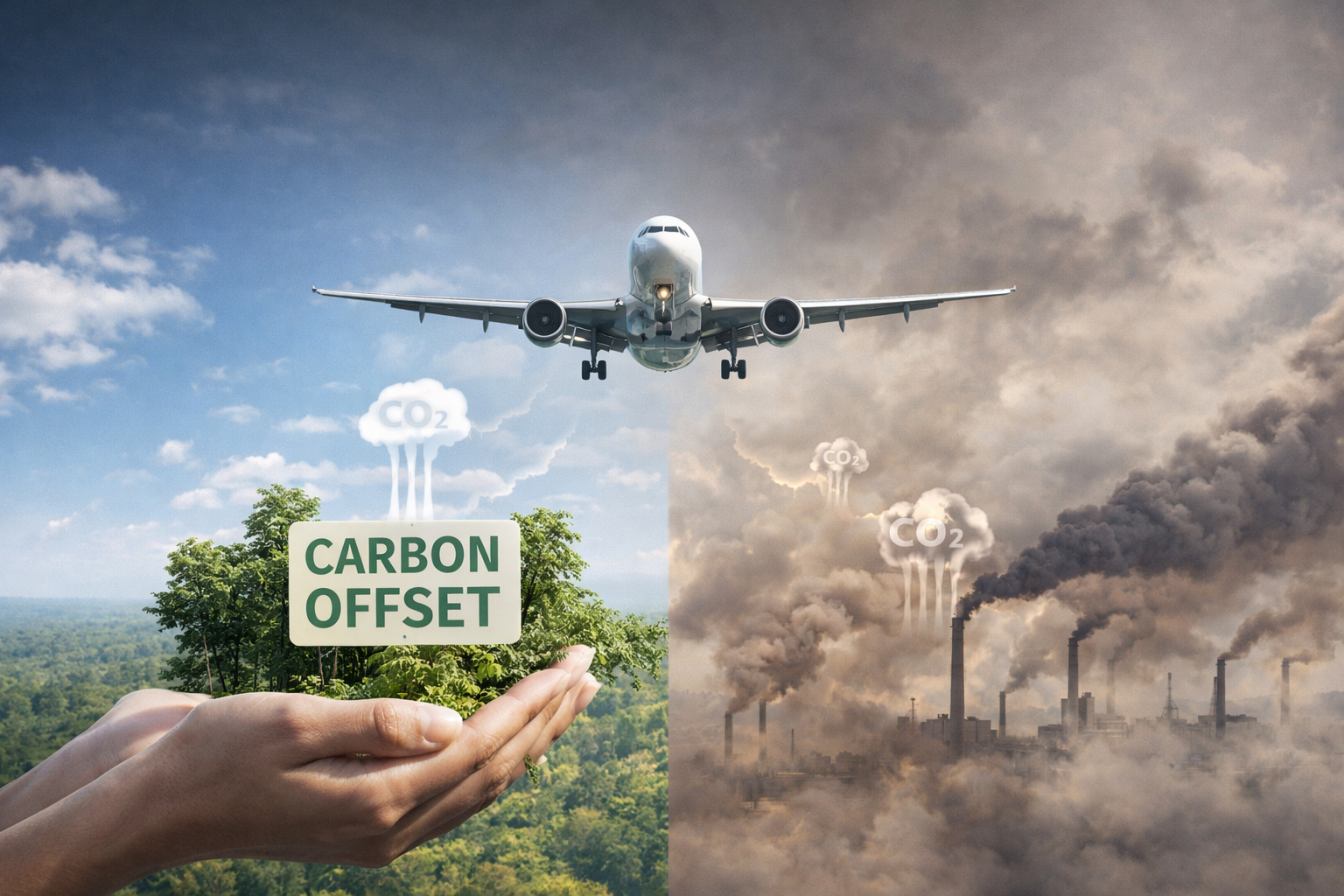
To address this challenge, the aviation industry has introduced several sustainability initiatives. Among them, carbon offsetting has gained widespread attention. Promoted as a way to balance emissions, it is now commonly offered to passengers during ticket booking and adopted by airlines as part of their environmental strategy.
But an important question remains:
Is carbon offsetting truly helping the planet, or is it simply a convenient way to ease environmental concerns without solving the real problem?
What Is Carbon Offsetting?
Carbon offsetting is a process where individuals or organizations compensate for their carbon emissions by funding projects that reduce or remove greenhouse gases from the atmosphere.
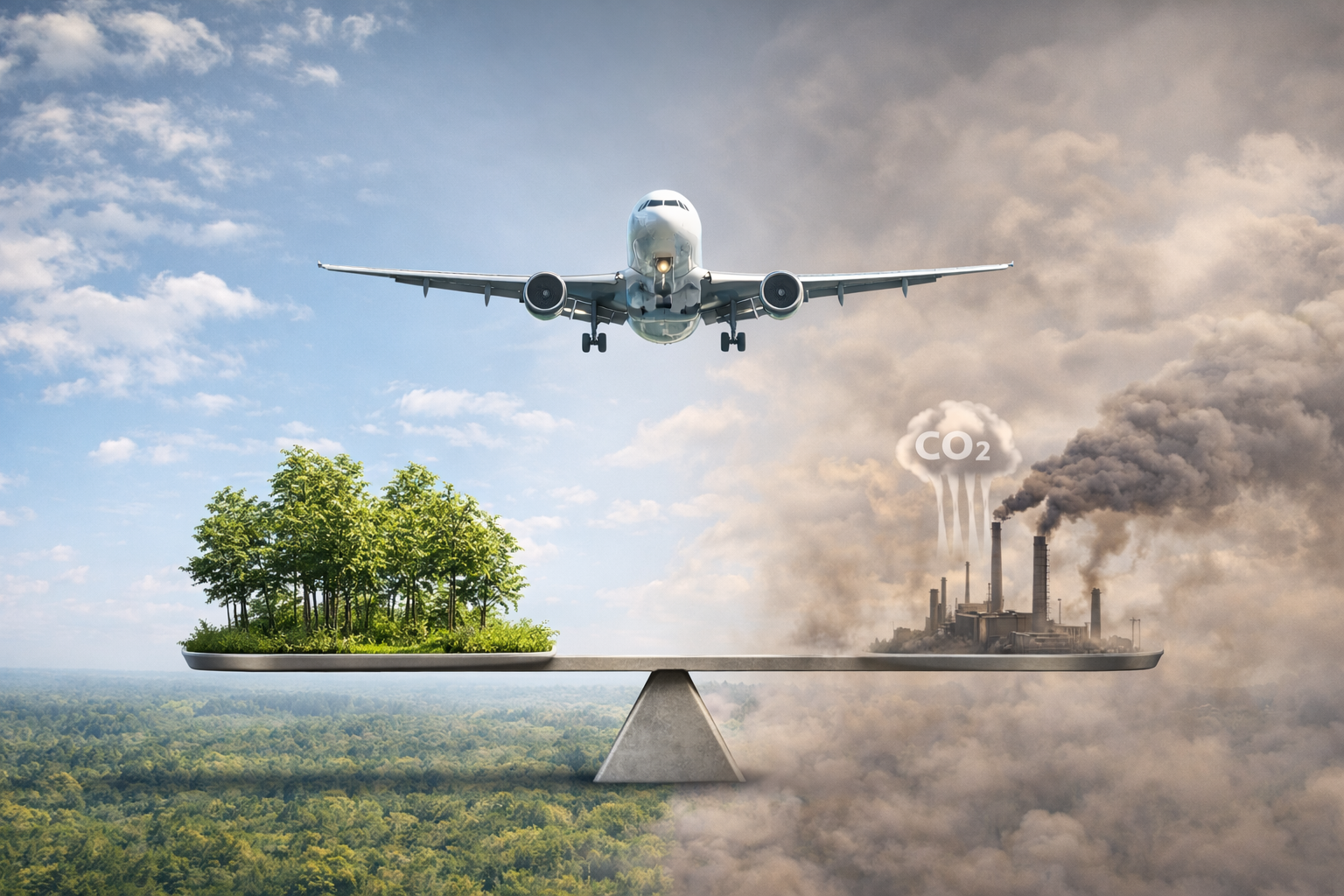
In aviation, this usually involves:
Passengers voluntarily paying extra to offset their flight emissions
Airlines investing in certified environmental projects
Governments are introducing offsetting frameworks to regulate emissions
Typical offset projects include:
Reforestation and forest conservation
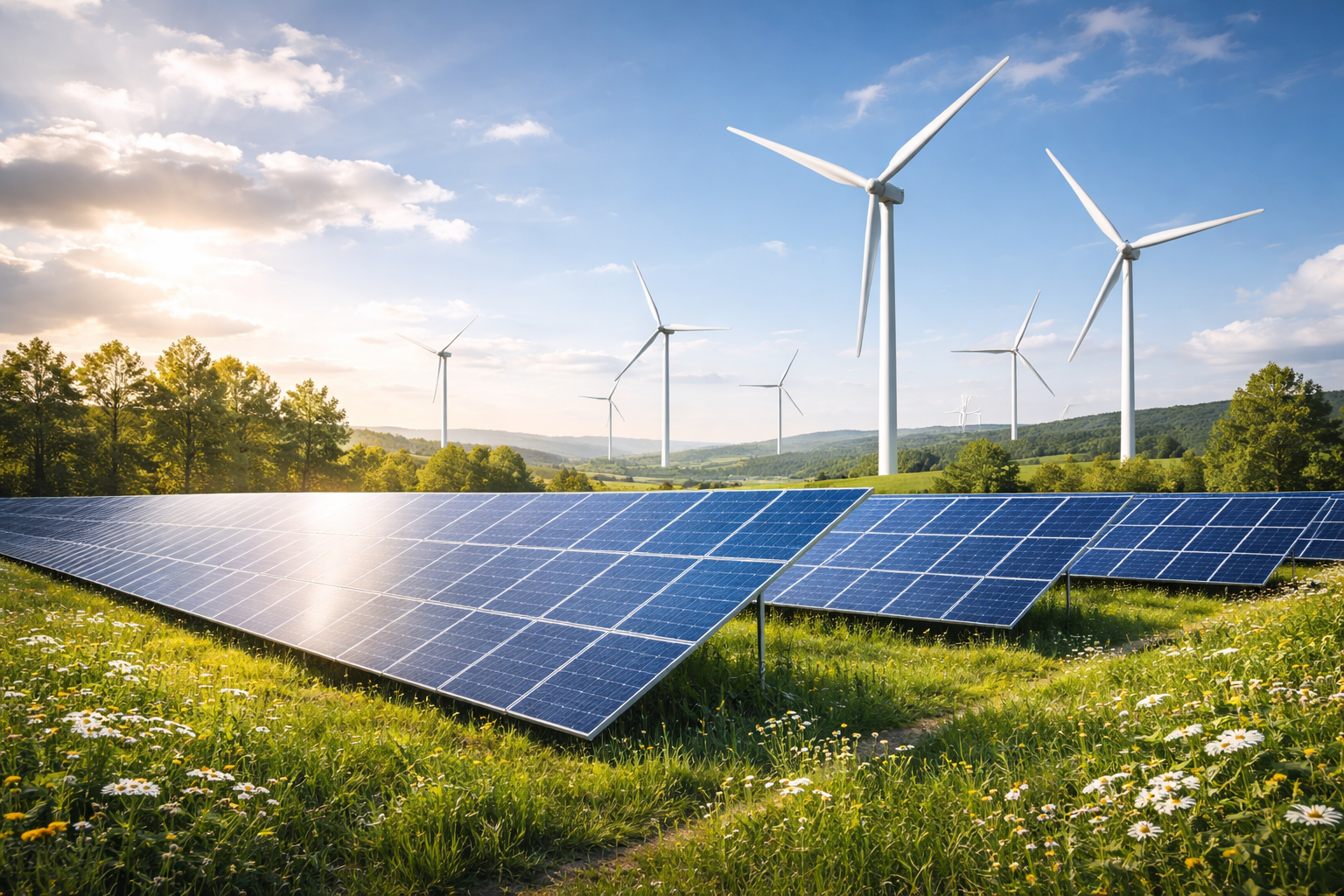
Renewable energy projects such as wind and solar
Methane capture from landfills
Clean cooking and energy initiatives in developing regions
The concept is simple:
If emissions cannot be avoided, they can be balanced elsewhere.
Why Aviation Depends on Offsetting
Unlike road transport or energy production, aviation does not yet have widely scalable zero-emission alternatives, especially for long-haul flights.

Several factors make decarbonization difficult:
Aircraft are designed to operate for decades
Sustainable Aviation Fuel (SAF) is still limited in supply
Electric aircraft are currently viable only for short distances
Hydrogen technology is still under development
Because of these constraints, carbon offsetting has become a temporary bridge solution, helping the industry manage emissions while long-term technologies evolve.
The Benefits of Carbon Offsetting
Immediate Climate Action
Offsetting enables action today. Instead of waiting years for technological breakthroughs, emissions can be compensated for immediately through environmental projects.
Support for Global Sustainability Projects
Many offset programs fund impactful initiatives such as:
Protecting endangered forests
Expanding renewable energy in developing countries
Supporting local communities with sustainable resources
These projects often deliver both environmental and social benefits.
Increased Awareness Among Travelers
Carbon offsetting introduces passengers to the environmental cost of flying. Even a small contribution can make travelers more conscious of their choices.
The Criticism: Is It Enough?
Despite its advantages, carbon offsetting is widely debated.
A “Pay to Pollute” Approach
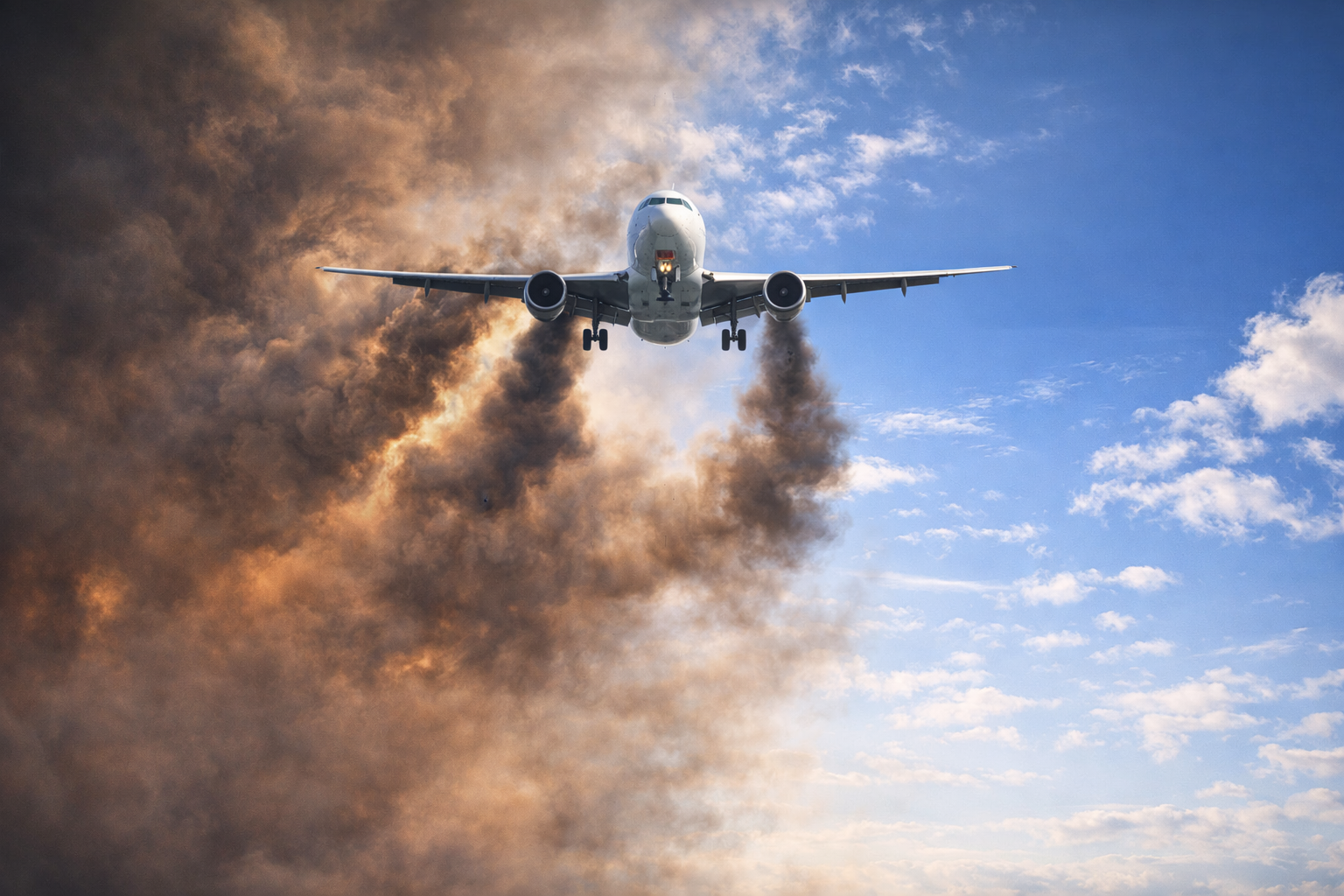
Critics argue that offsetting allows airlines and passengers to continue emitting carbon without changing behavior. Instead of reducing emissions, it can create a sense of justification.
Uncertain Effectiveness
Not all offset projects deliver measurable or permanent results:
Trees take decades to absorb carbon
Some projects may be poorly managed
Verification and transparency can vary
Risk of Greenwashing
There is growing concern that some companies use offsetting as a marketing tool rather than making meaningful operational changes.

Beyond Offsetting: The Future of Sustainable Aviation
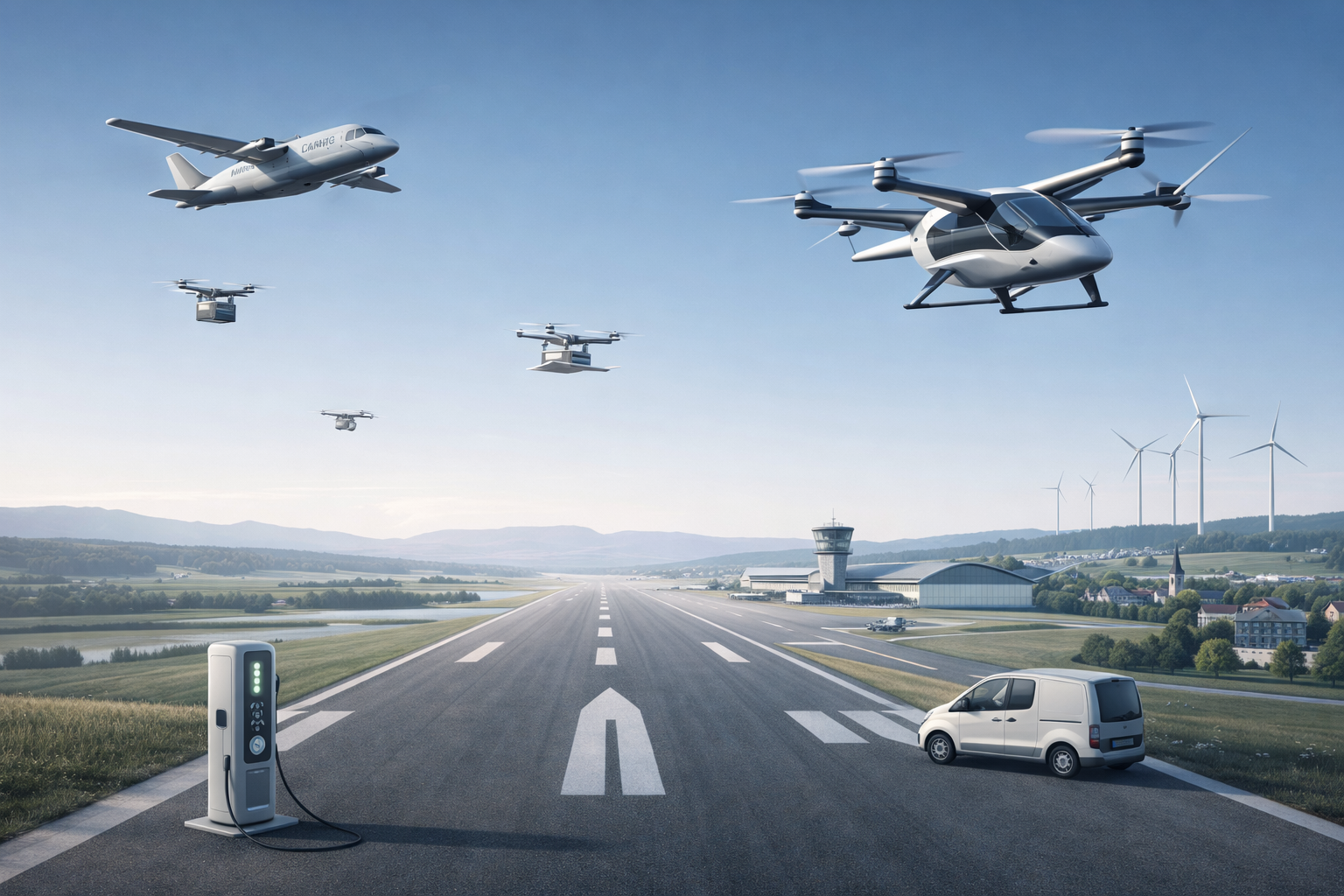
Carbon offsetting alone cannot solve aviation’s environmental challenges. The future lies in real emission reduction strategies.
Sustainable Aviation Fuel (SAF)
SAF can reduce lifecycle emissions by up to 80%, making it one of the most promising solutions in the short term.
Electric Aircraft
Electric planes are being developed for short-haul routes. They offer zero in-flight emissions and lower noise levels, but scalability remains limited.
Hydrogen-Powered Aviation
Hydrogen has the potential to power aircraft with zero carbon emissions. However, infrastructure and technology are still evolving.
Smarter Operations
Airlines are also improving efficiency through:
Optimized flight routes
Lightweight materials
Reduced fuel consumption
These incremental improvements collectively make a significant difference.
The Role of Airports in Sustainability
Airports are also transforming into green infrastructure hubs by:
Installing solar panels and renewable energy systems
Designing energy-efficient terminals
Improving waste management and recycling
Encouraging sustainable ground transportation
Sustainability in aviation is not limited to aircraft—it extends across the entire ecosystem.
What Can Passengers Do?
Passengers play a crucial role in shaping the future of aviation.
Simple but impactful actions include:
Choosing airlines with strong environmental commitments
Taking direct flights when possible
Traveling lighter to reduce fuel consumption
Supporting credible carbon offset programs
Awareness and informed decisions can influence industry practices over time.

Final Thoughts
A truly sustainable aviation industry will not be built on carbon offsetting alone.
While offsetting plays a role in addressing emissions today, it is not a long-term solution. The real transformation will come from innovation, accountability, and a collective commitment to reducing emissions at their source.
The future of aviation depends on moving beyond compensation—and toward true sustainability.
Air travel should not only connect the world.
It should also protect it.