Obsessive Perfection Disorder
Obsessive perfectionism is frequently associated with two distinct conditions: OCD and OCPD. Though they sound similar, they differ significantly.


In today’s fast-paced, achievement-driven world, perfectionism is often praised as a strength. Striving for excellence can indeed fuel success, innovation, and personal growth.
However, when the pursuit of flawlessness becomes rigid, overwhelming, and damaging, it may point to a deeper psychological concern often described as obsessive perfection disorder.
While this exact term is not a formal clinical diagnosis, it is commonly used to describe patterns associated with Obsessive-Compulsive Disorder (OCD) and Obsessive-Compulsive Personality Disorder (OCPD).
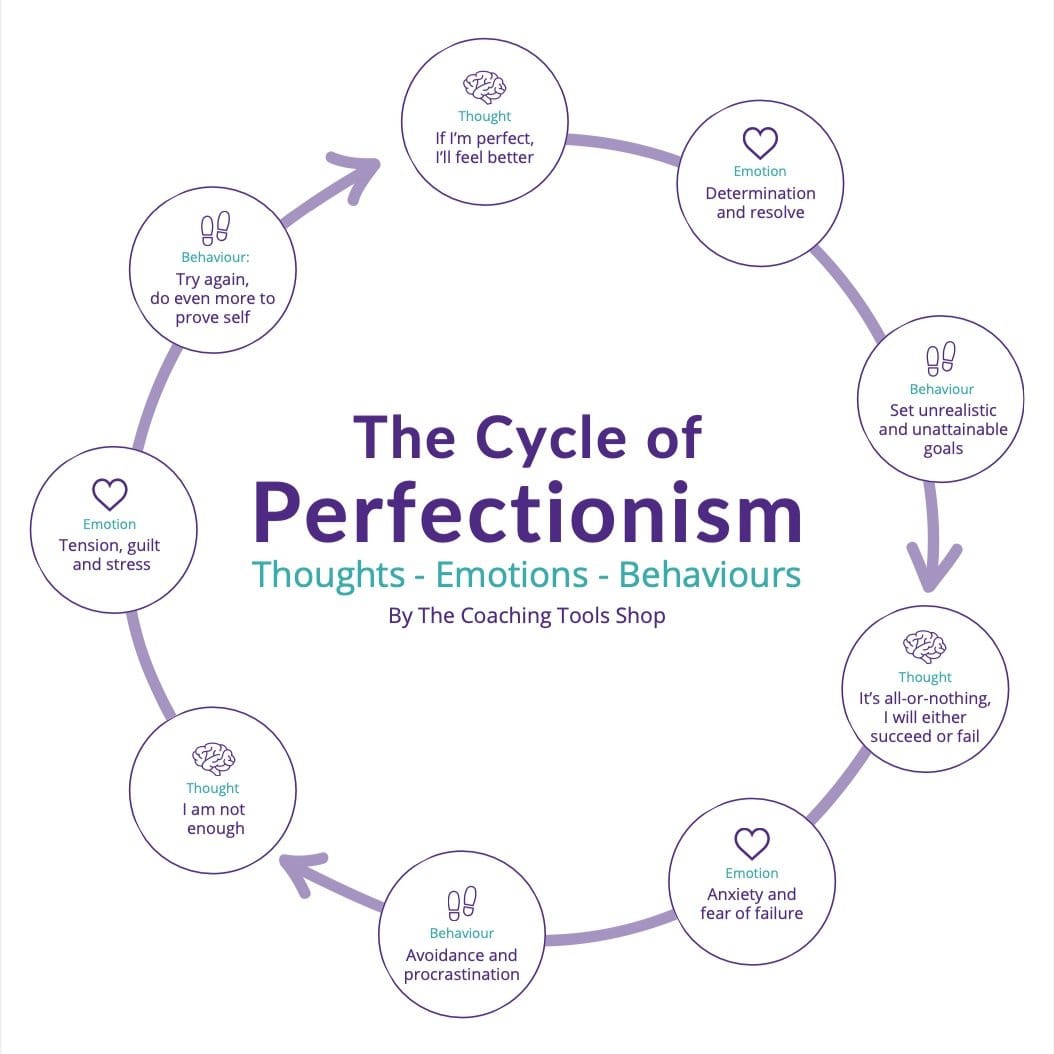
Understanding the difference between healthy perfectionism and obsessive perfectionism is essential for recognizing when help may be needed.
What Is Obsessive Perfectionism?
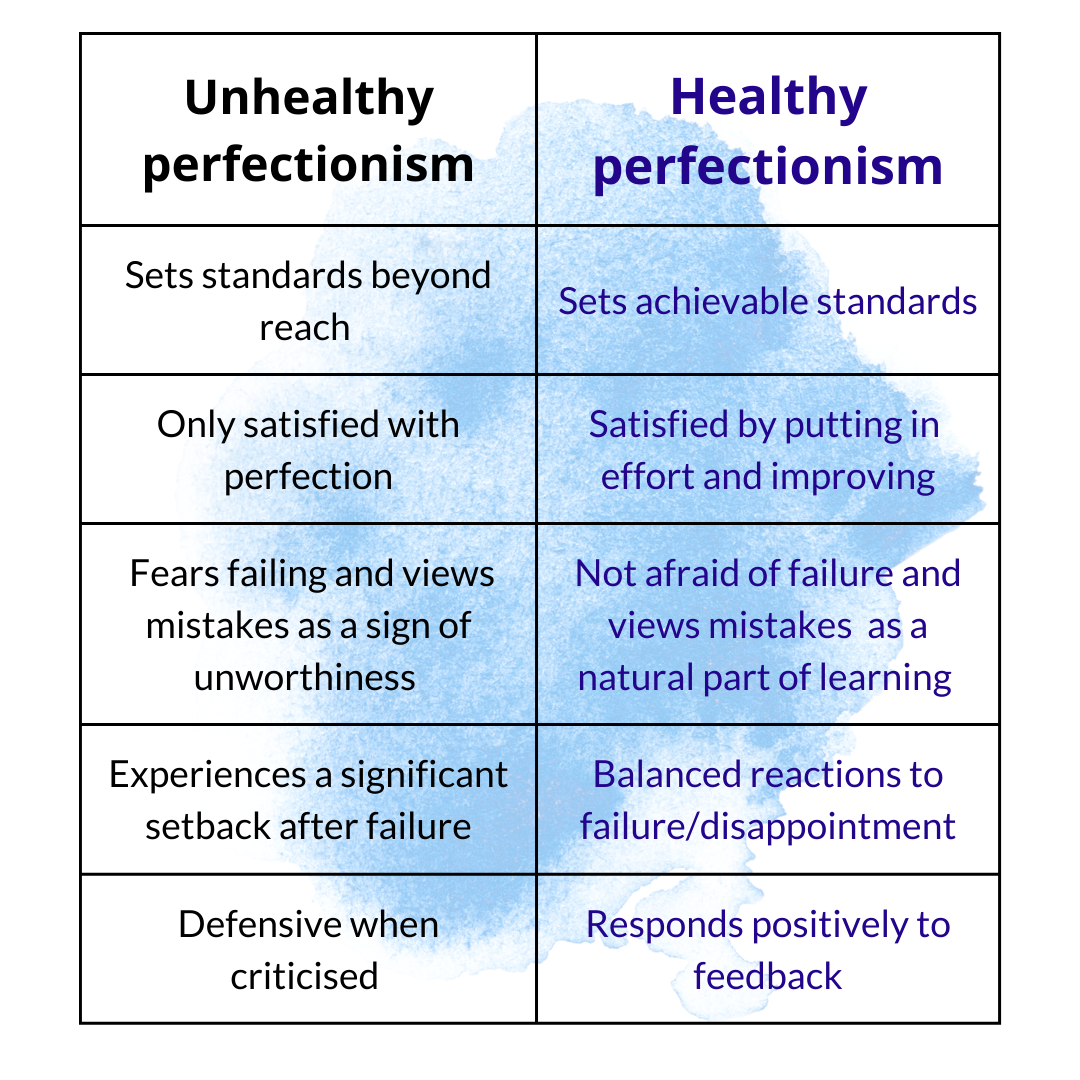
Perfectionism exists on a spectrum. On one end is adaptive perfectionism — the healthy desire to do well, set high standards, and take pride in accomplishments. On the other end is maladaptive or obsessive perfectionism — an unrelenting need for flawlessness, extreme self-criticism, and a tendency to equate mistakes with personal failure.
People struggling with obsessive perfectionism often:
- Spend excessive time on tasks to ensure they are “just right”
- Experience intense anxiety over small mistakes
- Avoid tasks for fear of not performing perfectly
- Have difficulty delegating because others “won’t do it correctly”
- Feel distressed when routines or plans are disrupted
Over time, this rigid mindset can interfere with work, relationships, and overall well-being.
OCD vs. OCPD: Understanding the Connection
Obsessive perfectionism is frequently associated with two distinct conditions: OCD and OCPD. Though they sound similar, they differ significantly.
Obsessive-Compulsive Disorder (OCD)
OCD is characterized by intrusive, unwanted thoughts (obsessions) and repetitive behaviors (compulsions) performed to reduce anxiety. A person with OCD may repeatedly check locks, wash hands, or mentally review actions to prevent perceived harm. In some cases, perfectionism manifests as a need for symmetry, exactness, or reassurance.
Importantly, individuals with OCD usually recognize that their thoughts and behaviors are irrational, yet they feel powerless to stop them.
Obsessive-Compulsive Personality Disorder (OCPD)
OCPD, on the other hand, is a personality disorder marked by a chronic preoccupation with orderliness, rules, control, and perfectionism. Unlike OCD, people with OCPD often believe their behavior is correct and justified. They may view their rigid standards as necessary for success or morality.
Common traits of OCPD include:
- Excessive devotion to work at the expense of leisure or relationships
- Strict adherence to rules and procedures
- Reluctance to delegate tasks
- Over-conscientiousness about morality or ethics
- Difficulty expressing warmth or flexibility
While OCD revolves around anxiety-driven rituals, OCPD centers on control and rigid personality patterns.
Causes and Risk Factors
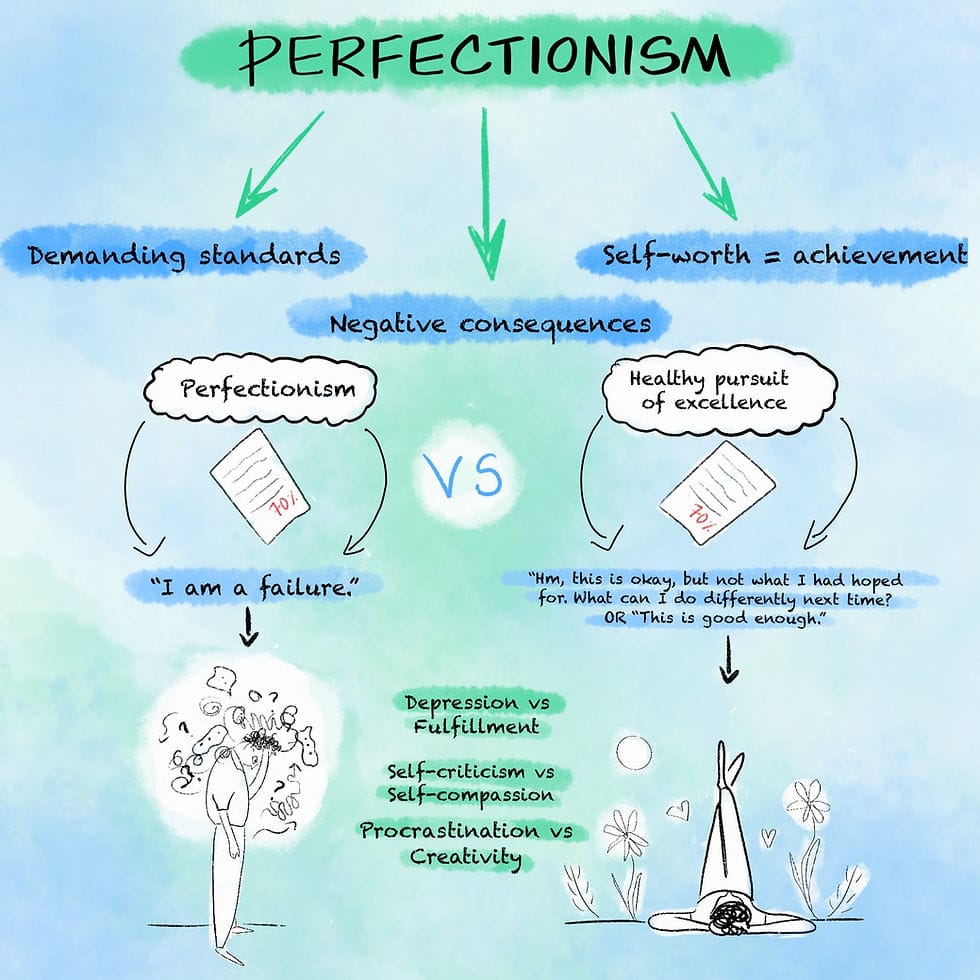
There is no single cause of obsessive perfectionism. Rather, it develops from a combination of genetic, environmental, and psychological factors.
- Genetic predisposition: Family history of anxiety disorders or personality disorders may increase vulnerability.
- Childhood experiences: Growing up in highly critical, controlling, or achievement-focused environments can reinforce the belief that worth depends on flawless performance.
- Cognitive patterns: Individuals may develop black-and-white thinking — viewing outcomes as either perfect or total failure.
- Cultural influences: Societal pressure for constant productivity and comparison can intensify perfectionistic tendencies.
Emotional and Social Impact
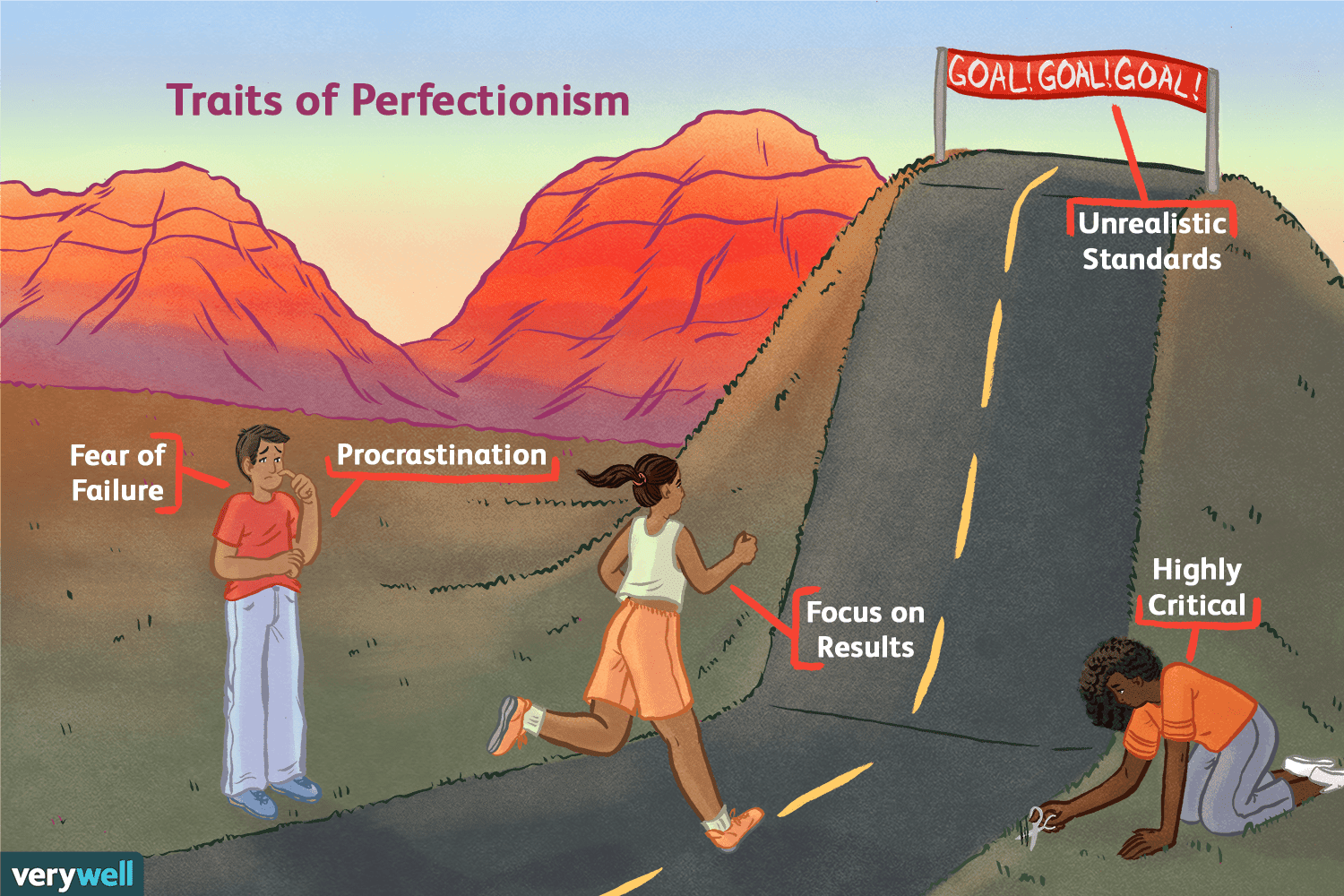
Though perfectionism may initially seem productive, obsessive forms often create significant distress.
Anxiety and Burnout
Constantly striving for unattainable standards leads to chronic stress. Even success rarely brings satisfaction because attention quickly shifts to perceived flaws.
Procrastination
Ironically, fear of imperfection can result in avoidance. If a task cannot be done perfectly, it may feel safer not to begin at all.
Relationship Strain
Rigid expectations may extend to others, causing conflict. Friends, partners, and colleagues may feel criticized or controlled.
Low Self-Worth
Self-esteem becomes conditional — dependent entirely on achievement. Any mistake reinforces feelings of inadequacy.
Over time, these effects can contribute to depression, isolation, and diminished quality of life.
Treatment and Coping Strategies
The good news is that obsessive perfectionism is treatable. With appropriate support, individuals can learn to develop healthier standards and more flexible thinking patterns.
Cognitive Behavioral Therapy (CBT)
CBT is one of the most effective treatments for perfectionistic tendencies. It helps individuals:
- Identify distorted thinking patterns
- Challenge unrealistic standards
- Practice tolerating imperfection
- Reduce avoidance behaviors
For those with OCD, exposure and response prevention (ERP), a form of CBT, is particularly beneficial.
Mindfulness Practices
Mindfulness teaches individuals to observe thoughts without judgment. Instead of reacting to the urge to “fix” or perfect everything, they learn to sit with discomfort.
Setting Realistic Goals
Breaking tasks into manageable steps and defining “good enough” standards can reduce overwhelm.
Self-Compassion
Learning to treat oneself with the same kindness offered to others is a powerful antidote to harsh self-criticism.
Medication
In some cases, particularly with OCD, medication such as selective serotonin reuptake inhibitors (SSRIs) may be prescribed alongside therapy.
When to Seek Help
It may be time to seek professional support if:
- Perfectionism interferes with daily functioning
- Anxiety feels uncontrollable
- Relationships are suffering
- You feel persistently dissatisfied despite achievements
Mental health professionals can provide assessment and tailored treatment plans.
Final Thoughts
Striving for excellence can be a valuable trait. However, when perfection becomes a rigid rule rather than a flexible goal, it can trap individuals in cycles of anxiety, self-criticism, and emotional exhaustion. Recognizing the difference between healthy ambition and obsessive perfectionism is the first step toward change.
True growth lies not in flawlessness, but in resilience — the ability to accept imperfection while continuing to move forward.