My Surroundings – Shuklaphanta National Park
Shuklaphanta is an internationally recognized bird-watching destination, recording over 420 bird species, including endangered and rare species. Key highlights include the Bengal Florican, Sarus Crane, Grey-headed Fish Eagle, Great Slaty Woodpecker, and Chestnut Babbler.

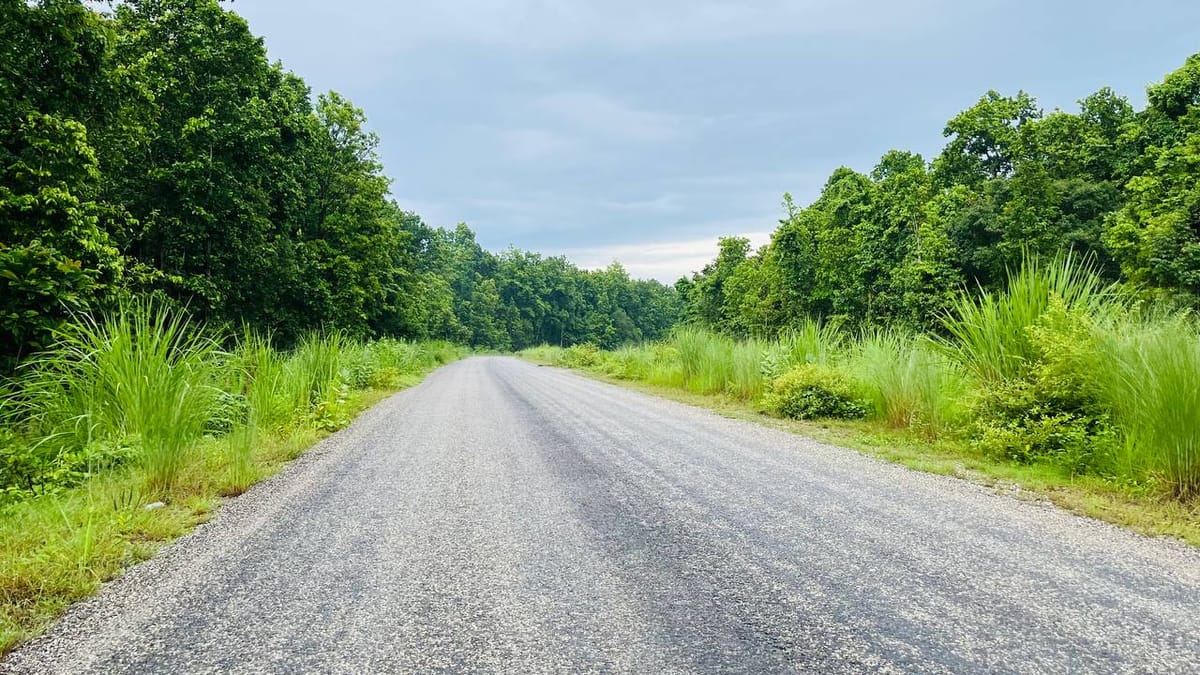
Located in the far-western region of Nepal, Shuklaphanta National Park is a highly significant protected area, known for its natural diversity, rich biodiversity, rare species, and vast open grasslands. Situated in Kanchanpur district, this park attracts international conservationists due to Nepal’s only protected savanna ecosystem. Its grassy plains, shrubs, riverbank vegetation, green forests, and countless bird species make it a biological paradise.
The park is named after its central grassland, Shuklaphanta, considered the largest open savanna in Nepal. Covering approximately 305 square kilometers, it includes the main conservation area along with a 243-square-kilometer buffer zone. Initially established as a wildlife reserve in 1976, it was designated a national park in 2004. For decades, it has played a crucial role in biodiversity conservation.
Shuklaphanta is not only a conservation site but also a hub for research, ecological management, and community involvement. Its ecosystem includes rivers, ponds, shrubs, grasslands, sal and sissoo forests, among other biological features. The climate is favorable, with hot summers and cold winters, promoting biodiversity growth.
Rich Wildlife and Biodiversity
Shuklaphanta National Park is a biological treasure of Nepal. The park is home to numerous mammals, birds, reptiles, amphibians, aquatic species, and insects. Notably, the Barasingha or swamp deer—found only here in Nepal—has the largest and safest habitat in the world within this park.
The park also shelters Bengal tigers, connected through biological corridors to Bardia, Chitwan, and India’s protected areas, allowing tigers to migrate safely. Other wildlife includes leopards, wild elephants, rhinos, swamp deer, jackals, bears, and many more mammals. The park administration ensures their safety through monitoring, research, and watchtowers.


Shuklaphanta is an internationally recognized bird-watching destination, recording over 420 bird species, including endangered and rare species. Key highlights include the Bengal Florican, Sarus Crane, Grey-headed Fish Eagle, Great Slaty Woodpecker, and Chestnut Babbler. Migratory birds visit throughout the year, making the park a dynamic birding hotspot. Grasslands are ideal for bird observation during March–April when the fields are fresh.
Amphibians and reptiles, including frogs, pythons, snakes, monitor lizards, and turtles, are abundant. The park’s rare plants, medicinal herbs, and other wildlife create a natural laboratory for researchers. Students from schools and universities frequently use the park for educational studies.
Tourism Potential – A Scenic Journey in Nature
Visitors to Shuklaphanta experience a different kind of natural beauty compared to urban destinations. Calm surroundings, deer grazing in the grasslands, chirping birds, and distant tiger roars create a unique wildlife experience. Activities include wildlife safaris, jungle trekking, bird watching, tower climbing, pond visits, nature photography, and botanical studies.
Key attractions include the Shuklaphanta Grassland, Rani Tal, Dampa Tal, thin forests like Kandar, and the banks of Gabhsi River. Rani Tal is historically significant—according to local legends, a queen bathed here with her attendants, giving the pond its name. The park is ideal for birdwatching and photography throughout the year.
The park entrance provides government guides, security personnel, and administrative support. Visitors can stay in homestays, eco-camps, guest houses, resorts, and enjoy local cuisine. Located roughly 15 km from Bhimdatta Municipality (Mahendranagar), the park is easily accessible by road. With digital promotion, eco-tourism initiatives, and infrastructure development, its tourism potential can grow even further.
Conservation Challenges and Long-Term Vision
Despite its ecological significance, Shuklaphanta faces challenges such as local settlement expansion, unregulated populations in border areas, illegal entry, grass harvesting, and poaching. However, in recent years, conservation efforts by the park administration, Nepal Army, local authorities, and NGOs have strengthened protection measures.
The government has promoted biological corridors connecting the park with Bardia, Chitwan, and Indian protected areas, facilitating wildlife movement and tiger population stability. Community programs including environmental education, conservation training, cooperative participation, and engagement of women and youth have created positive impacts.
Plans are underway to develop Shuklaphanta as a robust eco-tourism center, including road improvements, information centers, investment in scientific research, digital information boards, and QR-code-based guiding systems. Cooperation among government, private sector, and international partners could position Shuklaphanta as a premier global ecological tourism destination.
Conclusion
Shuklaphanta National Park is not only the pride of far-western Nepal but also a priceless treasure of the country’s biodiversity. Its rich flora and fauna, scenic beauty, wildlife habitats, migratory bird influx, and vibrant local life make it a center for conservation, research, and tourism. With proper policies, community participation, and long-term planning, Shuklaphanta is on its way to becoming a world-renowned ecological destination.