Michelin Star: Evolution, Rating System, and the World’s Most Prestigious Restaurant Recognition
For chefs, receiving a Michelin Star can transform their careers overnight. Restaurants often see dramatic increases in reservations and international attention. The Michelin Star is far more than just an award. It represents dedication, artistry, and a relentless pursuit of culinary perfection.

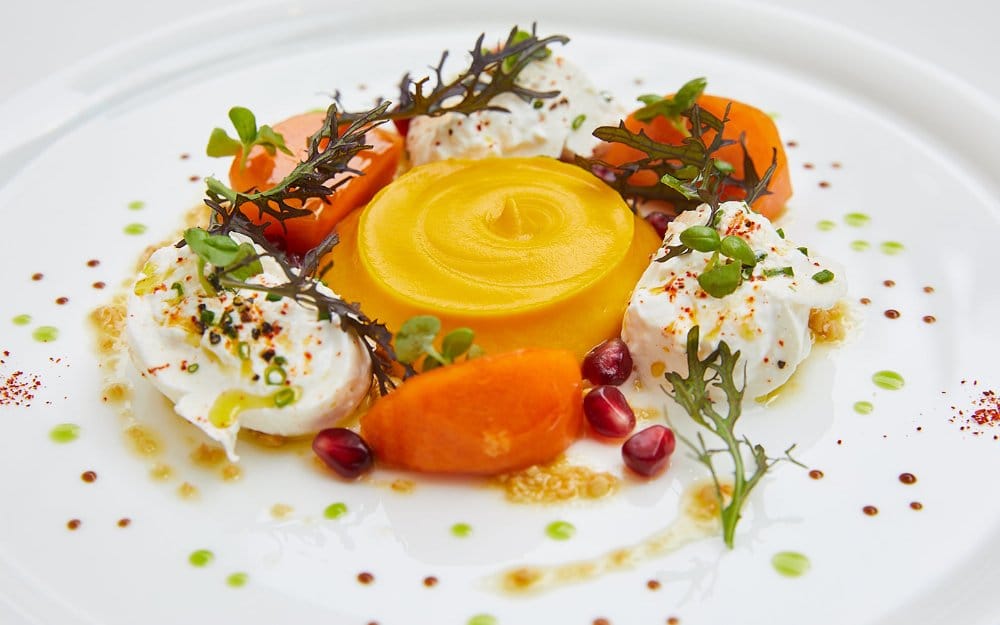
In the world of fine dining and professional cooking, the Michelin Star represents the highest level of excellence a restaurant can achieve. For chefs and restaurateurs, earning even a single Michelin Star is considered one of the greatest accomplishments in the culinary industry. The award reflects extraordinary cooking, creativity, consistency, and an unforgettable dining experience.
Across the globe, Michelin-starred restaurants attract food lovers, travelers, and culinary professionals who seek exceptional dining experiences. For hospitality and culinary students, understanding how the Michelin Star system works provides valuable insight into the standards of the world’s finest kitchens.
The Evolution of the Michelin Star

The story of the Michelin Star began in 1900 when the Michelin Guide was first published by the French tire company Michelin. At the time, automobiles were still rare, and the company wanted to encourage people to travel more by car. To help travelers on long journeys, Michelin created a guidebook that included useful information such as maps, fuel stations, mechanics, hotels, and restaurants. The goal was simple: if people traveled more, they would use more tires.
As the guide became popular, the restaurant recommendations inside it gained attention. By 1926, the Michelin Guide began awarding a single star to restaurants that served outstanding food. In 1931, the guide introduced the famous three-star rating system that is still used today.
Over time, the Michelin Guide expanded across Europe and later into Asia and North America. Today, Michelin Stars are awarded in many major culinary cities including Tokyo, Paris, London, New York, and Singapore.
How Michelin Stars Are Rated
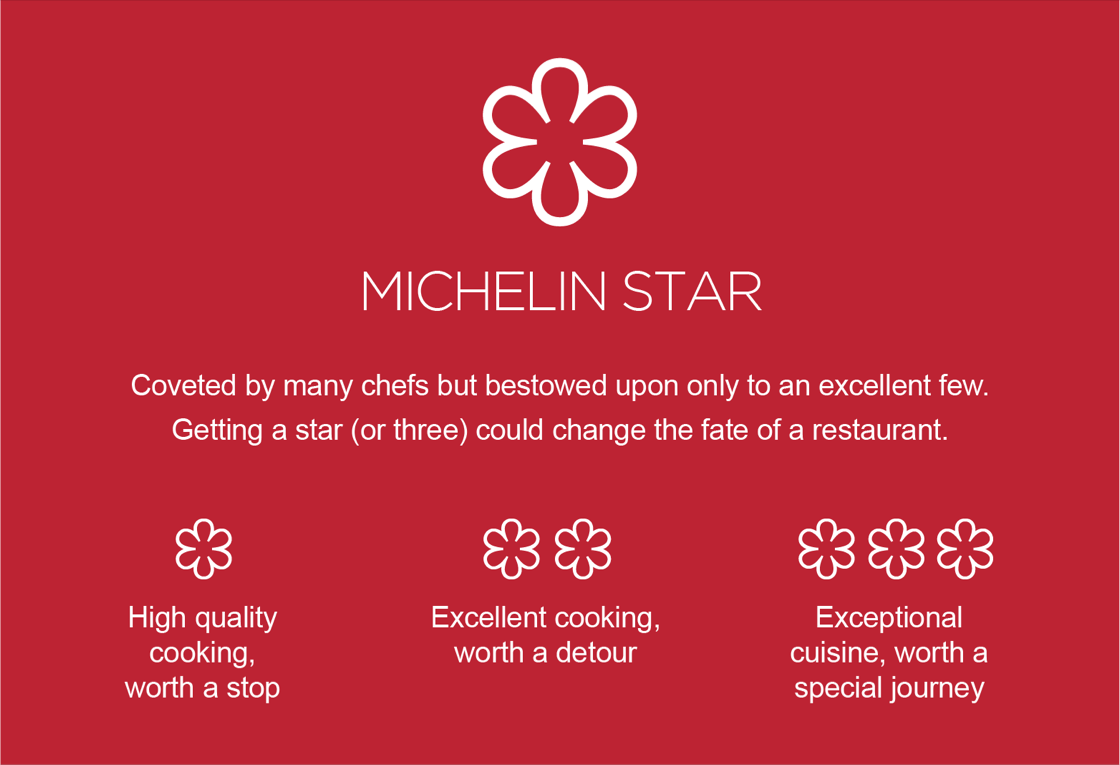
Michelin uses a three-level star system to recognize restaurants.
One Michelin Star means the restaurant offers high-quality cooking and is worth stopping for.
Two Michelin Stars mean the restaurant provides excellent cuisine and is worth taking a detour to visit.
Three Michelin Stars represent exceptional cuisine that is worth a special journey.
Very few restaurants achieve three Michelin Stars because the standards are extremely strict. Maintaining the stars is also challenging because restaurants are re-evaluated every year.
How Michelin Inspectors Visit Restaurants

One of the most fascinating aspects of the Michelin Star system is the way restaurants are evaluated. The Michelin Guide sends highly trained inspectors to restaurants around the world. These inspectors are experienced hospitality professionals, often with backgrounds in culinary arts or luxury hospitality.
However, inspectors never reveal their identity. When they visit a restaurant, they behave like regular customers. They make reservations, order food, and pay for their meals just like any other guest. This allows them to experience the restaurant exactly as a normal diner would.
During the visit, inspectors carefully observe many aspects of the dining experience.
They study the quality of ingredients used in the dishes.
They evaluate the cooking techniques and flavor balance.
They analyze presentation, creativity, and originality.
They observe the consistency of dishes throughout the meal.
Inspectors may also visit the same restaurant multiple times during different seasons to ensure that the quality remains consistent.
After their visits, inspectors write detailed reports and discuss their evaluations with other inspectors before a star decision is made. This collective review process ensures fairness and accuracy in the ratings.
What Michelin Inspectors Actually Look For
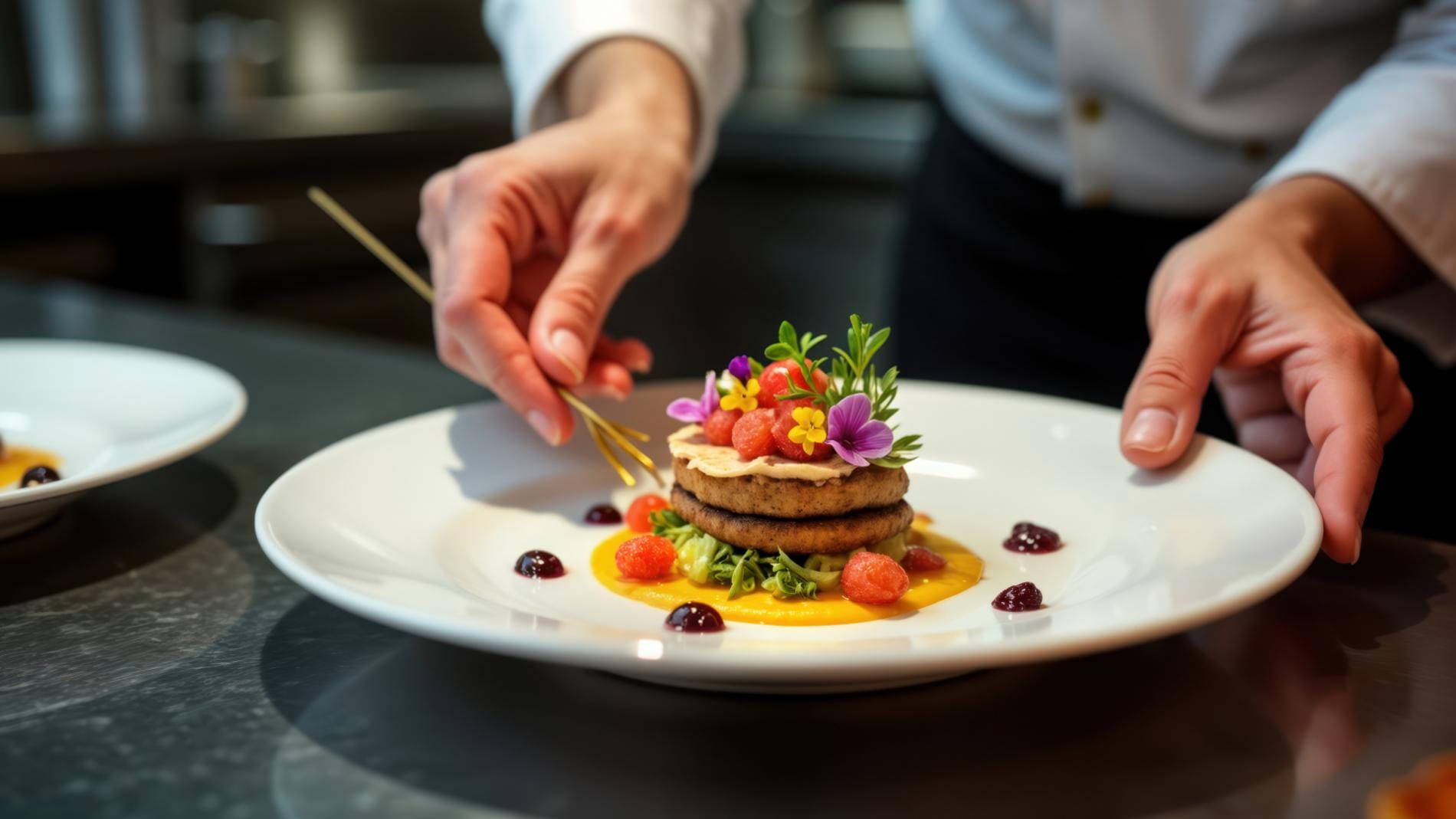
Contrary to popular belief, Michelin Stars are awarded primarily for food quality, not luxury decoration or expensive interiors.
Inspectors focus on five main criteria:
1. Quality of ingredients
2. Mastery of cooking techniques
3. Harmony of flavors
4. Personality and creativity of the chef
5. Consistency over time
Service and atmosphere are important for the dining experience, but the Michelin Star itself is mainly about the food. Because of these strict criteria, even small restaurants or street-food style establishments can receive Michelin Stars if the food quality is exceptional.
Famous International Michelin Star Chefs
Many chefs have become global legends because of their Michelin achievements.
One of the most recognized chefs is Gordon Ramsay, whose restaurants have earned multiple Michelin stars. His famous London restaurant Restaurant Gordon Ramsay has maintained three Michelin Stars for many years.

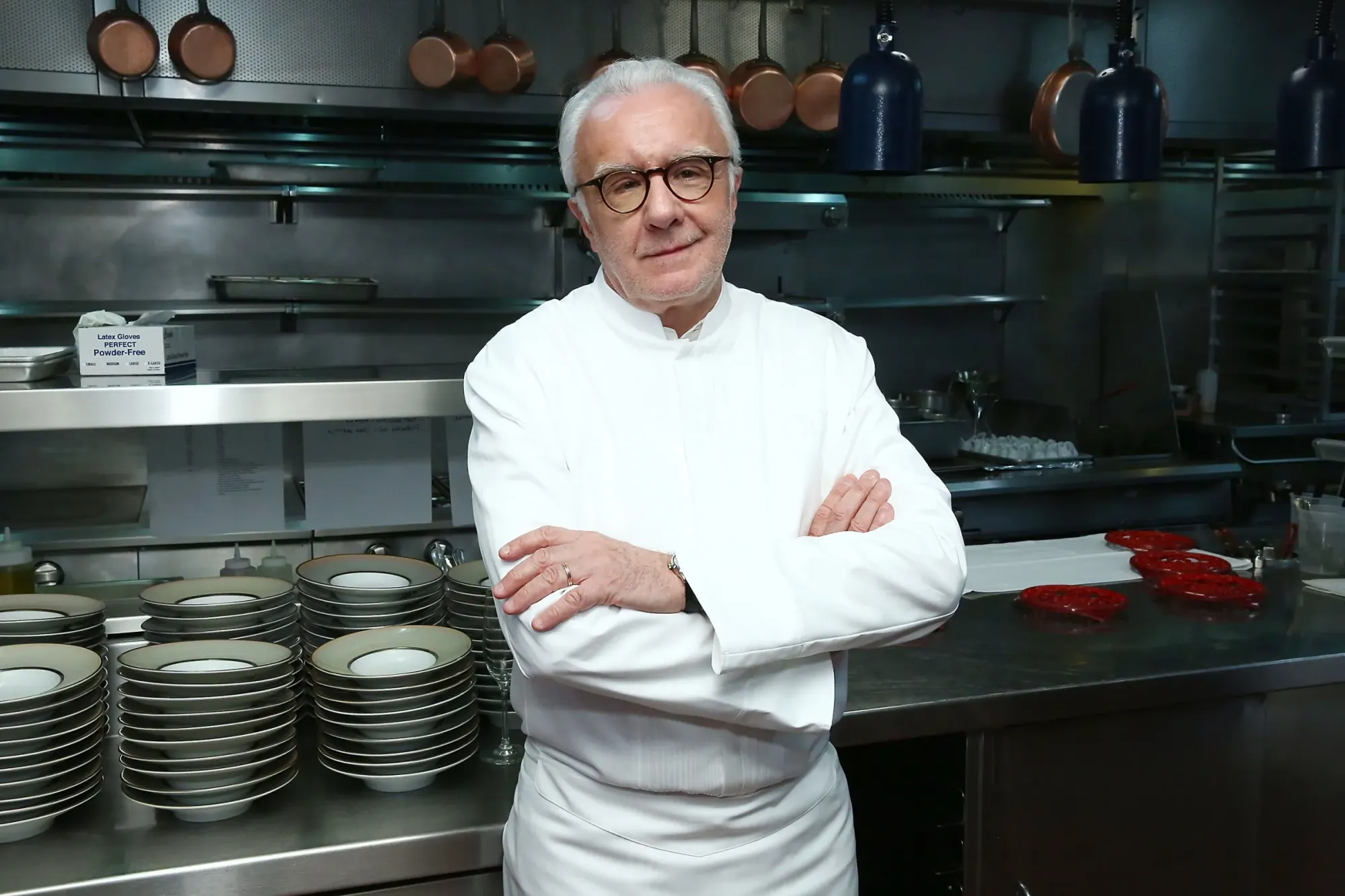
Another iconic chef is Alain Ducasse, one of the most successful Michelin chefs in history. His restaurant Alain Ducasse at The Dorchester in London is known for its elegant French cuisine and three Michelin Stars.
Italian chef Massimo Bottura revolutionized modern Italian gastronomy through his restaurant Osteria Francescana, which holds three Michelin Stars and is considered one of the best restaurants in the world.

In the Nordic culinary scene, René Redzepi transformed global gastronomy with his restaurant Noma in Copenhagen. The restaurant gained worldwide attention for its innovative use of local Nordic ingredients.

Michelin Star Chefs of Indian Origin
Indian cuisine has also gained recognition in the Michelin world through talented chefs working internationally.
Chef Atul Kochhar became the first Indian chef to receive a Michelin Star for his London restaurant Tamarind. His cooking blends traditional Indian flavors with refined modern techniques.

Chef Vikas Khanna earned international recognition when his New York restaurant Junoon received a Michelin Star. He is known for presenting Indian cuisine with elegance and authenticity.

Chef Gaggan Anand became famous for his restaurant Gaggan in Bangkok, which earned two Michelin Stars. His innovative tasting menus reimagined Indian flavors using modern techniques.

These chefs have demonstrated that Indian culinary traditions can compete at the highest level of global gastronomy.
Nepali Chefs and the Future of Michelin Recognition
Nepal currently does not have Michelin Guide coverage, which means restaurants inside the country cannot yet receive Michelin Stars. However, Nepali chefs are increasingly gaining international recognition.
Chef Santosh Shah is one of the most well-known Nepali chefs globally. Through international competitions and restaurants abroad, he has helped introduce authentic Nepali cuisine to the world.

Many Nepali chefs are also working in prestigious international hotels such as Marriott International, Hilton Hotels & Resorts, and Hyatt Hotels Corporation, gaining experience in world-class kitchens.
As global interest in Himalayan cuisine grows, the possibility of Nepali chefs achieving Michelin recognition in international restaurants continues to increase.
Why Michelin Stars Matter for Hospitality Careers
For students studying hotel management or culinary arts, Michelin Stars represent the ultimate benchmark of culinary excellence.
Working in a Michelin-starred kitchen exposes chefs to the highest standards of discipline, teamwork, and creativity. Kitchens in Michelin restaurants operate with extraordinary precision and organization.
Young chefs learn advanced techniques, ingredient sourcing, plating design, and menu innovation. These experiences shape them into world-class professionals.
Even chefs who never earn Michelin Stars can benefit greatly from adopting the same principles: attention to detail, respect for ingredients, consistency, and passion for culinary excellence.
The Global Impact of Michelin Stars
Today, Michelin Stars influence tourism, travel, and hospitality industries worldwide. Food lovers often travel across countries specifically to dine at Michelin-starred restaurants.
Cities like Tokyo, Paris, London, and Singapore have become global culinary destinations partly because of their Michelin restaurants.
For chefs, receiving a Michelin Star can transform their careers overnight. Restaurants often see dramatic increases in reservations and international attention. The Michelin Star is far more than just an award. It represents dedication, artistry, and a relentless pursuit of culinary perfection.
From its humble beginnings as a travel guide created by Michelin, the Michelin Guide has evolved into the most respected restaurant rating system in the world.
For chefs and hospitality students, Michelin Stars serve as a powerful symbol of what is possible through passion, discipline, and creativity. As global cuisine continues to evolve, new chefs and restaurants will continue striving to achieve this extraordinary recognition.