Inauguration of the “Nepal Police Strategic Conference, 2082”

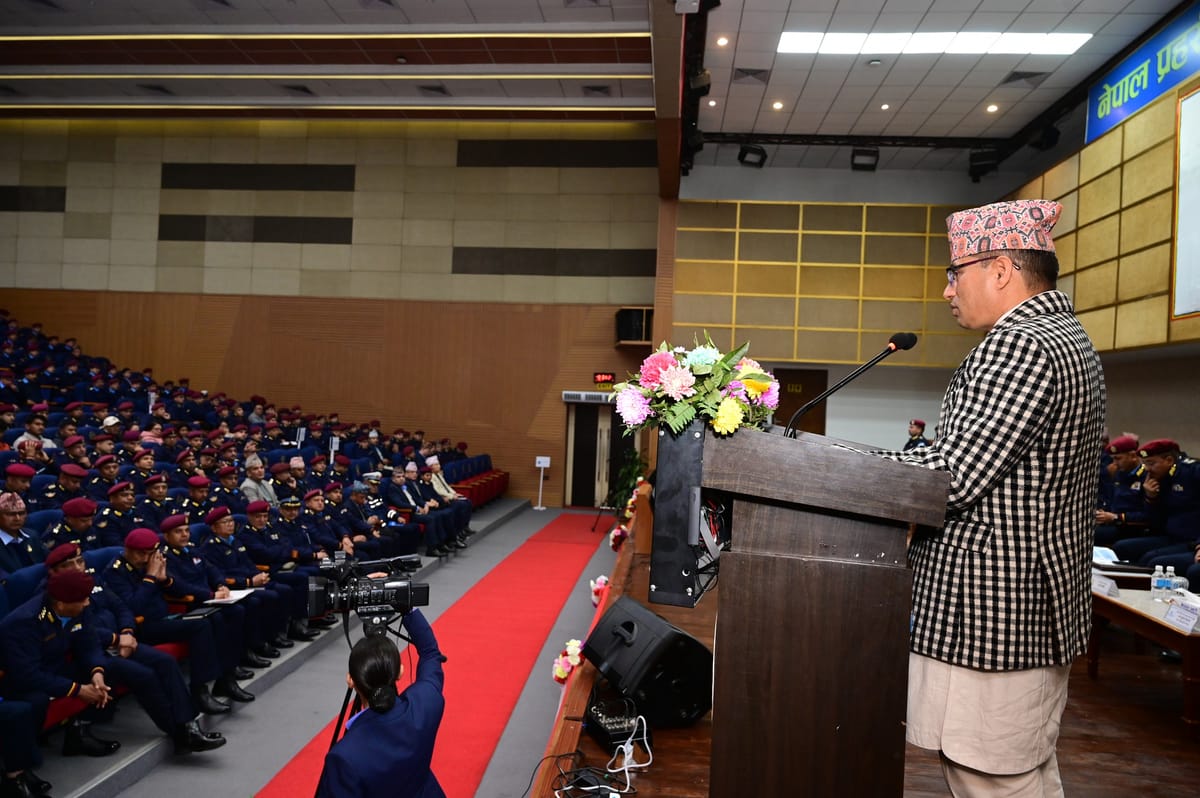
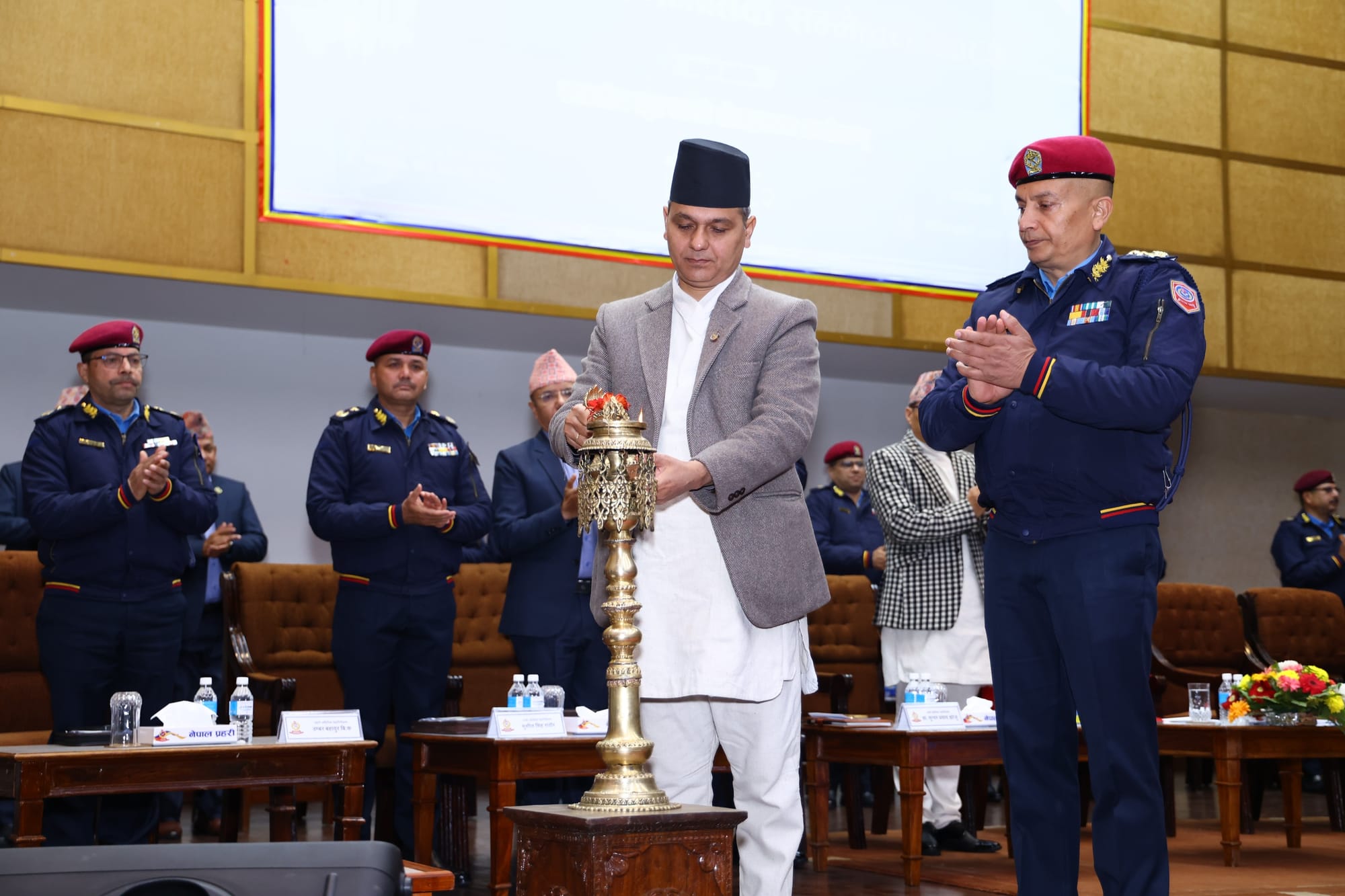
The two-day “Nepal Police Strategic Conference, 2082,” themed Police Management and Mobilization: Existing Challenges and Future Course of Action, was inaugurated on Sunday at the Nepal Police Headquarters, Naxal, amid a special ceremony held under the chief guestship of Home Minister Om Prakash Aryal. The Home Minister inaugurated the conference by lighting the ceremonial lamp.
At the ceremony, Home Minister Aryal also made public three research study reports prepared and published by the Investigation Planning and Development Directorate of the Nepal Police Headquarters.
These included: a study on the relationship between the use of social media and cybercrime in Nepal; a study on the use and reform of existing police uniforms in Nepal Police; and a study on the workload, service delivery, conduct, and behavior of traffic police personnel.
Addressing the ceremony, Home Minister Aryal described the initiative of the Nepal Police to engage in strategic interactions with influential members of civil society, security experts, and representatives from various sectors of society on diverse dimensions of internal security and police services as extremely positive, and expressed his best wishes for the full success of the conference.
He stated that policies and plans related to police services can be acceptable and practically implemented only when there is meaningful participation and ownership from the public regarding policy formulation processes, public expectations, and the future shape of police services.
The Home Minister expressed confidence that the interactions and discussions during the conference would help build a police organization in line with public expectations, generate valuable and concrete suggestions for service delivery, and that the recommendations, conclusions, and guidance received would make a substantial contribution to the strategic transformation of the Nepal Police.
He further stated that this would help make police services more effective, transparent, and trustworthy.
He also committed that the Ministry of Home Affairs and the Government of Nepal would provide high-level policy support and cooperation in implementing the conclusions of the conference and the subsequent strategies and plans of the Nepal Police, emphasizing that the conference would be highly useful in restoring organizational capacity and building a strong institution capable of addressing emerging crime challenges.
Speaking at the ceremony, Home Secretary Rajkumar Shrestha noted that the conference would be important in addressing the existing challenges seen in police management and mobilization, and extended his best wishes for its success. He pointed out that cybercrime and economic crimes are becoming increasingly complex, and that even traditional crime patterns are changing.
He emphasized the crucial role of the Nepal Police in controlling and minimizing such crimes, and stressed that all police personnel must remain focused on fulfilling this role. Highlighting the need to make police operations more effective through the use of modern technology, he stated that the conference would make a significant contribution to enhancing the professional capacity and efficiency of the Nepal Police in the days ahead.
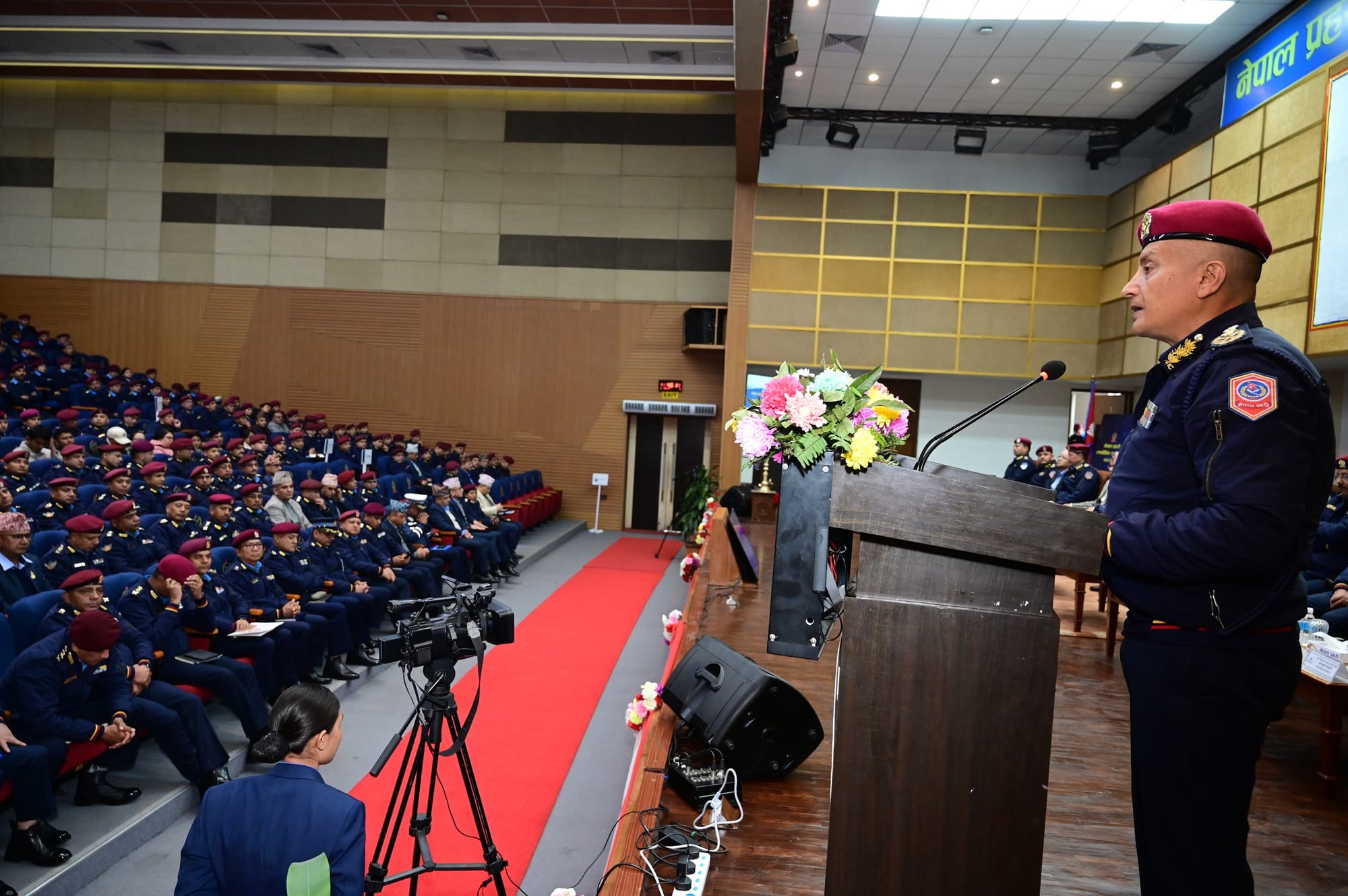
Expressing his vote of thanks, Inspector General of Police Dan Bahadur Karki stated that the Nepal Police remains fully committed to maintaining peace and security in accordance with the Constitution of Nepal, the Police Act, and prevailing laws; effectively enforcing the law; preventing and investigating crime; protecting human rights; and providing accountable and professional police services.
He noted that with the implementation of the federal governance system, the roles, responsibilities, and scope of work of the Nepal Police have become multidimensional, and that strengthening organizational capacity, strategic thinking, the use of technology, and inter-agency coordination has become a present necessity and priority.
IGP Karki further stated that the rapid development of technology, digital security risks, climate change–induced disasters, and international human rights standards have necessitated the adoption of innovative, practical, and accountable approaches in police policy and working styles. For this, he emphasized, not only the police’s own perspective but also consultations and viewpoints from subject experts and the general public are essential, which is why the conference was organized.
He added that the multidimensional discussions, exchange of experiences, intellectual and logical debates, deliberations, and suggestions during the conference would provide a concrete foundation for formulating the Nepal Police’s long-term vision, strategic goals, and time-relevant action plans, offering clear guidance for strategic and operational planning.
At the ceremony, the Coordinator of the Nepal Police Strategic Conference Coordination and Management Committee, Additional Inspector General of Police Rajan Adhikari, delivered the welcome remarks and provided information about the conference.
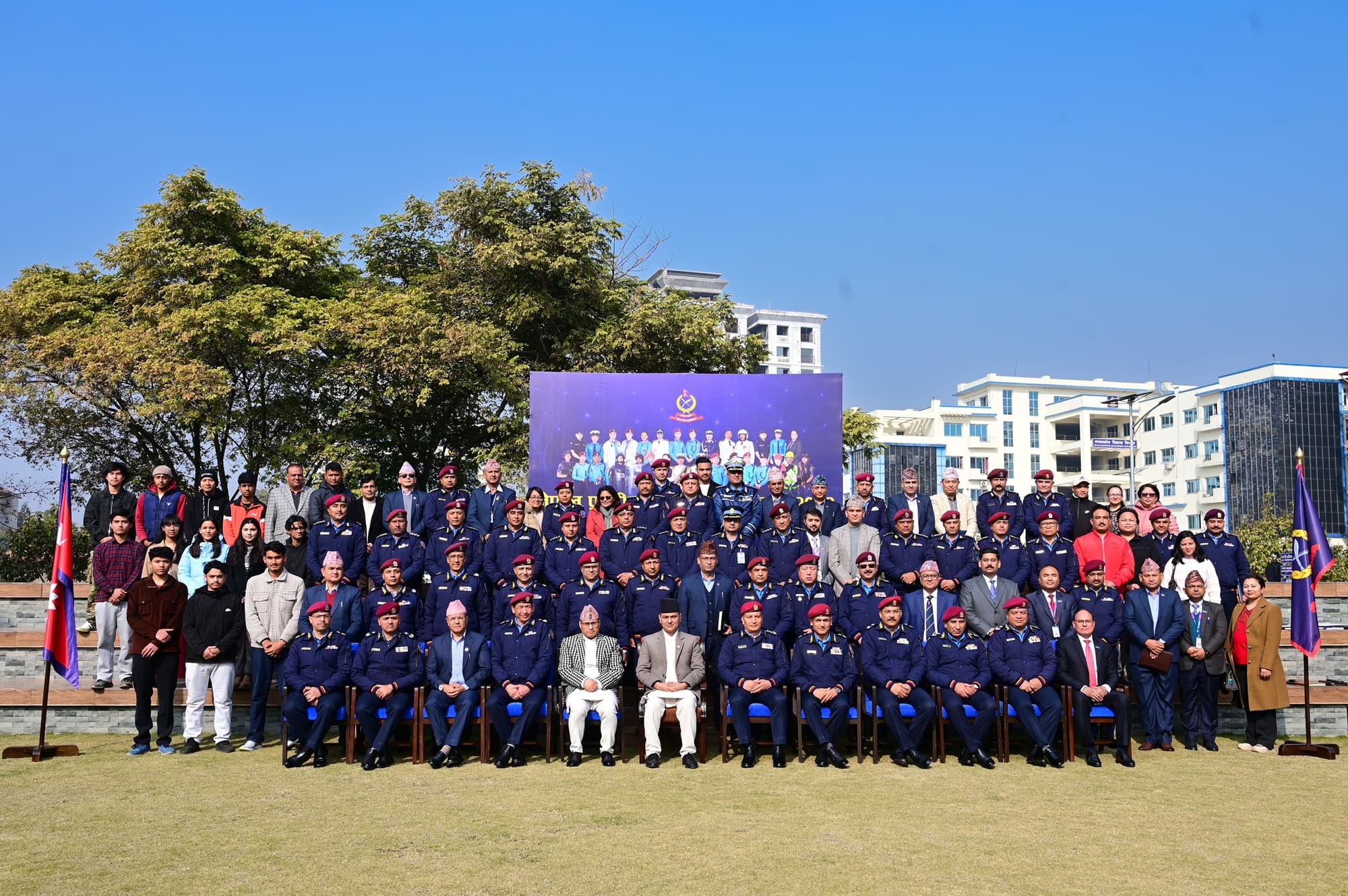
The ceremony was attended by Additional Inspectors General of Police, Deputy Inspectors General, senior police officers, officials from Nepal SBI Bank, journalists, experts from various fields, and other distinguished invitees.
The main objectives of the conference include: fostering participation and ownership of intellectual circles and citizens in the review of Nepal Police operations and strategy formulation processes; conducting a comprehensive assessment of internal and external challenges in the current context; obtaining suggestions and guidance for the Nepal Police’s long-term vision, strategic goals, and implementable action plans; reviewing the current state of organizational operations and identifying measures for improvement to enhance effectiveness and efficiency; and identifying areas for improvement in key service delivery sectors in line with public expectations and perceptions of the Nepal Police.
During the two-day conference, extensive discussions and interactions will be held on topics such as: Nepal Police operations, supervision, and coordination—areas, current status, and improvement measures; security challenges and police strategies in international, regional, and national contexts; traditional and emerging crime trends—identification, prevention, and investigative strategies; management of protests—police mobilization and maintenance of peace and order in the context of protecting citizens’ constitutional rights and fulfilling the state’s mandatory responsibilities; trust, cooperation, and reform—transforming Nepal Police–citizen relations; human resource management in the Nepal Police—strategies to ensure competent, high-morale, and motivated personnel; information technology, communication, and artificial intelligence in the Nepal Police—opportunities and challenges in service delivery, internal management, security management, and crime investigation; the Nepal Police as first responders in disaster management—capacity enhancement, coordination, community cooperation, and future needs; and the role of the police in promoting road safety—awareness, enforcement, and loss reduction planning.