How Nepali BBQ Gets Its Signature Taste

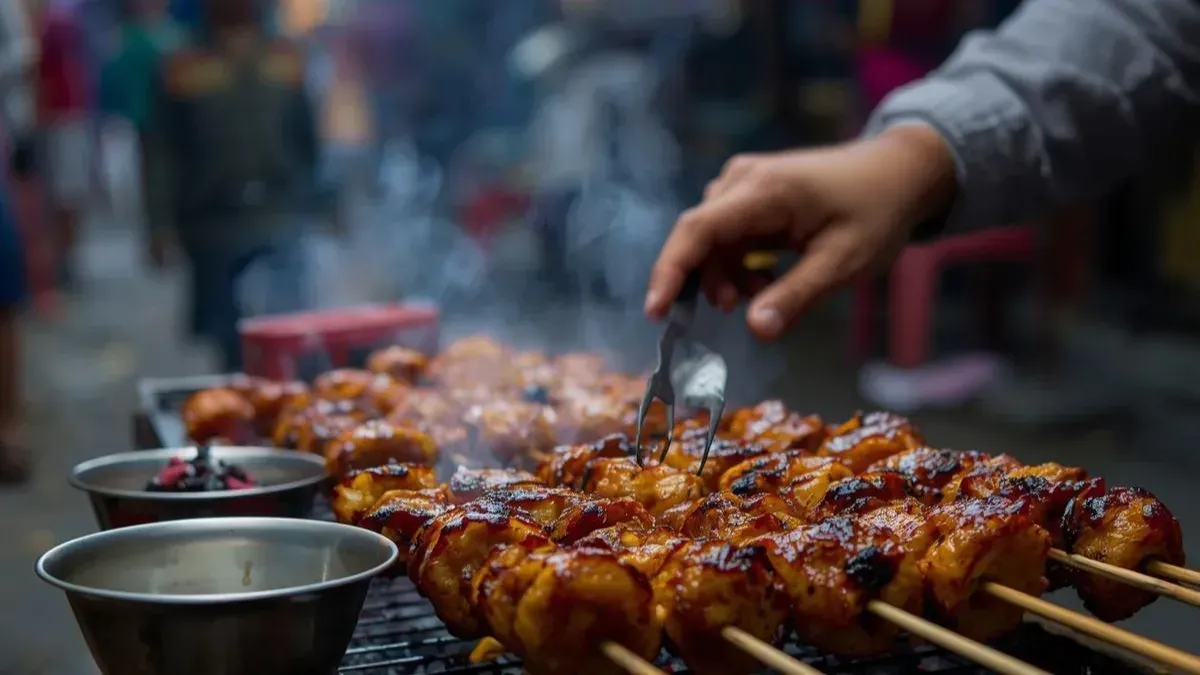
Sekuwa (BBQ) is not simply a dish. It is a cultural experience, a tradition carried by fire and flavor, and one of the most loved meat preparations in Nepal.
Often compared to barbecue, sekuwa has its own identity that makes it truly Nepali. From busy highways in eastern Nepal to small village gatherings in the hills, the aroma of sekuwa roasting over hot coal brings people together.
Nepal is a country of cultural diversity. Every community and caste has its own food traditions. Some communities follow vegetarian practices, while others include meat in their daily meals and celebrations.
Among all the meat dishes enjoyed across the country, sekuwa holds a special place. It is served during festivals, family gatherings, community events, and simple evening meet-ups. It is a snack, a celebration dish, and a symbol of togetherness.
The Cultural Roots of Sekuwa
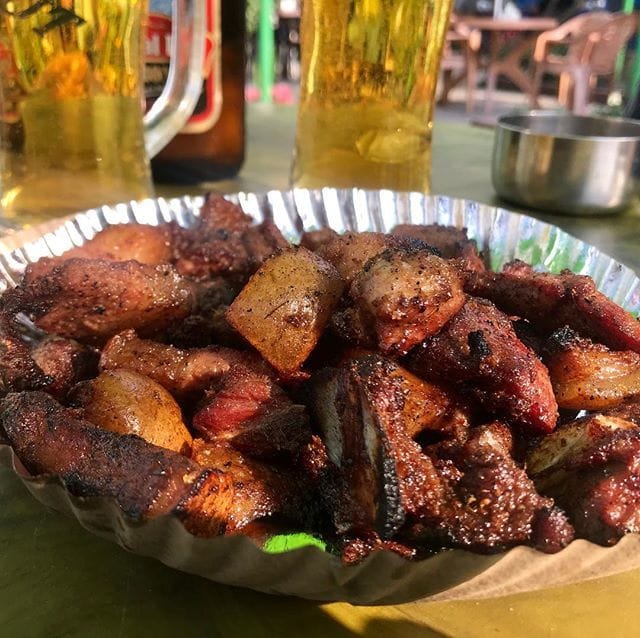
Sekuwa has been part of Nepali food culture for generations. It is especially popular among communities that traditionally consume meat. Over time, it has crossed cultural boundaries and become a favorite across regions.
In eastern Nepal, sekuwa is not just food, it is an identity. The road from Itahari to Dharan, particularly around Terahara, is famous for roadside sekuwa shops. When you travel through this area, you can smell the smoky aroma of roasting meat from a distance. That smell itself creates hunger and excitement.
One of the most famous varieties is Dharane kalo bungur ko sekuwa, black pork sekuwa from Dharan. This version has become popular all over Nepal. People travel long distances just to taste its rich and balanced flavor. The name “Dharane sekuwa” itself has become a brand of quality and authenticity.
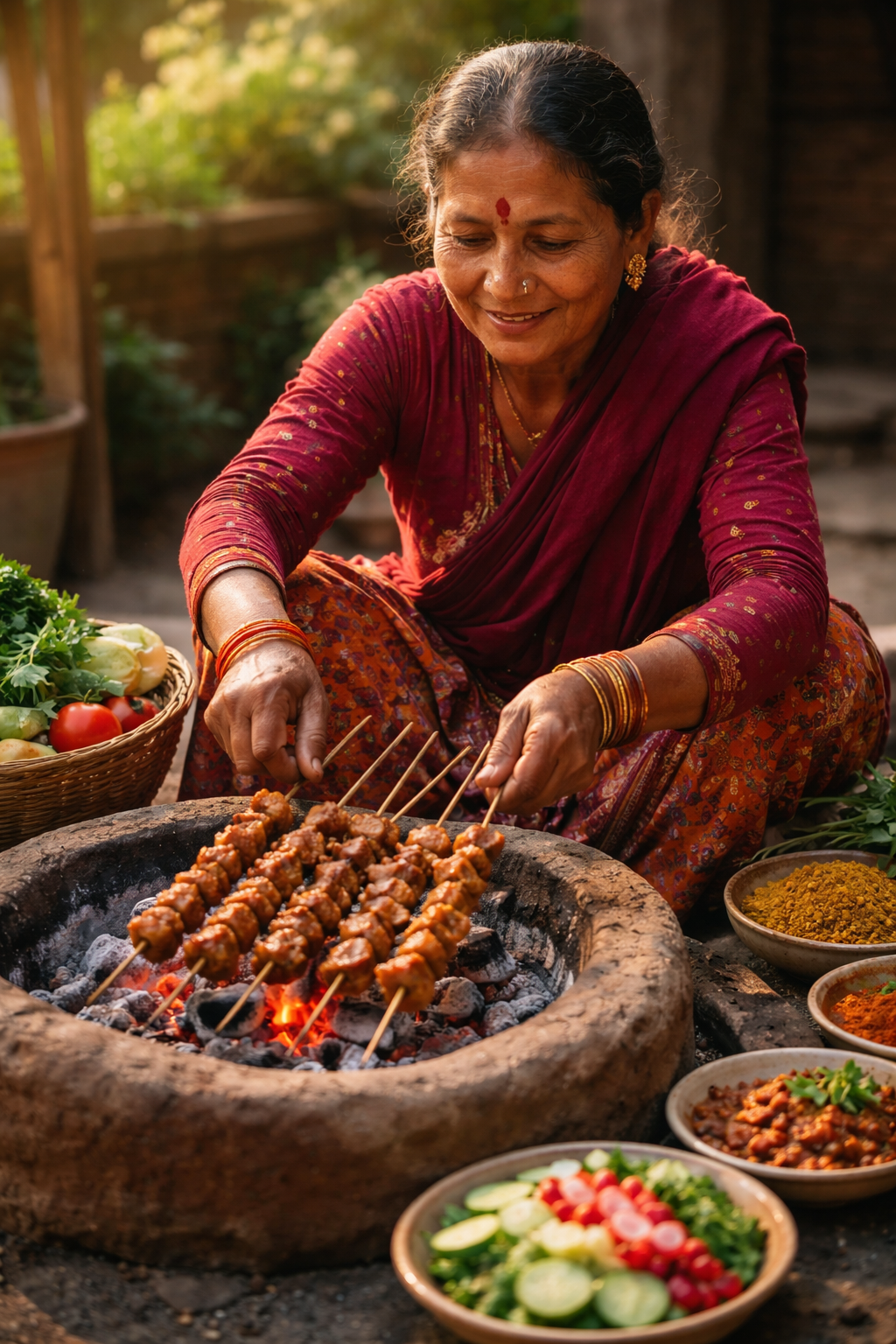
In hill regions like Hile, sekuwa is prepared in traditional bhatti, Nepali-style clay fire ovens. These methods have been preserved for years, keeping the original taste alive.
The Secret Begins with Simple Ingredients
The beauty of sekuwa lies in its simplicity. It does not depend on heavy sauces or artificial flavors. Instead, it uses natural and homemade ingredients that are easily available in Nepali kitchens.
The main ingredients in traditional sekuwa marination include:
- Fresh ginger and garlic paste
- Crushed coriander seeds
- Crushed cumin seeds
- Mustard oil
- Salt
- Timur (Sichuan pepper)
Among these, timur is the most important. Timur gives sekuwa its signature taste. It has a slightly citrus-like flavor and creates a mild tingling sensation on the tongue. This unique quality makes Nepali sekuwa different from other types of barbecue around the world.

Visit BK Masala Website
Mustard oil adds a sharp, earthy aroma. Coriander and cumin provide warmth and depth. Ginger and garlic enhance the richness of the meat. When all these ingredients are mixed properly, they create a balanced and natural flavor.
There are no complicated processes. The spices are mixed with the meat and allowed to rest. This resting period is very important.
It allows the flavors to slowly enter the meat, making it soft, juicy, and full of taste. Experienced sekuwa makers believe that patience during marination is one of the biggest secrets behind perfect sekuwa.
The Traditional Cooking Method: Fire, Coal, and Clay
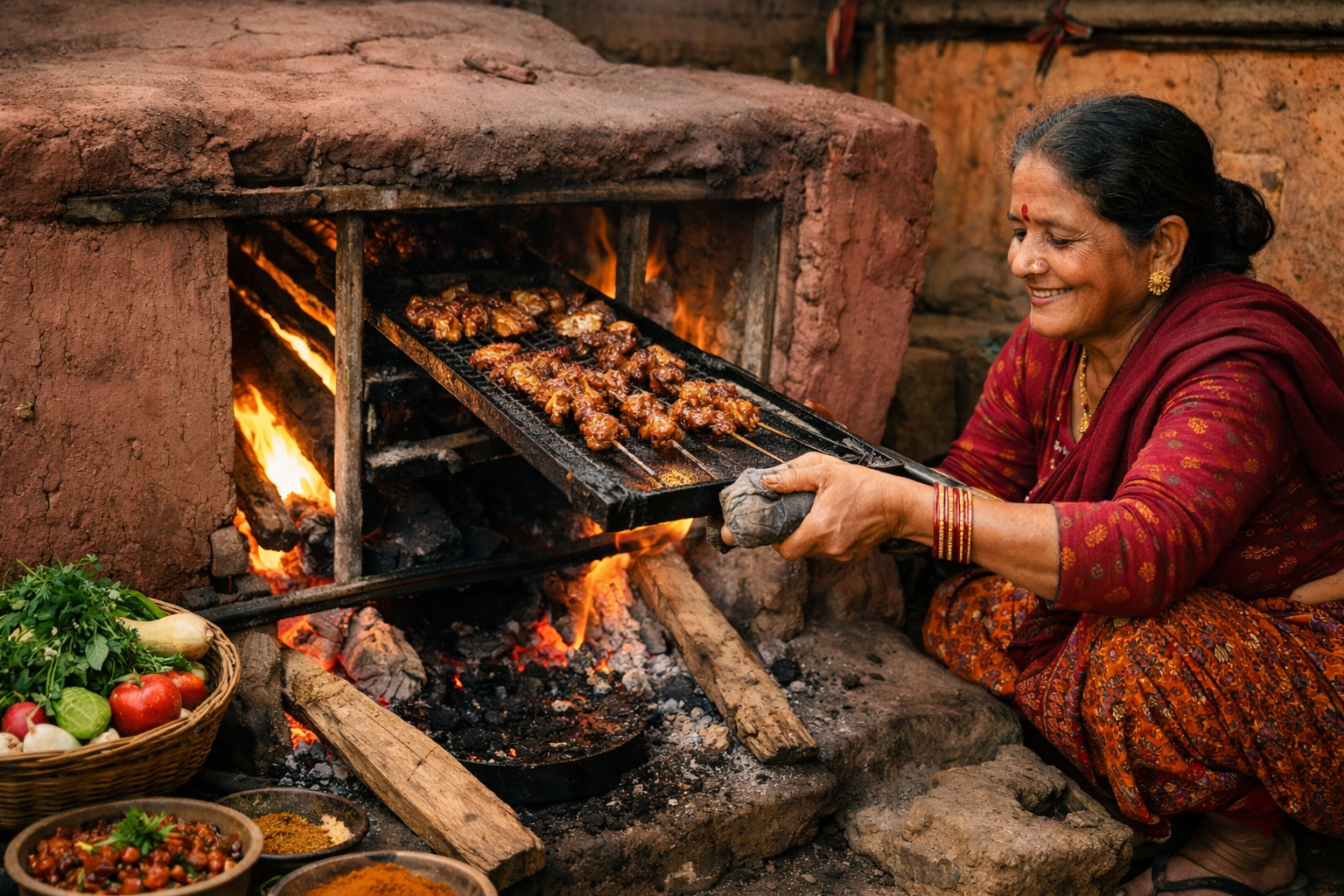
What truly makes sekuwa special is the way it is cooked.
Unlike many types of barbecue that use direct flames, traditional sekuwa is cooked over hot wood coal. The meat is placed on iron skewers or grills and roasted over the heat of burning coal, not directly in the fire.
This slow roasting process allows:
- The outside to become slightly crispy
- The inside to remain soft and juicy
- The meat to absorb a natural smoky aroma
The clay oven or bhatti plays an important role. It controls heat and ensures even cooking. The smoke from wood coal gives sekuwa its unique flavor — something that cannot be fully recreated with gas stoves or electric grills.
The sound of meat sizzling over coal, the rising smoke, and the smell of spices blending with fire create an unforgettable experience. Even before tasting it, the senses are already satisfied.
Different Types of Sekuwa
Sekuwa can be prepared using different types of meat, each offering its own unique taste and texture.
Pork Sekuwa
Pork sekuwa is especially famous in eastern Nepal. The black pork from Dharan, known as Dharane kalo bungur ko sekuwa, is rich, juicy, and deeply flavorful.
Buff Sekuwa
Buff (buffalo) sekuwa is very popular across Nepal. It has a firm texture and strong taste, making it a favorite for those who enjoy bold flavors.
Chicken Sekuwa
Chicken sekuwa is softer and lighter. It absorbs spices very well and is loved by many people of all ages.
Mutton Sekuwa
Mutton sekuwa has a deep and traditional flavor. When cooked properly, it becomes tender and aromatic.
Each type has its own charm, but the spice base and cooking method remain rooted in tradition.
The Perfect Serving Style
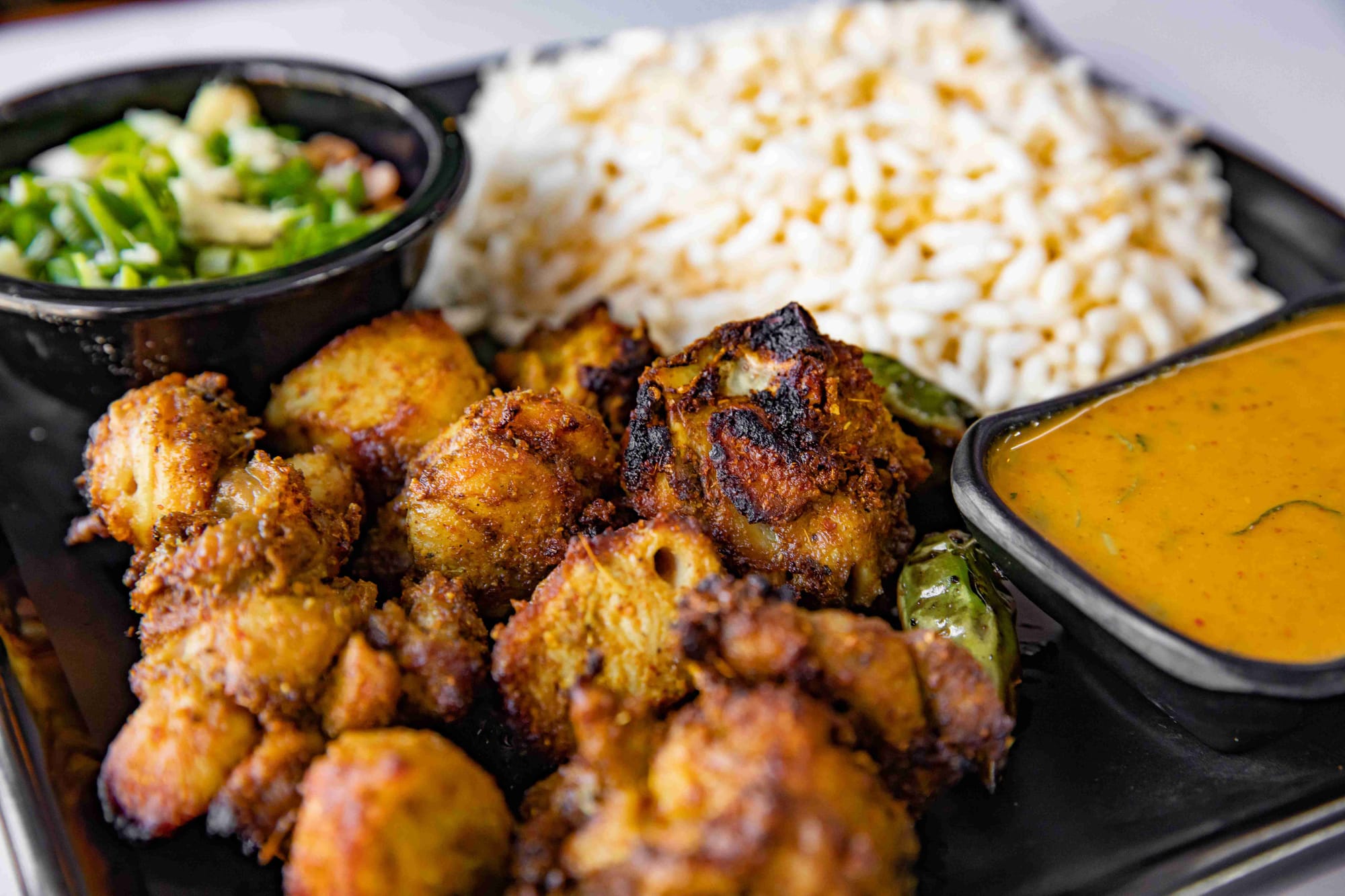
Sekuwa is usually served in a simple yet satisfying way.
It is accompanied by:
- Tomato and timur-based achar (chutney)
- Fresh seasonal salad like cucumber, radish, and carrot
- Sometimes beaten rice (chiura) or puffed rice
The achar adds spice and tanginess. The salad adds freshness and crunch. The combination balances the smoky richness of the meat.
The presentation may be simple, but the taste experience is complete.
The Science Behind the Flavor
Sekuwa is not only about tradition, it also involves food science.
- Mustard oil enhances aroma through its natural compounds.
- Timur stimulates taste receptors and creates a tingling sensation, making flavors feel stronger.
- Slow coal roasting allows natural fats to melt gradually, keeping the meat juicy.
- Resting time during marination allows protein fibers to absorb spices deeply.
The balance of heat, spice, and timing creates the perfect texture and flavor.
Sekuwa and Social Life
Sekuwa is deeply connected with Nepali social life. It is the best snack for:
- Festivals
- Community gatherings
- Family celebrations
- Friendly meet-ups
- Evening relaxation
When sekuwa is served, people gather around. Plates are shared. Stories are told. Laughter fills the air. It creates bonding.
Many sekuwa sellers have spent their entire lives preparing this one dish. Their skill and consistency have built trust among customers. Some small roadside shops have become famous simply because they have maintained the same taste for decades.
This dedication shows that sekuwa is not just business — it is passion.
A Taste That Represents Nepal
In today’s modern food culture, many international barbecue styles are available. However, traditional sekuwa continues to hold its position because it represents authenticity.
It reflects:
- Simplicity
- Cultural pride
- Natural ingredients
- Traditional cooking
- Community connection
From the highways of Terahara to the hills of Hile, from city gatherings to village festivals, sekuwa remains a symbol of Nepali taste and identity.
Conclusion: Fire, Flavor, and Heritage
Sekuwa is not just roasted meat. It is the story of Nepal’s diversity, tradition, and love for simple but powerful flavors.
Its signature taste comes from:
- Home-ground spices
- The magic of timur
- Mustard oil aroma
- Slow coal roasting
- Experienced hands
- Generations of knowledge
Every bite carries smoke from the coal, warmth from the spices, freshness from the herbs, and the pride of Nepali culture.