How Belly Breathing Improves Health, Reduces Stress, and Restores Calm Naturally
Consistent belly breathing practice helps deeper meditation readiness, as the mind naturally calms when the body receives full, rhythmic oxygenation.


Discover the power of belly breathing for stress reduction, mental clarity, and physical health. Learn Osho-inspired techniques and step-by-step guidance for daily practice at home or in meditation centers.
In today’s fast-paced world, stress and tension are constant companions. The mind is overactive, the body remains tense, and sleep and focus suffer. While many methods promise relaxation, one of the simplest yet most powerful techniques comes from ancient meditation practices: belly breathing.
(Inspired by Osho Ashram Biratnagar and advisory guidance of Mr. Hardeep Singh Karki)
According to meditation and wellness experts at Osho Ashram Biratnagar, and as shared by Mr. Hardeep Singh Karki, belly breathing is not just a physical exercise - it is a bridge between body, mind, and spirit. This technique strengthens the body, calms the mind, and awakens inner awareness, making it essential for modern living.
What Is Belly Breathing? A Scientific and Spiritual Overview
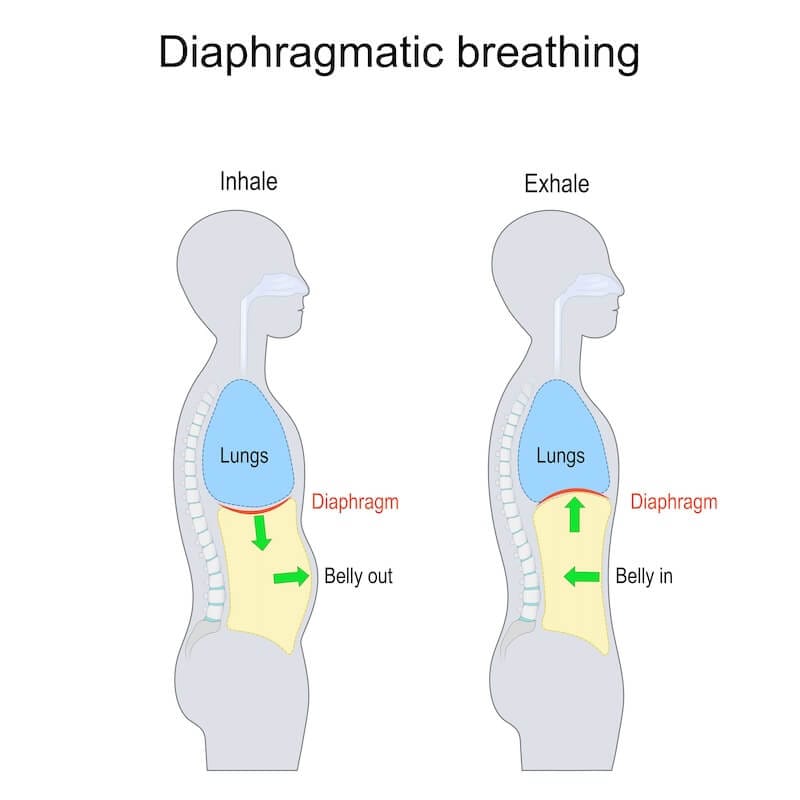
Belly breathing, also called diaphragmatic breathing, involves conscious expansion and contraction of the abdomen with each breath. Unlike shallow chest breathing, which is often rapid and stress-driven, belly breathing engages the diaphragm, sending oxygen deep into the lungs and activating the body’s natural relaxation system.
Scientific benefits include:
- Improved oxygenation of cells
- Lowered heart rate and blood pressure
- Reduced cortisol (stress hormone) levels
- Enhanced digestion and metabolism
- Strengthened respiratory muscles
Spiritual benefits, inspired by Osho philosophy:
- Promotes presence and mindfulness
- Connects the breath to life energy (prana)
- Balances emotional states
- Prepares the mind for deeper meditation
- Awakens awareness of the body and inner sensations
Osho often emphasized the importance of conscious breathing:
"Breath is the bridge between body and soul. Observe it, follow it, and you will enter the stillness within."
The Science Behind Belly Breathing
Belly breathing works because it engages the diaphragm, a dome-shaped muscle under the lungs. When you inhale deeply into the belly:
- The diaphragm contracts and moves downward
- Lungs expand fully
- Oxygen reaches the lower lobes of the lungs
- Carbon dioxide is expelled more efficiently
This type of breathing activates the parasympathetic nervous system, also called the “rest and digest” mode, countering the stress-driven sympathetic system.
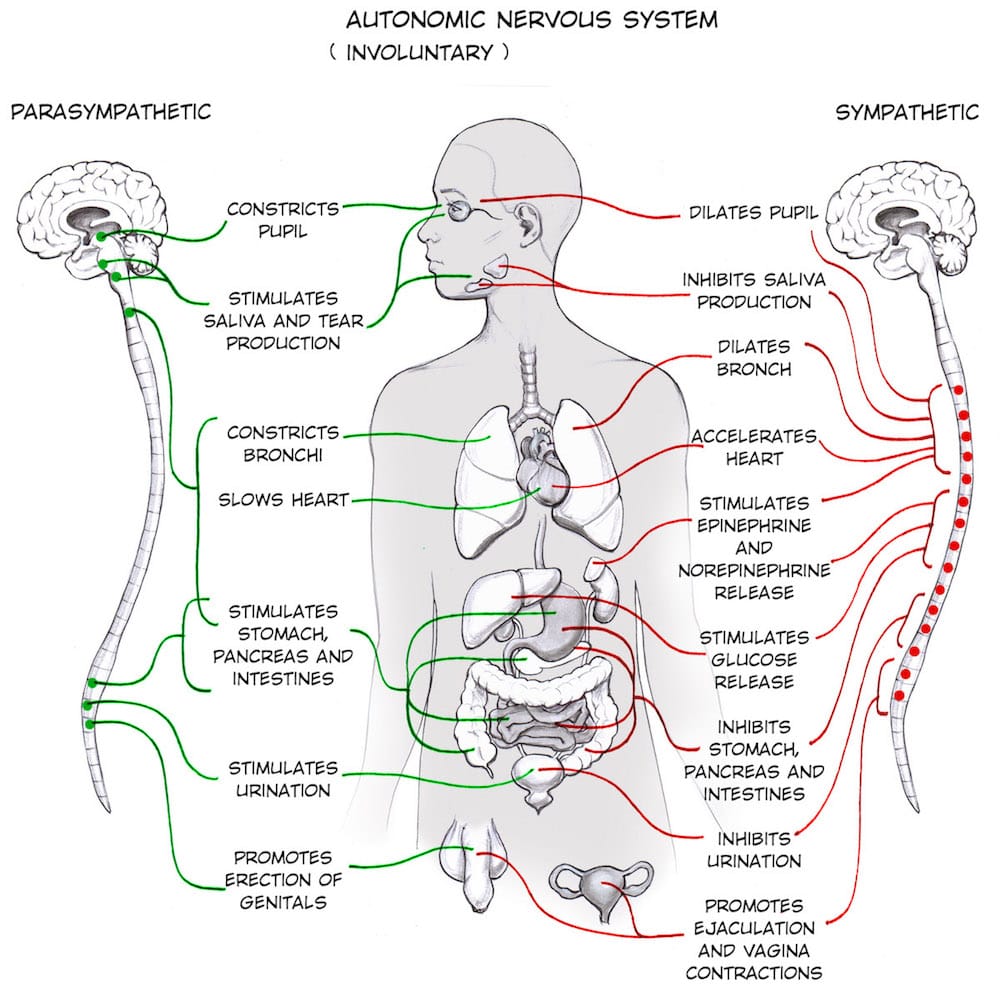
Benefits include:
- Heart and Blood Pressure: Lowered heart rate and reduced hypertension
- Mental Clarity: Increased oxygen to the brain improves focus, memory, and calmness
- Immune Function: Enhanced lymphatic circulation strengthens the immune system
- Emotional Balance: Reduces anxiety, anger, and mental agitation
Mr. Hardeep Singh Karki emphasizes that consistent belly breathing practice helps participants at Osho Ashram Biratnagar develop deeper meditation readiness, as the mind naturally calms when the body receives full, rhythmic oxygenation.
Belly Breathing vs. Shallow Chest Breathing
Many people unconsciously breathe shallowly from the chest. This type of breathing:
- Reduces oxygen intake
- Increases stress hormones
- Creates tension in neck, shoulders, and chest
- Limits parasympathetic activation
In contrast, belly breathing:
- Fully engages the diaphragm
- Promotes relaxation from the core
- Releases physical tension
- Harmonizes body and mind
Osho’s philosophy: “Shallow breath is the body’s anxiety. Deep breath is the body’s freedom.”
Step-by-Step Guide to Belly Breathing
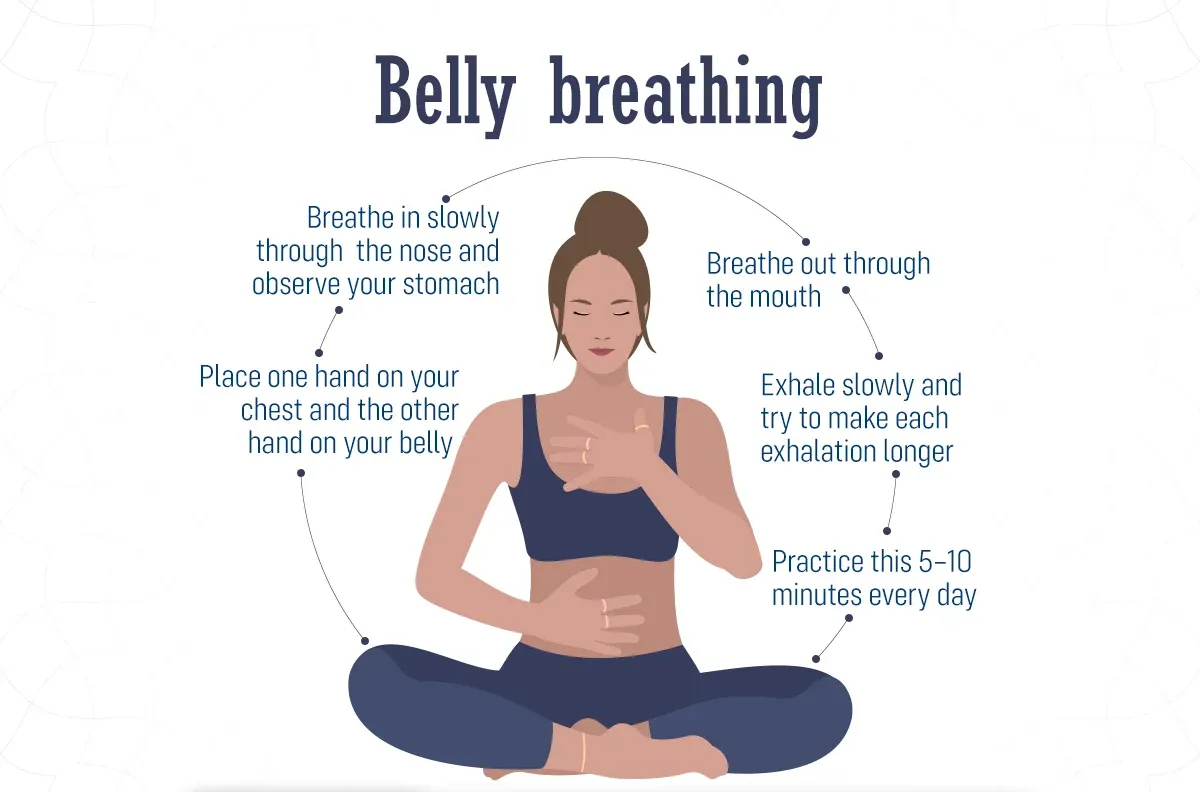
Ideal for beginners and advanced meditators alike. Duration: 10–20 minutes, once or twice daily.
Preparation:
- Sit comfortably with a straight spine.
- Relax shoulders and jaw.
- Place one hand on your belly and the other on your chest.
Technique:
- Inhale deeply through the nose for 4–6 seconds, feeling the belly expand.
- Hold the breath gently for 1–2 seconds.
- Exhale slowly through the mouth for 6–8 seconds, feeling the belly contract.
- Keep the chest relatively still; focus on abdominal movement.
- Repeat for 10–20 cycles, or 10–20 minutes.
Tips for deeper practice:
- Visualize breath reaching the lower abdomen and energy centers (chakras).
- Combine with a mantra or silent affirmation, such as “peace” or “calm.”
- If thoughts wander, gently return attention to the breath.
Advanced variation (Osho-inspired):
- After mastering basic diaphragmatic breathing, you can integrate rhythmic breath with meditation music or silence, allowing the breath to guide mental focus and presence.
Physical and Mental Benefits of Daily Belly Breathing
1. Stress Reduction
Activates parasympathetic nervous system → lowers cortisol and adrenaline → induces calm.
2. Improved Sleep
Deep breathing reduces insomnia by slowing the heart rate and relaxing the body before bed.
3. Enhanced Concentration
Full oxygenation of the brain improves memory, focus, and learning capability.
4. Emotional Balance
Reduces anxiety, irritability, and mental agitation, fostering emotional stability.
5. Better Digestion
Massages abdominal organs → improves metabolism and reduces bloating or discomfort.
6. Strengthened Core
Engages diaphragm, abdominal muscles, and intercostals → improves posture and overall core stability.
Spiritual Perspective: Belly Breathing as Meditation
According to Osho and the guidance at Osho Ashram Biratnagar:
- Breath is life energy (prana): Every conscious inhalation nourishes the body, mind, and spirit.
- Belly breathing awakens presence: Feeling the rise and fall of the abdomen anchors you in the moment.
- Gateway to meditation: The mind naturally slows when the breath is deep and rhythmic, creating awareness for inner silence.
- Connection to vitality: Deep breathing revitalizes the body’s energy and releases tension stored in muscles and organs.
Mr. Hardeep Singh Karki explains that participants who practice belly breathing consistently experience heightened alertness, emotional resilience, and inner joy, which are prerequisites for deeper meditative states in Osho’s tradition.
Integrating Belly Breathing into Daily Life
- Morning: 10–15 minutes to energize the body and prepare the mind for the day.
- Evening: 10–15 minutes to release stress, calm the nervous system, and improve sleep.
- Work breaks: 2–5 minutes of belly breathing reduces accumulated tension and restores focus.
- Before meditation: Use 5–10 minutes to anchor the mind in the body, preparing for deeper spiritual practice.
Consistency is more important than duration. Even a few minutes daily improves physical health, mental clarity, and spiritual awareness.
Conclusion: The Transformative Power of Belly Breathing
Belly breathing is more than a physical exercise - it is a gateway to holistic wellness.
- Physically, it enhances oxygenation, strengthens the core, and lowers stress.
- Mentally, it promotes focus, emotional balance, and resilience.
- Spiritually, it awakens presence, prepares for meditation, and connects body, mind, and soul.
Osho’s wisdom aligns with modern science:
"Breath is the bridge between life and consciousness. When you breathe deeply, fully, consciously, you connect to the source of energy, awareness, and freedom."
Whether you are a student, professional, meditator, or seeker, belly breathing is a simple, effective, and transformative practice. Daily attention to the breath can transform stress into calmness, tension into presence, and ordinary life into a path of health, balance, and spiritual growth.