Getting Ready for an Interview
Understanding the company culture helps you frame your answers to show that you are not only qualified but also a good cultural fit. Employers appreciate candidates who demonstrate knowledge and genuine interest in their organization.

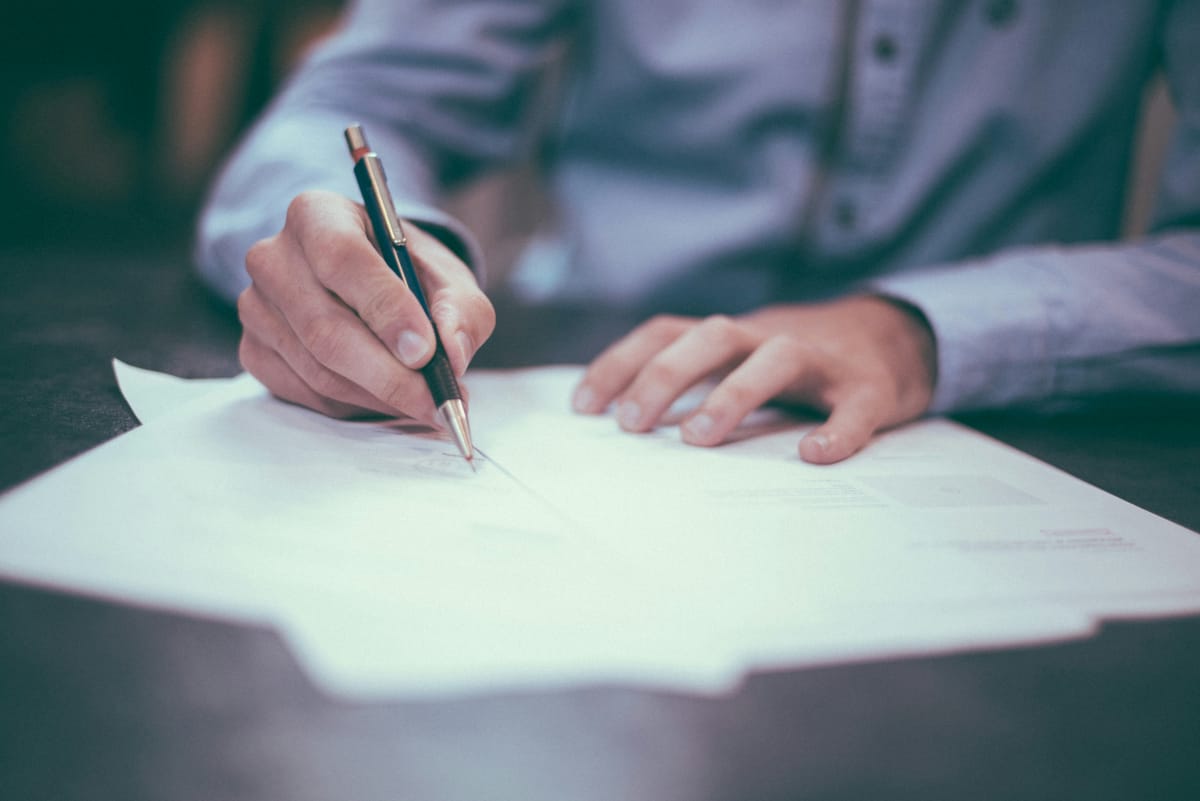
Preparing for a job interview is one of the most important steps in landing a new position. An interview is your opportunity to showcase your skills, experience, and personality while demonstrating that you are the right fit for the role. Proper preparation not only increases your confidence but also leaves a positive impression on potential employers. This article provides a comprehensive guide on how to get ready for an interview and maximize your chances of success.
Understand the Job Description
The first step in interview preparation is to thoroughly understand the job description. Review the required skills, qualifications, and responsibilities. Take note of keywords and phrases that describe the ideal candidate. Understanding the role allows you to tailor your answers to highlight relevant experience and demonstrate that you meet the employerís expectations.
Research the Company
Learning about the company is critical. Visit the companyís website, read recent news articles, and explore their social media profiles. Familiarize yourself with the company's mission, values, products, and services. Understanding the company culture helps you frame your answers to show that you are not only qualified but also a good cultural fit. Employers appreciate candidates who demonstrate knowledge and genuine interest in their organization.
Prepare Your Resume and Documents
Ensure that your resume is up to date and tailored to the job you are applying for. Bring multiple copies of your resume, a list of references, and any other documents that may be requested, such as a portfolio or certificates. Having these materials organized and ready to present demonstrates professionalism and preparedness.
Practice Common Interview Questions
Anticipating questions and practicing your responses is one of the most effective ways to prepare. Common interview questions include:
Tell me about yourself
Why do you want to work here
What are your strengths and weaknesses
Describe a challenge you faced and how you handled it
Where do you see yourself in five years
Practice answering these questions aloud, focusing on clear, concise, and confident responses. Use the STAR method for behavioral questions: Situation, Task, Action, and Result. This helps structure your answers and ensures that you provide concrete examples of your skills and achievements.
Dress Appropriately
Your appearance makes a strong first impression. Choose professional attire that is appropriate for the company and the industry. Even in a virtual interview, dressing professionally helps you feel confident and presents a polished image. Pay attention to grooming, shoes, and accessories to ensure that your appearance is neat and professional.
Plan Your Journey or Set Up Your Space
If the interview is in person, plan your route in advance to arrive on time. Consider traffic, parking, and building security procedures. Arriving 10 to 15 minutes early shows punctuality and respect for the interviewerís time.
For virtual interviews, ensure that your technology is functioning correctly. Test your internet connection, camera, microphone, and any software that will be used for the interview. Choose a quiet, well-lit space free from distractions and background noise. Having a professional setting helps create a positive impression even through a screen.
Prepare Questions for the Interviewer
An interview is a two-way process. Prepare thoughtful questions to ask the interviewer about the role, team structure, company culture, or growth opportunities. Asking questions demonstrates interest, engagement, and critical thinking. Avoid questions about salary or benefits in the first interview unless the interviewer brings it up.
Practice Body Language and Communication
Nonverbal communication is just as important as what you say. Maintain good posture, make appropriate eye contact, and smile naturally. Avoid crossing your arms or fidgeting. Speak clearly, at a moderate pace, and listen actively to the interviewer. Positive body language conveys confidence, attentiveness, and professionalism.
Prepare for Technical or Role-Specific Tests
Depending on the job, you may be required to complete assessments, presentations, or technical tests. Review relevant knowledge, practice sample problems, and prepare any materials you may need. Being well-prepared for these tasks shows competence and readiness to handle the responsibilities of the role.
Manage Stress and Build Confidence
Interviews can be stressful, but managing your stress is crucial. Practice deep breathing, positive visualization, or light exercise before the interview. Remind yourself of your qualifications, skills, and accomplishments. Confidence comes from preparation, so the more effort you put into getting ready, the more relaxed and assured you will feel during the interview.
Follow Up After the Interview
After the interview, send a polite thank-you email to express appreciation for the opportunity. Mention specific points discussed during the interview and reiterate your interest in the role. Following up demonstrates professionalism and leaves a positive impression that can set you apart from other candidates.
Conclusion
Getting ready for an interview requires careful planning, preparation, and practice. Understanding the job and company, preparing your documents, practicing answers, dressing appropriately, and managing stress are all critical steps in presenting yourself as a strong candidate. Effective communication, body language, and asking thoughtful questions enhance your chances of making a lasting impression. By following these steps, you increase your confidence, reduce anxiety, and position yourself for success in landing the job you desire.